Newsletters


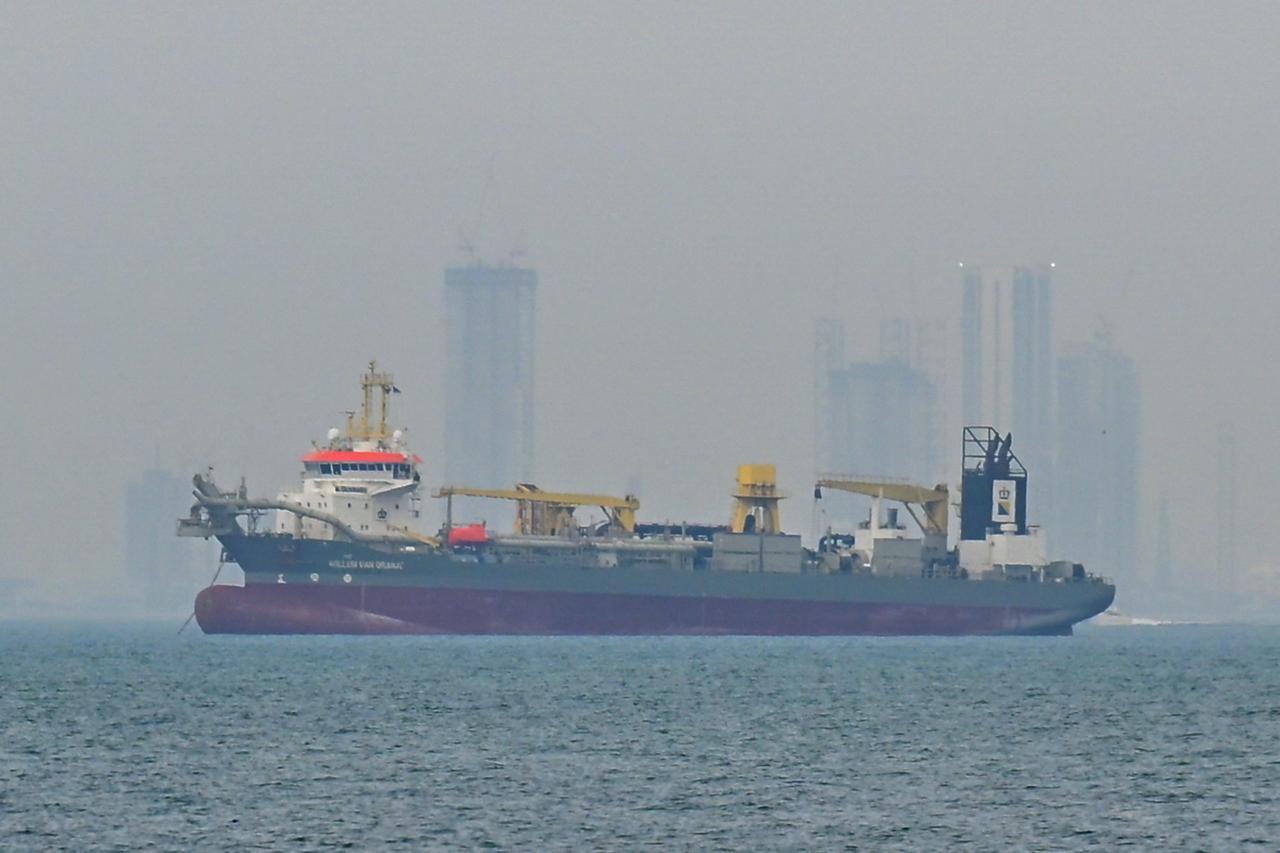


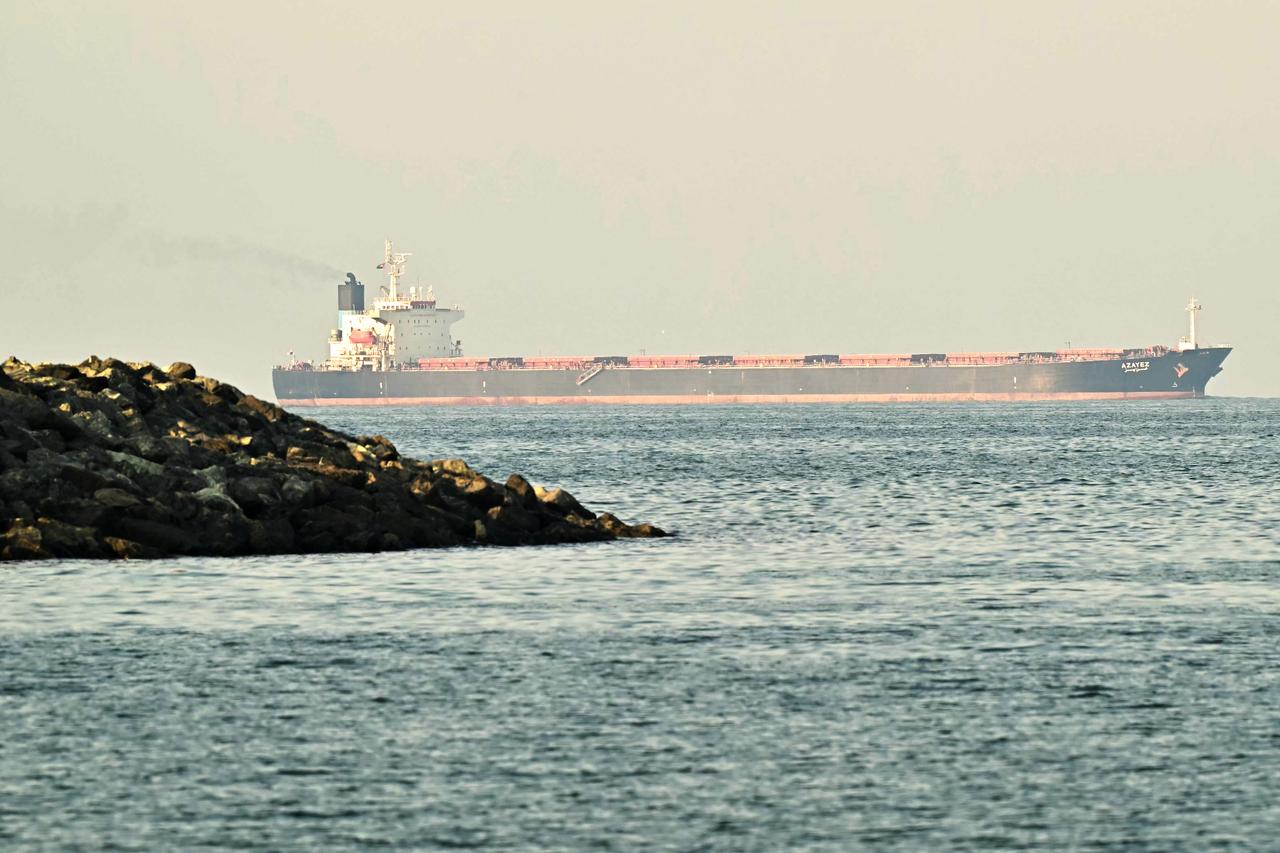
Around 1,000 vessels valued at more than $25 billion remain in Gulf waters, Sheila Cameron, chief executive of the Lloyd’s Market Association, a trade body representing insurers in the Lloyd’s of London market, said Thursday.
About half of the ships are oil and gas tankers, and only 40 vessel transits have taken place through the Strait of Hormuz since Mar. 1, Cameron added.
Maritime activity around the Strait of Hormuz, a key route for global energy shipments, has grown increasingly uncertain after U.S.-Israeli strikes began over the weekend, raising safety concerns across Gulf waters.
Iran’s Revolutionary Guard Corps was reported to have effectively blocked vessel traffic in the area, though Iranian officials denied that the waterway had been formally closed. A Revolutionary Guard commander told state media that ships complying with international maritime protocols continue to pass through the strait.
The situation has been compounded by insurance disruptions. Major maritime insurers suspended war risk coverage for vessels operating in the Gulf, and without such protection many ships cannot enter high-risk zones.
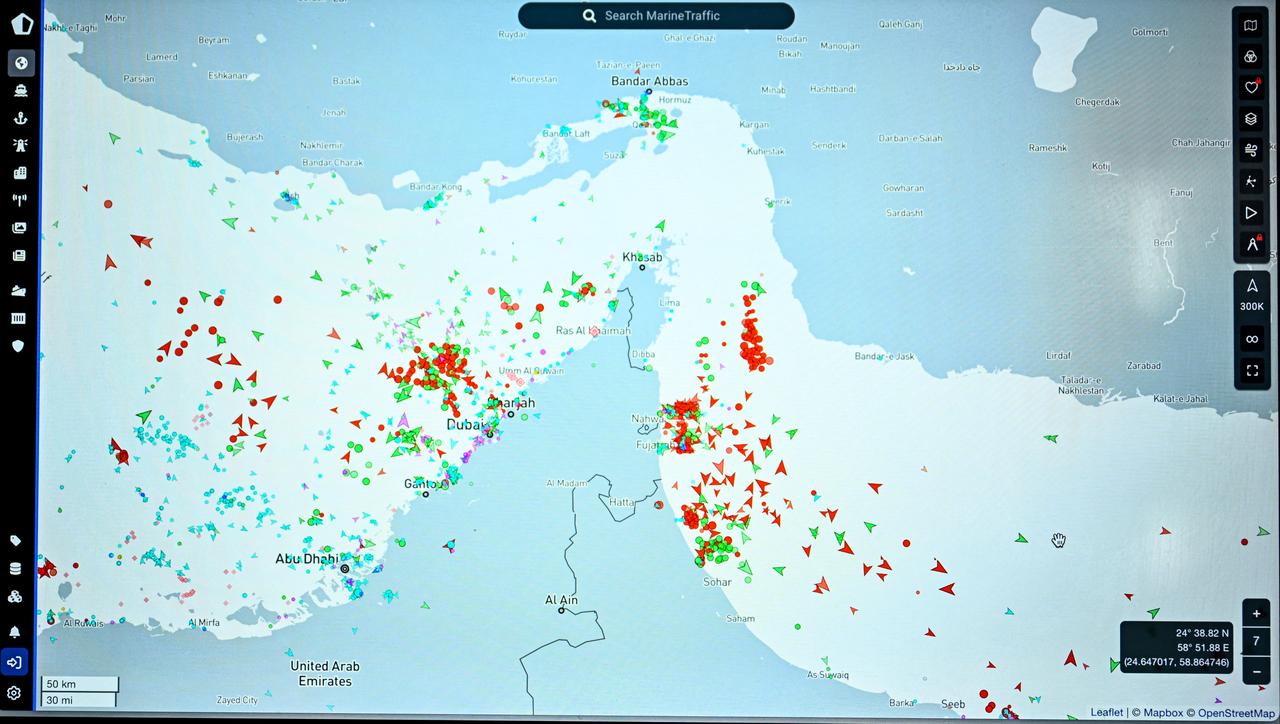
MarineTraffic data showed that oil tanker traffic through the Strait of Hormuz dropped by 90% compared with levels recorded before the attacks.
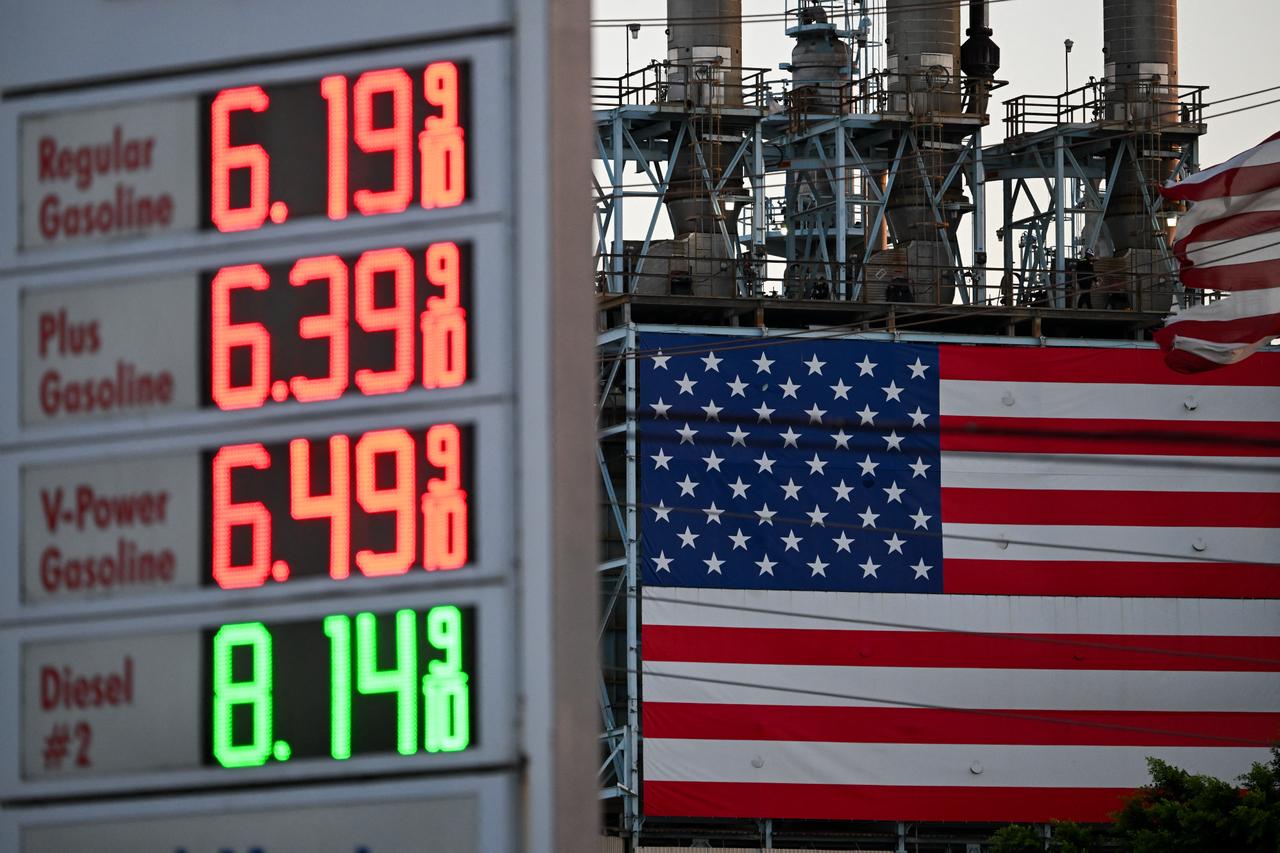
The disruption pushed global oil prices higher, with Brent crude testing $85 per barrel for the first time since June 2024 as supply fears grew around the strait, which carries about 20% of global oil demand.

In a separate statement, a Lloyd’s spokesperson told Reuters that the Lloyd’s of London insurance market is in discussions with the U.S. International Development Finance Corporation over a proposal to provide political risk insurance and guarantees for maritime trade in the Gulf.
The spokesperson said the market is "engaging constructively with the U.S. Development Finance Corporation and relevant stakeholders."
The initiative follows remarks by U.S. President Donald Trump, who said Tuesday that Washington would provide naval escorts and political risk insurance for oil and gas tankers transiting the Strait of Hormuz.
Earlier, insurance brokers Marsh and Aon Plc also held talks with U.S. officials about potential coverage arrangements for tankers navigating the strategic chokepoint.


 Set as preferred source
 Set as preferred source


 1 min read
 1 min read