Newsletters


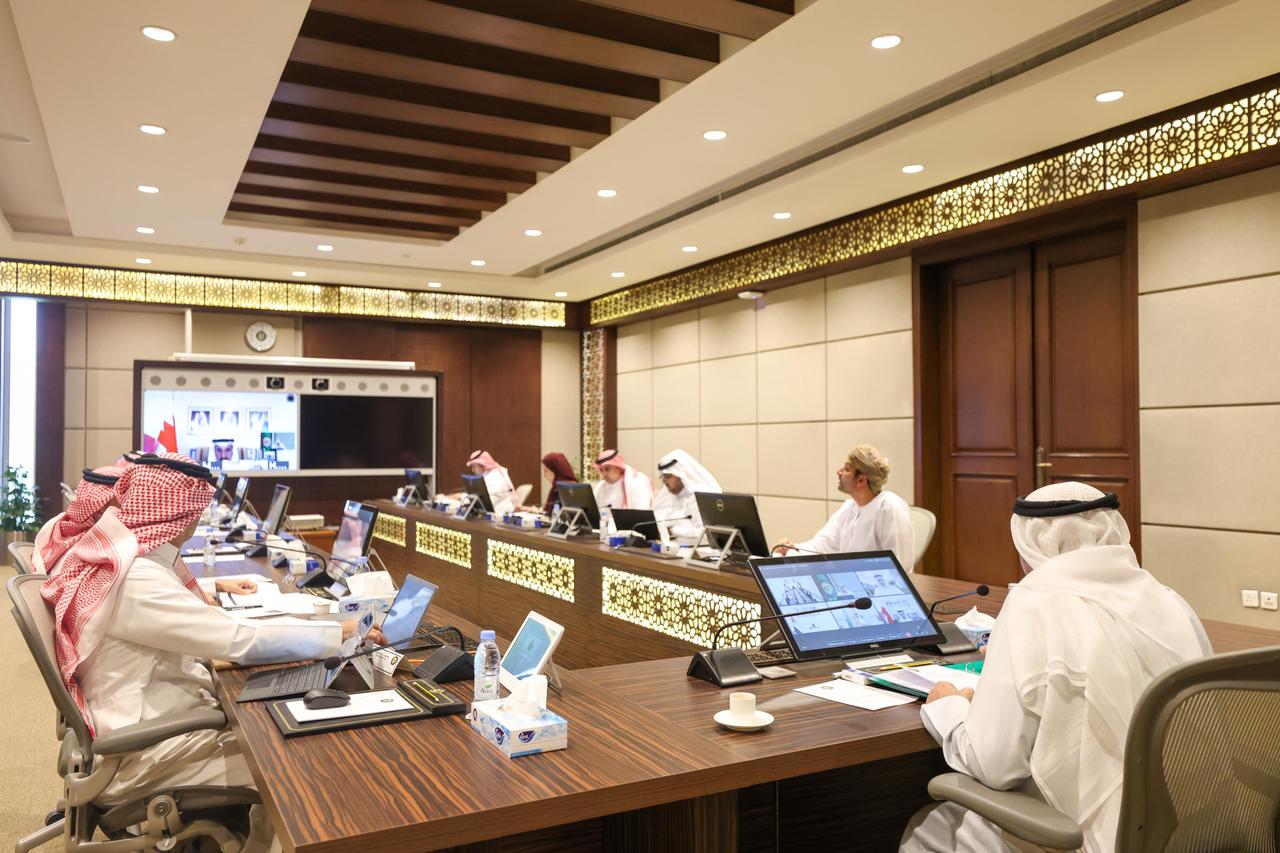


Transport ministers from Gulf Cooperation Council (GCC) countries met Wednesday to discuss accelerating railway projects across the region after the Strait of Hormuz crisis exposed vulnerabilities in Gulf trade routes.
The extraordinary meeting, held via videoconference, focused on transport infrastructure projects linking member states, with particular attention given to expanding rail connections across the Gulf.
Ministers also reviewed measures aimed at maintaining the movement of goods during periods of regional disruption, according to a statement from the bloc.
The discussions follow a decision by GCC leaders in April to fast-track a series of cross-border infrastructure projects, including the GCC Railway, electricity interconnection systems, oil and gas pipelines, water networks and strategic reserve facilities.
The GCC Railway is one of the region's largest infrastructure projects, designed to link Saudi Arabia, the United Arab Emirates, Qatar, Kuwait, Bahrain and Oman through a unified rail network connecting major cities, industrial hubs and ports across the Gulf.
The project is also expected to complement broader regional rail initiatives, including plans to revive and extend the historic Hejaz Railway from Türkiye through Syria and Jordan into Saudi Arabia, potentially creating a continuous rail corridor linking the Gulf with the eastern Mediterranean.
GCC Secretary-General Jasem Mohamed Albudaiwi said ministers reviewed future recommendations aimed at protecting trade flows and limiting potential disruptions to regional logistics networks. He added that member states emphasized the need to keep land, sea and air transport operating smoothly and ensure freight movements continue without interruption.
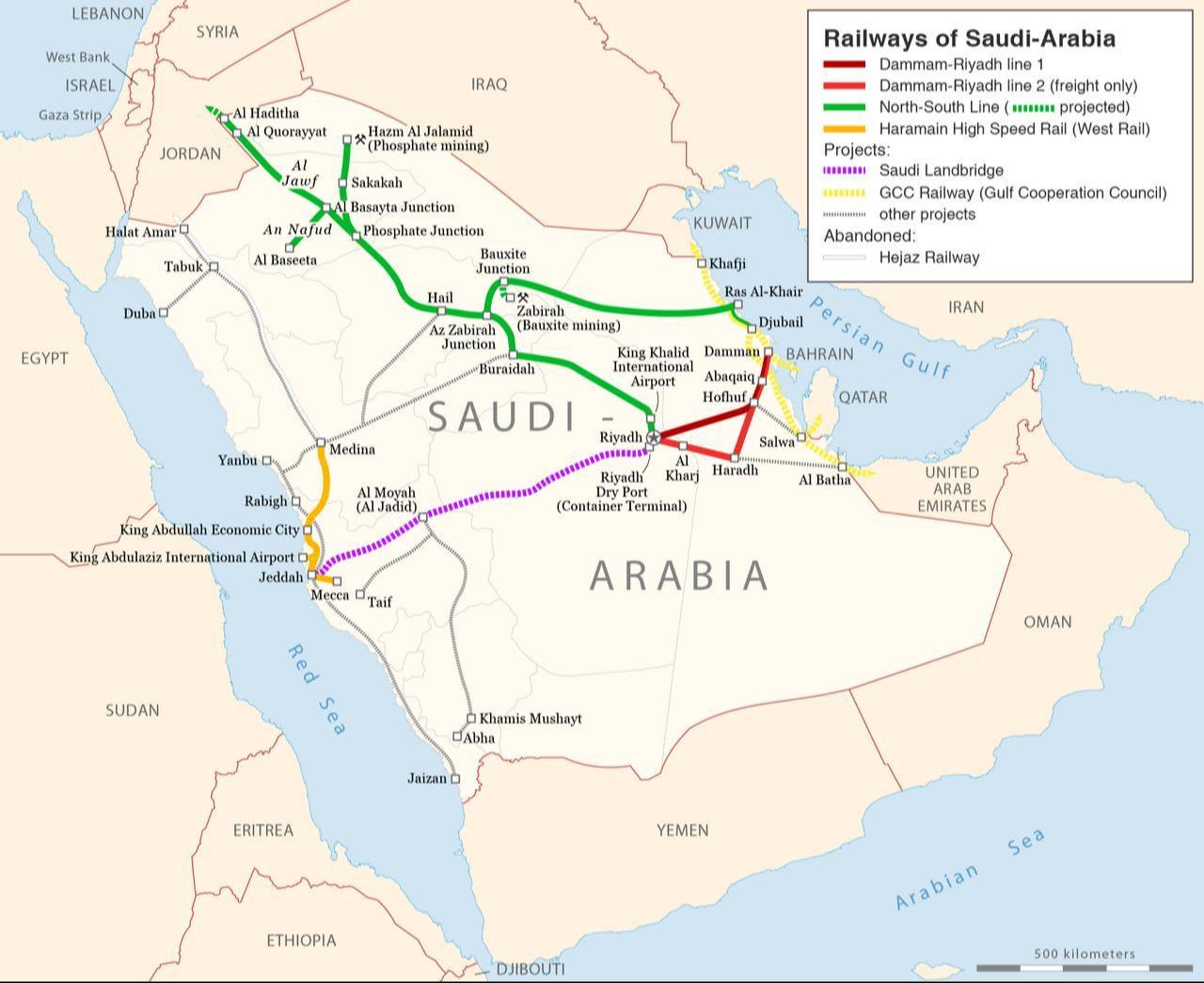

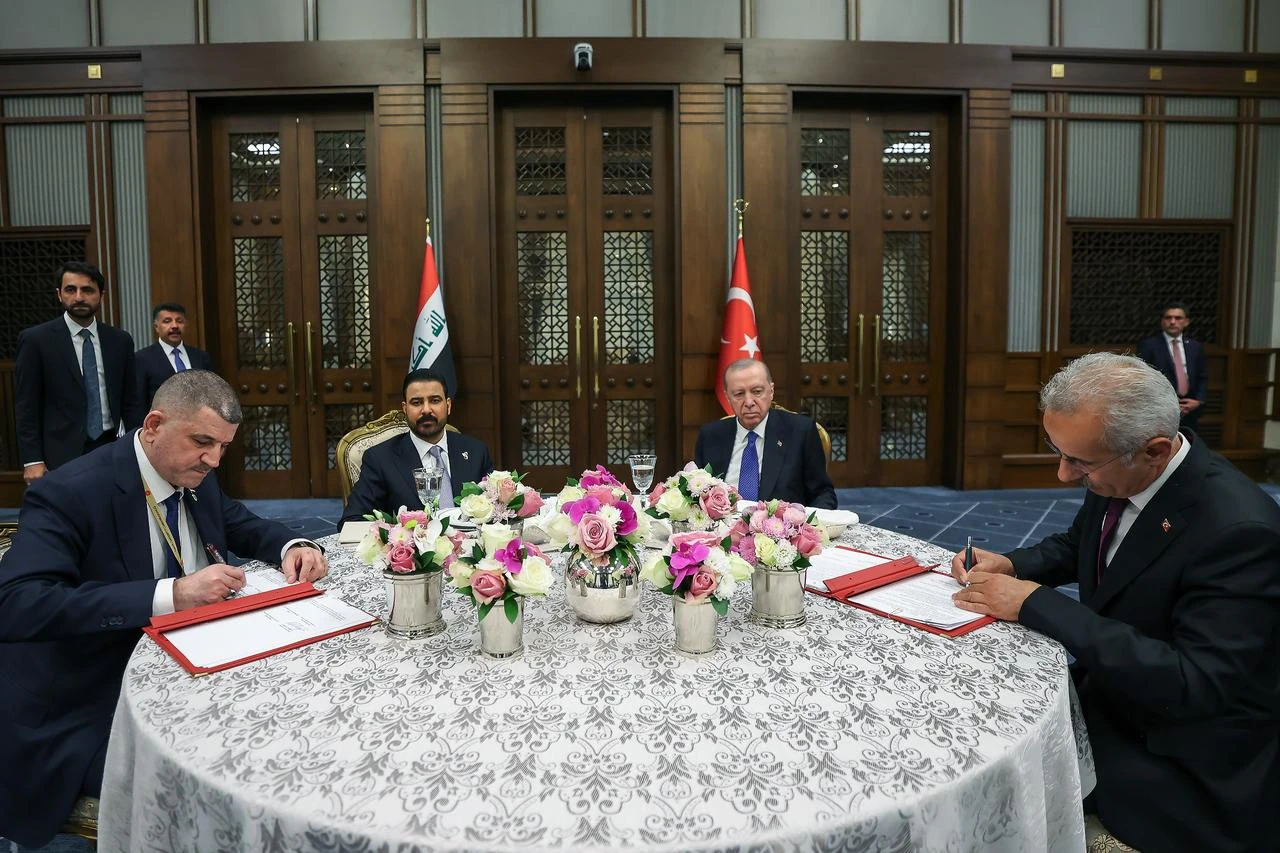
The discussions also come as Türkiye and Saudi Arabia deepen cooperation on the proposed modern Hejaz Railway, with Ankara recently signing railway and logistics agreements aimed at integrating the project with Saudi Arabia's existing rail network.
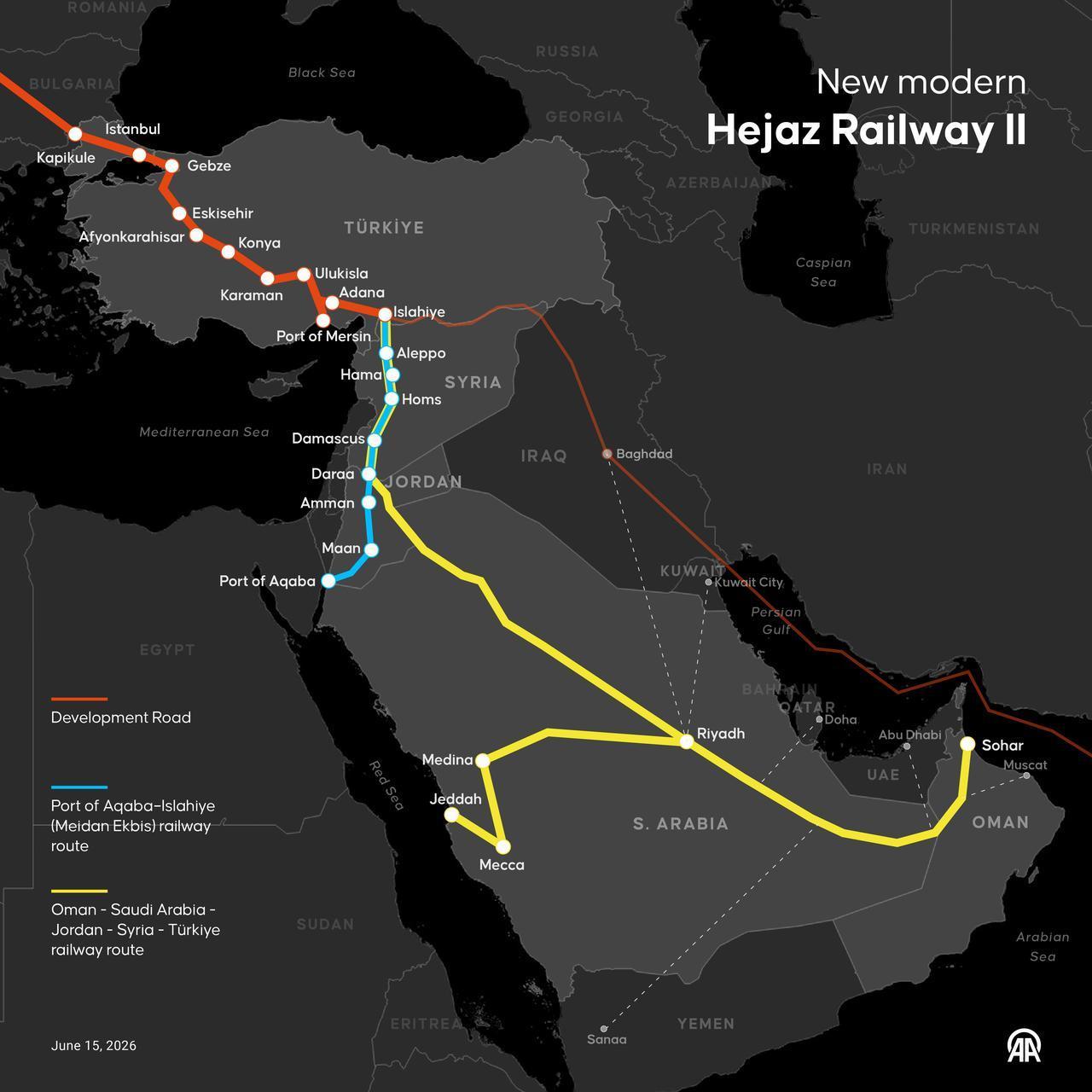
Saudi officials have previously said feasibility studies are expected to be completed by the end of 2026, with the route potentially connecting Riyadh, Makkah and Madinah to Istanbul.
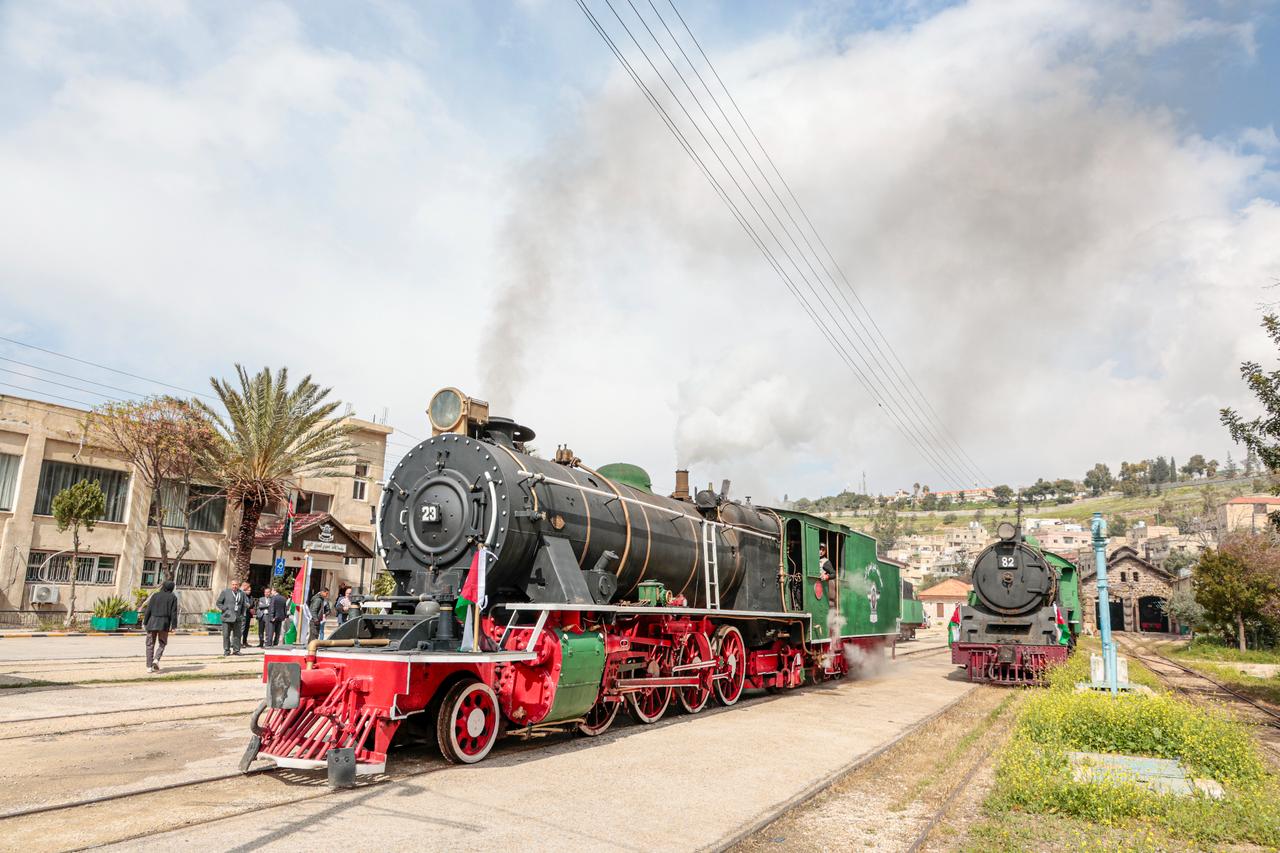
Originally built by the Ottoman Empire in the early 20th century, the Hejaz Railway fell largely out of use after World War I.
Current plans envision restoring the corridor through Syria and Jordan before extending it into Saudi Arabia, with longer-term proposals stretching the network to Oman and the Indian Ocean.


 Set as preferred source
 Set as preferred source


 1 min read
 1 min read