

 Newsletters


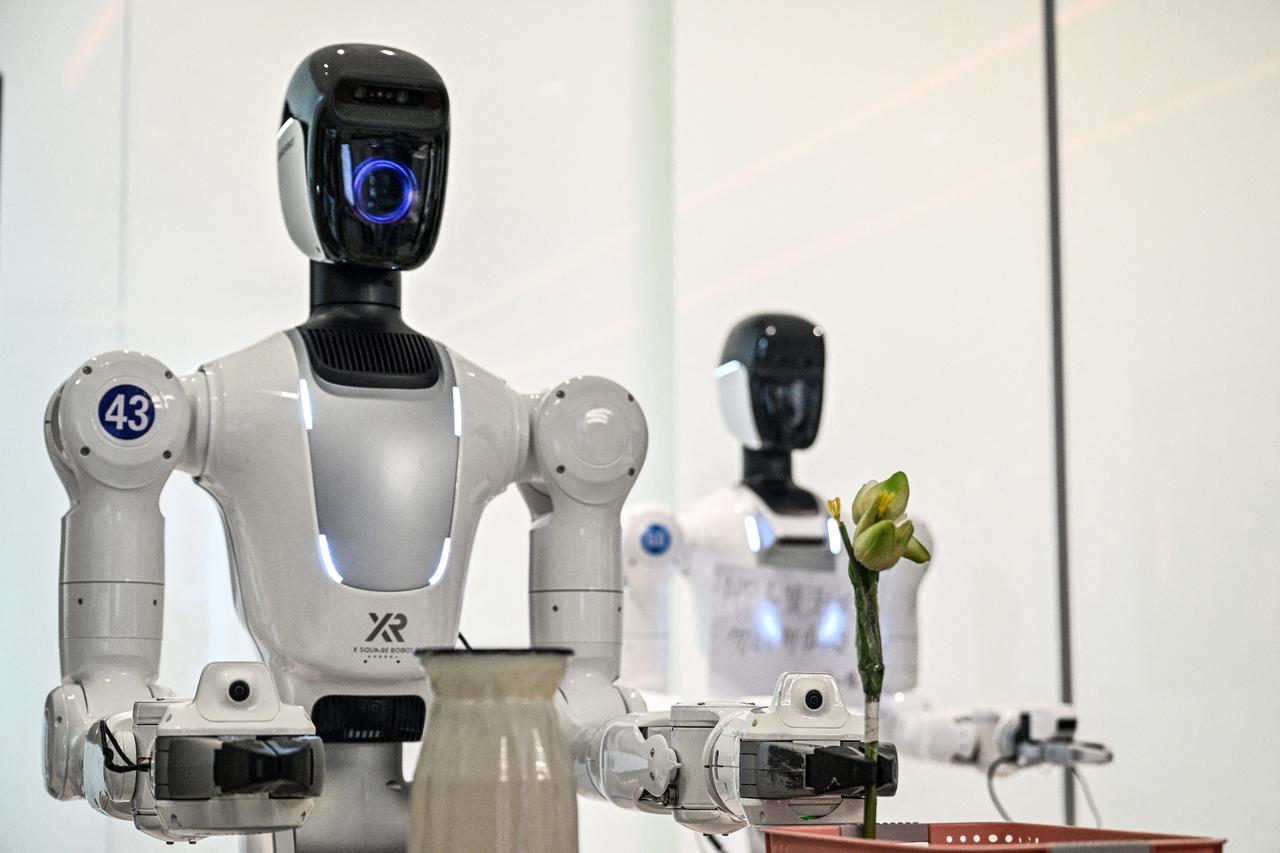


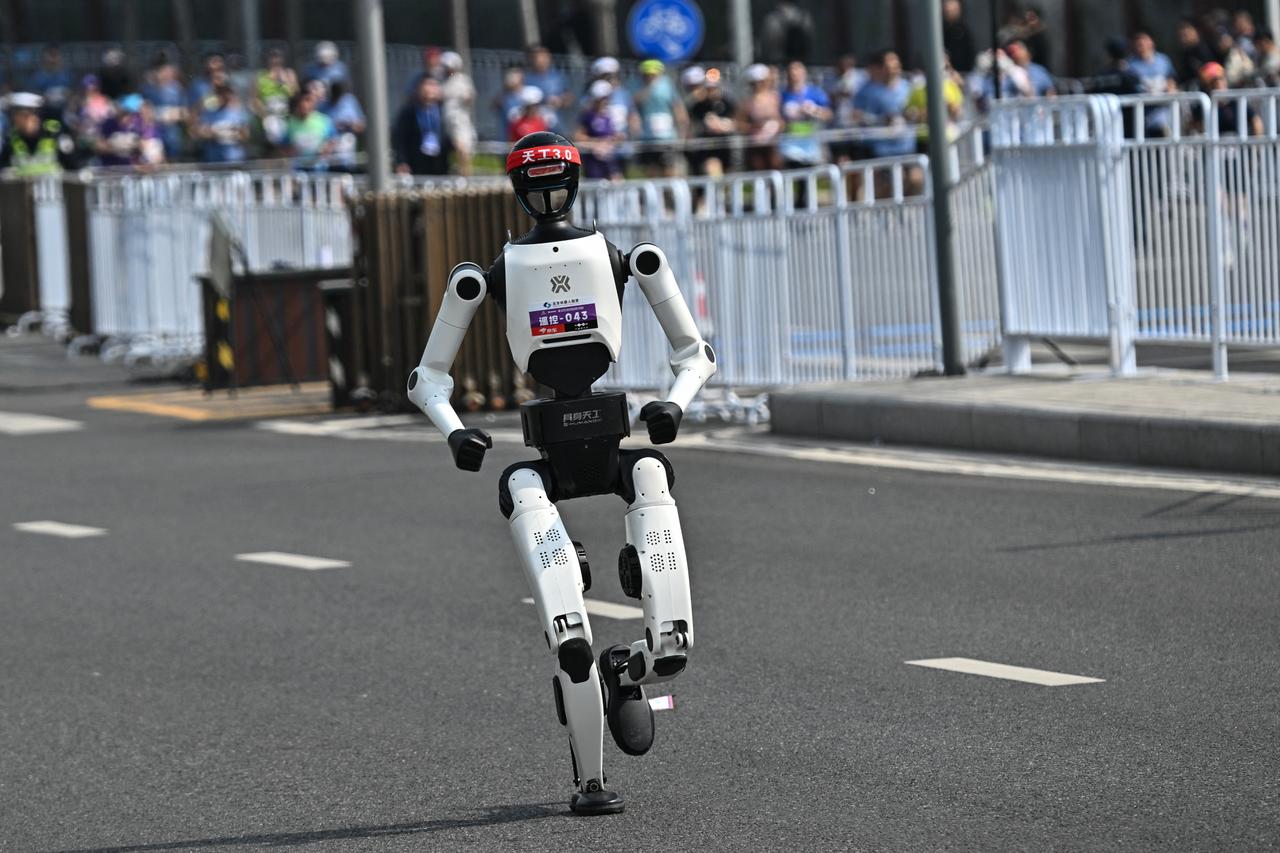
Engineers and robotics specialists say that even though technology companies make bold claims and show off flashy demos at industry events, humanoid robots still cannot perform a wide range of tasks on their own.
This difference between marketing and reality was clear at the Robotics Summit in Boston in late May. Promotional materials were optimistic, but the engineers who built the robots gave a more cautious perspective.
"Most of the humanoids you see are being teleoperated, or they've got very specific paths and chores that they do," said Chris Matthieu of startup RealSense, which manufactures cameras for robots.
This gap has shown up in several high-profile product launches. For example, when 1X launched its Neo robot last October, it was promoted as "the world's first consumer-ready humanoid robot designed to transform life at home." However, the robot was actually being controlled by a nearby human operator.
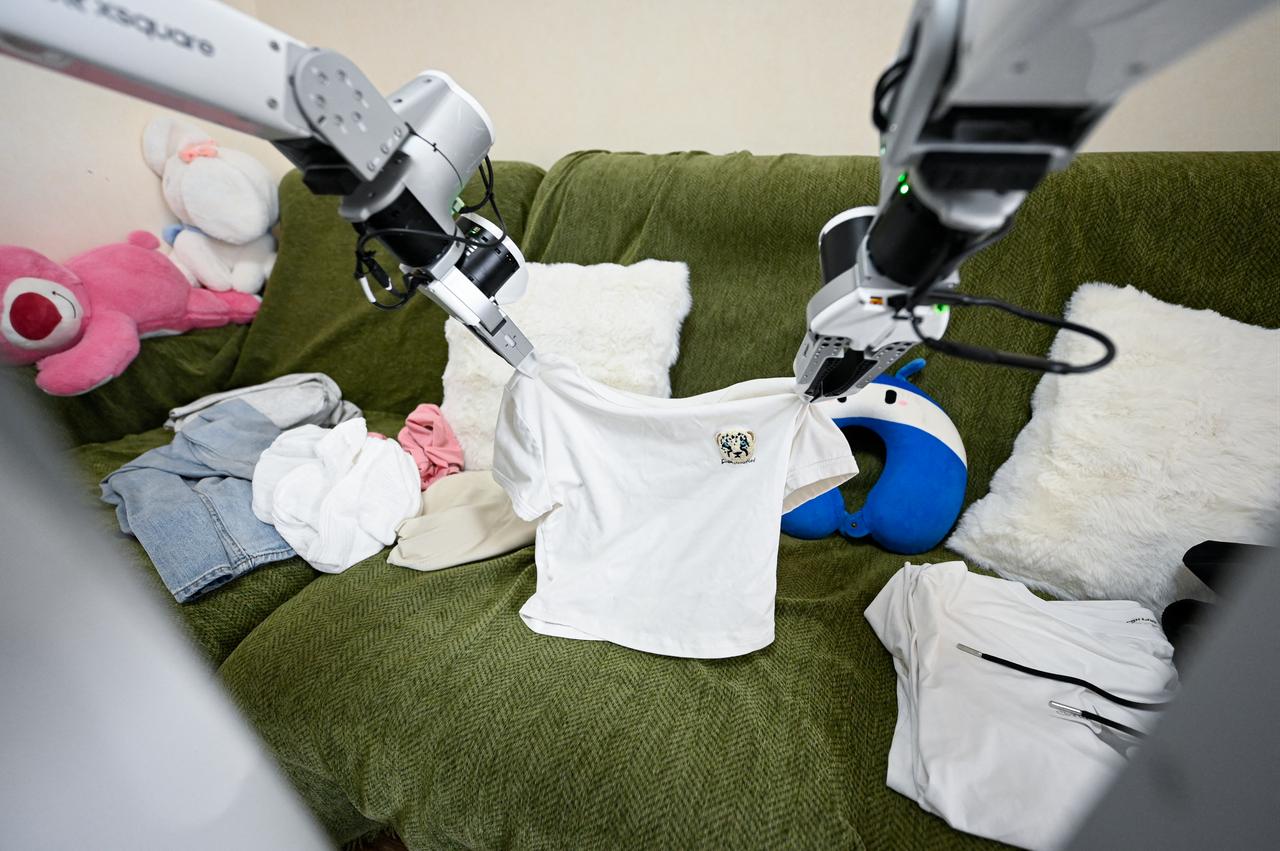

Artificial intelligence is helping the field progress, especially in making robots more skillful with their hands. Robots can now grip objects accurately, and some sensors can even tell when they touch human skin. Many of these improvements come from a new type of AI called a vision-language-action (VLA) model. This model combines written instructions with live camera input, so the robot can match what it sees to what it needs to do.
A similar idea, called the "world model," trains AI on lots of images and videos so it can predict physical outcomes, such as how an object changes when squeezed. William Okazaki from sensor maker Renesas said AI has "extremely accelerated" progress in this area.
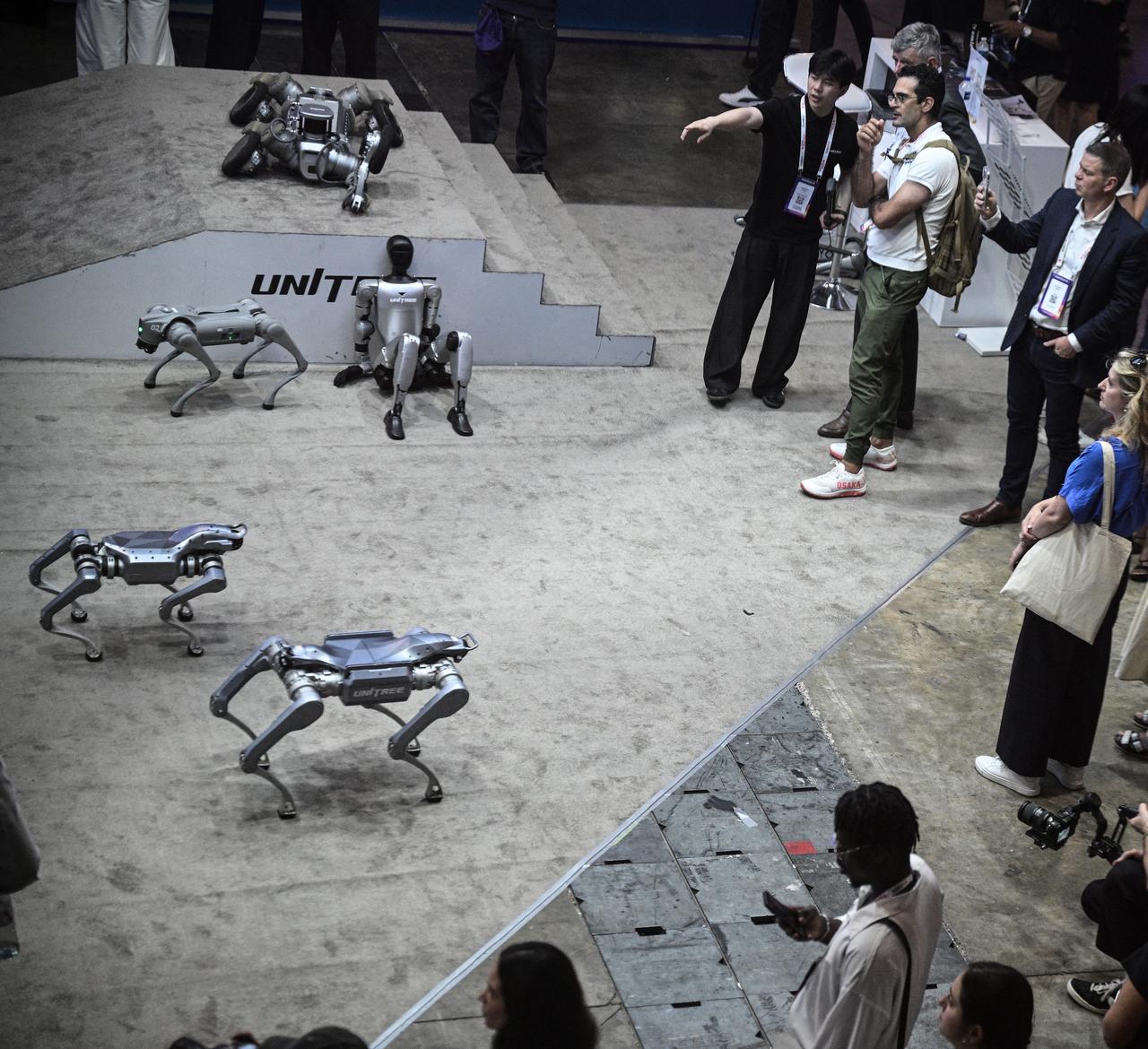
Still, robots that can work fully on their own at a large scale are not here yet. "For general-purpose robots, it will take longer," said Daniel Fan of Innodisk, a company that makes components.
The main challenge is the lack of data. "Running fully on their own, at scale, is not yet possible, because there is not enough data," said Xinrui Bi of AgiBot. To solve this, companies are putting cameras in many places, from home kitchens to textile workshops in India, to record how people move and use that information to train robots.
Mistakes in robotics can have more serious effects than errors in software. "If you want to move into a more social domain, it really has to be safe for the users around the robot," said Valentino Fagard of Japan's XELA Robotics, a company that focuses on giving robots a sense of touch.
One of the main technical problems is that AI systems can act unpredictably. "The issue with, call it the world model, or the end-to-end VLA, is they're non-deterministic, they're a black box," said John Black of Brain Corp, whose robots are built for specific jobs like cleaning floors and checking shelves. "They're nowhere close to reaching the safety levels required," he added, pointing out that even the people who create these systems cannot always explain their behavior.
Some trials are already happening at big industrial sites. For example, Boston Dynamics' Atlas robot is working at a Hyundai facility, and Hexagon Robotics' AEON is being used at a BMW plant. However, engineers say these are still experiments, not final products. "Until you actually get the robot actually trying to do the thing you think it can do, you don't really know," said Charlie Kemp of Hello Robot.


 Set as preferred source
 Set as preferred source


 2 min read


 1 min read


