Newsletters


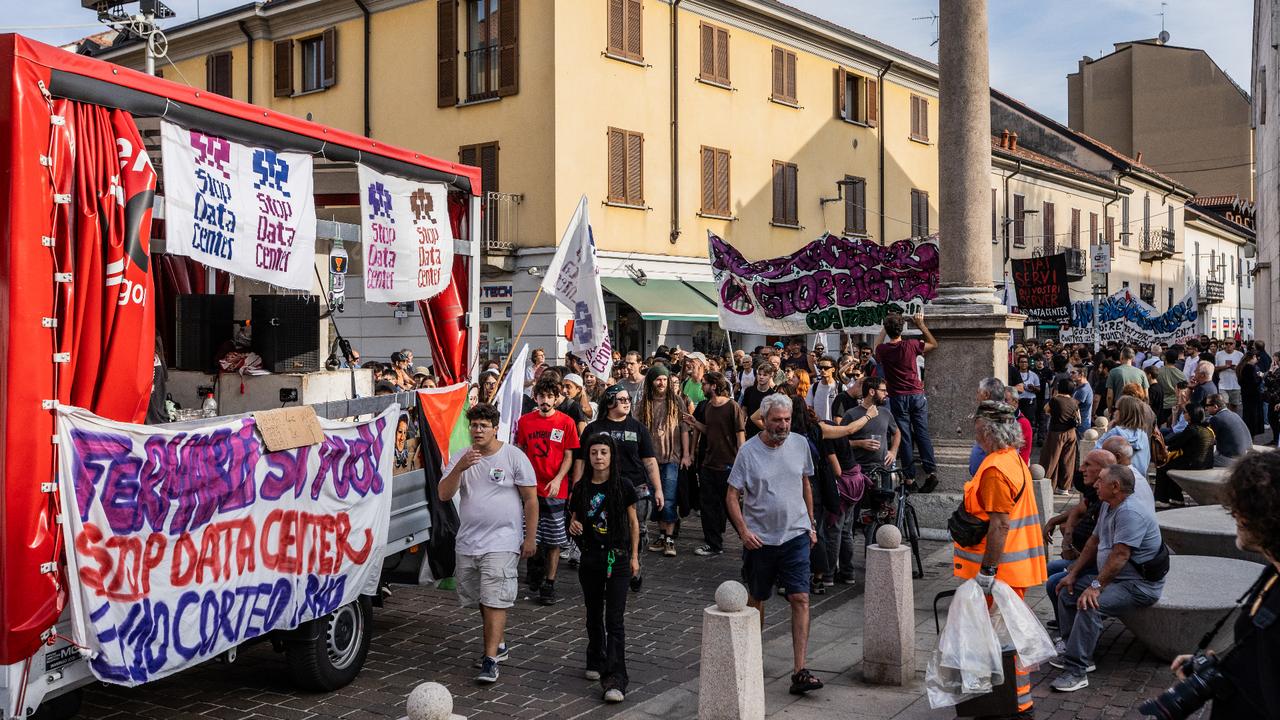
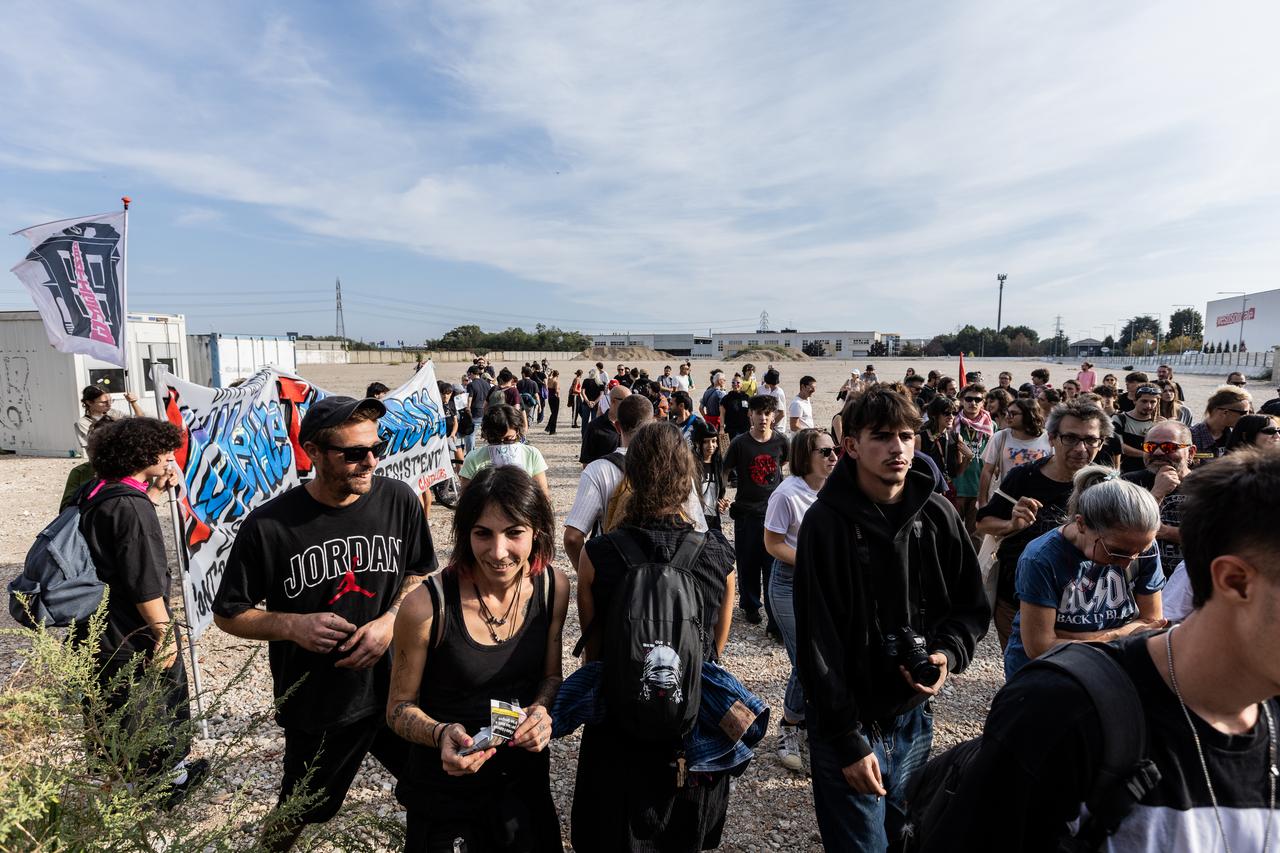
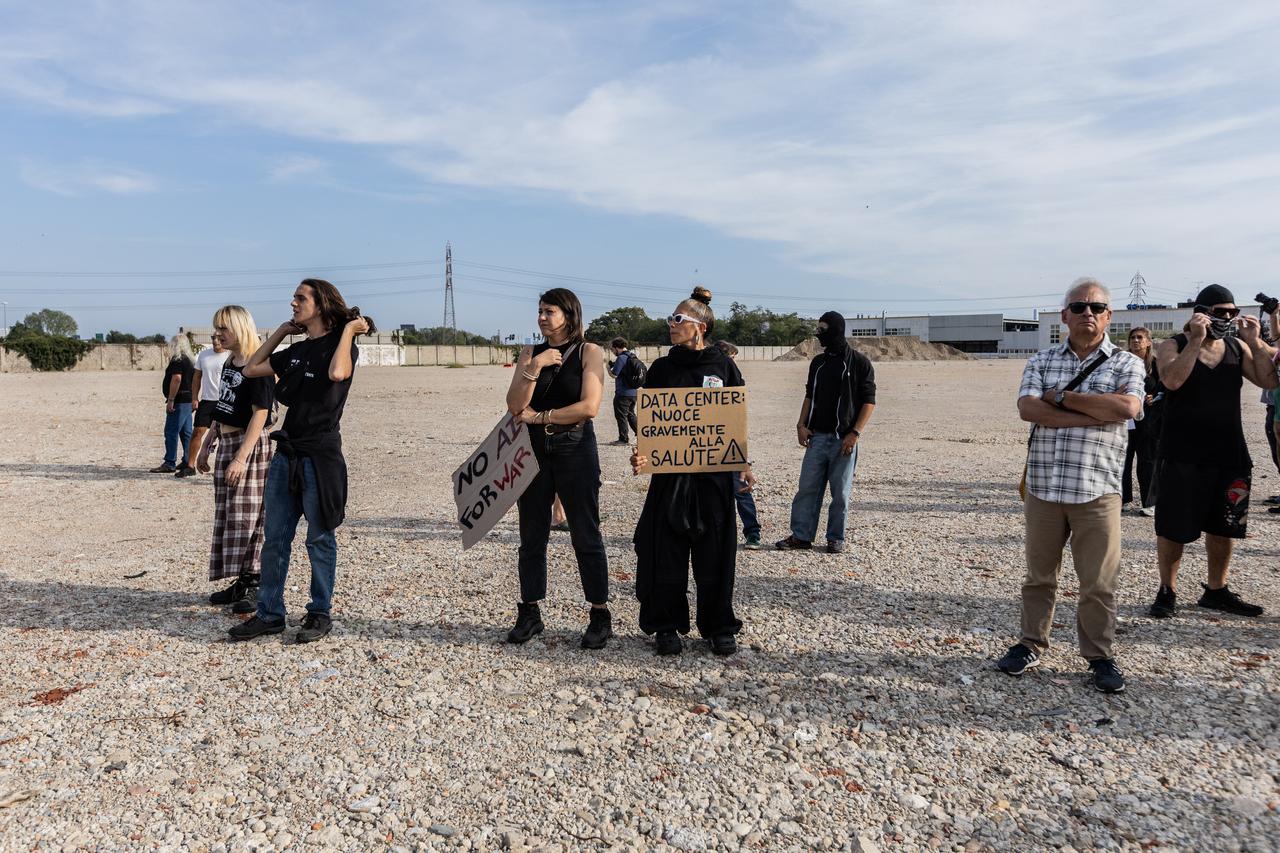
Over 600 people march through Rho, a town northwest of Milan, on Oct. 3 against three data centers planned there, according to local outlets.
Organizers say the projects are concentrated in about three square kilometers (1.2 square miles) and call for a moratorium on new authorizations.

Milan has become a major hub for data centers as cloud and artificial intelligence demand grows.
The Data Center Observatory of Politecnico di Milano says the metropolitan area holds 68 percent of Italy's installed data center power, or 414 megawatts. Italian data centers used about 5.8 terawatt-hours in 2024, equal to 1.9 percent of national electricity.
Lombardy adopted Regional Law 11/2026 this year, described as Italy's first regional framework for data center approvals.
It brings electricity demand, water use, land consumption and heat recovery into one planning regime.
Local committees ask for the same cumulative approach when assessing neighboring projects, rather than one project at a time.
Rho is a town in the Milan metropolitan area in Lombardy, northern Italy, about 12.6 kilometers (7.8 miles) by rail from Milano Centrale station.
The Fiera Milano trade fair complex stands on its border with Pero, and its territory hosted Expo 2015. Rifondazione Comunista Rho cites those projects when it says the town has already absorbed major transformations.
An aerial view shows the area of roughly three square kilometers (1.2 square miles) where three data center projects are planned in Rho, according to protest organizers.
The sites are identified via Buonarroti, via Moscova and via della Mosa. Activists count eight to about 10 projects across the wider Rhodense area northwest of Milan.
The via Buonarroti project lies on the former Cam Petroli industrial site on the border between Rho and Pero.
Rifondazione Comunista Rho says the national government placed it under an extraordinary approval procedure.
For the via Moscova and via della Mosa projects, the group says the municipality keeps full urban planning responsibility.
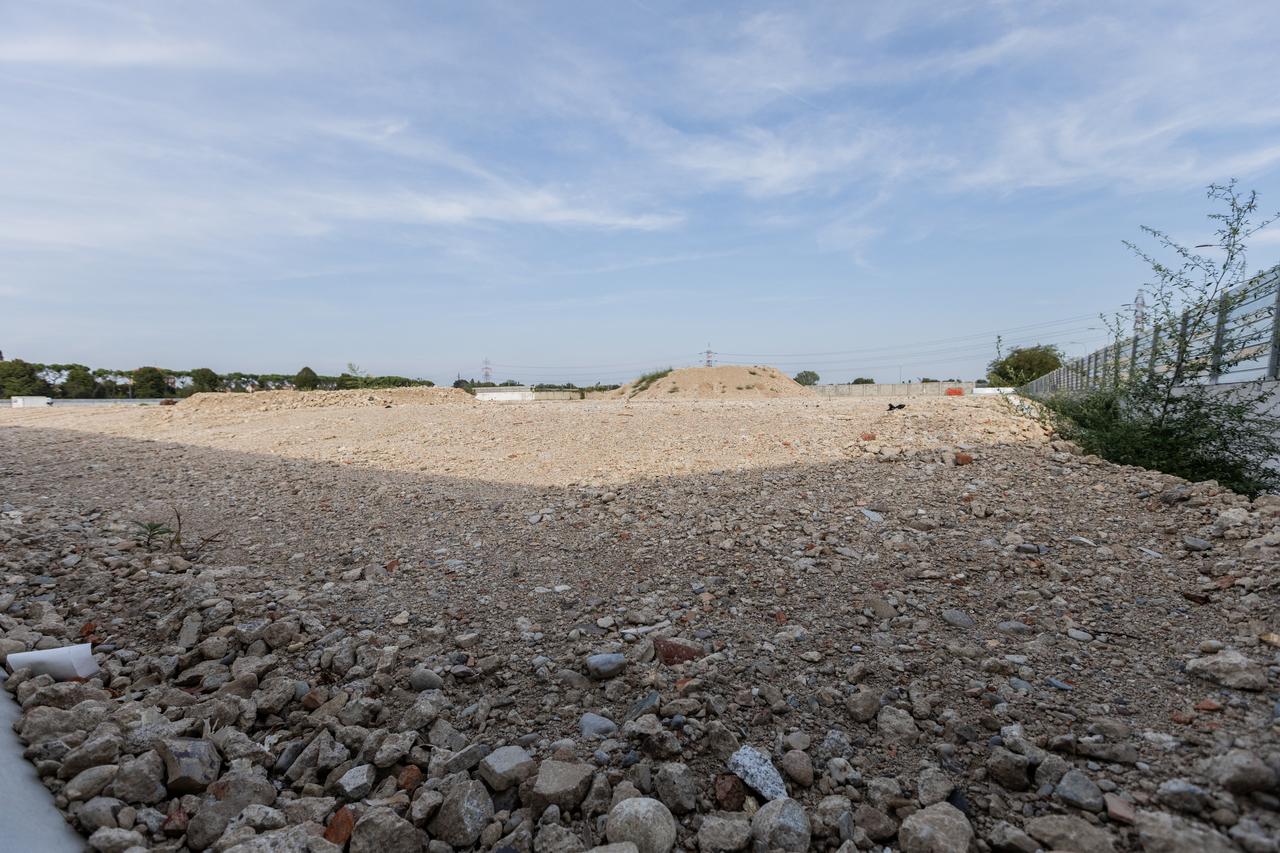
The via Moscova project sits on the former Nilit and Radici factory site. Rho's municipal executive adopted the implementation plan on Aug. 6 for a two-story building of up to 25,000 square meters (about 269,000 square feet) and 18 meters (59 feet) in height.
The Ministry of Economy classifies it as strategic. Goodman Olimpia Logistics Italy would build and operate it.

Rho Mayor Orlandi says the town amended its planning rules to limit data center heights and add safeguards, and promises transparency and access to documents.
He criticizes the regional approach of treating data centers like other productive activities.
The Via Moscova plan is expected to generate compensation funds for public services, green areas, and reforestation, according to the municipality.

The march began at 2.30 p.m. at Rho railway station and passed through the San Michele-San Martino district. Il Giorno reports more than 600 participants, while another outlet reports thousands.
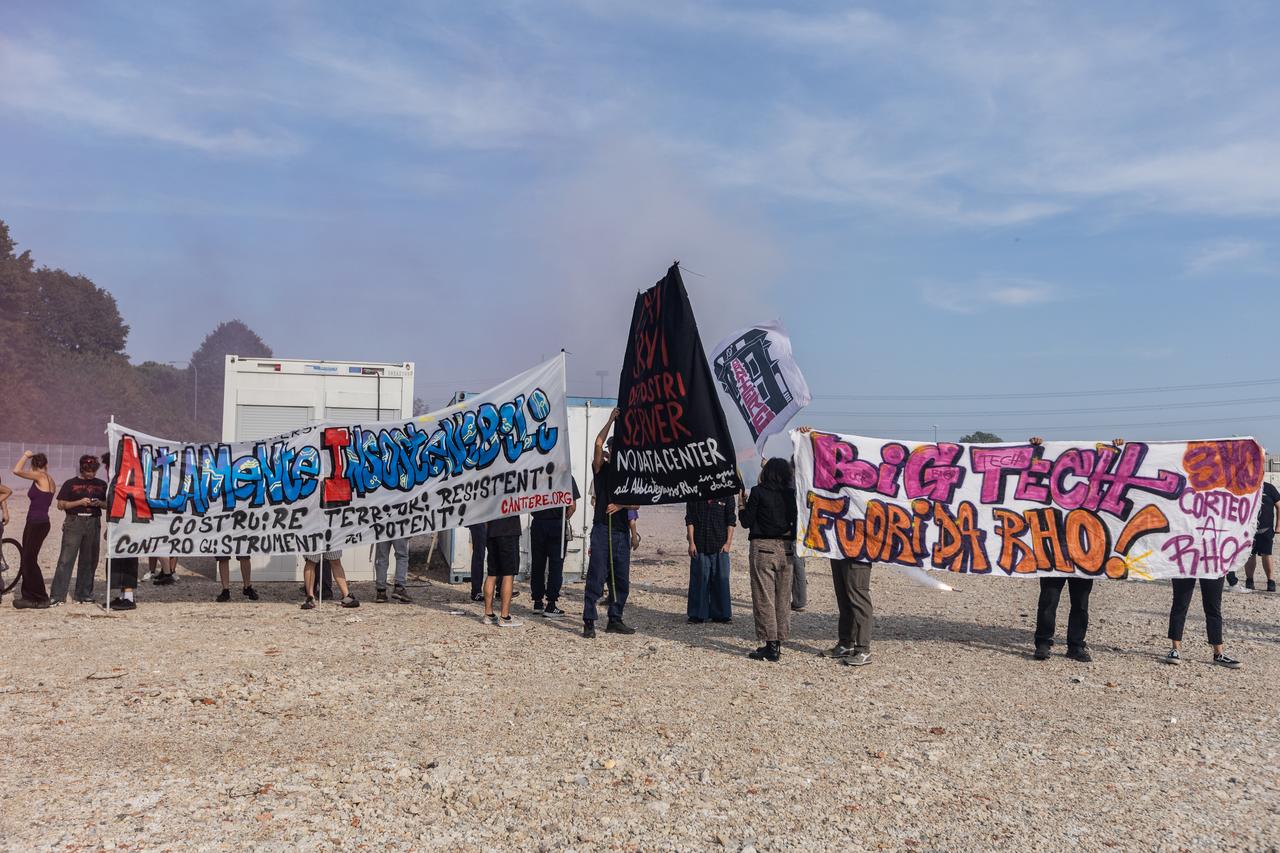
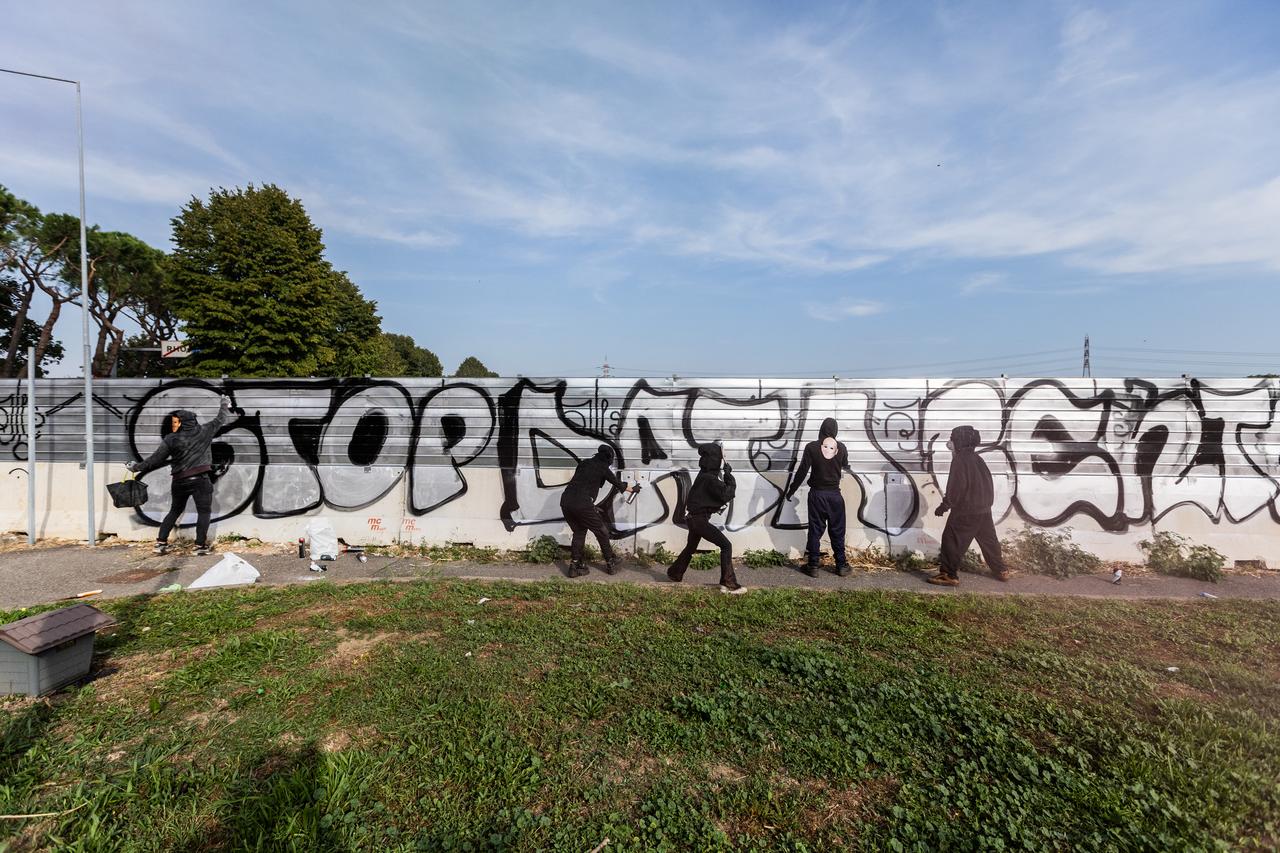
Groups including Sos Fornace and Legambiente took part. At via Moscova, activists painted a slogan on a construction wall and symbolically entered the site with flares and banners.
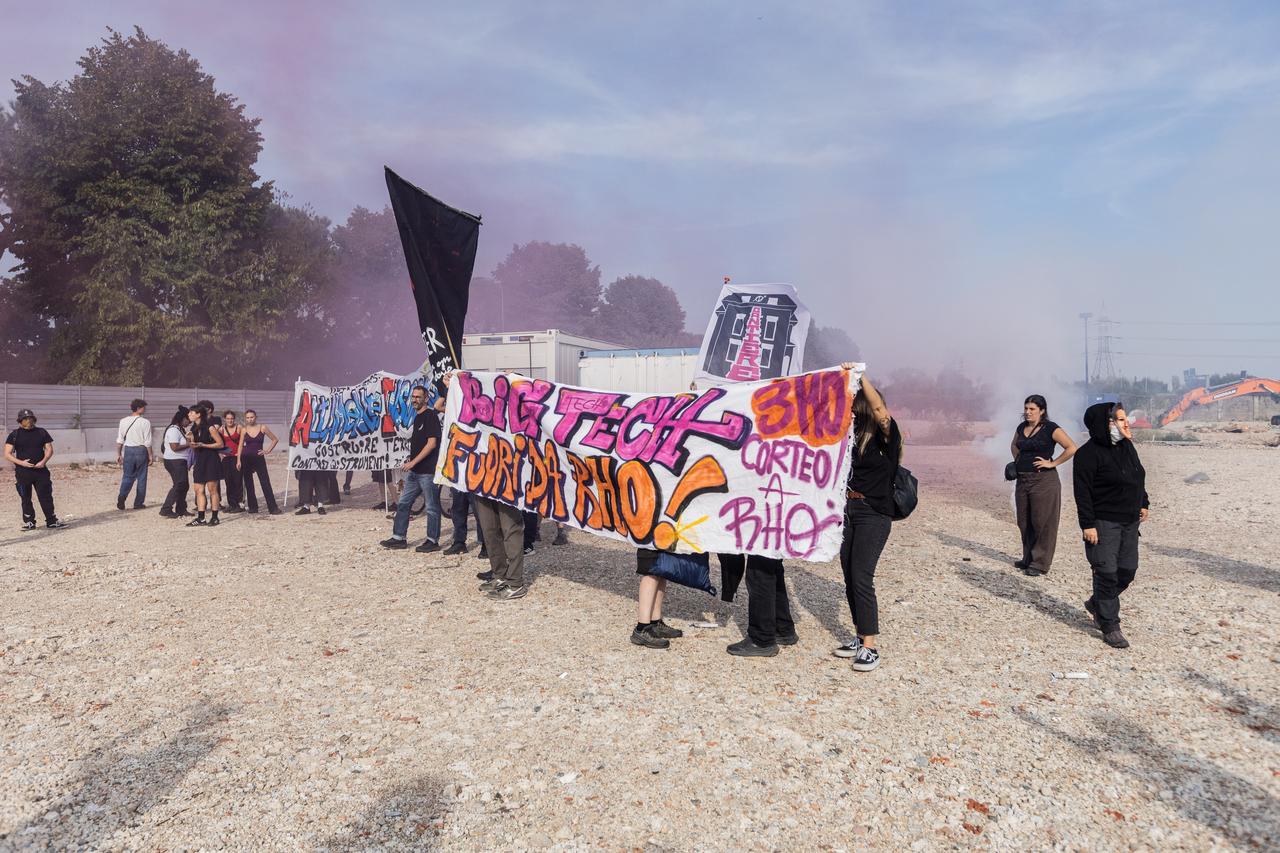
Organizers demand an immediate moratorium on new authorizations, a halt to current projects starting with the former Nilit site, and a cumulative strategic environmental assessment.
Their slogan calls for stopping the data centers in Rho to stop them everywhere. The municipality convenes a public assembly on Oct. 5 at 9 p.m., and a petition against the via Moscova project continues.
 3 min read


 Set as preferred source