Newsletters




Hungary announced a five-year natural gas supply agreement with American energy giant Chevron on Tuesday, marking an expansion of Western energy sources even as the country maintains its position as Russia's closest ally in the European Union and shows no signs of ending its dependence on Moscow for fossil fuels.
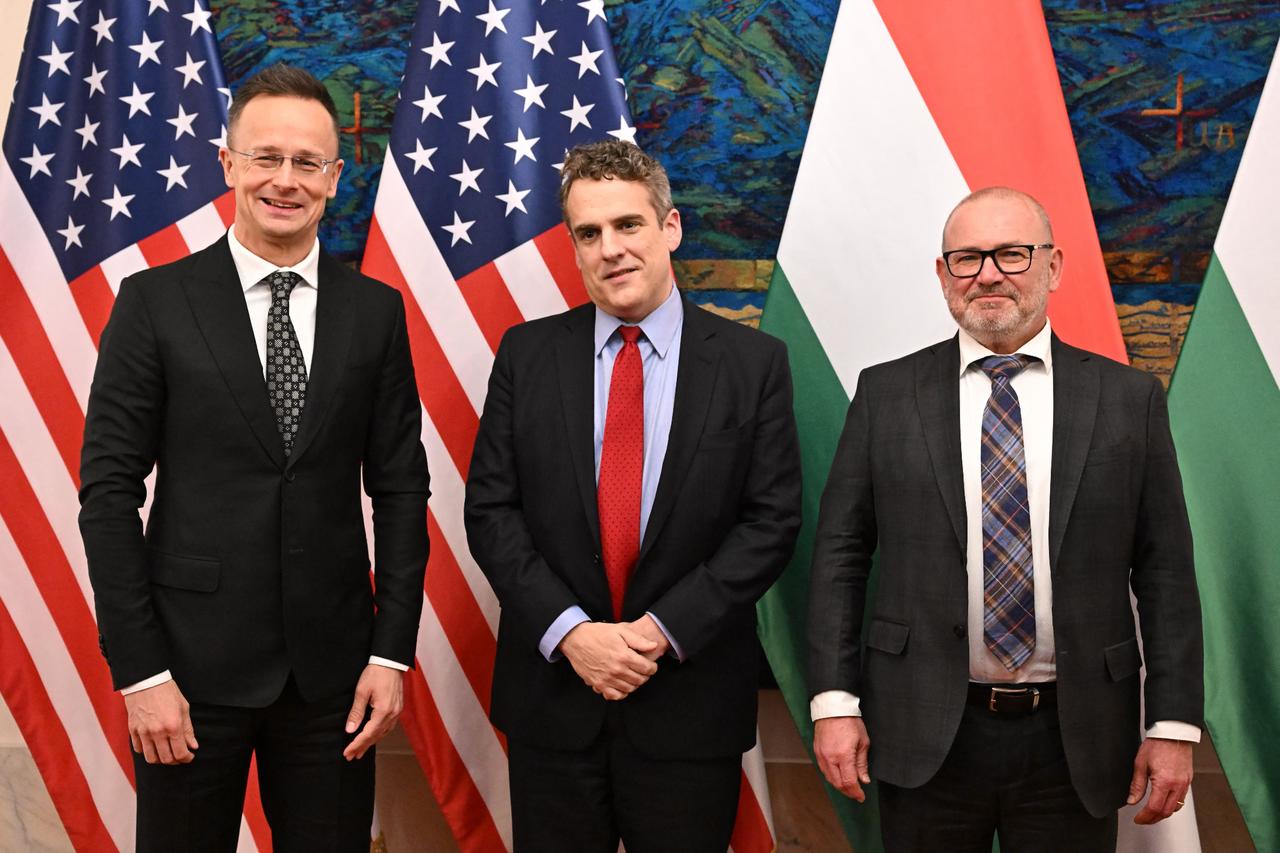
The contract between Chevron and Hungary's state-owned electricity company MVM will deliver 400 million cubic meters of liquefied natural gas annually over five years, Foreign Minister Peter Szijjarto said during a media briefing attended by US Deputy Energy Secretary James Danly. The minister characterized the agreement as part of a "golden age" of cooperation between the two NATO member states.
However, the deal represents only a fraction of Hungary's gas consumption. The central European nation of 9.5 million people used approximately 8.5 billion cubic meters of natural gas last year, with Russian supplies accounting for the overwhelming majority.
MVM has signed multiple contracts with Western and regional suppliers in recent months, including agreements with British energy company Shell, France's Engie, and Azerbaijan's SOCAR. Combined with the Chevron arrangement, these deals would enable Hungary to import 1.4 billion cubic meters of gas annually from non-Russian sources.
Yet these diversification efforts pale in comparison to Hungary's existing commitments to Moscow. A 15-year supply contract with Russian state energy giant Gazprom guarantees Hungary up to 4.5 billion cubic meters of gas annually through 2036. The country has also entered into additional supply agreements with Russia in recent years.
Szijjarto previously disclosed that seven billion cubic meters of Russian gas had reached Hungary through the end of November, underscoring the nation's continued heavy reliance on Russian energy infrastructure.


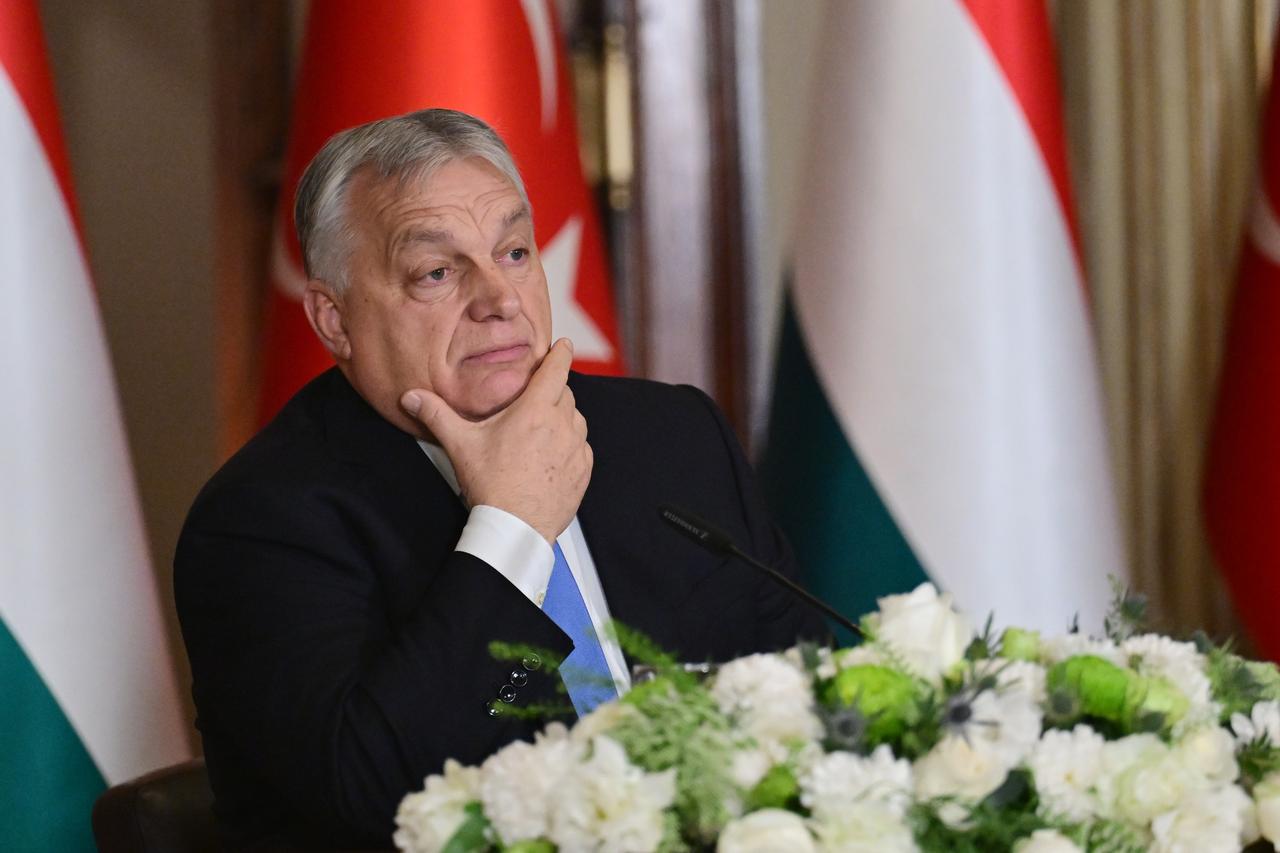
Hungary has resisted sustained pressure from both the European Union and the United States to reduce its energy dependence on Russia following Moscow's February 2022 invasion of Ukraine. Prime Minister Viktor Orban has positioned his government as the Kremlin's most reliable partner within the 27-member bloc, consistently opposing sanctions and aid packages for Ukraine.
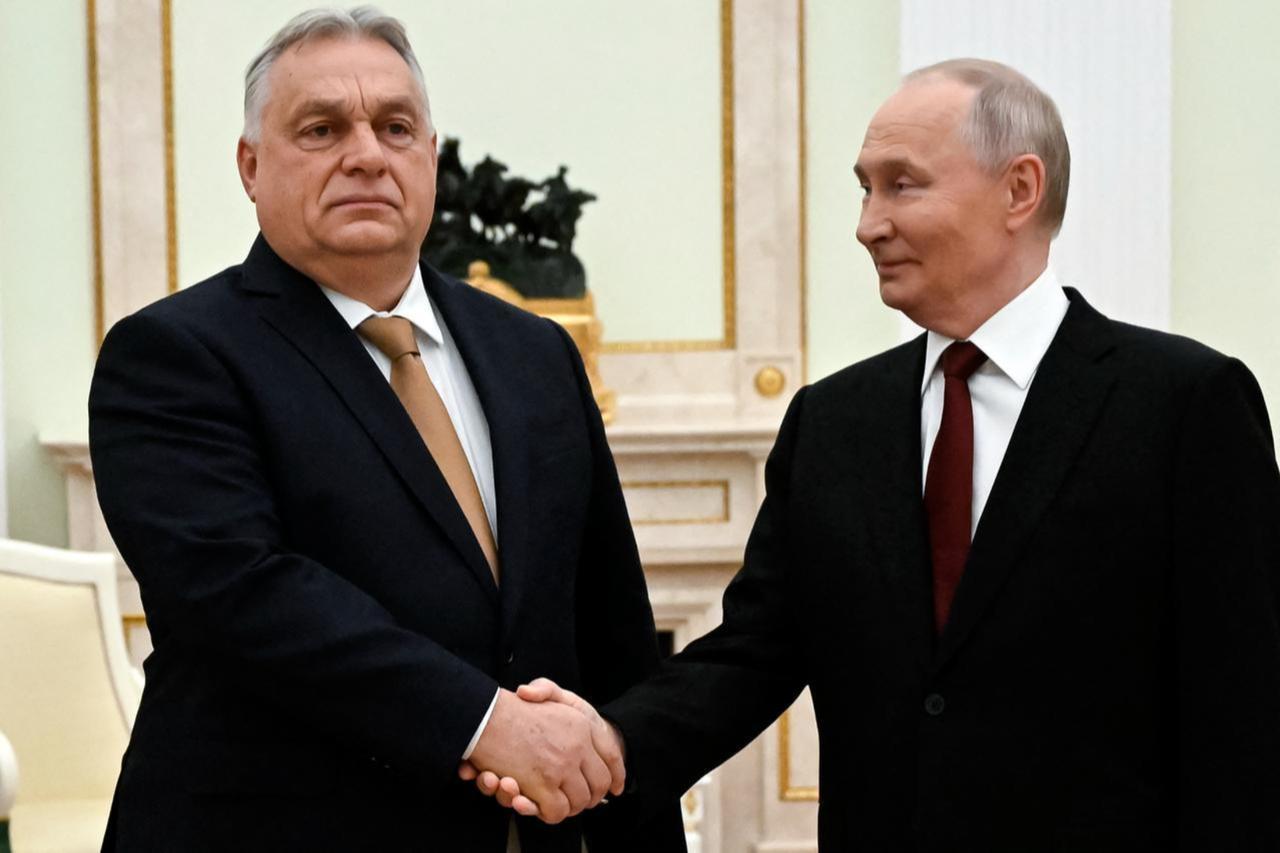
Last month, Orban pledged to continue importing Russian hydrocarbons during a meeting with President Vladimir Putin, directly contradicting an EU initiative to ban all Russian gas imports by the end of 2027. The Hungarian leader has argued that his country's geographic position and existing energy infrastructure make Russian supplies indispensable for national energy security.


 Set as preferred source
 Set as preferred source


 1 min read
 1 min read