Newsletters


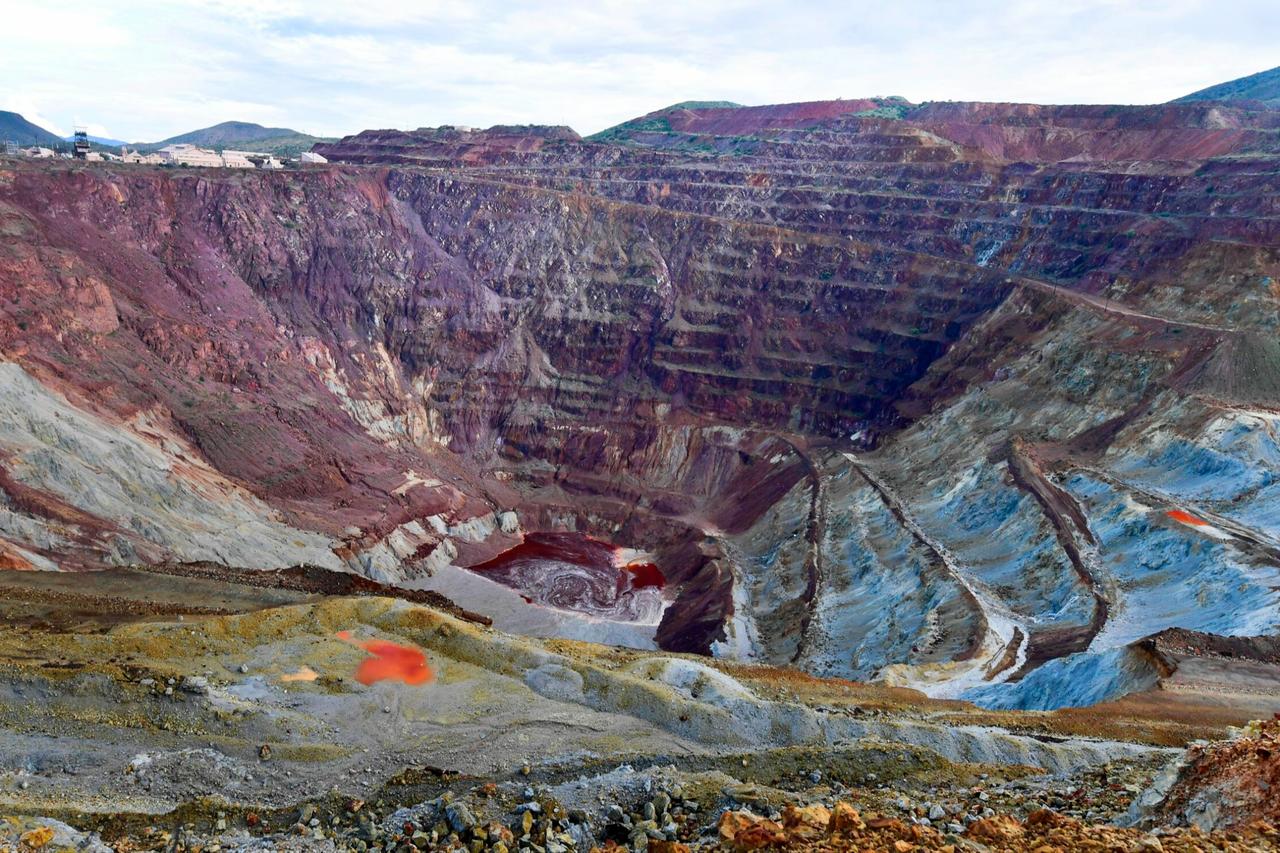


International Energy Agency (IEA) President Fatih Birol warned that growing dependence on a single country for critical minerals poses serious risks to energy security and could lead to significant tensions between countries in 2026.
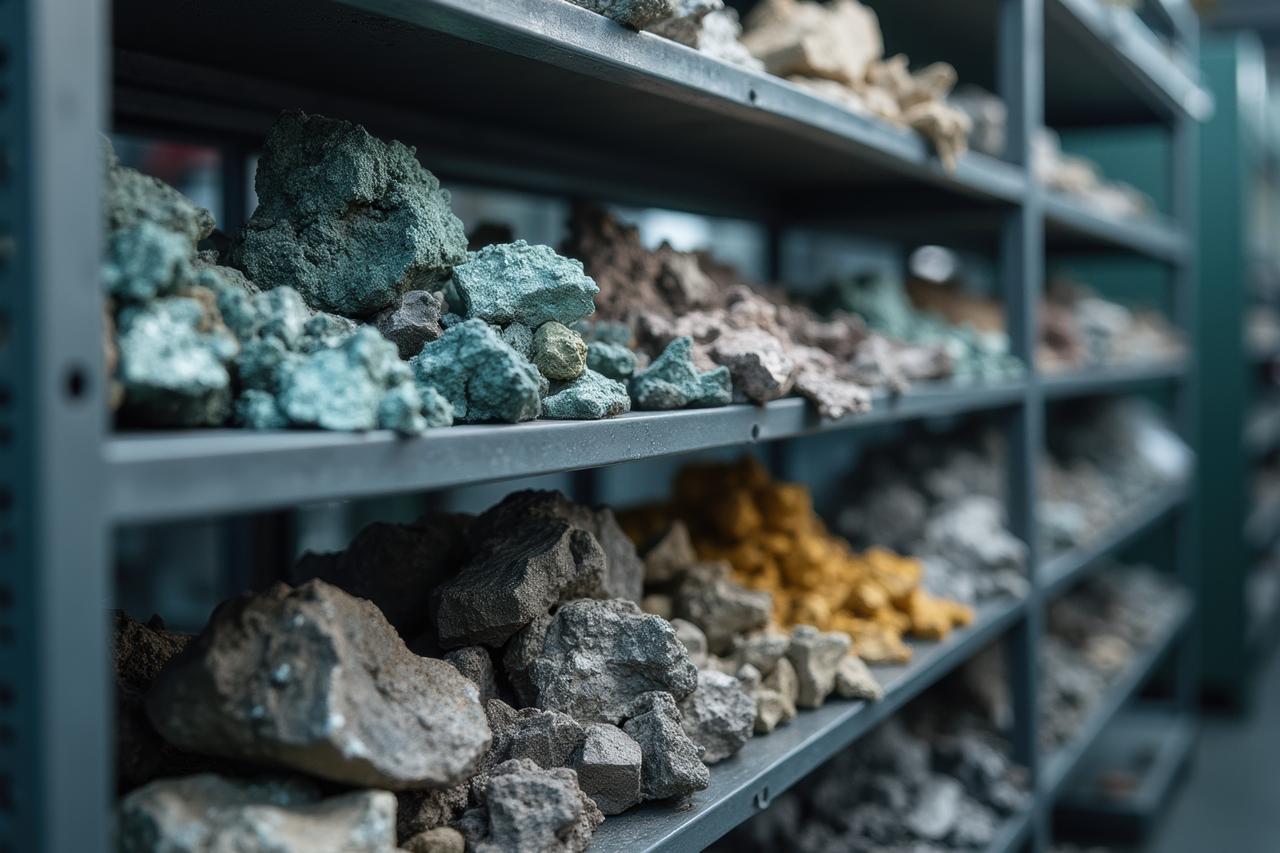
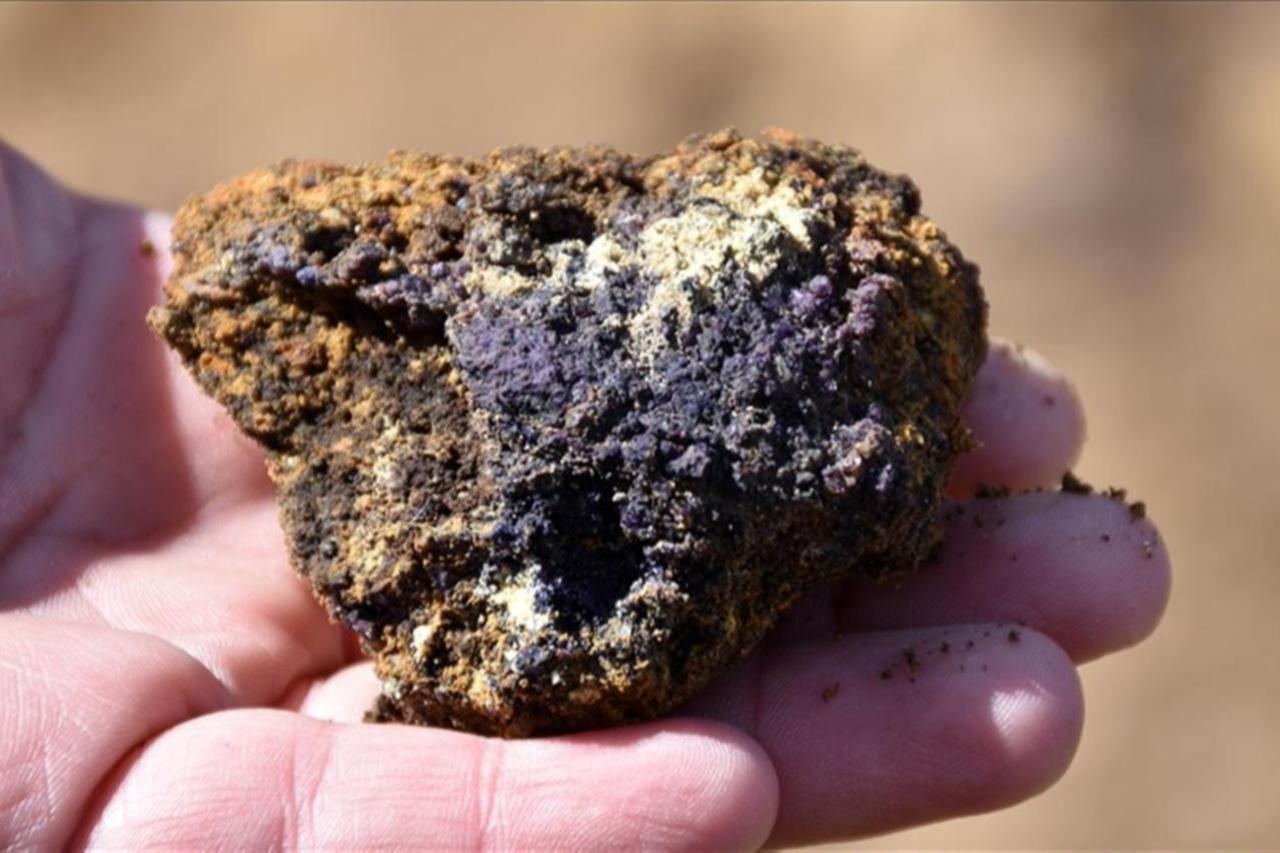
Speaking to Anadolu Agency (AA) in Istanbul, Birol said critical minerals are used across nearly all sectors of today’s economy and warned of potential problems in supplies of copper, zinc, magnesium, and other key materials.
He said geopolitical factors have increasingly shaped global energy markets, making 2025 a difficult year for the sector.
Birol noted that in critical minerals, one country holds a dominant share of around 70–80%, calling reliance on a single supplier a major vulnerability.
He said diversification is the “number one golden rule” of energy security, stressing the need to source oil, natural gas, critical minerals and nuclear fuel from multiple countries to reduce risks.
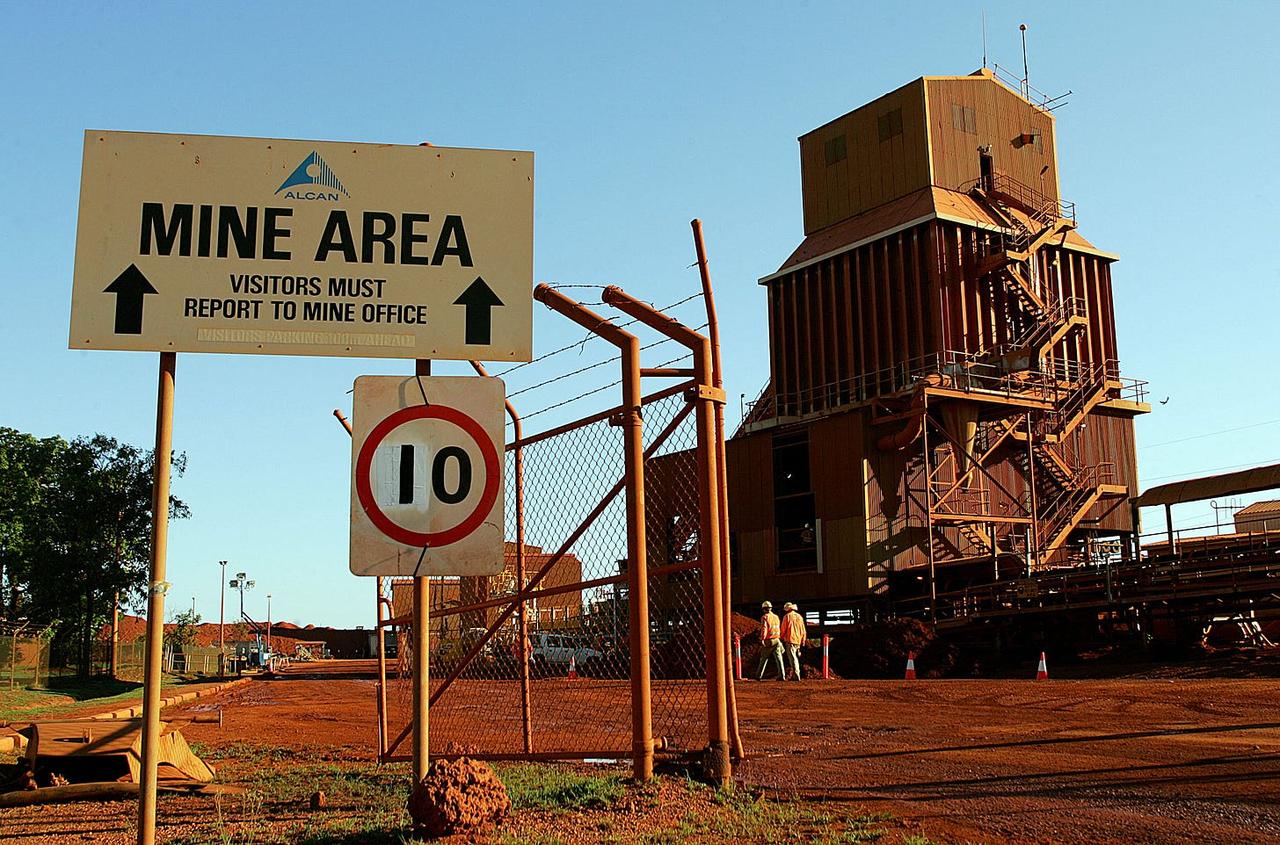

Birol said Türkiye holds reserves of some critical minerals and could play a role not only in extraction but also in refining, citing the country’s experience in other industrial sectors.
He described global efforts to diversify supply chains away from China as an opportunity for Türkiye.
He also pointed to expectations of an oversupplied liquefied natural gas (LNG) market by the end of 2025, with falling prices and around 300 billion cubic meters of fresh supply expected over the next five years.
Birol said this shift from a seller’s market to a buyer’s market would strengthen importing countries such as Türkiye.
Birol said record levels of solar and wind capacity were added globally last year, but grid bottlenecks prevented much of that capacity from coming online.
He stressed that rapid investment in electricity transmission and distribution networks is one of the most critical challenges of the global energy transition.
Commenting on Türkiye’s planned role in hosting the U.N. climate conference COP31 in 2026 together with Australia, Birol said the summit would provide Türkiye an opportunity to highlight its role as a bridge between regions and to amplify the clean energy financing concerns of developing countries, particularly in Africa.


 Set as preferred source
 Set as preferred source


 1 min read
 1 min read