Newsletters


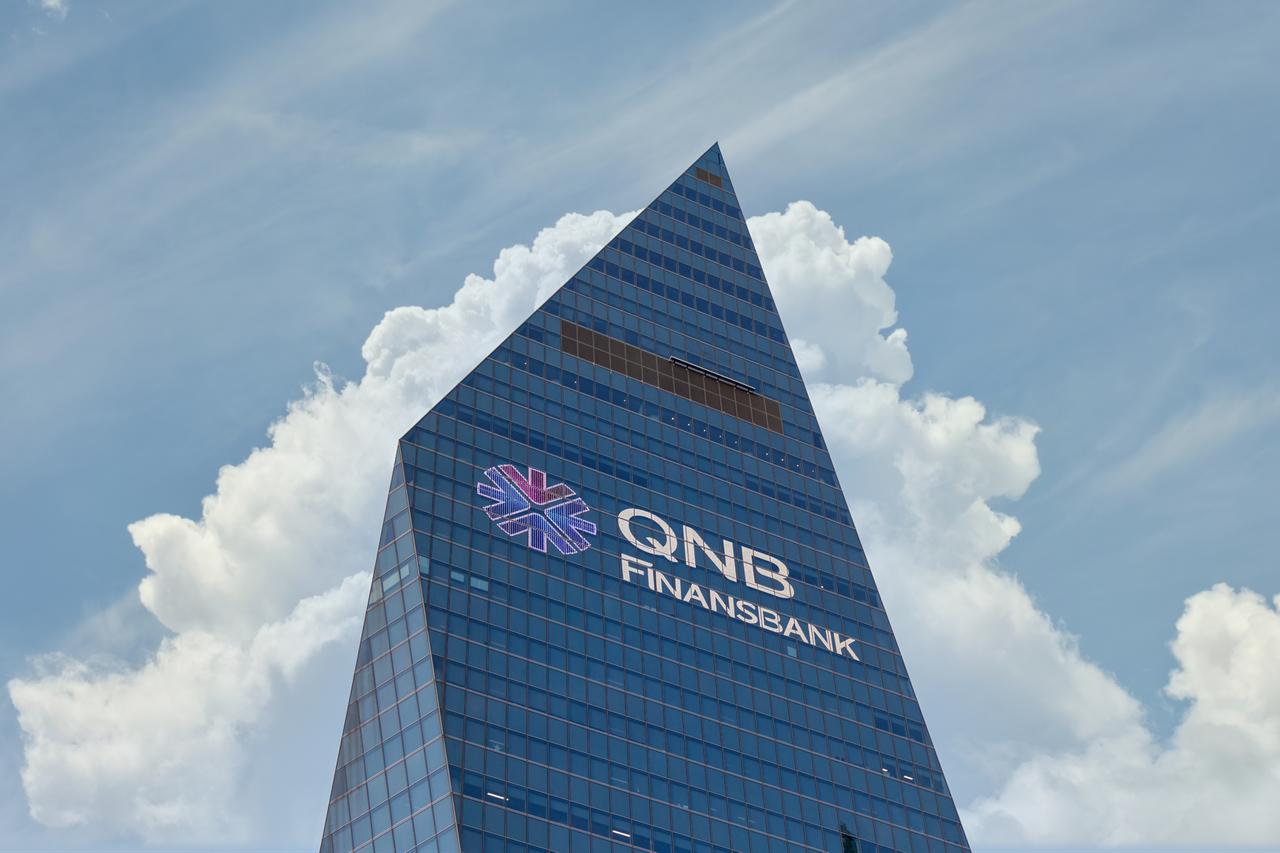


Istanbul-based bank QNB Türkiye has completed a $100 million Climate Transition Bond issuance in collaboration with the International Finance Corporation (IFC), representing the first such transaction globally aligned with the International Capital Market Association’s (ICMA) Climate Transition Finance Handbook, published in November 2025.
The transaction is also IFC’s first climate transition bond investment globally and is expected to accelerate decarbonization in carbon-intensive sectors in Türkiye by supporting projects that help industries shift toward lower-carbon production models.
The $100 million, five-year bond falls under the category of transition finance, a model that differs from traditional green finance by focusing on supporting emissions-reducing projects within high-carbon sectors, rather than funding exclusively green initiatives.
Transition finance is seen as a strategic bridge for sectors such as cement, steel, and power generation, which are typically excluded from green bond financing due to their current emissions levels. By channeling funds toward clean technology and efficiency upgrades, such instruments aim to deliver measurable climate benefits while maintaining industrial productivity.
The bank had previously launched Türkiye’s first blue bond and has now followed up with the first globally aligned climate transition bond under ICMA’s latest framework.
The ICMA handbook provides a standardized approach for structuring and verifying financial instruments that support companies transitioning toward a low-carbon economy. By complying fully with these criteria, the QNB–IFC transaction is positioned as a benchmark for emerging markets.

Omur Tan, CEO of QNB Türkiye, emphasized the bank’s active role in supporting the shift toward a low-carbon economy, stressing that the bond proceeds would directly fund projects enabling carbon-intensive sectors to reduce emissions and transition to more sustainable production.
"IFC’s decision to make its first investment through this structure demonstrates strong confidence in Türkiye’s transformation potential," he said. "Innovative structures like the Climate Transition Bond are helping turn our net zero target into tangible investments."
Speaking on behalf of IFC, Momina Aijazuddin, Regional Industry Director for Financial Institutions in the Middle East and Central Asia, stated that IFC aims to mobilize private capital toward credible and science-based decarbonization strategies in emerging markets. She noted that this transaction could help fast-track Türkiye’s path to its 2053 net-zero target.
"This groundbreaking investment proves the necessity of involving sectors like manufacturing—critical for improving energy efficiency and creating employment—in the broader economic transformation."
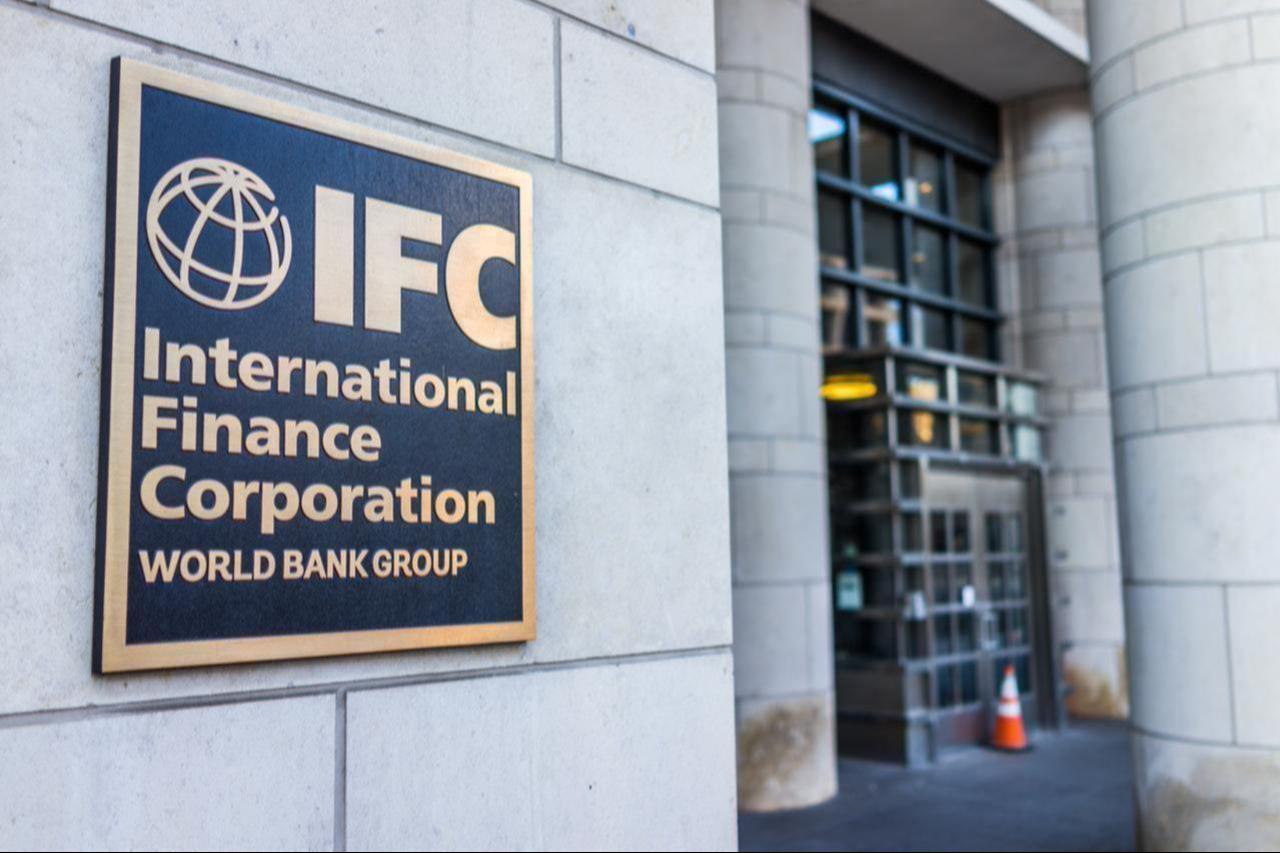
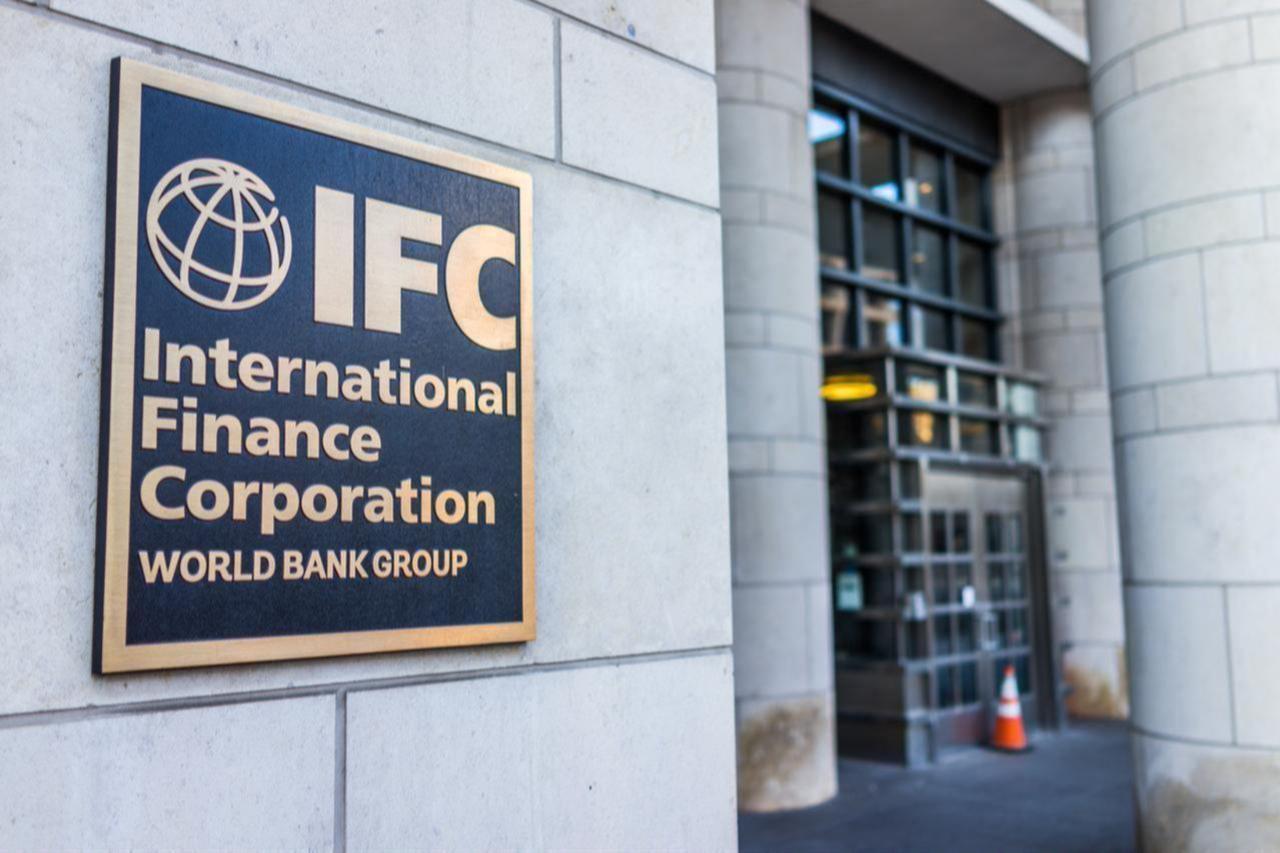
As the World Bank’s private sector arm, the International Finance Corporation (IFC) remains one of the primary external investors in the Turkish economy, with a portfolio totaling more than $23.5 billion in the past decade, according to the institution.


 Set as preferred source
 Set as preferred source


 1 min read
 1 min read