Newsletters


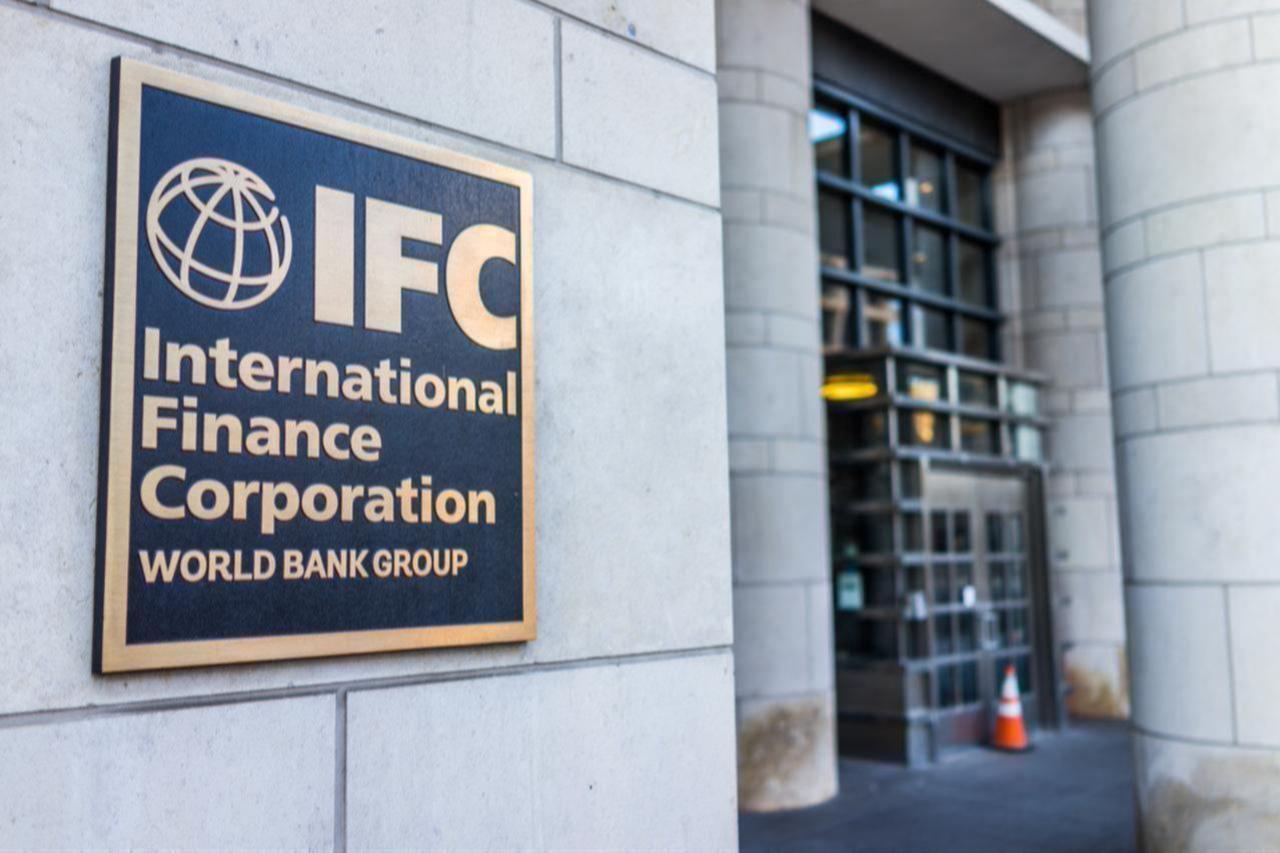


The International Finance Corporation (IFC), the private sector arm of the World Bank, has arranged a €435 million ($510.75 million) financing package for Türkiye-based glass and chemicals manufacturer Sisecam to support its production capacity expansion, debt refinancing, and sustainability goals.
According to the corporation's statement, the financing package was arranged by IFC, with participation from several leading international banks. These include the Industrial and Commercial Bank of China, Emirates NBD Bank, BNP Paribas, HSBC, Bank of Bahrain and Kuwait, ILX, and Standard Chartered.
Beyond the loan package, IFC has also acted as anchor investor in Sisecam UK Plc’s new seven-year, $500 million Eurobond, following Sisecam’s earlier $1.5 billion Eurobond issuance in 2024.
The core focus of the financing is to expand flat and solar glass manufacturing in the southern Turkish provinces of Tarsus and Mersin, including advanced solar glass products that use a unique raw-material mix to improve efficiency in solar energy applications. The initiative aims to meet rising global demand for solar panels while enhancing the energy efficiency of existing operations.
The funds will also help refinance existing debt related to the construction of the new float and solar glass plant in Tarsus and bolster the company’s working capital needs. Structured as an incentive-based loan, the IFC-led financing is tied to environmental, social, and governance (ESG) performance indicators, the corporation said.
The financing was based on a credit agreement disclosed by Sisecam in November. The agreement provides for up to €550 million in long-term financing, with €150 million structured as a seven-year loan including a two-year grace period, and the remainder as a five-year loan, also with a two-year grace period.
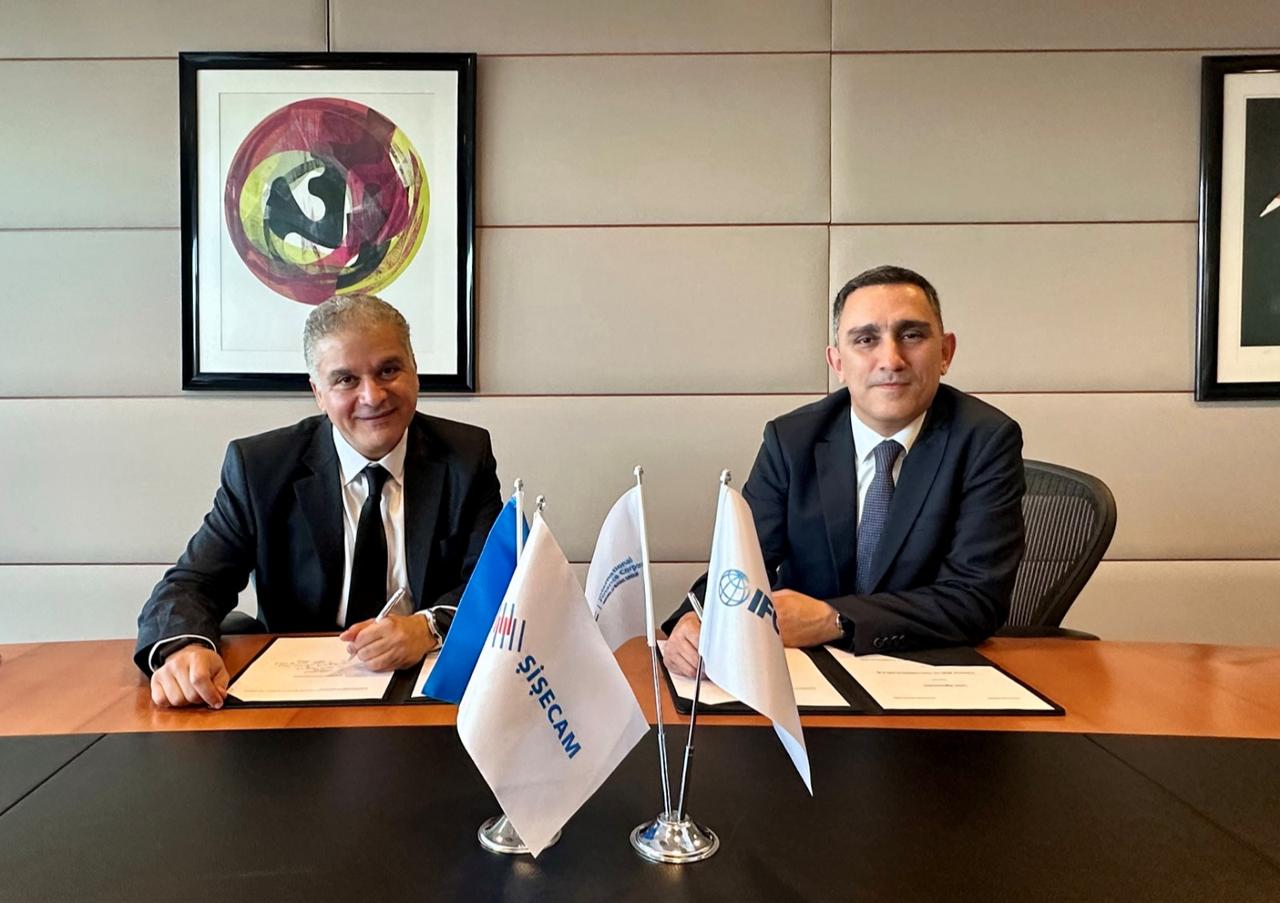

IFC has been a strategic partner to Sisecam since 1970, and the new financing deal reflects more than 50 years of collaboration that have supported the company’s growth, job creation efforts, and innovation agenda both in Türkiye and abroad, said Ashruf Megahed, IFC’s regional industry head for manufacturing, agribusiness and services in the Middle East and Central Asia.
"Our collaboration with Sisecam exemplifies how partnerships with the private sector can shape the future of the industry by enhancing competitiveness and advancing best practices in women’s inclusion and environmental stewardship."
Sisecam CEO Can Yucel said the agreement with IFC not only reflected the confidence that international financial institutions have in Sisecam but also formed an important part of the company’s strategy to strengthen its financial structure. "We will continue to move forward in line with our long-term value creation goals by sustainably supporting our investments in Türkiye," he added.
Founded in 1935, Sisecam is a global producer of glass, soda ash, and chromium compounds, operating 43 production facilities in 12 countries with 22,000 employees, and is majority-owned by Turkish lender Is Bank, which holds a 52% stake.
Operating in over 100 countries, IFC committed a record $71.7 billion to private companies, primarily in developing economies, with its Türkiye portfolio approaching $25 billion in total investments.


 Set as preferred source
 Set as preferred source


 1 min read
 1 min read