Newsletters


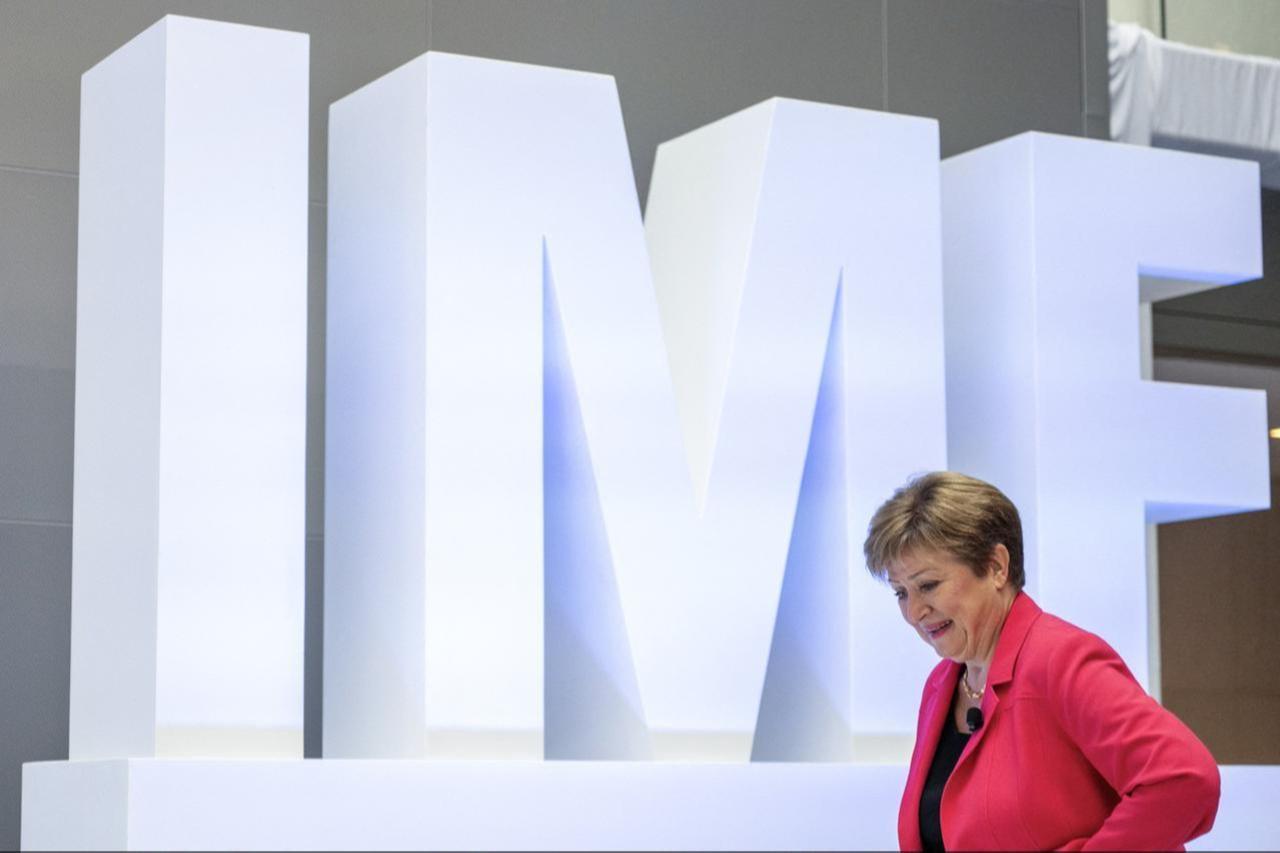


IMF chief Kristalina Georgieva warned Wednesday that prolonged conflict in the Middle East risks triggering a cascade of economic shocks, with soaring energy prices threatening to drive up food costs worldwide and straining public finances in some of the world's most vulnerable economies.
Speaking at a press briefing during the IMF and World Bank's spring meetings in Washington, which drew government and financial leaders to the U.S. capital this week, the fund's managing director called on member countries to seek financial assistance if needed and urged policymakers to resist hasty fiscal responses that could deepen long-term damage.
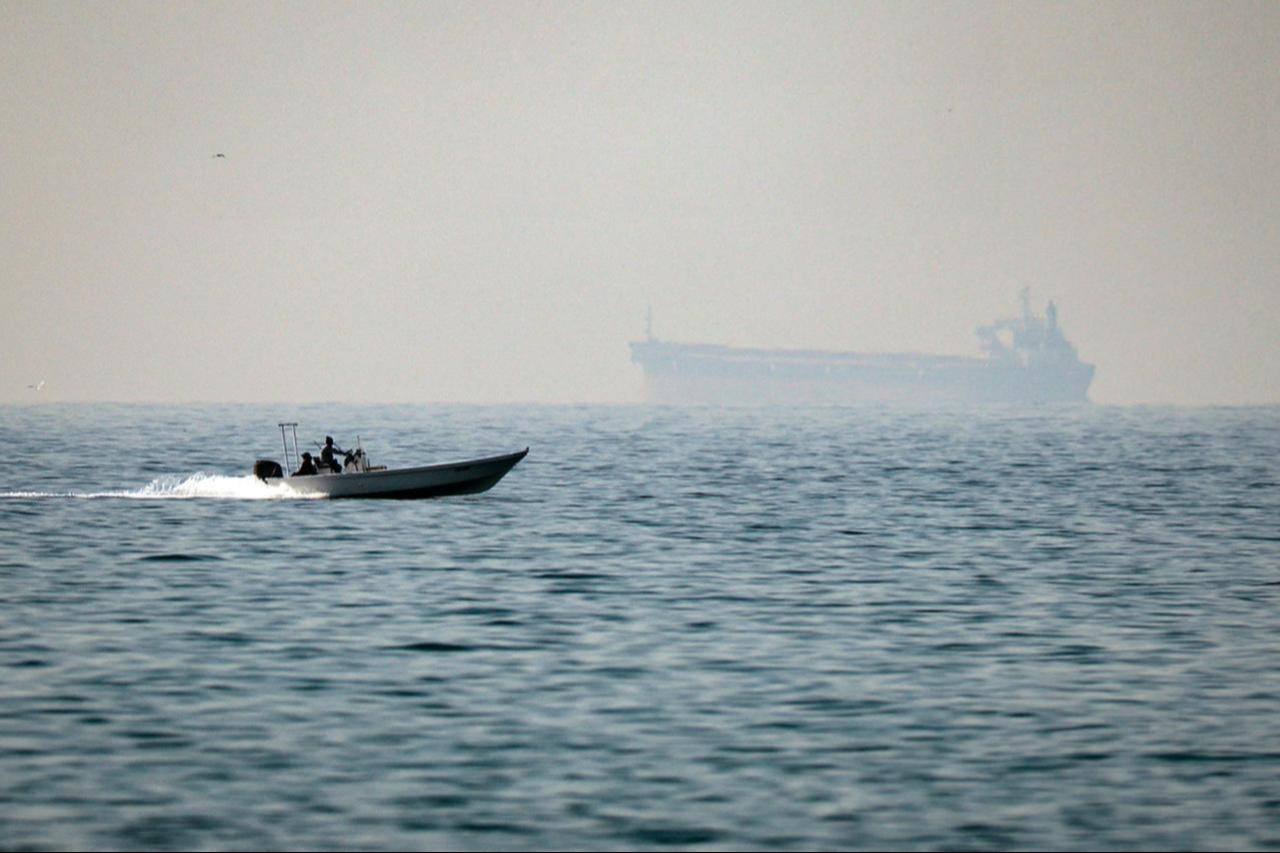

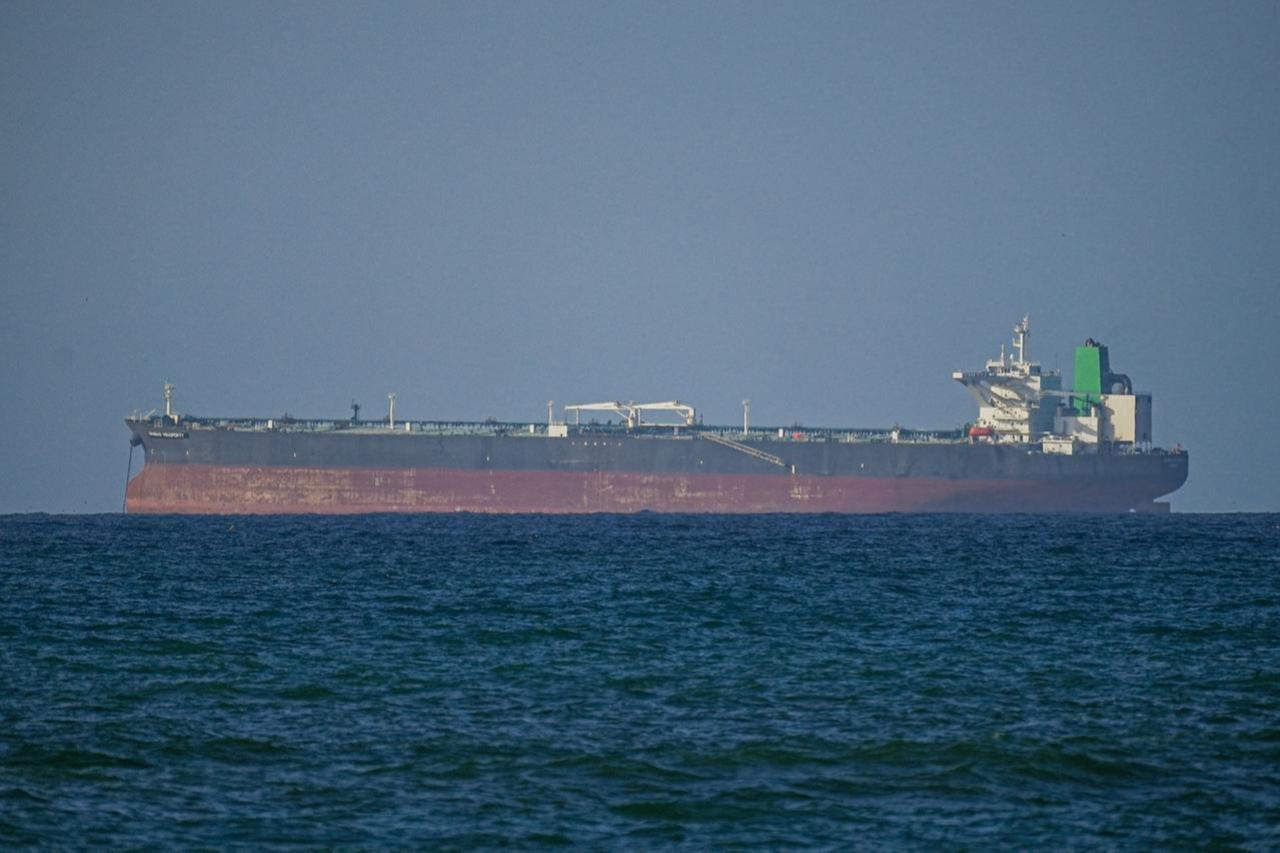
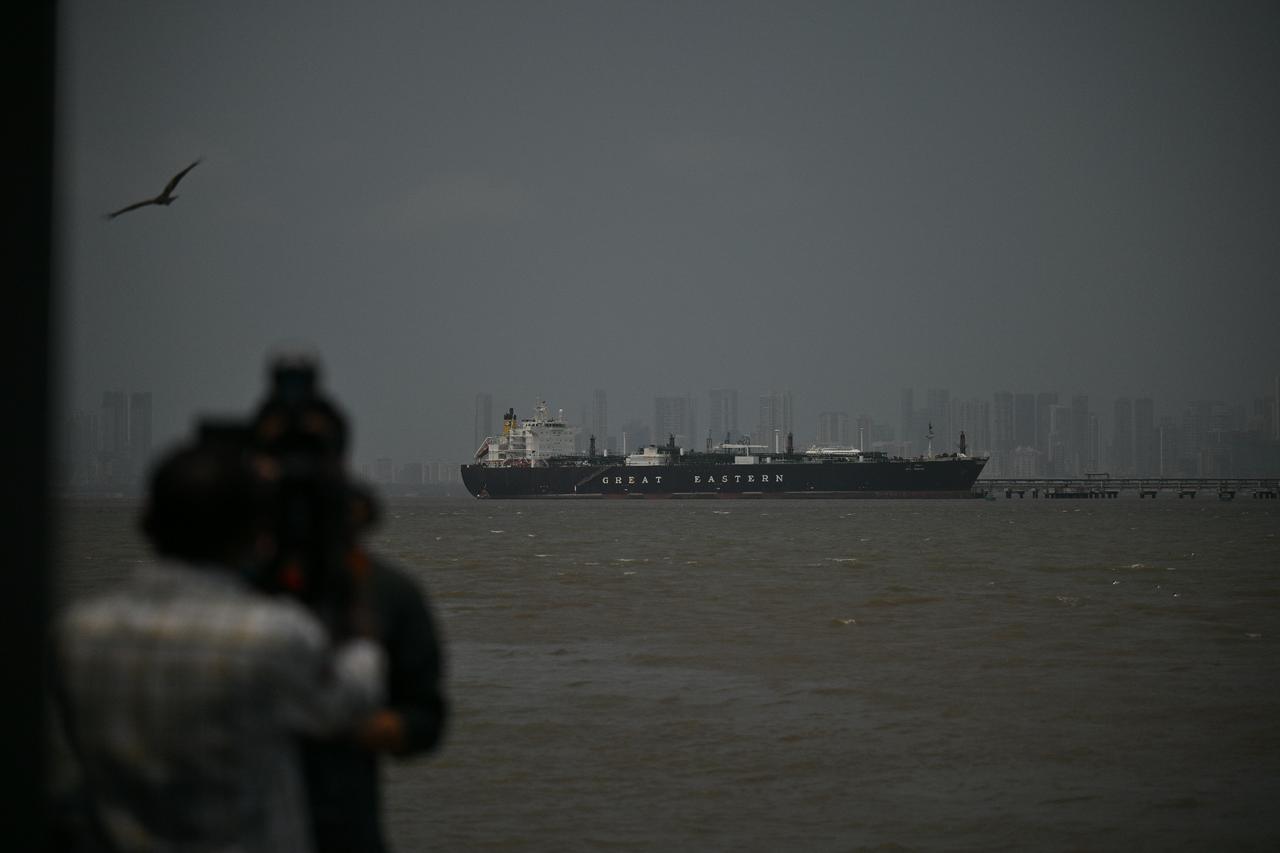
The economic alarm follows a sharp escalation in the region. U.S.-Israeli strikes launched against Iran on February 28 prompted retaliation from Tehran that has effectively shut the Strait of Hormuz, a critical chokepoint through which significant volumes of oil and fertilizers pass. Energy prices have surged in the aftermath, squeezing governments and households, particularly in oil-importing nations and lower-income economies most exposed to price swings.
The IMF's director of strategy, Christian Mumssen, underscored the uneven burden of rising food costs. Low-income countries devote roughly 36 percent of household consumption to food, compared with around 20 percent in emerging markets and about nine percent in advanced economies.
Georgieva warned that inflation risks are not confined to energy. "We are concerned about risks for inflation moving into food prices should the delivery of fertilizers at a reasonable price not be restarted soon," she said. Fertilizers, like oil, pass through the Strait of Hormuz, and prolonged disruption to supply chains could ripple into agricultural markets globally.
Despite the pressure, she urged central banks to "wait and see" before adjusting interest rates, particularly where public expectations around inflation remain stable and well-anchored. A swift end to hostilities, she argued, could make preemptive monetary tightening unnecessary. She acknowledged, however, that central banks with weaker credibility on inflation may need to act more decisively to signal their commitment.
The fund estimates near-term demand for emergency financing could range between $20 billion and $50 billion. As of Wednesday, the IMF had 39 active programs and was fielding prospective requests from at least a dozen additional countries, several of them in sub-Saharan Africa.
Georgieva was direct about the stakes for lower-income nations: "The sooner we act, the more we would protect the economy and the people." She described the economic fallout as "highly asymmetric," a reflection of how differently countries are positioned to absorb the shock depending on their import dependence, fiscal reserves and access to alternative markets.
While governments face intense domestic pressure to shield citizens from rising costs, Georgieva cautioned against broad, untargeted interventions. Measures such as sweeping export controls or across-the-board tax cuts, she warned, risk prolonging elevated prices rather than easing them, and could erode the fiscal space countries may need later.
For now, she said, a faster resolution remains within reach. "We are still at a time when a faster resolution of hostilities is possible," she said, though she offered little optimism if the conflict drags on, warning that countries must "brace for tough times ahead."


 Set as preferred source
 Set as preferred source


 1 min read
 1 min read