Newsletters


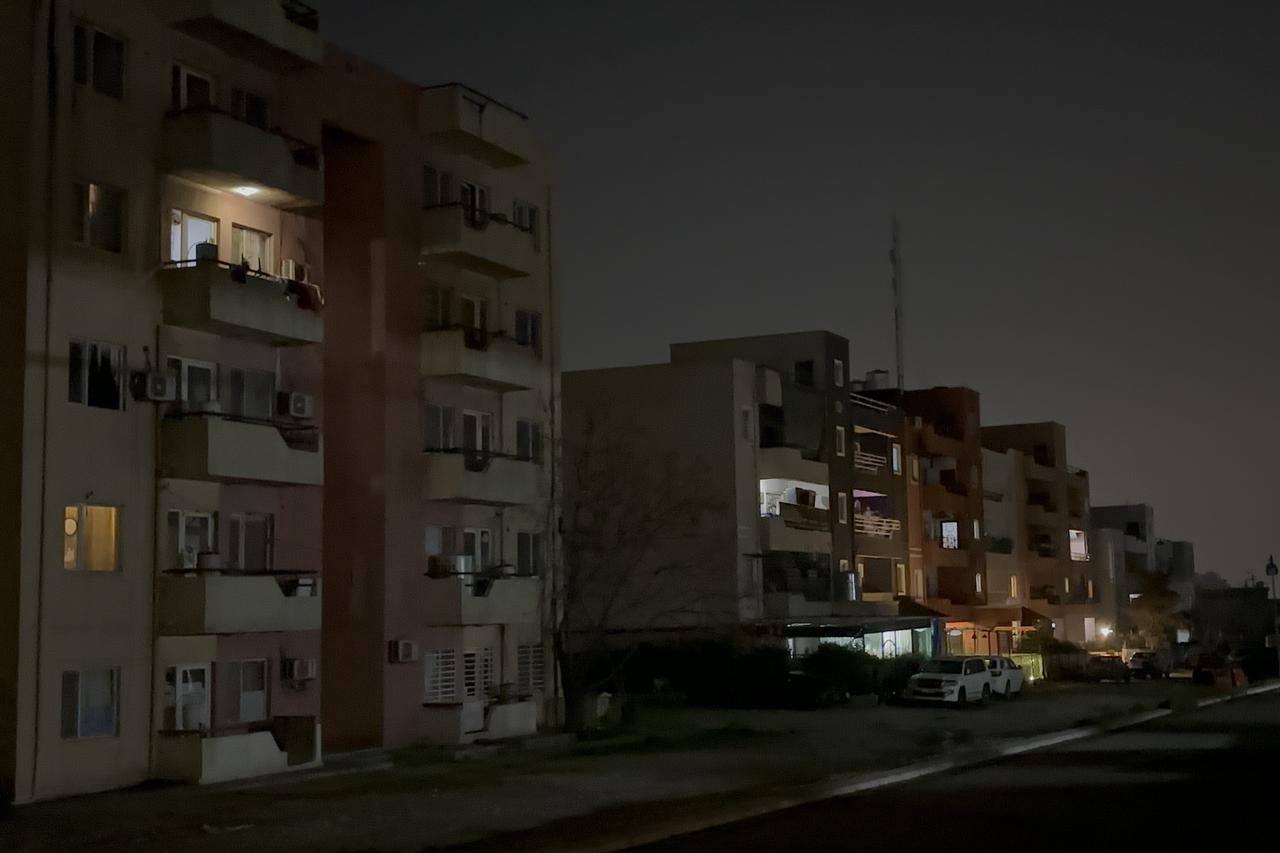


Iran has restarted gas exports to Iraq at 5 million cubic metres per day, restoring partial stability to electricity generation, the Iraqi Electricity Ministry said Saturday.
The supply had stopped earlier this week following Israeli strikes targeting facilities linked to Iran’s South Pars gas field, the country’s largest energy source.
The resumed flow is still well below the pre-disruption level of 50 million cubic metres per day, which covered roughly one-third of demand and generated about 6,000 megawatts of electricity.
Electricity Ministry spokesperson Ahmed Moussa said the system began to stabilize after deliveries resumed, adding that output reached 14,000 megawatts.
Iraq’s power sector depends heavily on Iranian gas, particularly for plants in the south. When flows stopped, around 3,100 megawatts dropped offline, putting an immediate strain on the grid.
Since the start of the war involving Iran, supply issues have spread across the country, with the north hit hardest. Cities including Erbil, Duhok, and Sulaymaniyah have faced repeated outages following the supply cut. Supply to plants was further strained after UAE-based Dana Gas, the operator of the Kormor gas field, halted production on Feb. 28 citing security concerns.
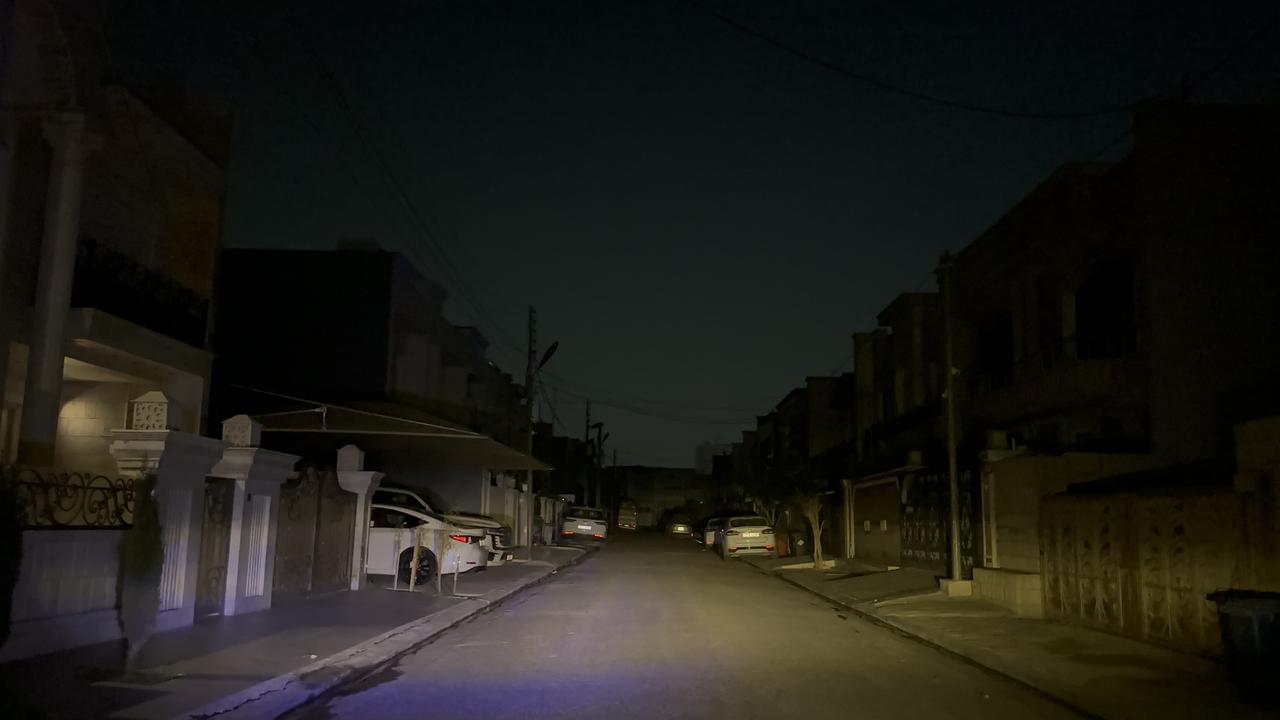

The suspension forced authorities to reintroduce scheduled power cuts across neighborhoods. Generators that had previously been phased out returned to use, driving up fuel consumption and costs.
The drop in supply has also affected daily life and business activity. Workshops and small enterprises have faced production delays, while higher generator expenses have pushed up operating costs.
In Erbil, reduced street lighting and inactive traffic systems have slowed mobility, with traffic at times managed manually.
KRG authorities said work on alternative energy options is ongoing, but no long-term solution has yet been put in place, and the effects continue to be felt across several regions of Iraq.


 Set as preferred source
 Set as preferred source


 1 min read
 1 min read