Newsletters


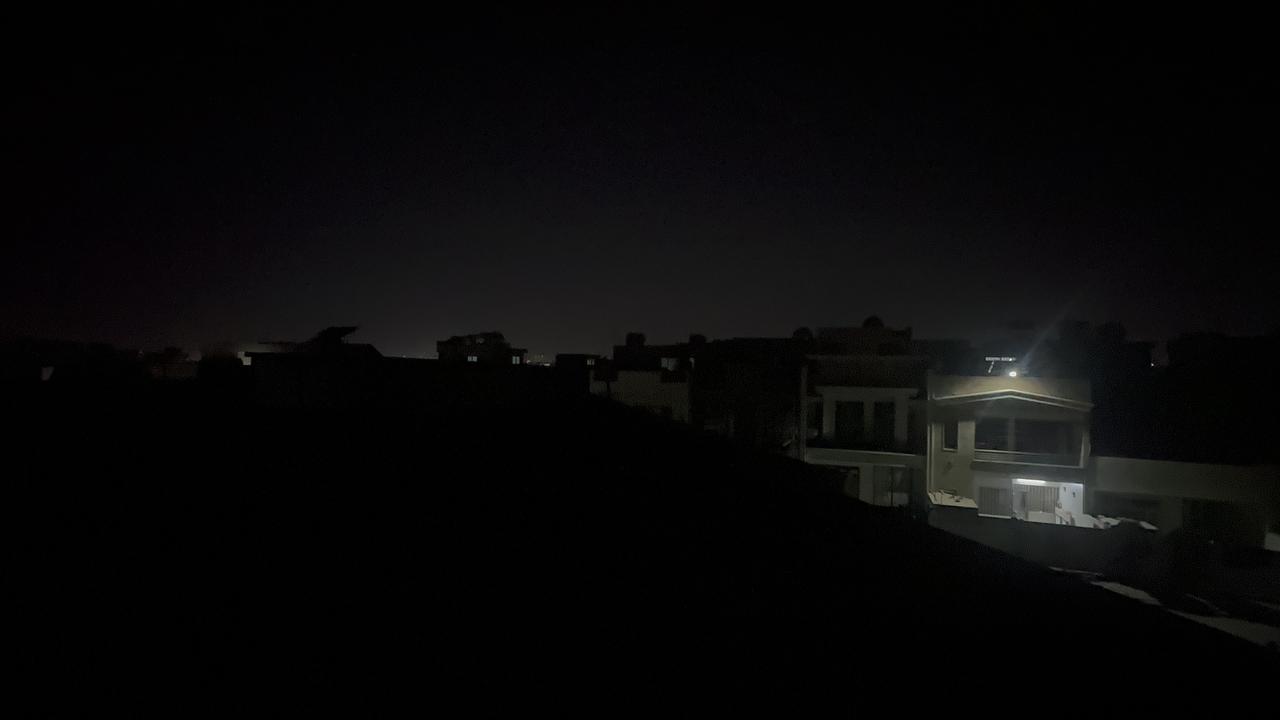
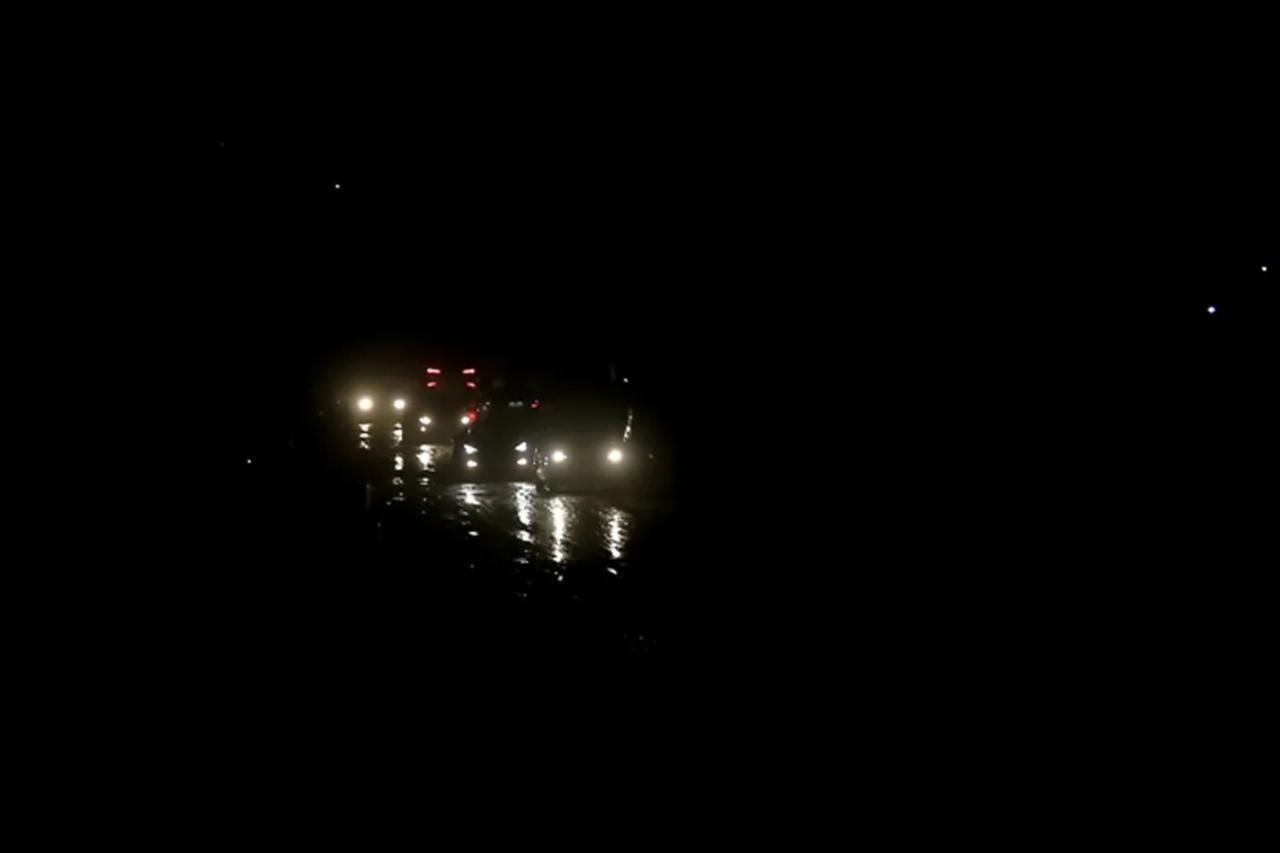
Power outages have re-emerged across northern Iraq following the outbreak of the U.S.-Israeli war on Iran, partially plunging cities including Erbil, Duhok, and Sulaymaniyah into darkness.
The Kurdish Regional Government (KRG) had largely achieved 24-hour uninterrupted electricity in Erbil in August 2025, shutting down around 400 private generators blamed for environmental pollution.
The effort was part of the “Ronaki Project,” which aimed to close gaps in the electricity grid by boosting generation with gas supplied from the Kormor Gas Field.
The project was expected to expand to Duhok, Sulaymaniyah, and Halabja by 2026, but escalating regional tensions have disrupted progress.

Dana Gas, the UAE-based operator of the Kormor Gas Field, announced it halted production on Feb. 28 for security reasons as U.S.-Israeli attacks on Iran began.
The decision disrupted gas supply to power plants, forcing authorities to implement rolling blackouts across the region.
Residents of Erbil, who had enjoyed uninterrupted electricity and cleaner air for about eight months, have seen conditions quickly deteriorate.
Private generators, previously taken offline, have been reactivated to compensate for the electricity deficit.
With their return, noise pollution, fuel odors, and air pollution have surged again.
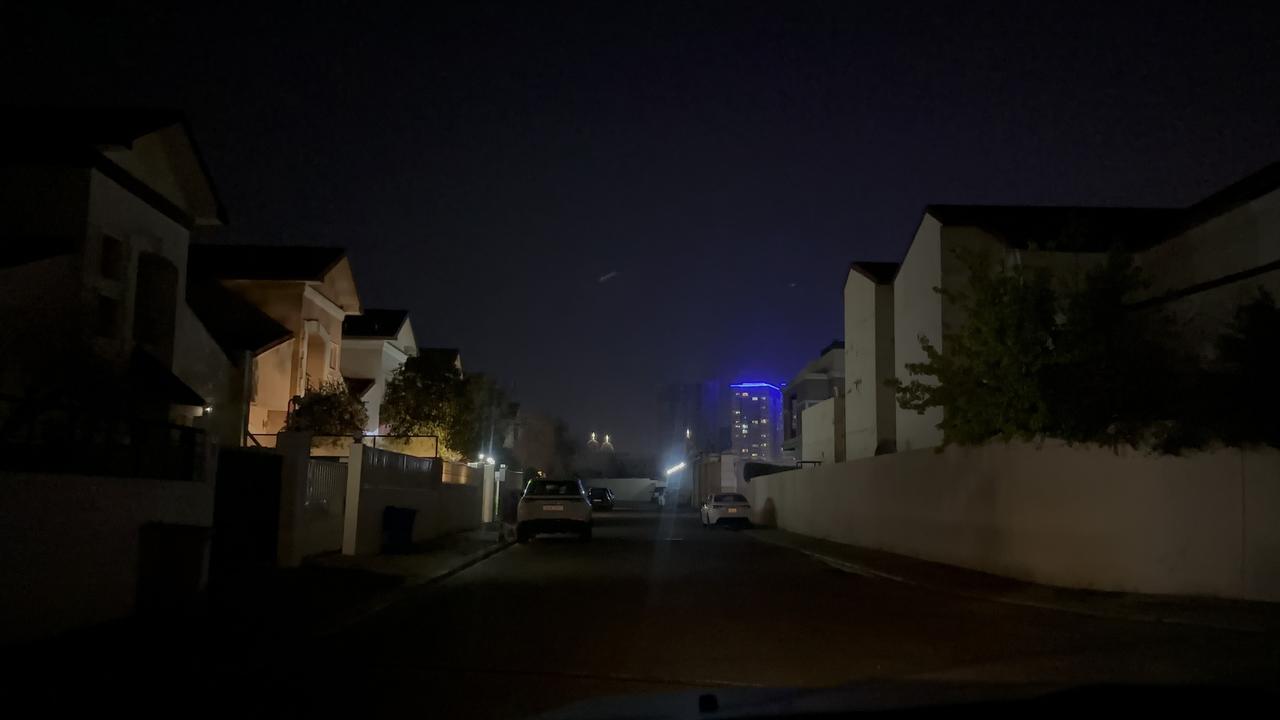
Streets that were fully illuminated just weeks ago have gone dark, with many streetlights, park lighting systems, and building illuminations switched off.
Electricity is now distributed on a rotational basis, with neighborhoods receiving limited supply before power is diverted elsewhere.
Power shortages have begun to weigh on businesses and production.
Workshops and small enterprises dependent on electricity face repeated interruptions, delaying orders and increasing operational strain.
Higher costs for generator-supplied electricity are adding financial pressure on tradespeople.
Traffic has also been affected, as malfunctioning traffic lights force police to manually manage intersections.
 1 min read
The KRG is working to develop alternative energy sources, but officials have yet to identify a permanent solution.
The impact of the crisis is being felt across Erbil, Sulaymaniyah, Duhok and Halabja, with similar challenges reported elsewhere in Iraq.
Frequent outages, halted production and daily disruptions suggest the situation may persist.
Residents and business owners say they are hoping for a return to stability, linking recovery to an end to regional hostilities and the restoration of secure energy supplies.


 Set as preferred source
 Set as preferred source


 1 min read