Newsletters


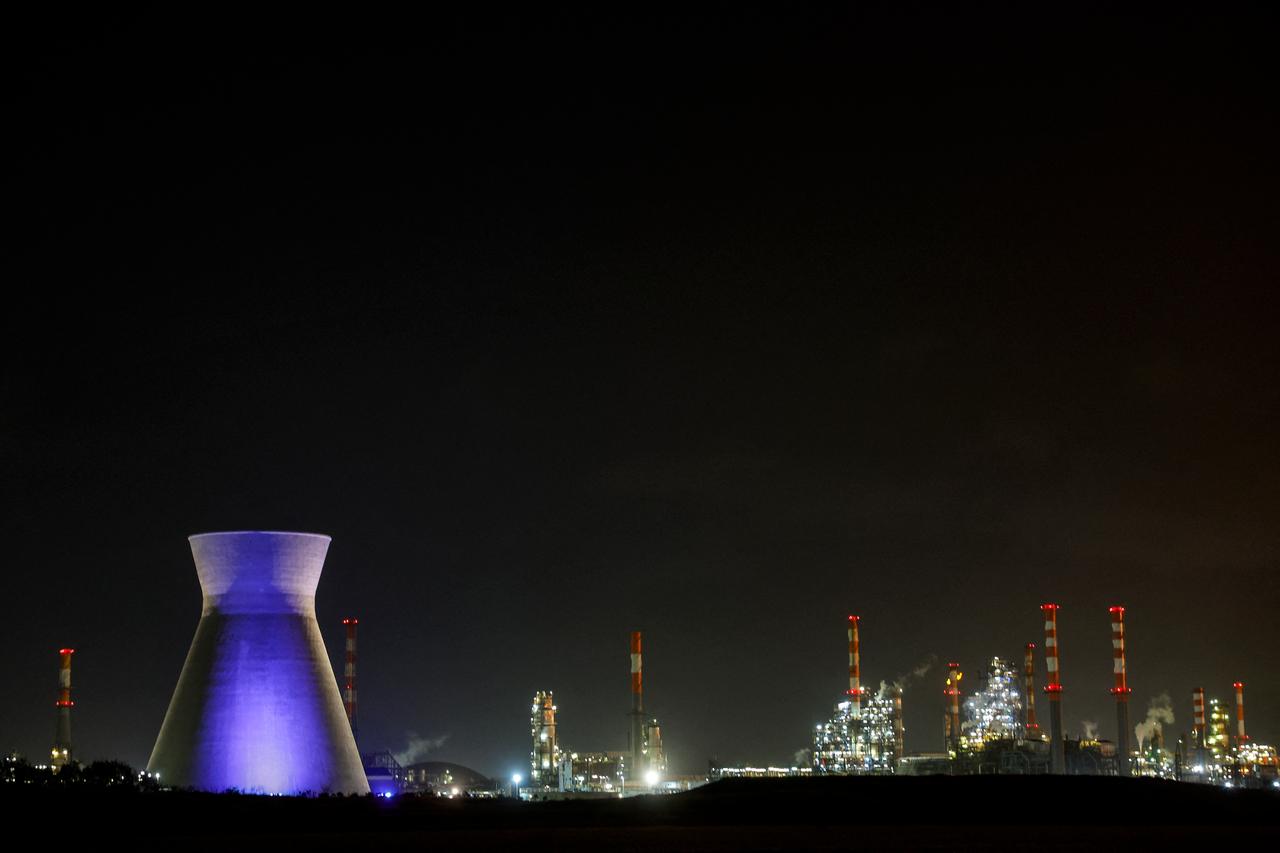


The conflict involving Iran has triggered the most severe energy security crisis the world has ever faced, the head of the International Energy Agency said Friday.
Speaking to the Financial Times, IEA Executive Director Fatih Birol described the situation as “the greatest global energy security threat in history.”
Birol said the disruption has already cut off roughly twice the volume of gas that Europe lost from Russia in 2022 following the start of the Ukraine war.
“The Strait of Hormuz has effectively been blocked,” he said, warning that the closure of the key maritime chokepoint is halting “vital arteries” of the global economy.
Birol cautioned that policymakers and markets may not fully grasp the severity of the situation.
“People understand that this is a major challenge, but I am not sure that the depth and the consequences of the situation are well understood,” he said.
Even if the conflict ends soon, restoring production at damaged or shut-in oil and gas fields could take months.
“It will be six months for some (sites) to be operational, others much longer,” he said.
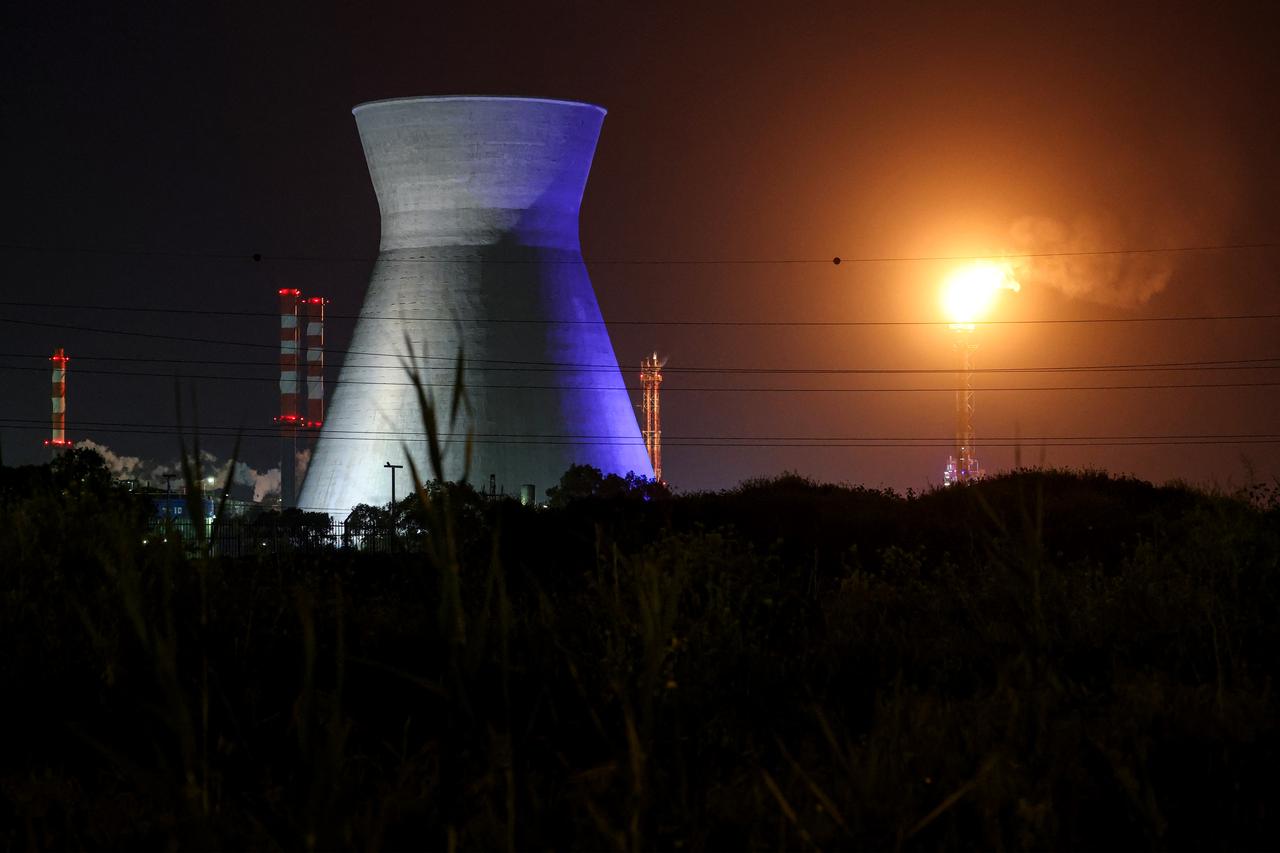

In response to the disruption, the IEA last week announced the release of 400 million barrels of oil and refined products from emergency reserves, equivalent to about 20% of its total stockpiles.
Birol said additional supply discussions are underway with major producers including Canada, Mexico, Brazil and Norway, but warned these measures cannot fully compensate for lost Middle Eastern output.
“The single most important action is the resumption of transits through the Strait of Hormuz,” he said.
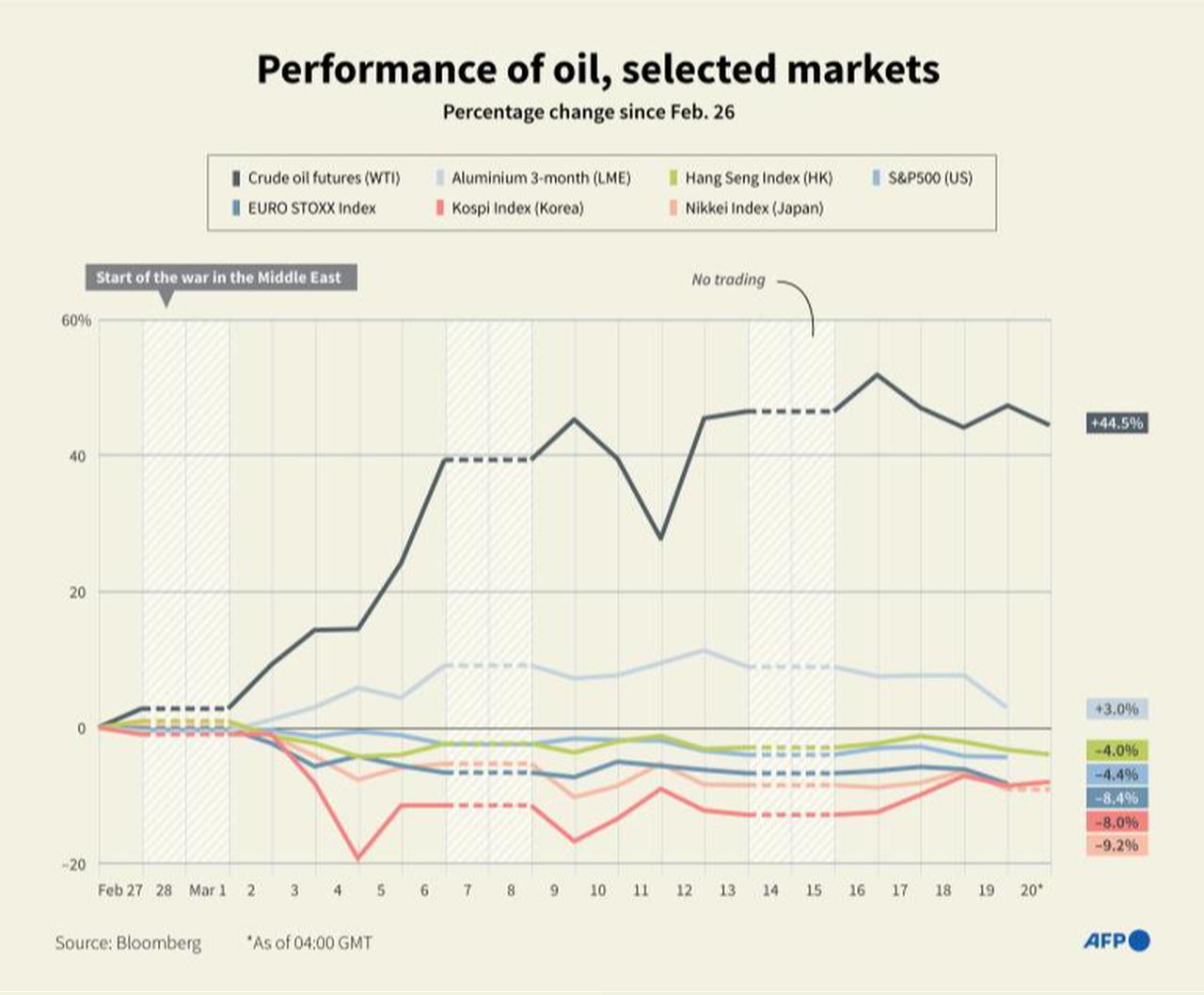
Birol also urged European governments not to ease restrictions on Russian gas imports despite the crisis, warning against renewed dependence on Moscow.
Russia’s Nord Stream pipelines remain inoperable, and its credibility as a supplier has been severely damaged, he said.
Looking ahead, Birol said the current crisis could reshape global energy strategies, similar to the long-term impact of the 1973 and 1979 oil shocks.
He predicted increased investment in renewable energy, a revival of nuclear power, faster adoption of electric vehicles and, in some cases, a temporary return to coal.
The crisis comes as hostilities have escalated following joint U.S.-Israeli attacks on Iran launched on Feb. 28, which have killed more than 1,300 people, including then-Supreme Leader Ali Khamenei, according to Iranian authorities.
Iran has retaliated with drone and missile attacks across the region and has effectively closed the Strait of Hormuz to most shipping.
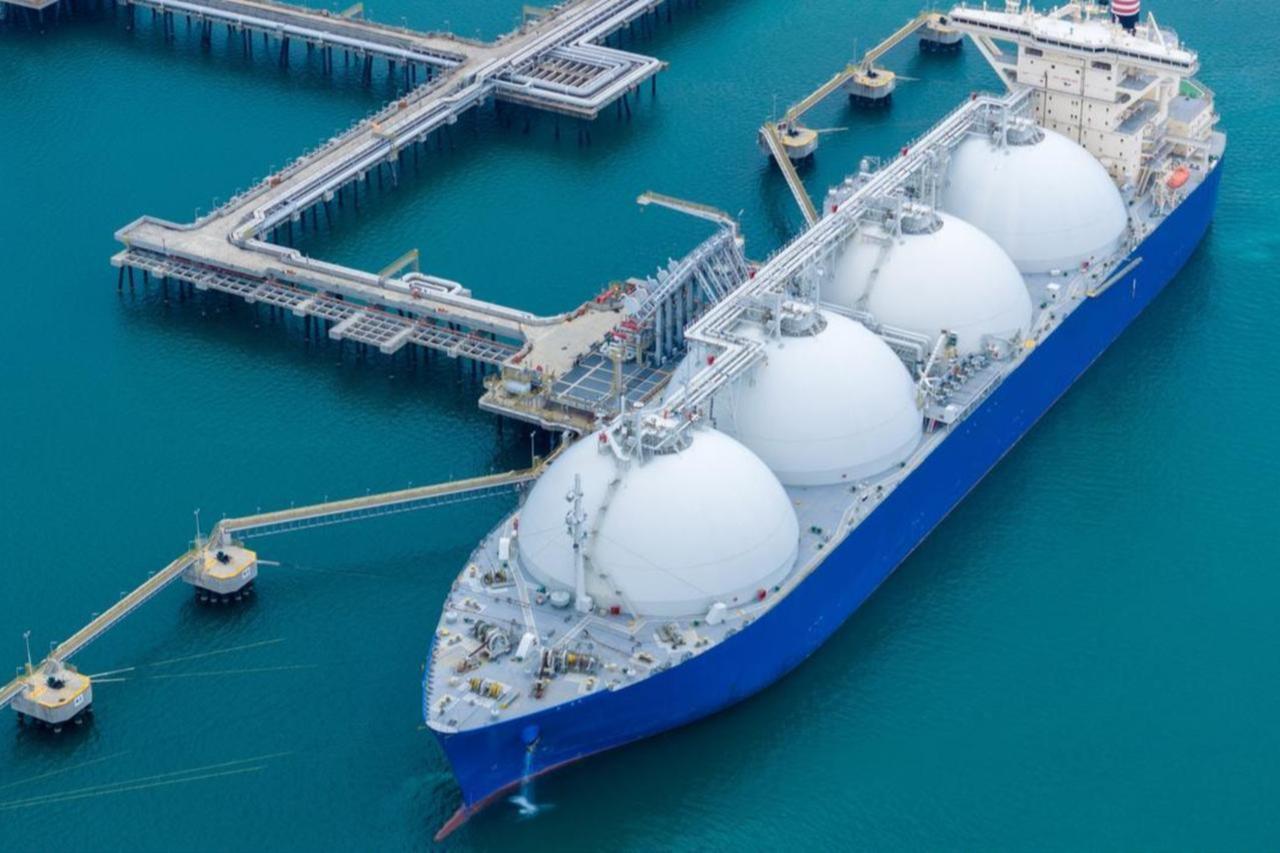
The waterway normally handles about 20 million barrels of oil per day and roughly 20% of global liquefied natural gas trade.


 Set as preferred source
 Set as preferred source


 1 min read
 1 min read