Newsletters


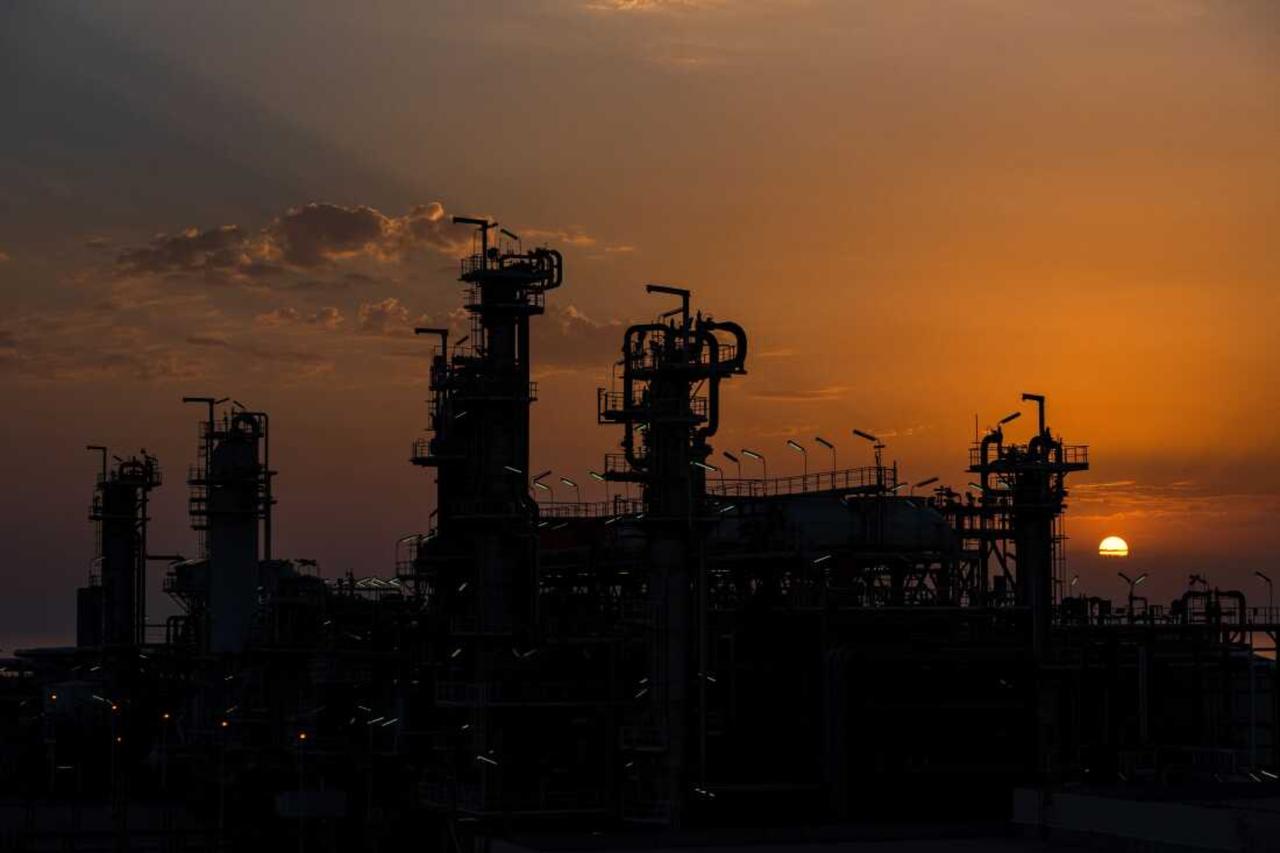


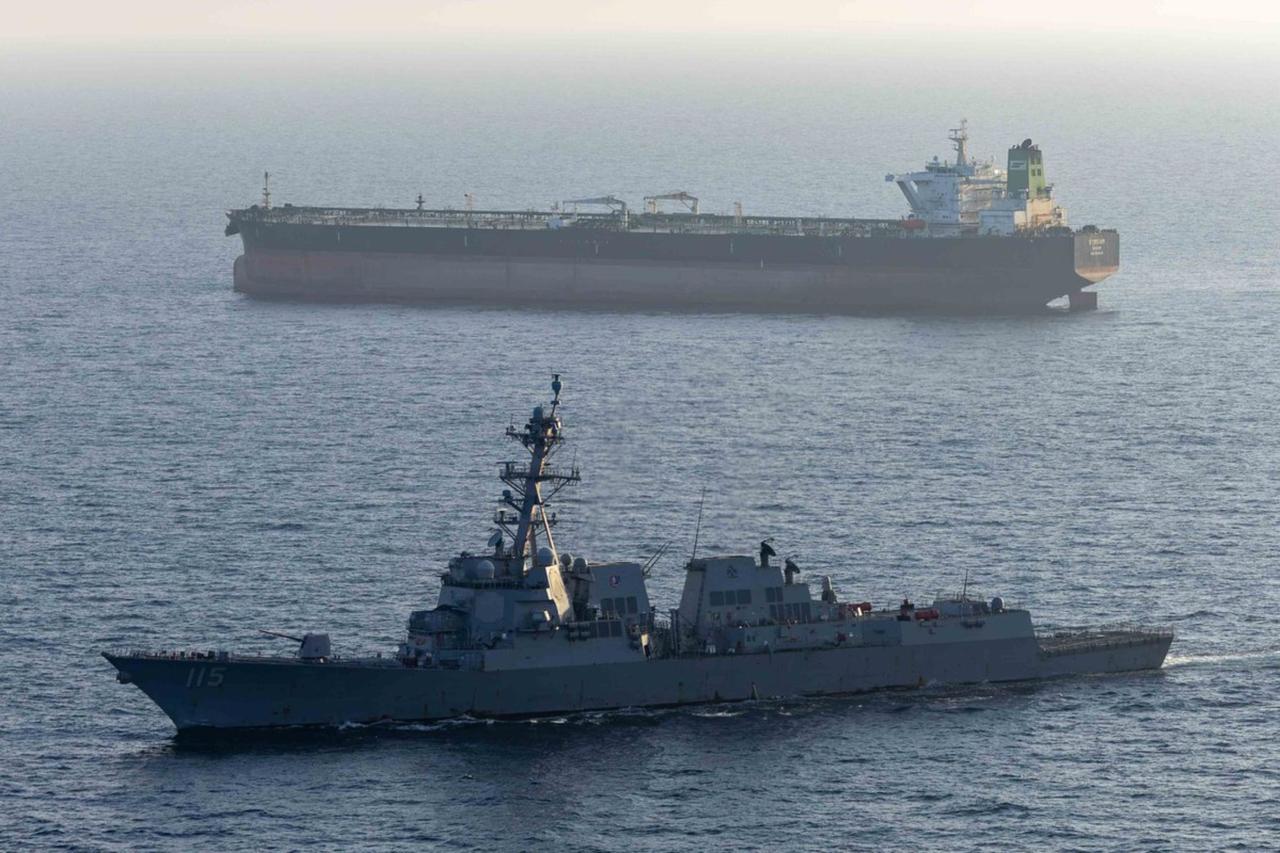
Iran is reviving derelict "junk storage" tanks, using improvised containers and attempting to ship crude by rail to China as the U.S. naval blockade has cut Iranian oil exports from 2.1 million barrels a day to just 567,000 barrels a day since April 13.
Analysts warn that Iran could hit "tank tops", complete storage capacity, in less than two weeks, as commodity analytics firm, Kpler, estimates production could fall by more than half to between 1.2 and 1.3 million barrels a day by mid-May if the blockade holds, the Wall Street Journal (WSJ) reported Monday.
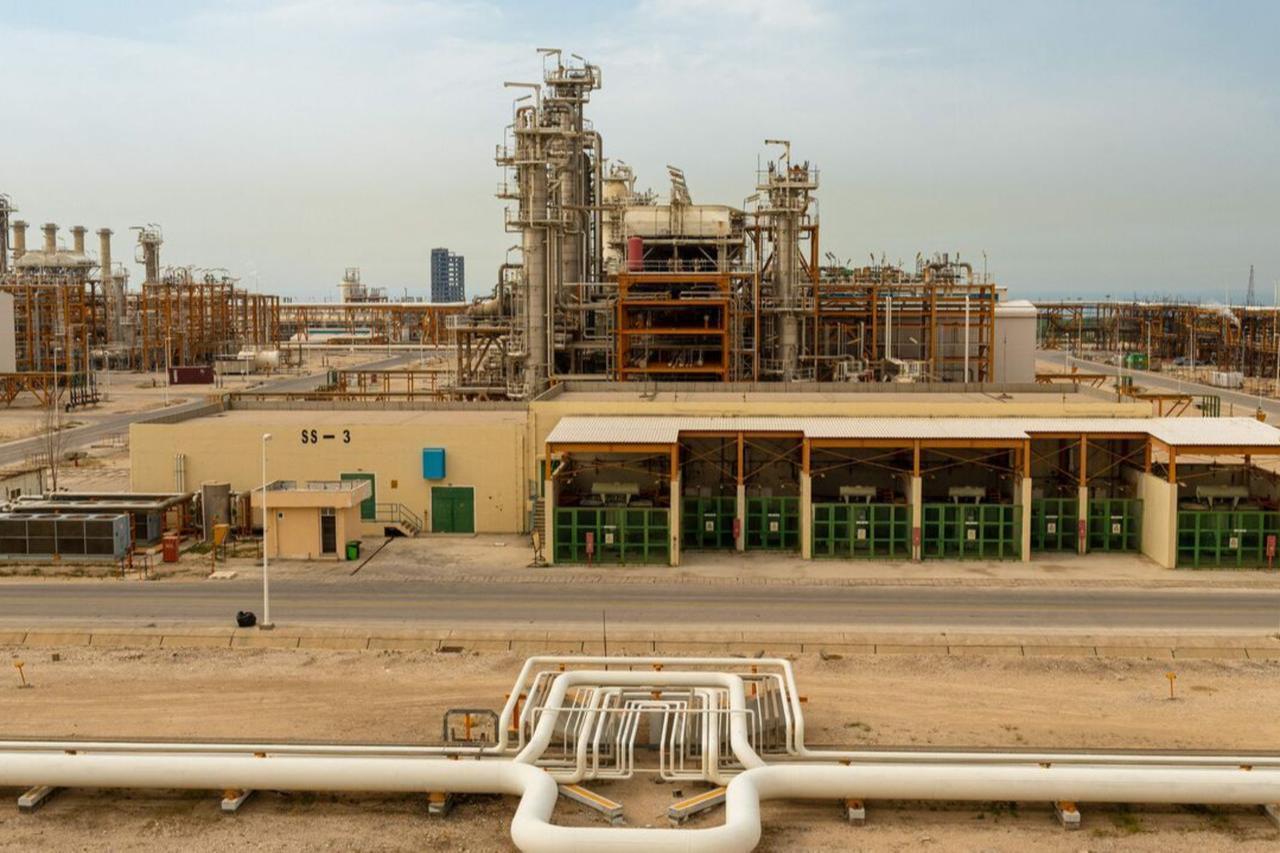

Iranian crude oil and condensate loadings averaged 2.1 million barrels a day between April 1 and April 13, in line with pre-war February averages.
Since the blockade took effect on April 13, only five cargoes have been observed, bringing the average down to 567,000 barrels a day between April 14 and April 23, according to Kpler.
Iran's national oil company has already begun reducing output, Kpler said, noting that production cuts typically begin before storage is technically full because operators must preserve buffer room and avoid dangerous bottlenecks.
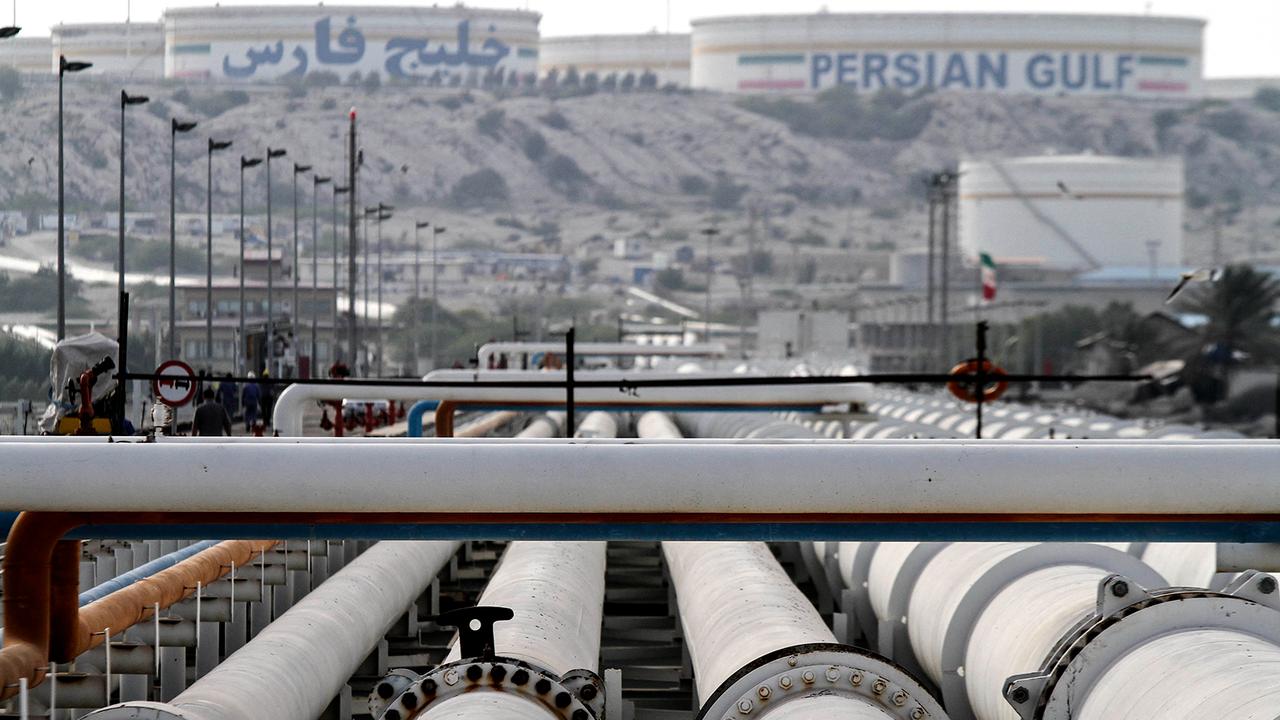
Iran's onshore oil inventories have swelled by 4.6 million barrels to approximately 49 million barrels under the blockade, according to Kpler, which places total capacity at 86 million barrels, or potentially 90 to 95 million barrels including several northern refinery tanks. But operational constraints, safety limits and geography mean much of that space may not be usable.
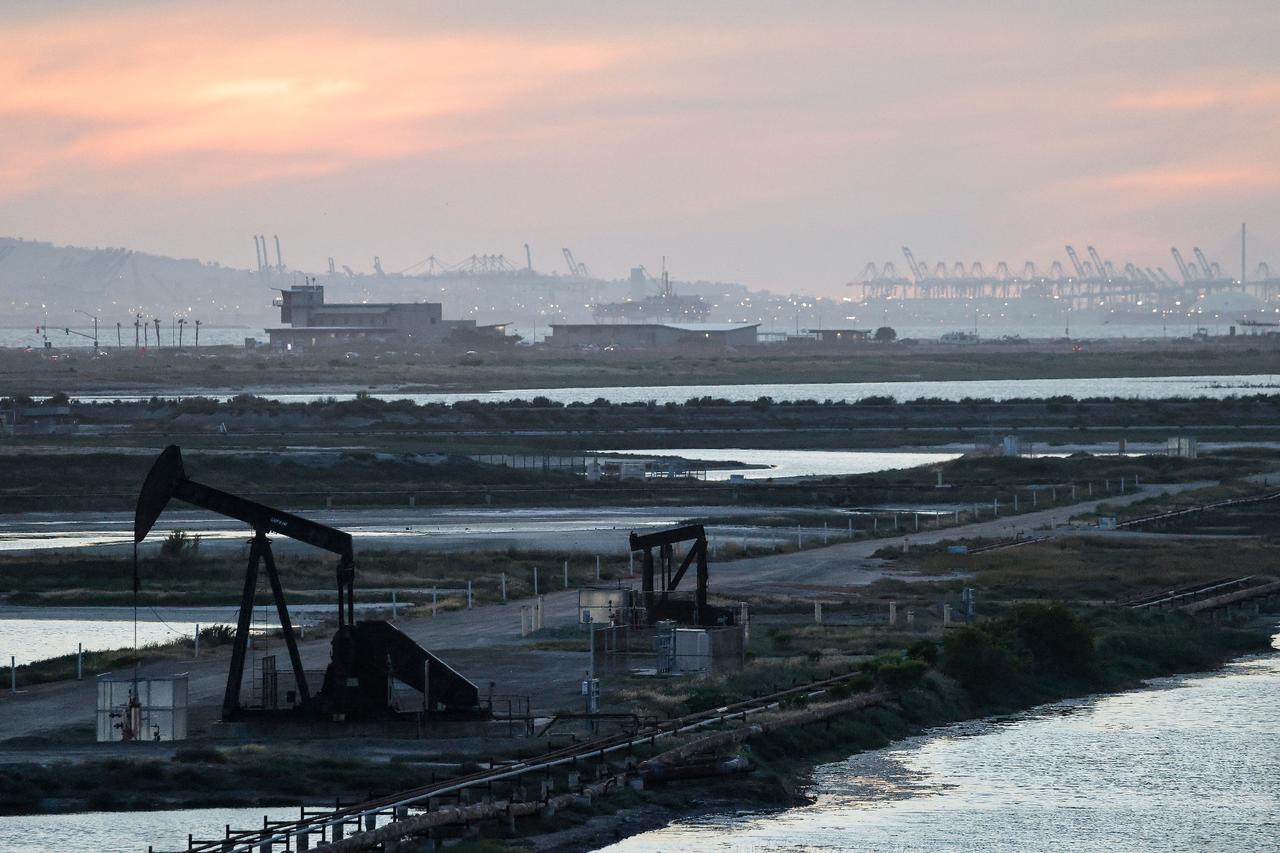
Iran has begun using containers and disused tanks in southern oil hubs including Ahvaz and Asaluyeh.
"Some of those tanks had long been avoided because of their poor condition," an Iranian oil official told the WSJ.
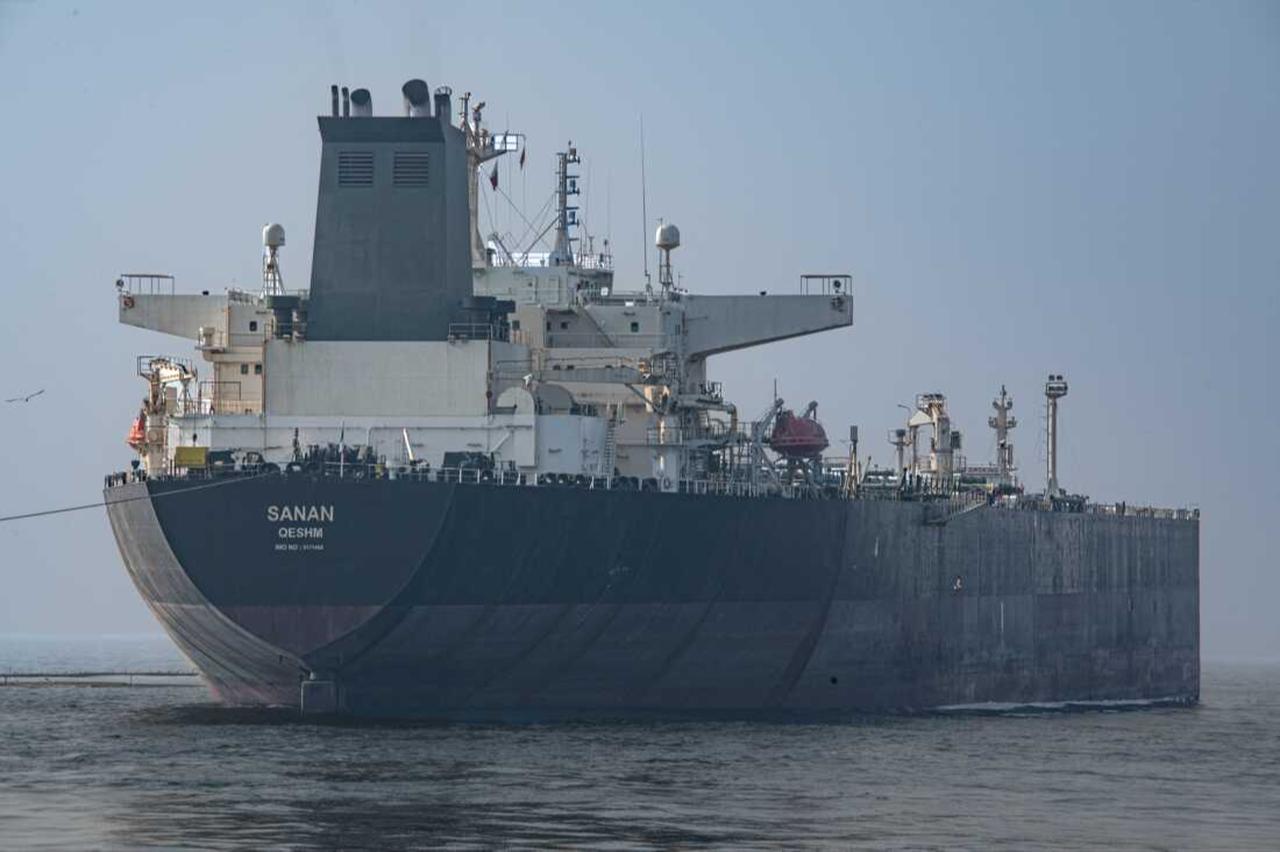
Empty tankers are also being used for offshore storage, with several large tankers in the Gulf holding approximately 15 million barrels of capacity.
Iran is attempting to move oil by rail to China via links connecting Tehran to Yiwu and Xi'an, according to Hamid Hosseini, spokesman for Iran's oil-exporters union.
But analysts cautioned the move was more symbolic than practical.
"Desperate times call for desperate measures," said Erica Downs, a Chinese energy policy specialist at Columbia University, speaking to WSJ, questioning whether Chinese "teapot" refineries, the main buyers of Iranian crude, would accept the higher transit costs that rail entails.
"Would the teapots, which operate on thin margins and are attracted to the discounts they have been able to obtain on sanctioned Iranian barrels, be willing to pay if rail shipments are higher due to transit costs?" she added.
Kpler estimated Iranian crude production could fall from current levels by more than half, to between 1.2 and 1.3 million barrels a day, by mid-May if the blockade holds. Around half of Iran's oil fields have low pressure, leaving them vulnerable to longer-term production losses following stoppages, according to consulting firm Rystad Energy.
Shutting production abruptly can permanently damage older low-pressure fields with fragile geology.
Chatham House MENA program director Sanam Vakil told the WSJ: "The shutdown will add pressure and motivate the negotiations."
Brent crude rose nearly 3% to $108.23 a barrel on Monday amid the continued absence of progress in peace talks, well above pre-war levels but below the near-$120 peak hit earlier in the conflict.


 Set as preferred source
 Set as preferred source


 1 min read
 1 min read