Newsletters


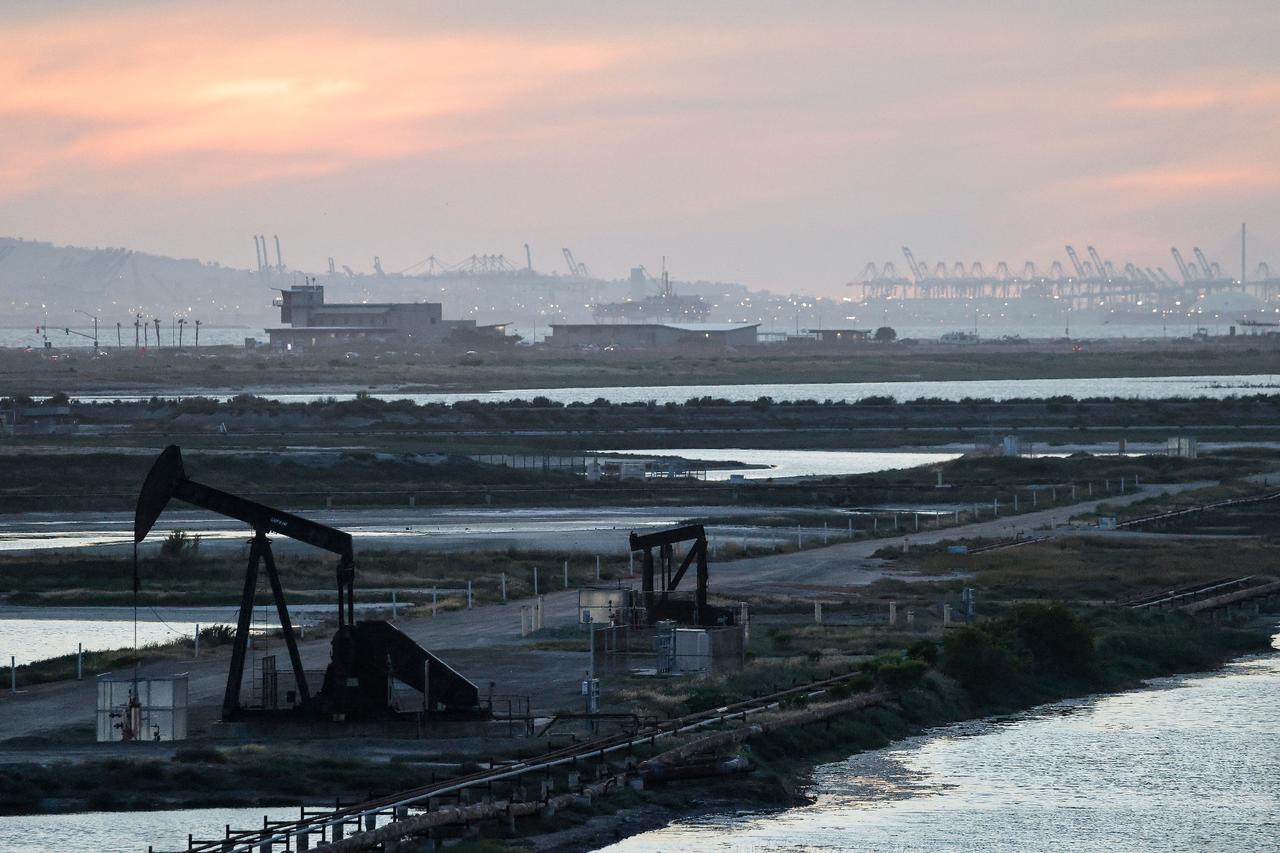


Oil prices pushed higher Friday while global markets lost momentum, as tensions between the United States and Iran showed no sign of easing and the Strait of Hormuz, a vital energy corridor, remained largely blocked.
Benchmark Brent crude briefly moved past $107 per barrel during intraday trading, while U.S. West Texas Intermediate (WTI) tested $97.5. Prices later cooled slightly, settling around $105.5 for Brent and $96 for WTI as of 5:55 a.m. GMT.
Equity markets across Asia delivered a mixed performance, reflecting fading optimism earlier in the week. Japan’s Nikkei 225 gained 1%, while South Korea’s Kospi stayed largely flat.
Hong Kong’s Hang Seng edged up 0.2%, but China’s Shanghai Composite slipped 0.3%.
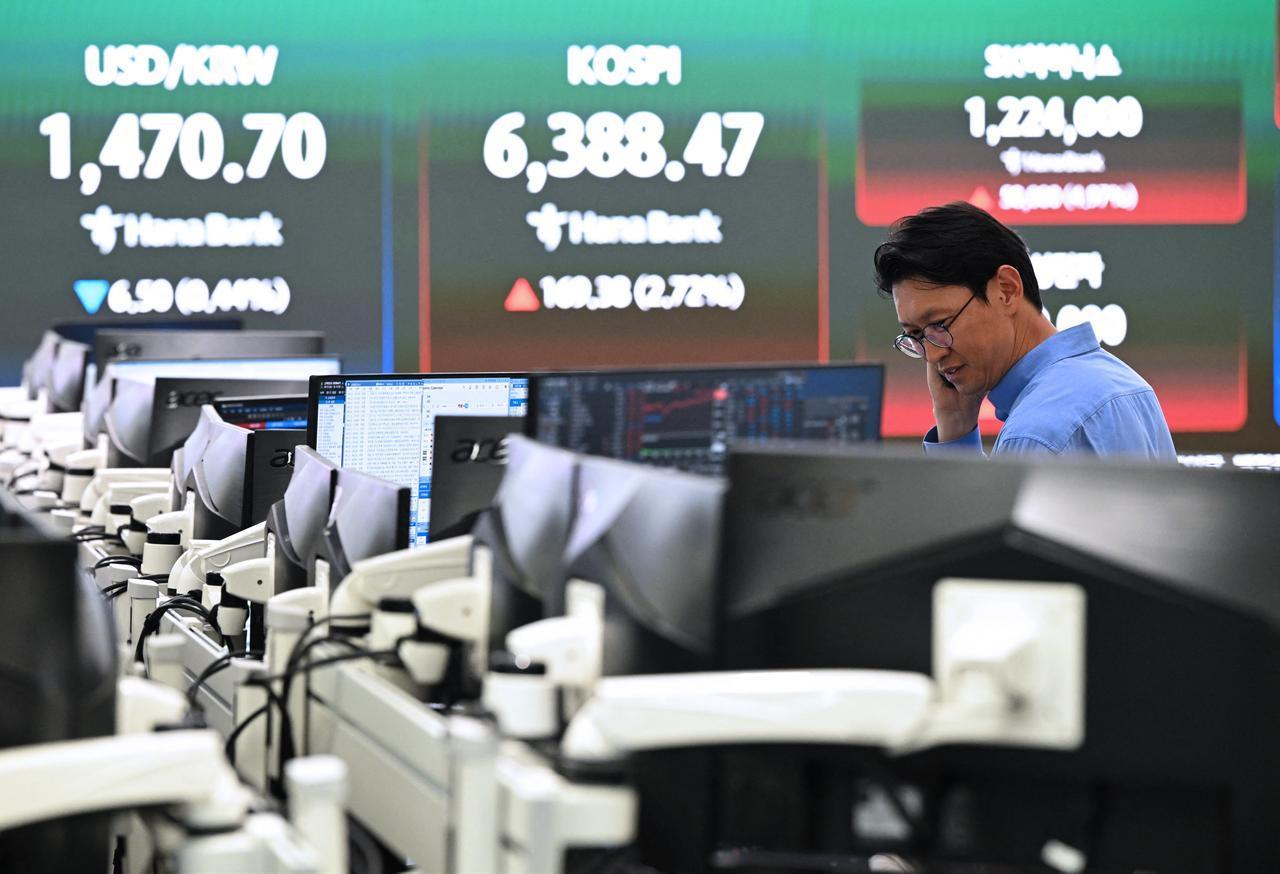

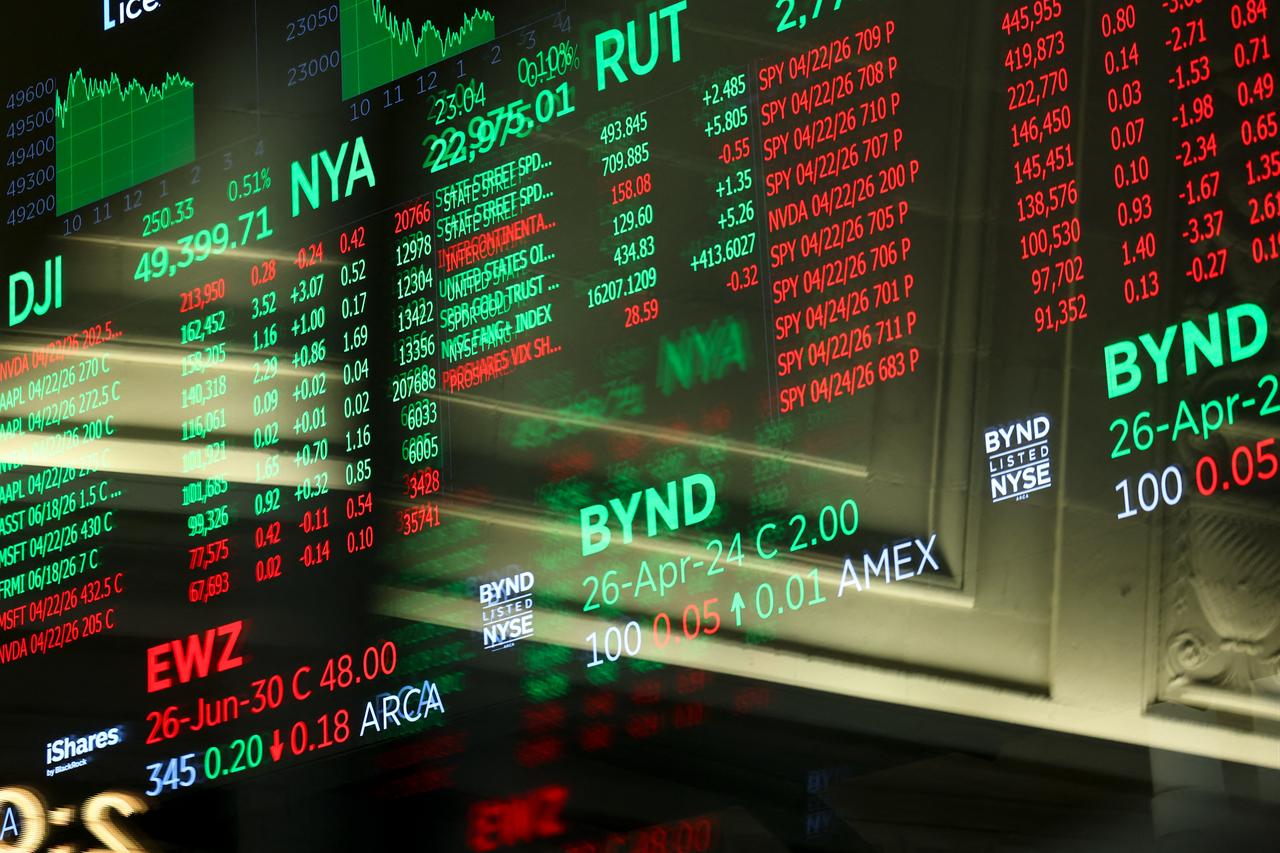
In Europe, futures tied to the Stoxx 50 pointed 0.6% lower. U.S. futures showed a split picture, with the tech-heavy Nasdaq up 0.6% while the Dow Jones Industrial Average dipped 0.2%.
Safe-haven assets also pulled back. Gold dropped 0.3% from a one-month high to $4,680, while silver fell 0.6% to below $75 per ounce. Platinum and palladium declined as well, down 1.4% and 0.4% respectively.
Cryptocurrencies followed suit, with Bitcoin easing 0.3% to $77,950 and Ethereum sliding 1.6% to $2,315.
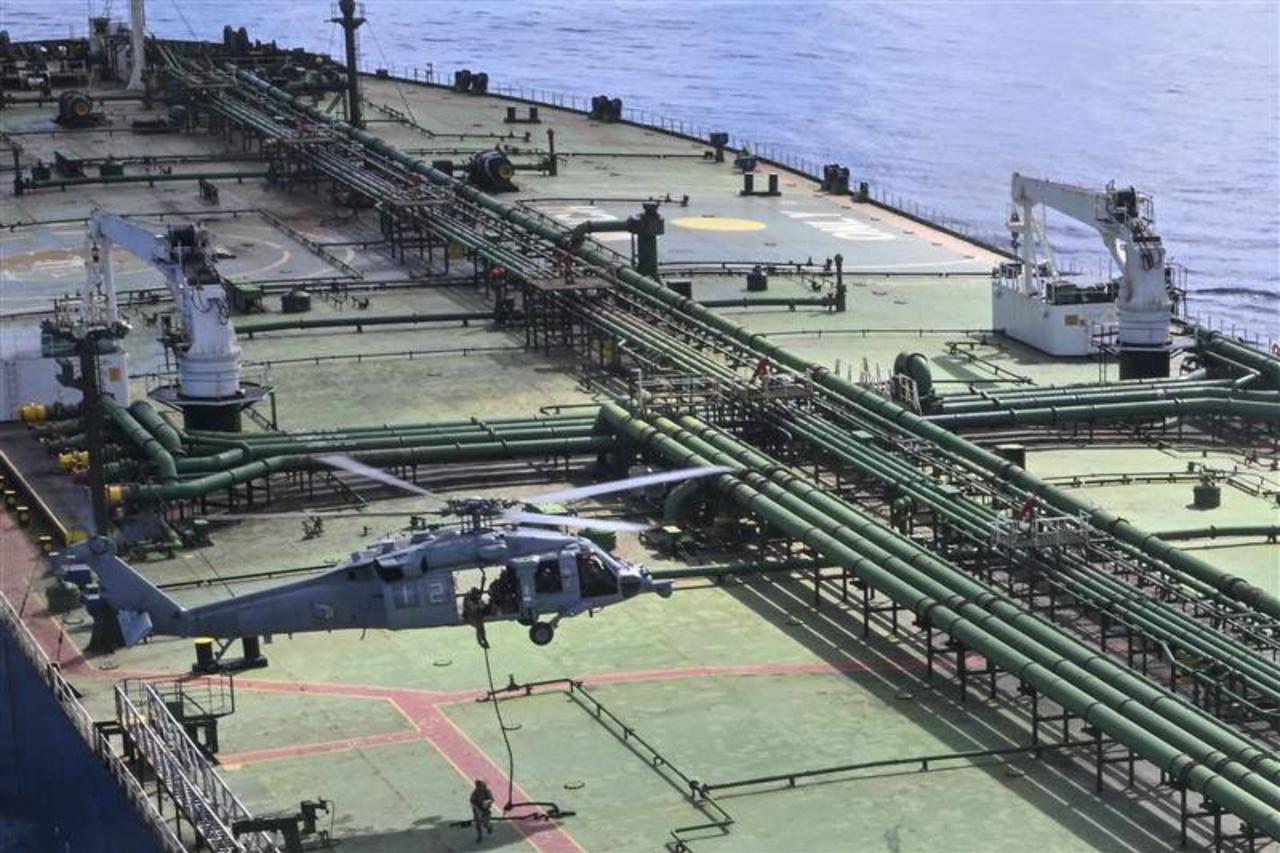
At the center of the turmoil is the continued closure of the Strait of Hormuz, a key artery that normally handles around 20 million barrels of oil and petroleum products per day.
International Energy Agency (IEA) chief Fatih Birol indicated on Thursday that the loss of 13 billion barrels per day marks the largest supply shock on record, raising the risk of prolonged disruption to the global economy.
Despite earlier expectations of diplomatic progress, both Washington and Tehran have stepped up pressure at sea, including ship seizures and attacks on commercial vessels, to gain leverage in future negotiations.
U.S. President Donald Trump struck a defiant tone on Thursday, indicating no urgency to de-escalate. In a statement shared on Truth Social, he warned that time favors Washington while increasing pressure on Tehran.
"I have all the time in the World, but Iran doesn't — The clock is ticking," Trump wrote, adding that Iran’s military capabilities had been severely weakened and that the blockade remained "airtight and strong."
He also warned that any attempt to lay mines in the Strait of Hormuz would be met with force, while ruling out the use of nuclear weapons.
Meanwhile, U.S. military presence in the region expanded, with the USS George H.W. Bush aircraft carrier arriving in the Middle East, raising the number of deployed American carriers to three.


 Set as preferred source
 Set as preferred source


 1 min read
 1 min read