Newsletters


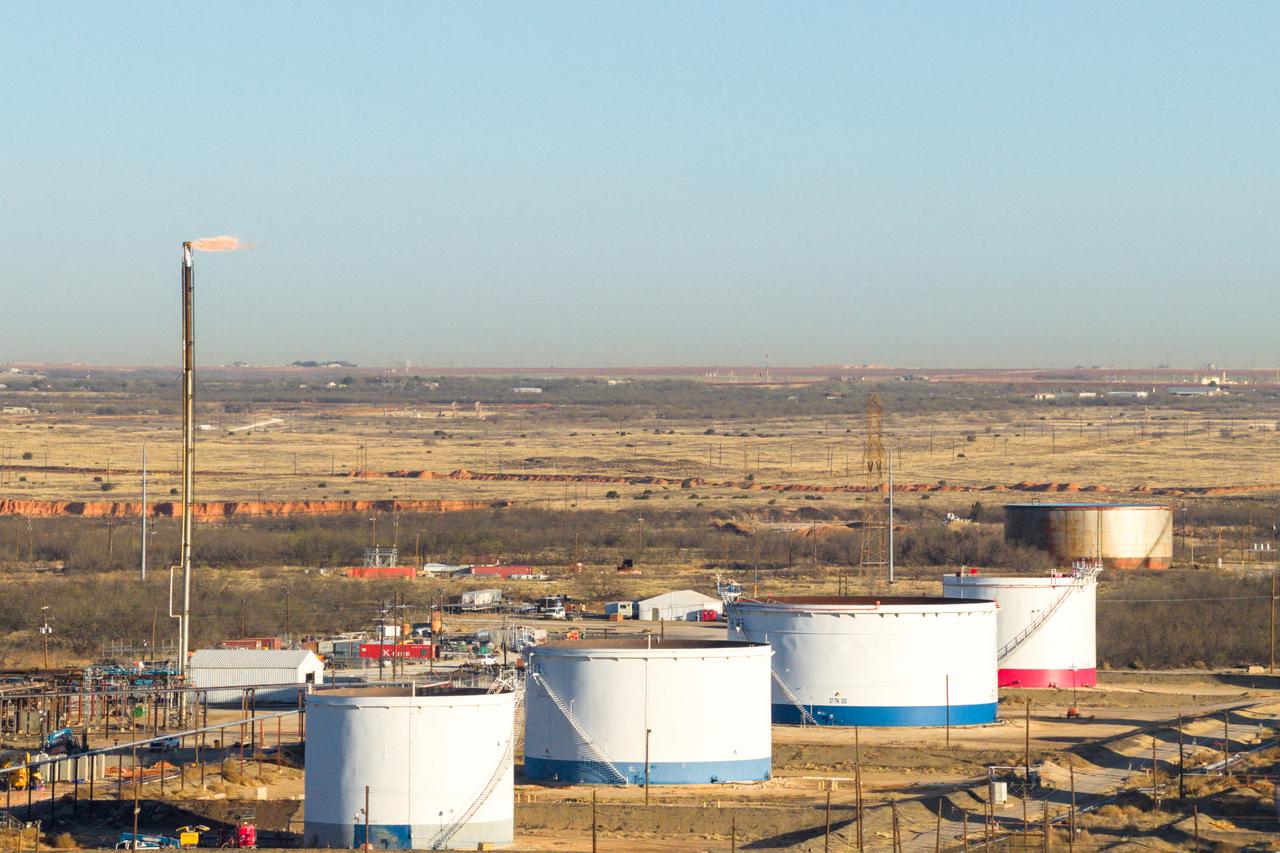


Iraq has declared force majeure on all oilfields developed by foreign oil companies after military operations disrupted navigation through the Strait of Hormuz and halted most of the country's crude exports, three energy officials told Reuters.
Basra oil production was cut by approximately 70%, from 3.3 million barrels per day to around 900,000 barrels per day.
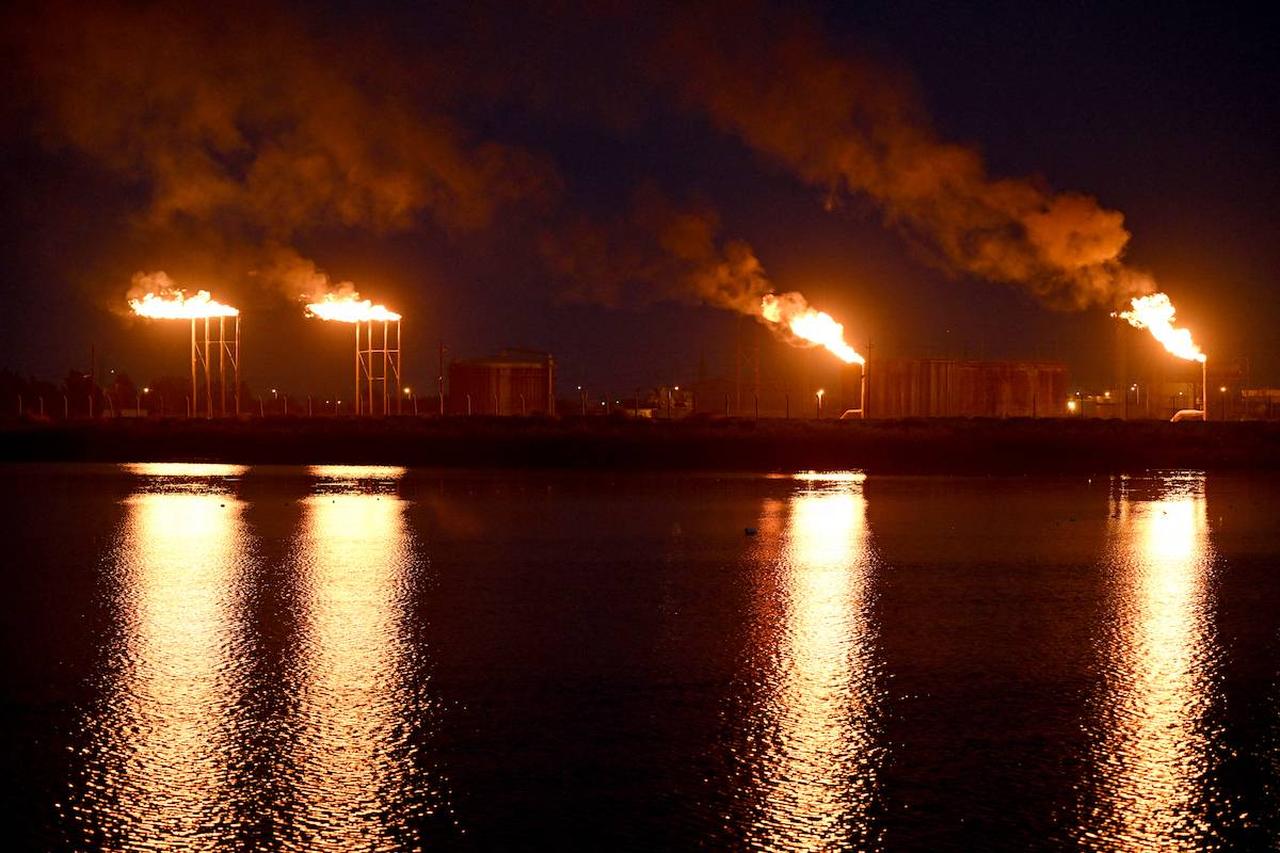

Iraq's Oil Ministry sent a letter dated March 17, seen by Reuters, stating that navigation through the Strait of Hormuz has been severely affected by "unprecedented military activity," causing storage capacity to reach its limits.
"The international partners were unable to nominate tankers to lift crude, preventing exports despite the state oil company SOMO being ready to load shipments," the letter said.
"Based on the situation, the ministry ordered a full shutdown of production at affected concession areas, with no compensation arising from the measure under contract terms," the letter noted.
The ministry said the scale-back would be reviewed periodically depending on regional developments, and invited international companies to urgent talks to agree on essential operations, costs, and staffing under force majeure conditions.
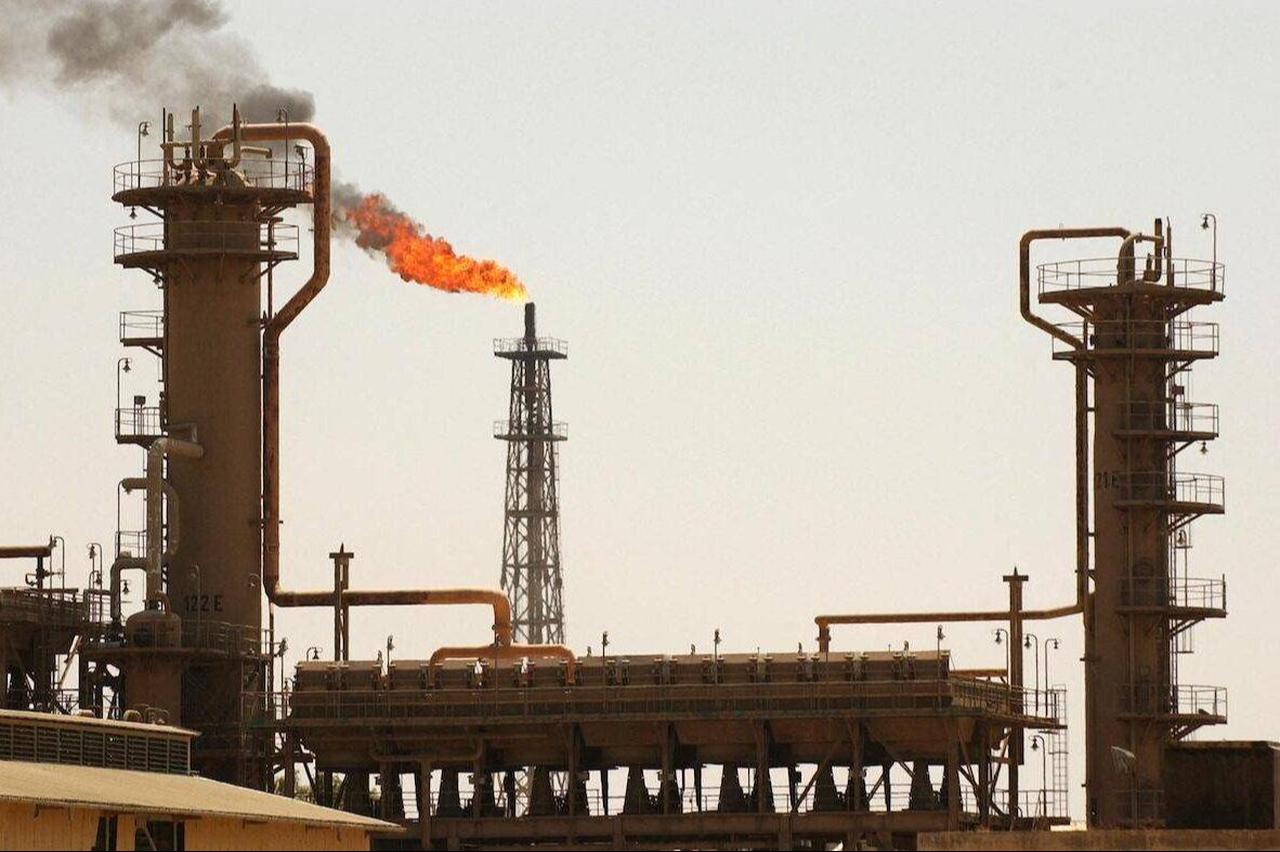
Iraq's Oil Minister Hayyan Abdul Ghani said crude production at Basra Oil Company has been cut to 900,000 barrels per day from 3.3 million barrels per day after exports from the country's southern ports were halted.
"The produced quantities are being directed to operate domestic refineries," the ministry said.
The drop in production and exports is set to strain Iraq's already fragile finances, as the state relies on crude sales for nearly all public spending and more than 90% of its income.
On Wednesday, Iraq's North Oil Company announced the resumption of oil exports through the Turkish port of Ceyhan after shipments had been suspended since 2023, as Baghdad seeks alternative export routes amid mounting risks to shipping in the Strait of Hormuz.
Oil prices rose amid escalating regional tensions. Brent crude climbed approximately 4% to $112.4 per barrel, while West Texas Intermediate reached $98.35, up 2.8%. International oil prices settled at their highest level in nearly four years on Friday.
Around 20 million barrels of oil per day normally pass through the Strait of Hormuz, with the disruption pushing up shipping and insurance costs and fueling concerns over global energy markets.
Reports indicated hundreds of vessels are stranded on both sides of the strait due to growing security concerns.
Regional tensions have escalated since the U.S. and Israel launched a joint offensive on Iran on Feb. 28, killing around 1,300 people, including then-Supreme Leader Ali Khamenei.
Iran has retaliated with drone and missile strikes targeting Israel, Jordan, Iraq, and Gulf countries hosting U.S. military assets.


 Set as preferred source
 Set as preferred source


 1 min read

 1 min read