Newsletters


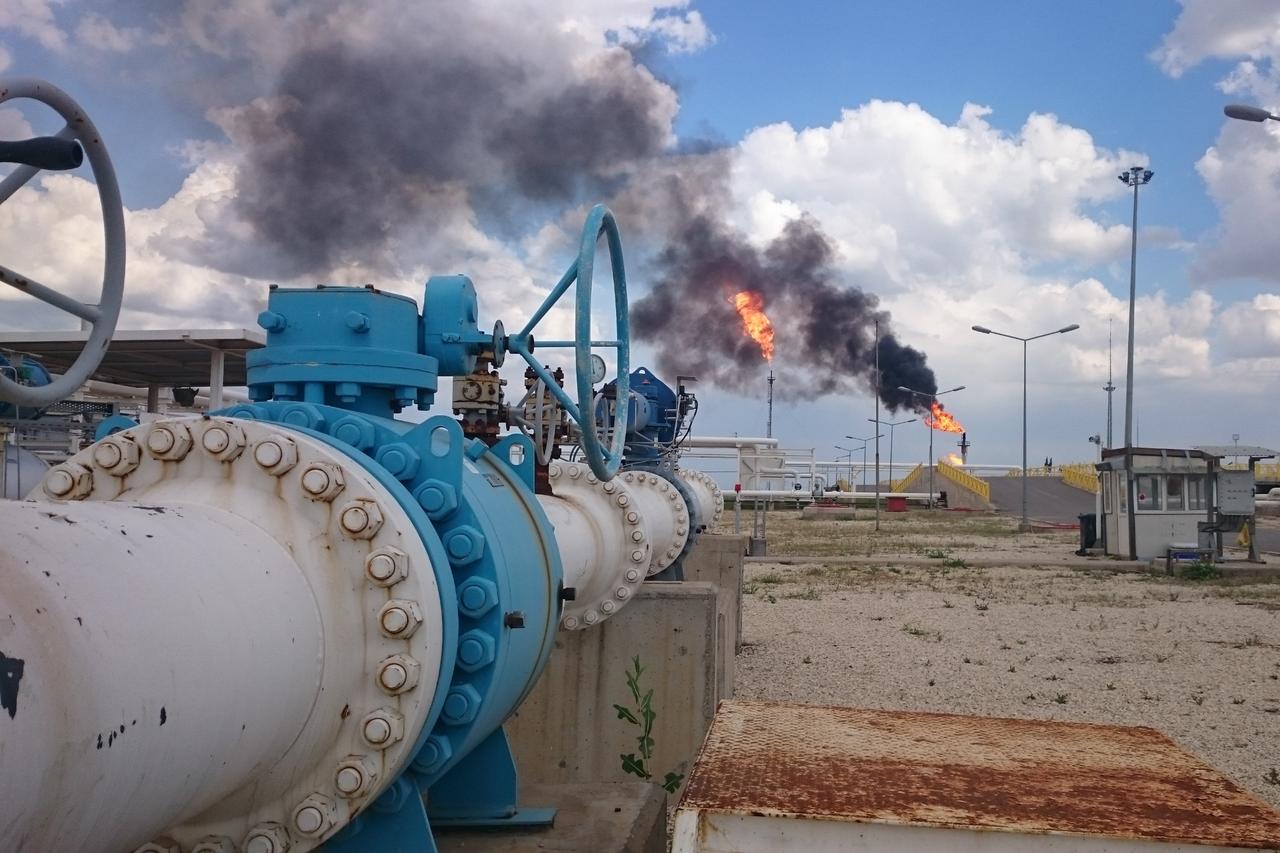


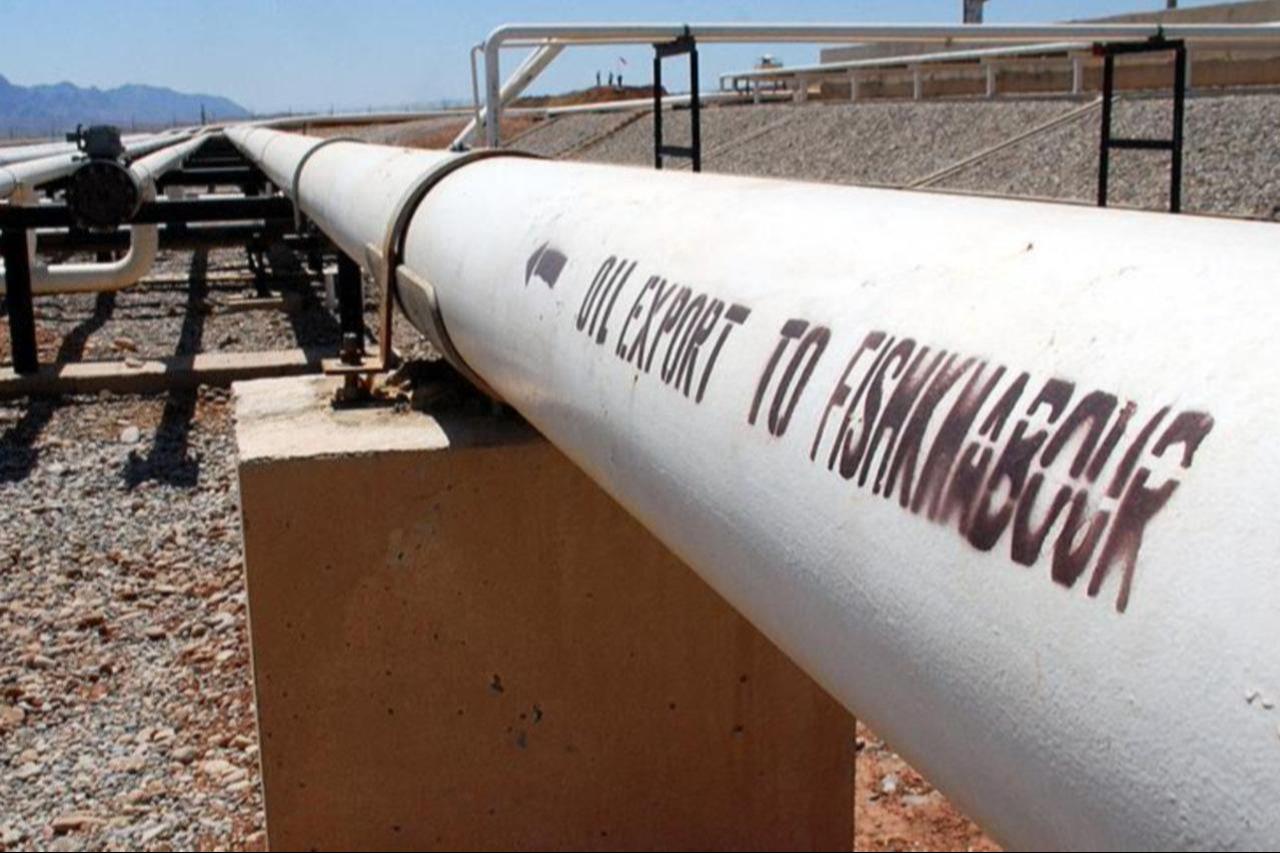
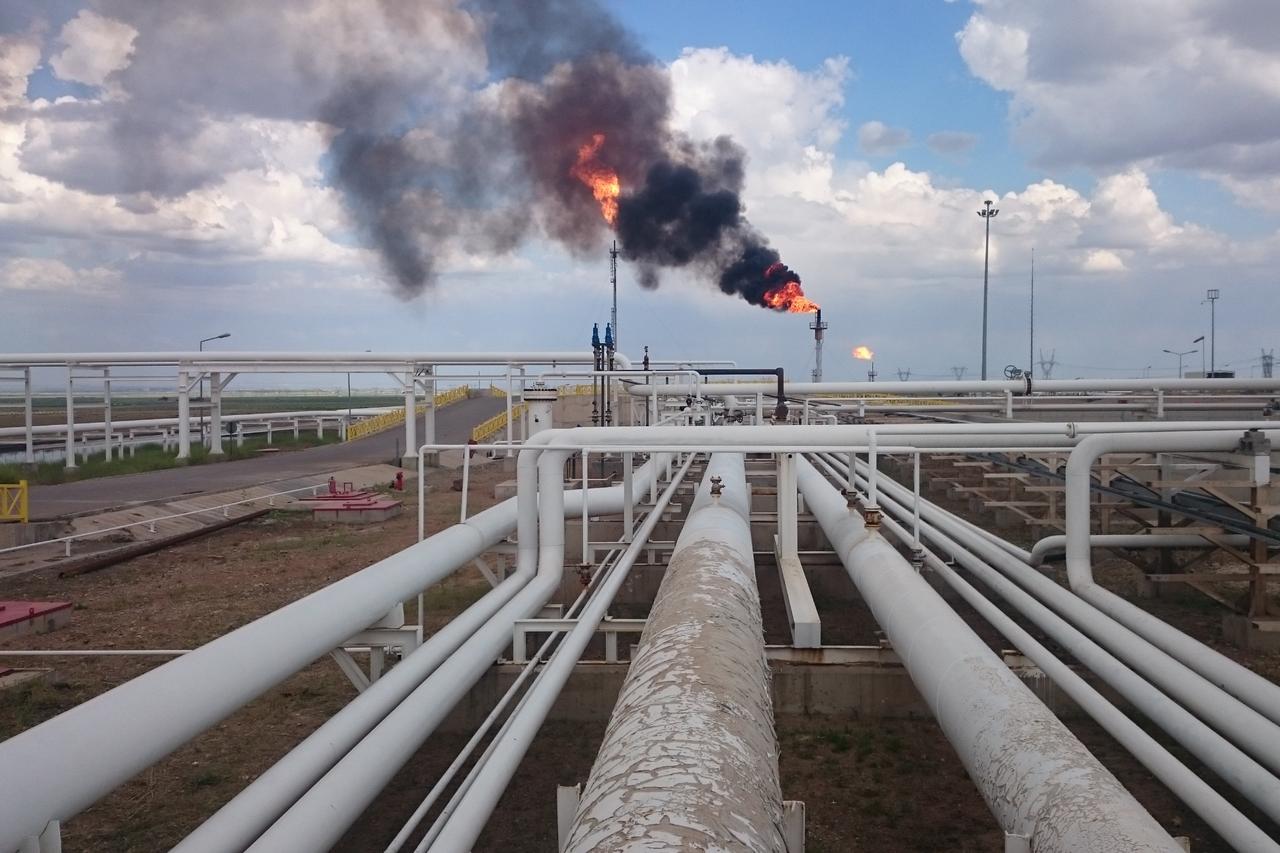
Iraq began exporting crude from the Kirkuk fields to Türkiye’s Ceyhan port on Wednesday to ease a supply bottleneck on its southern route through the Strait of Hormuz after the start of the Iran war.
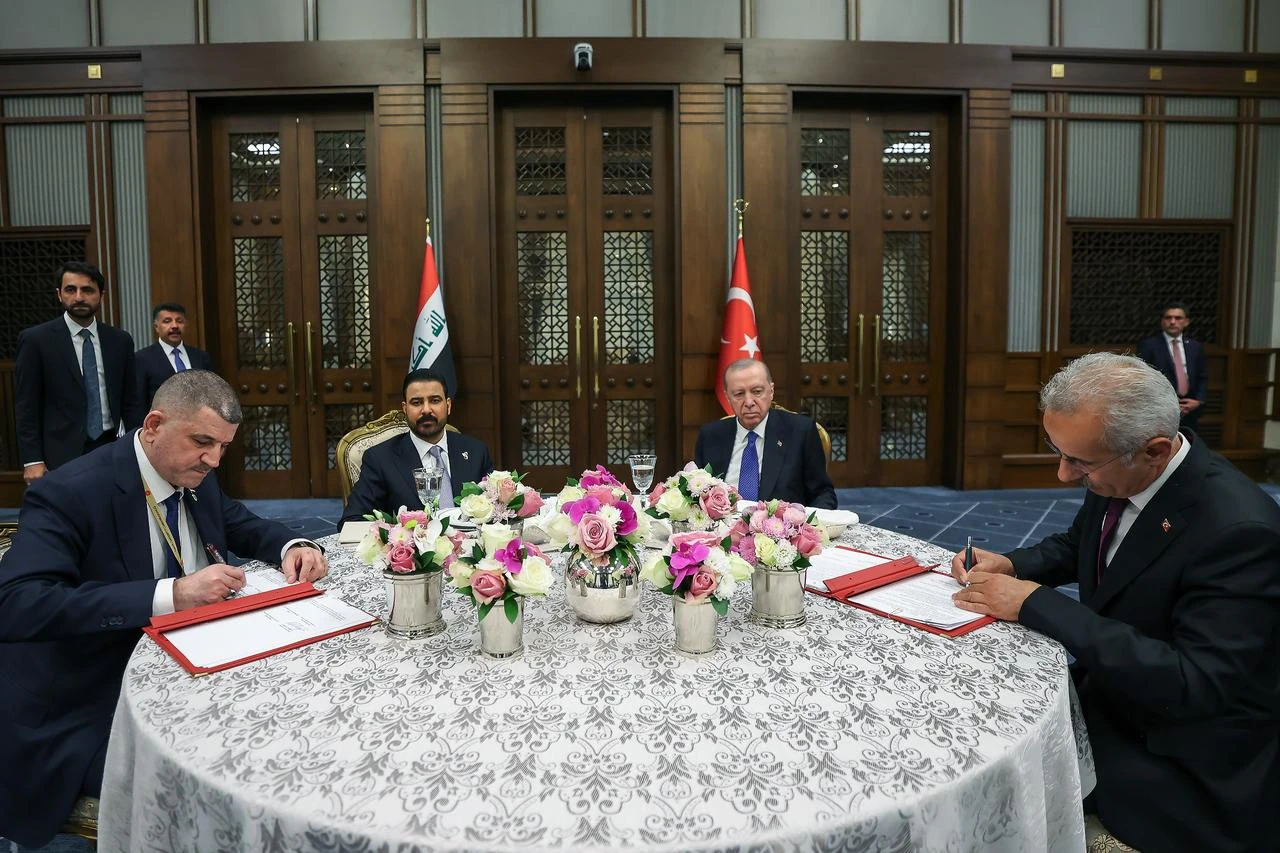
An agreement between Baghdad and Iraq’s Kurdish Regional Government (KRG) was reached on Tuesday to allow oil to move through the northern pipeline network.
Iraq’s Oil Minister Hayan Abdel Ghani said that shipments through Ceyhan would resume at 10 a.m. local time on Wednesday. Reuters later reported that Iraq had begun exporting crude from the Kirkuk fields to Türkiye’s Ceyhan port via pipeline, citing sources at the North Oil Company.
Baghdad had previously said the pipeline could initially transport about 250,000 barrels per day, with capacity increasing to around 450,000 barrels per day if production from fields in the KRG is included.
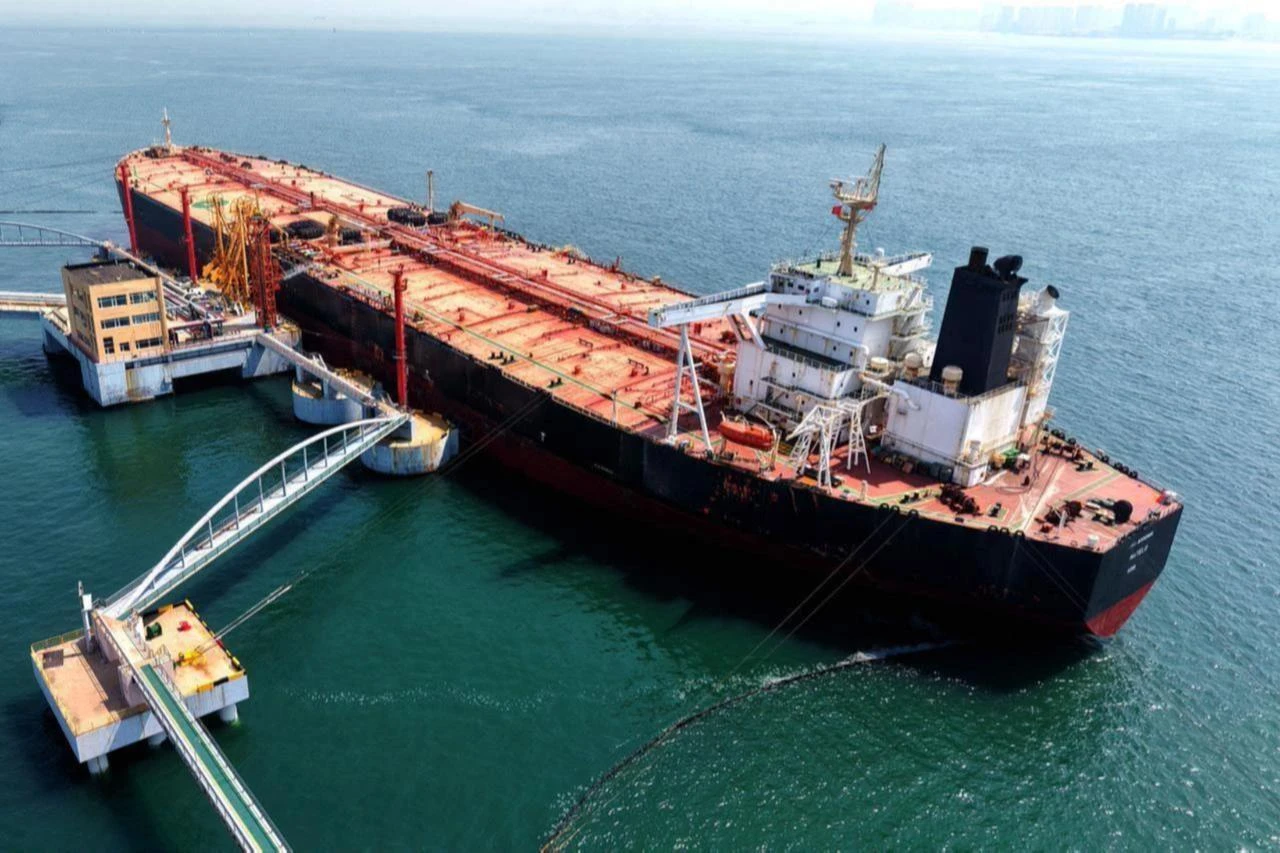
Iraq’s crude production currently stands at about 4.4 million barrels per day under its OPEC quota, but export capacity has been significantly affected. Before the escalation, the country exported roughly 3.4 million barrels per day, mainly through southern terminals such as Basra.
Following the closure of Hormuz, Iraq reduced output at its oil fields, with exports falling to around 1.4 million barrels per day—about one-third of previous levels.

The United States welcomed the agreement between Erbil and Baghdad. US Ambassador to Türkiye Tom Barrack said, "Many thanks to Erbil and Baghdad for their work to reach an agreement at this critical time to resume energy exports and improve prosperity for the region." "The United States remains fully committed to supporting these important efforts in this time of crisis," he added.
The move comes amid escalating tensions following attacks involving Iran, Israel, and the United States, which led Tehran to close the Strait of Hormuz. The conflict has disrupted energy markets, shipping routes, and aviation across the region.
Oil prices declined following signs that Iraq could resume exports through Türkiye and as efforts continued to reopen Hormuz. Brent crude fell 2.2% to $101.16 per barrel, while U.S. benchmark WTI dropped more than 3% to $92.2. Despite the restart, the additional volumes from northern Iraq are expected to only partially offset global supply concerns caused by the disruption in Gulf exports.


 Set as preferred source
 Set as preferred source


 1 min read
 1 min read