Newsletters


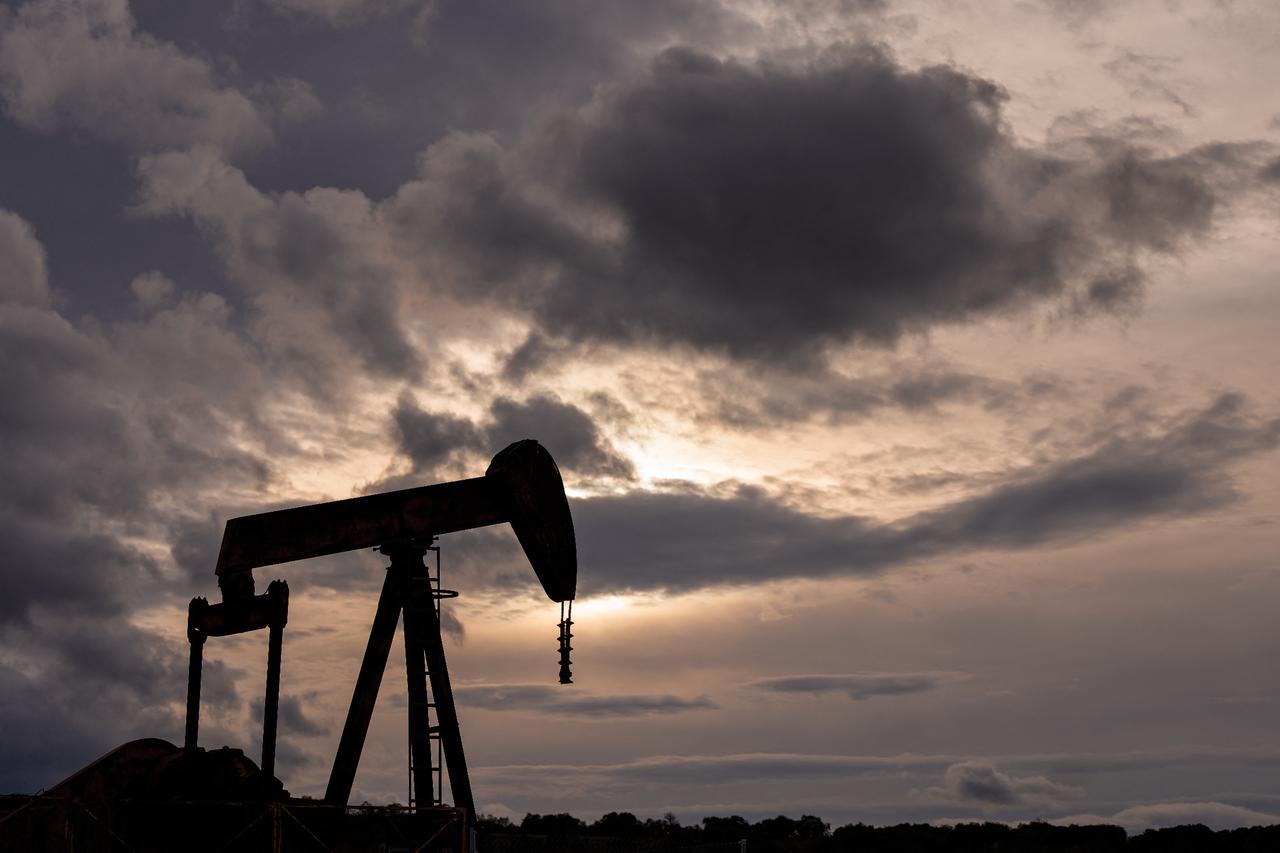


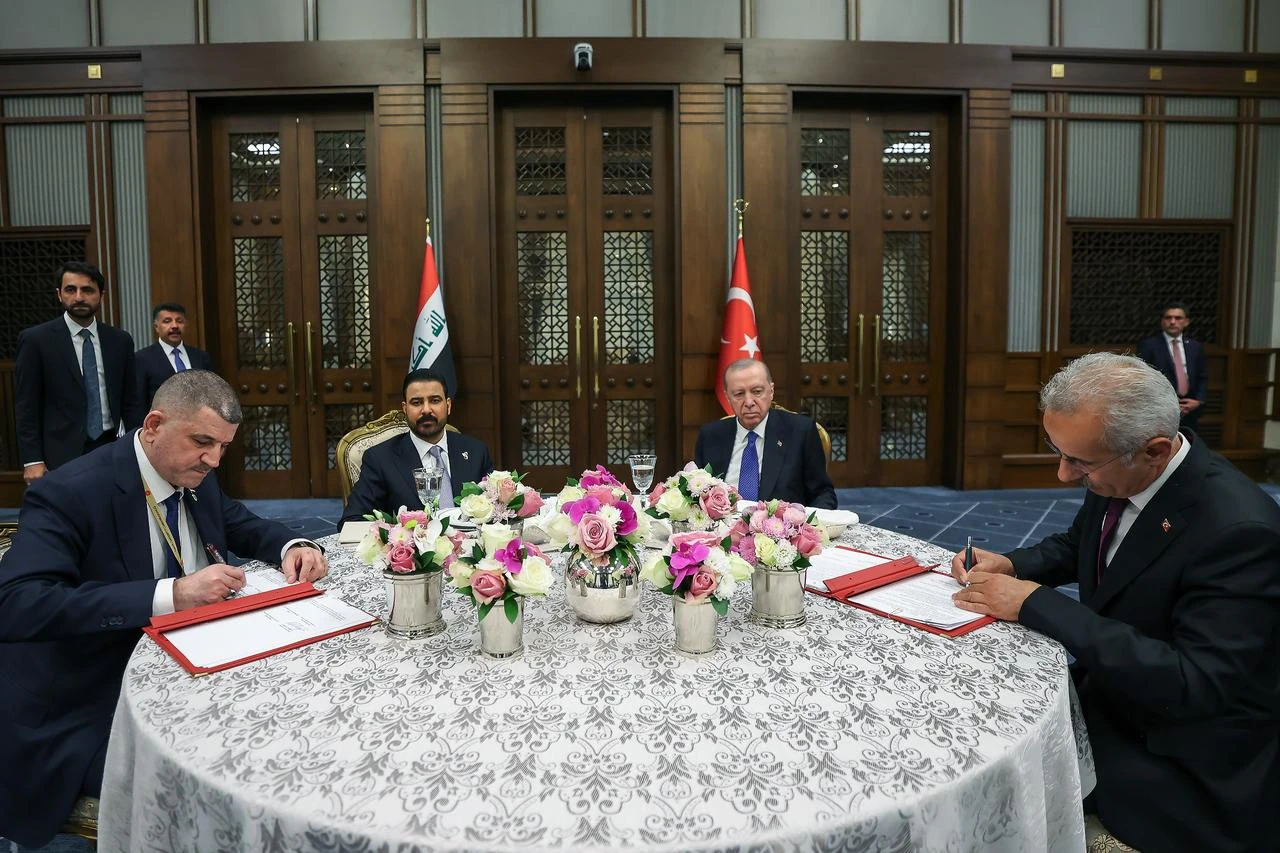
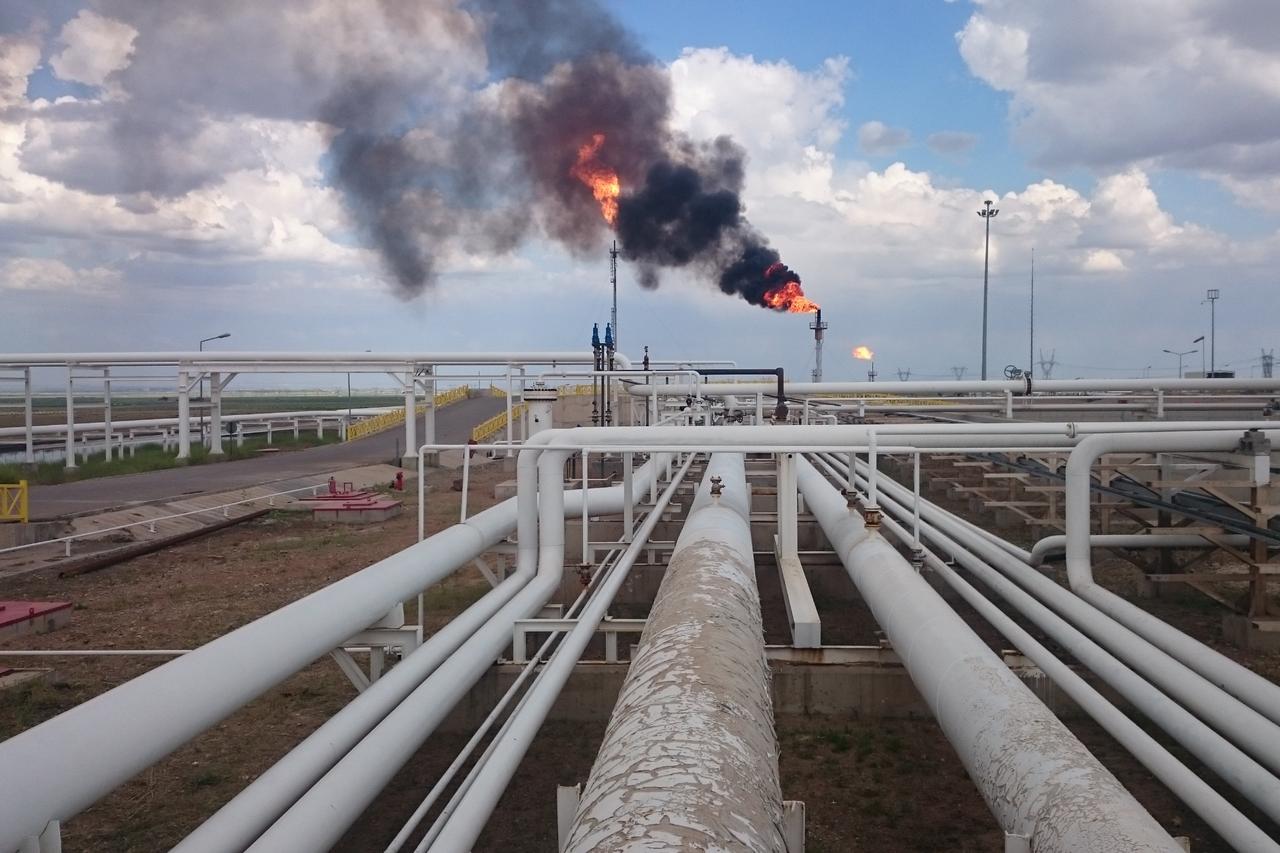
Iraqi Deputy Prime Minister and Oil Minister Hayan Abdul Ghani stated on Monday that the Kirkuk-Türkiye oil pipeline could be reactivated "within a week" through a route that bypasses Kurdish Regional Government (KRG) territory.
Iraq seeks alternative export routes after the closure of the Strait of Hormuz halted the country's oil exports through its southern terminals.
 Breaking News, Direct to You.
 Follow Türkiye Today on WhatsApp
for real-time updates and key insights from Türkiye and beyond.
Follow Türkiye Today on WhatsApp
for real-time updates and key insights from Türkiye and beyond.
Abdul Ghani stated that Iraq's crude oil production stands at approximately 4.4 million barrels per day according to its OPEC quota, but exports halted a few days after the war began in the region due to military developments in the Gulf and the closure of the Strait of Hormuz.
Iraq had previously exported approximately 3.4 million barrels per day through its southern terminals, primarily the Basra Oil Terminal, but the closure of the Strait of Hormuz forced the Oil Ministry to reduce production at oil fields.
"Oil production has now been reduced to 1.5 to 1.6 million barrels per day to meet the needs of refineries and power plants. Refineries are currently operating at the top of their design capacity, producing gasoline, diesel, white petroleum products, and LPG. Additionally, a certain amount of stock is being kept for emergencies," Ghani noted.
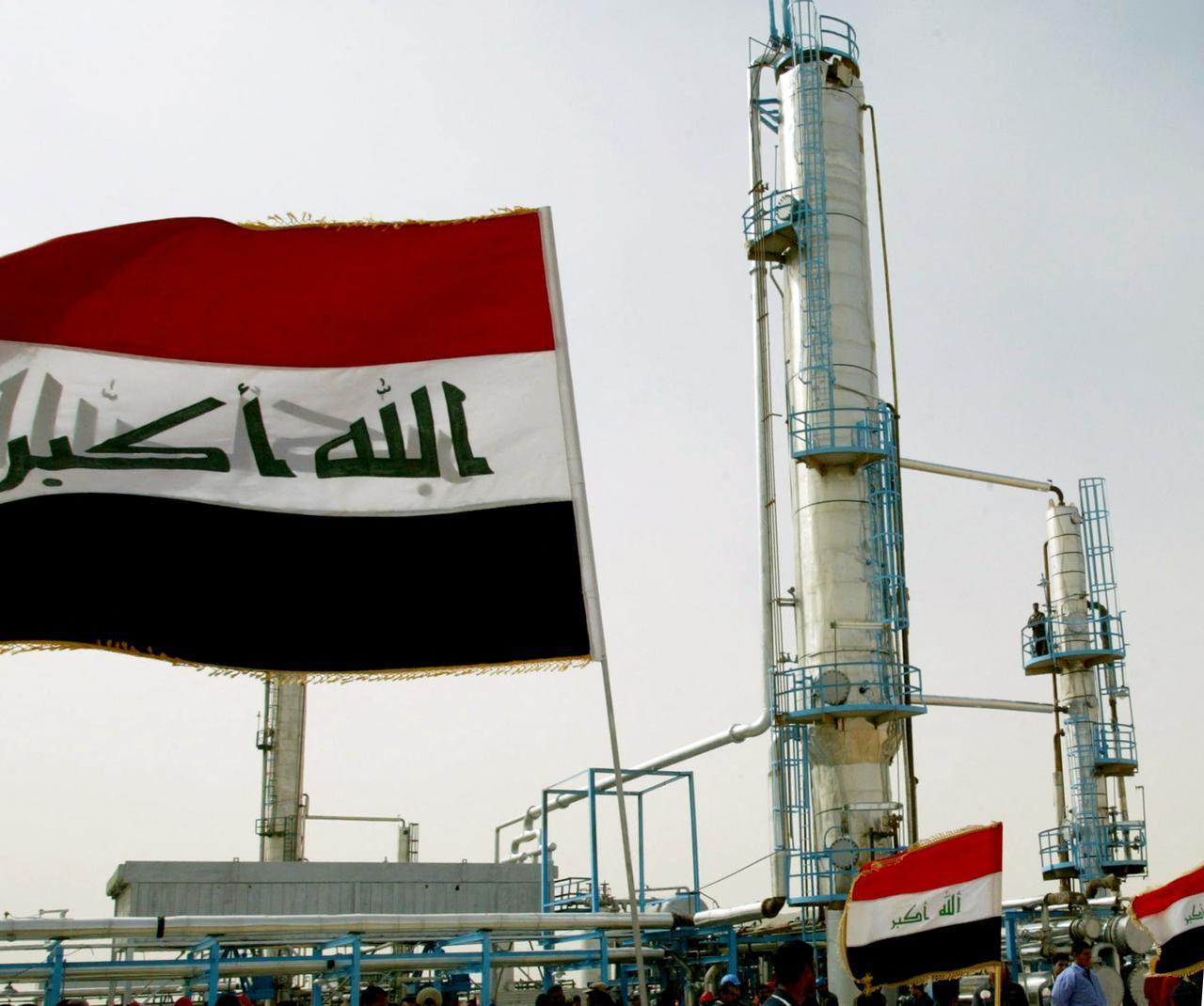

Iraq is evaluating shipping oil through Ceyhan Port in Türkiye, and tenders have been opened for exports via Banias Port in Syria and the Aqaba route, Ghani noted.
He said the Iraq-Türkiye pipeline, which carries Kirkuk oil to Türkiye and has a capacity of 200,000 to 250,000 barrels per day, is currently undergoing final testing and maintenance work.
A hydrostatic test covering approximately 100 kilometers of the line is expected to be completed within a week. "Oil from the Kirkuk fields can be sent directly to the line and to Türkiye without passing through KRG territory," Ghani added.
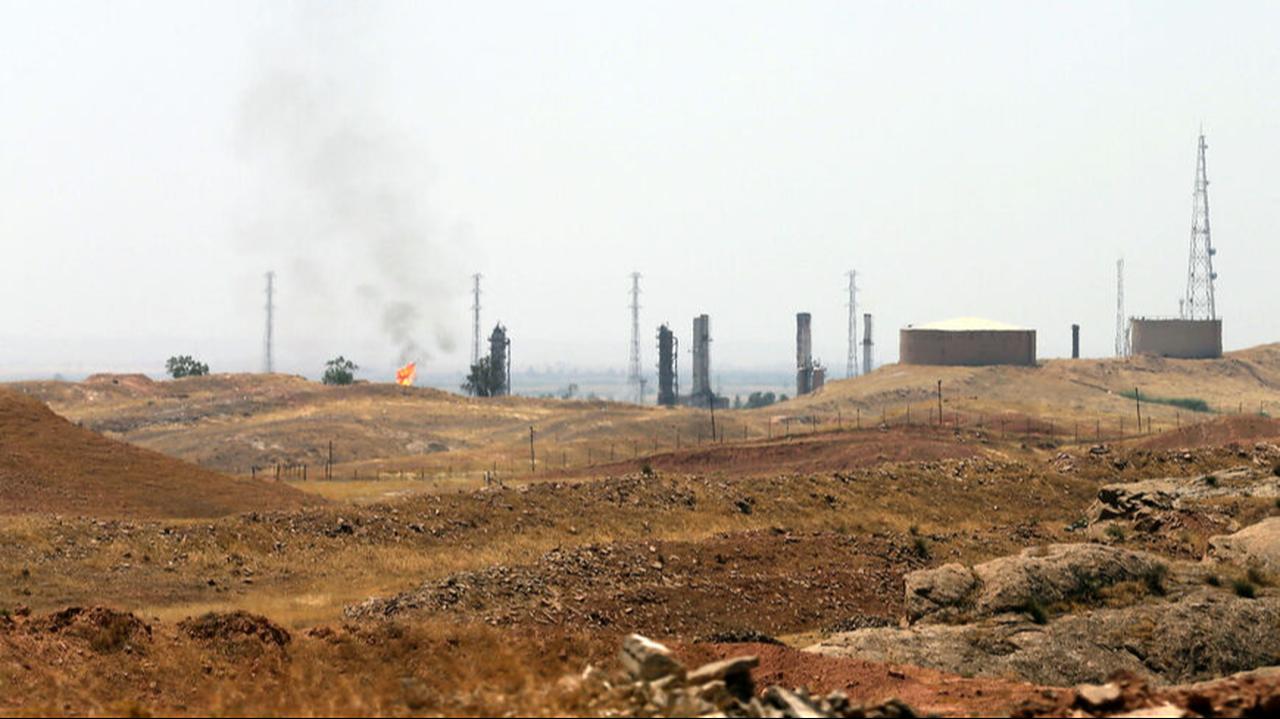
The Kurdish Regional Government's Ministry of Natural Resources said on March 15 that oil and natural gas production in the region has halted due to attacks by "illegal militias" and that there is no oil left to export.
The KRG ministry issued a written statement pushing back against Baghdad's position, saying Ghani's remarks distort the facts and aim to mislead the public.
"The current government in Baghdad has applied a suffocating embargo on the Kurdish region since January under the pretext of establishing the ASYCUDA customs data system and has not allowed merchants to be provided with dollars. Since then, there has been no commercial activity," the statement noted.
The statement said all oil and gas fields and refineries have been targeted by "illegal militias," resulting in the complete halt of production and no oil products available for export.
The KRG said it has "repeatedly called for constructive dialogue, but these calls have been ignored," and added, "We are ready to meet with expert teams to reach an outcome that benefits all of Iraq and from which the KRG will no longer be under pressure."
Iraq's oil ministry had previously said it attempted to initiate exports through the northern line via Ceyhan, but that the KRG had not approved this at the current stage.


 Set as preferred source
 Set as preferred source


 1 min read
 1 min read