Newsletters


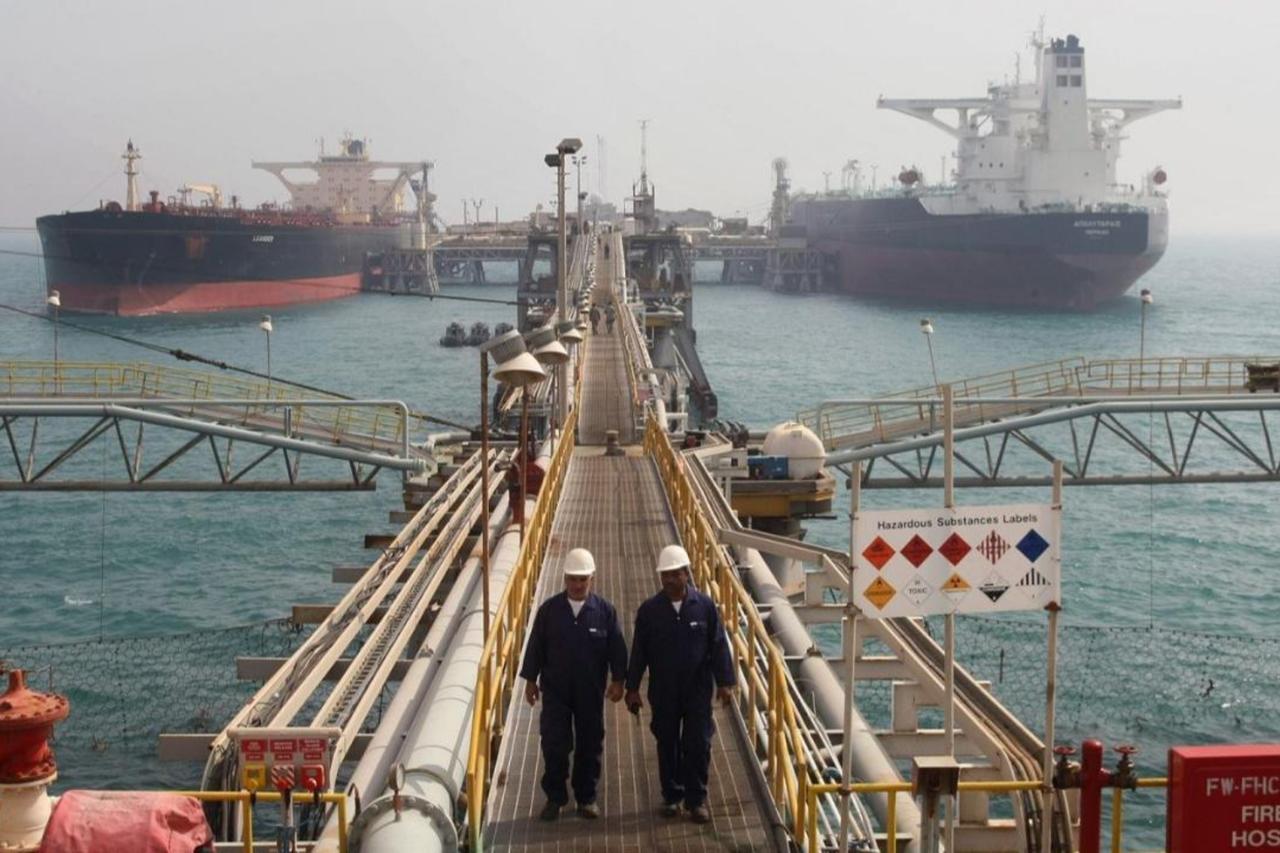


Iraq has opened talks with Iran to allow some of its oil tankers to pass through the Strait of Hormuz after recent attacks on vessels in Iraqi waters disrupted shipments and raised safety concerns for crews and cargo, Iraqi Oil Minister Hayyan Abdul Ghani told state media on Tuesday.
The move comes as traffic through the strait has declined amid ongoing conflict, with vessels increasingly exposed to security risks and shipping operators growing more cautious due to higher insurance costs. Iraqi authorities are seeking guarantees that their tankers can transit safely through the waterway, which remains a key choke point for global oil flows but has become more volatile as tensions escalate.
Iraq had been exporting around 3.4 million barrels per day through its southern terminals, mainly via the Basra Oil Terminal, but the closure of the Strait of Hormuz pushed the Oil Ministry to cut output at its oil fields.
At the same time, Iraq is moving to restart a long-idle pipeline that would carry oil directly from Kirkuk to Türkiye’s Ceyhan port, bypassing the Kurdistan Regional Government (KRG)-controlled network, according to officials.
Ghani said Monday that inspections of a 100-kilometer section of the pipeline would be completed within a week, a step needed to resume exports from Baghdad’s northern fields.
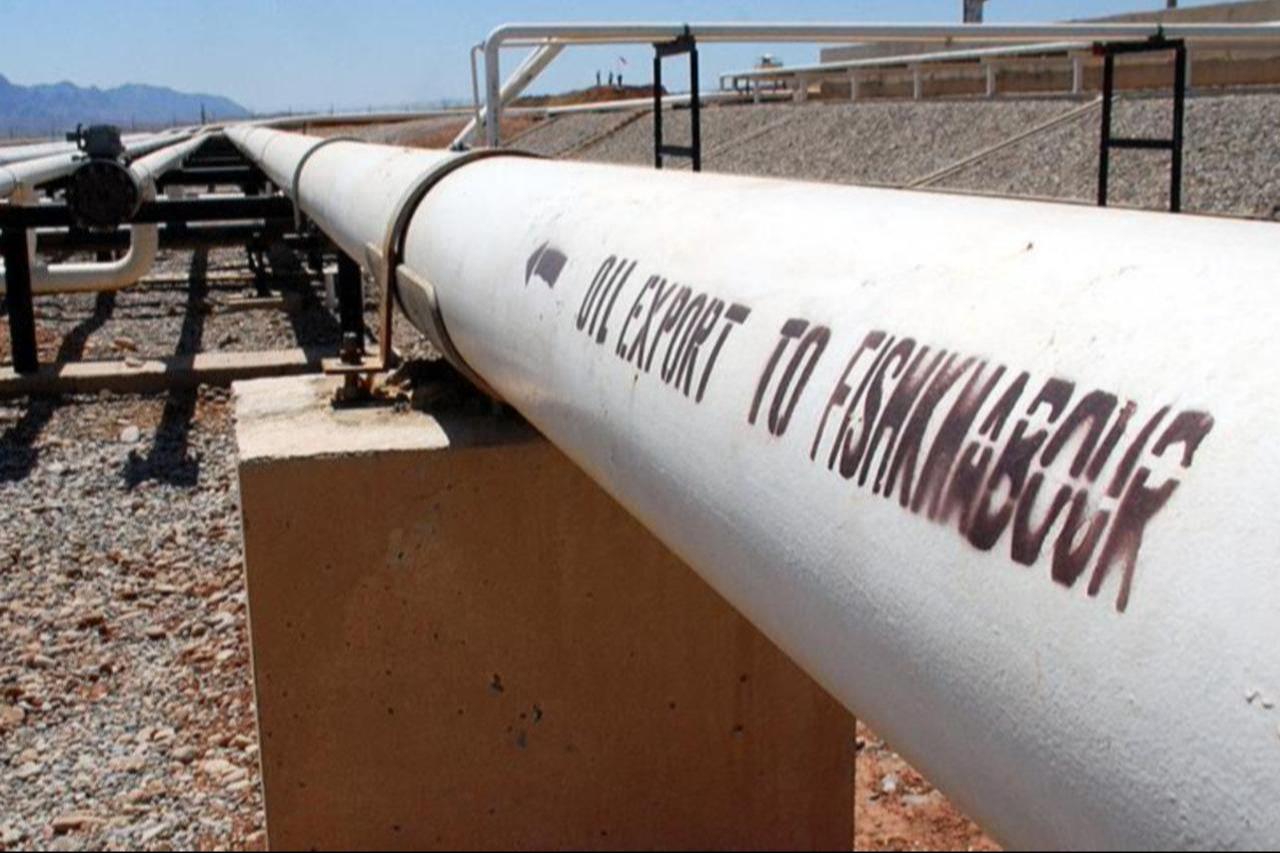

The direct link from Kirkuk to Ceyhan port has remained inactive for nearly 12 years after being heavily damaged in Daesh terror attacks in 2014, with crude from Kirkuk rerouted through the northern region’s pipeline system since then.
If brought back online, the federal pipeline could initially transport around 250,000 barrels per day, rising to about 450,000 barrels per day if output from fields in the northern region is also included. Before it was shut down, the 960-kilometer line handled roughly 0.5% of global oil supply.
Baghdad has recently tried to use the KRG pipeline as a temporary route for exports but accused the northern authority of imposing conditions on shipments. Iraqi officials warned they may take legal action if flows are blocked.
KRG authorities rejected the accusations, saying they are not obstructing exports and pointing to unresolved security and economic challenges affecting the region’s oil sector.


 Set as preferred source
 Set as preferred source


 1 min read

 1 min read