Newsletters




Iraq says it has reached an “understanding” with the United States and Iran to keep oil exports flowing despite disruptions linked to the Strait of Hormuz, a vital maritime route for global energy shipments.
Iraq’s oil ministry said it had coordinated with both Washington and Tehran to reduce the impact of the blockade affecting the Strait of Hormuz, without specifying when these arrangements were reached or how they would operate in practice.
A ministry spokesperson stated that there were “understandings with the American and Iranian sides to circumvent the blockade imposed on the Strait of Hormuz, and with all parties to guarantee exports,” indicating efforts to maintain continuity in shipments despite mounting regional tensions.
The Strait of Hormuz, located between the Persian Gulf and the Gulf of Oman, is one of the world’s most critical energy chokepoints, with a significant share of global oil and gas passing through it.
Earlier in the month, Iran said it would allow Iraqi shipping to pass through the waterway, a move announced before a fragile ceasefire was reached with the United States.
Although the ceasefire has eased some immediate tensions, uncertainty remains after Washington imposed a blockade on Iranian ports in the strait following a failed attempt to reach a broader agreement.
This sequence of actions has left maritime traffic constrained and added pressure to already volatile energy markets.
With access through the strait disrupted, Iraq has increasingly turned to secondary export routes to keep oil flowing.
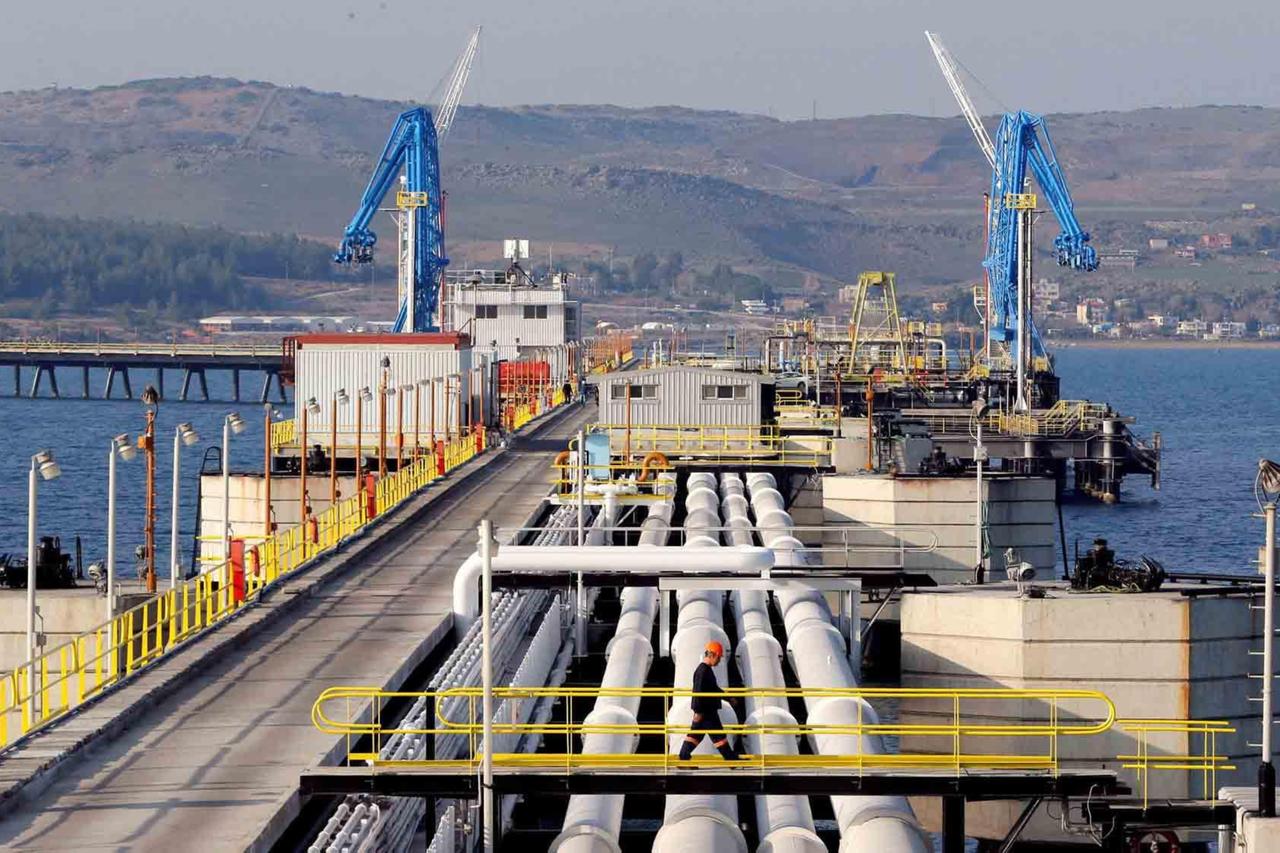
Officials confirmed that exports continue through a pipeline linking Iraq to the Turkish port of Ceyhan, as well as through Syria’s Baniyas port. In addition, Iraq has begun transporting crude by tanker trucks via Syria, reflecting efforts to scale up alternative logistics.
Exports through Ceyhan have resumed at a rate of 250,000 barrels per day, providing a partial outlet as the country adjusts to shifting conditions.
The broader conflict in the Middle East has unsettled global energy markets, particularly after Iran tightened control over the strait, slowing maritime traffic and reportedly introducing transit fees.
For Iraq, the stakes are especially high, as oil exports account for around 90% of state revenues. The disruption has already had a sharp financial impact, with revenues falling by more than 70% in March compared to the previous month.


 Set as preferred source
 Set as preferred source


 3 min read