Newsletters


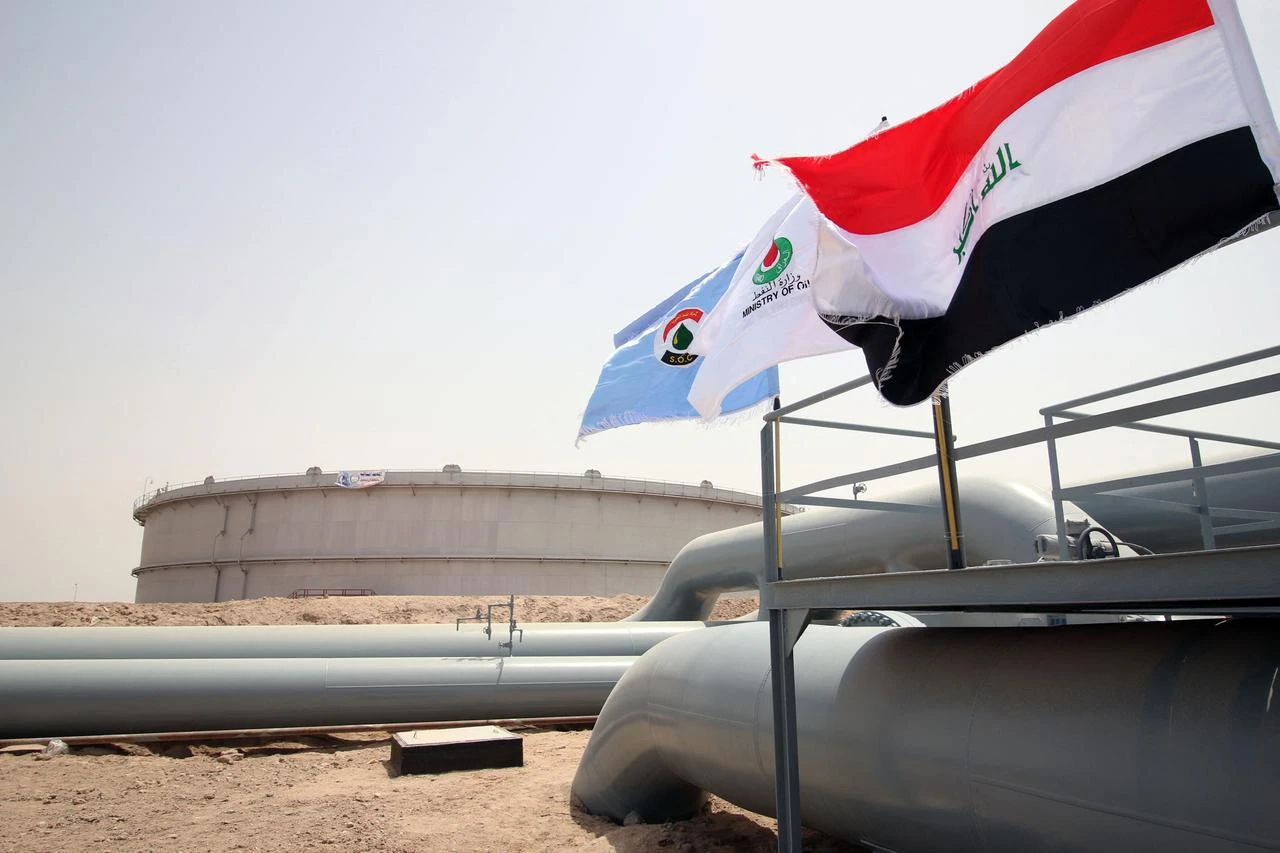


Iraqi Prime Minister Ali al-Zaidi said Iraq is working to increase oil exports through Türkiye’s Ceyhan Port, while also pursuing export routes through Syria’s Baniyas and Jordan’s Aqaba ports.
Speaking at the 8th Baghdad Dialogue Conference, Zaidi said work was underway on alternative routes to increase Iraq’s oil export capacity.
Zaidi said Baghdad is working to expand oil exports through Ceyhan and also aims to export through Baniyas and Aqaba.
He said Iraq is trying to increase its export share within the Organization of the Petroleum Exporting Countries (OPEC), adding that the country aims to reach 8 million to 10 million barrels per day within six years.
Zaidi argued that Iraq fought the terrorist group Daesh on behalf of the region and the world, saying it would be fair for his country to receive a crude oil export share proportional to its population and oil reserves.
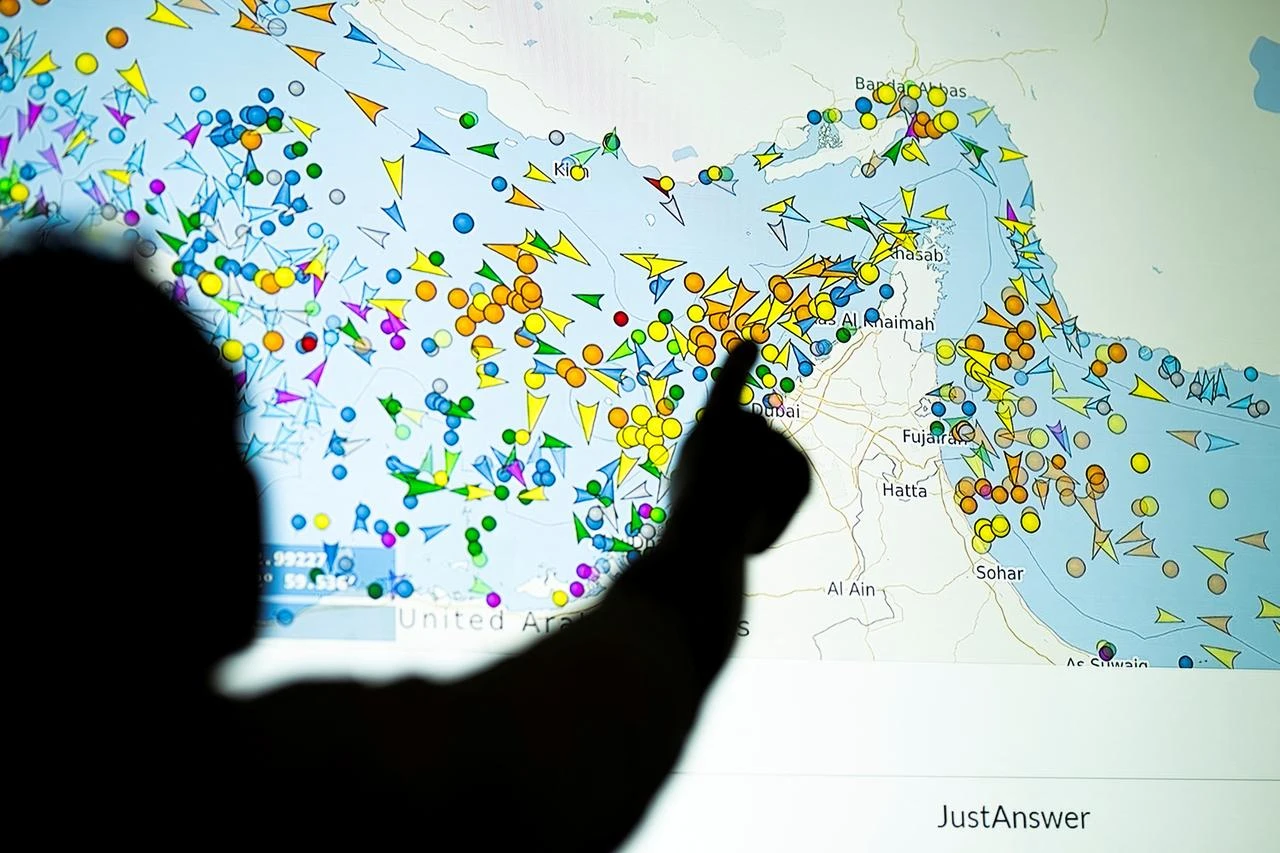

Iraq’s oil export push comes as disruptions to shipments through the Strait of Hormuz have increased the strategic importance of alternative export routes.
Crude oil sales account for nearly 90% of Iraq’s revenue, but exports have been hit by the war between Iran and the United States, which choked off the Strait of Hormuz.
Before the conflict, Iraq produced about 4 million barrels per day and exported an average of 105 million barrels per month, mostly from its Basra oil terminal through Hormuz.
Due to the waterway disruption, Iraq began exporting crude using tanker trucks through Syria, as well as through a pipeline to Türkiye’s Ceyhan Port.
“The closure of the Strait of Hormuz poses a major challenge,” Zaidi said.
After a drop following the closure of the strait, Iraqi oil exports recovered slightly to about 49 million barrels in July, with more than 30 million barrels passing through Hormuz.
In the first two weeks of August, Iraq exported an average of 2 million barrels per day, its highest level since the start of the Middle East war.

Iraq’s plan to increase oil supplies to Türkiye, combined with a new agreement to transport at least 750,000 barrels per day through the Iraq-Türkiye pipeline, could strengthen Ceyhan’s role as a major regional hub for Iraqi oil exports to global markets.
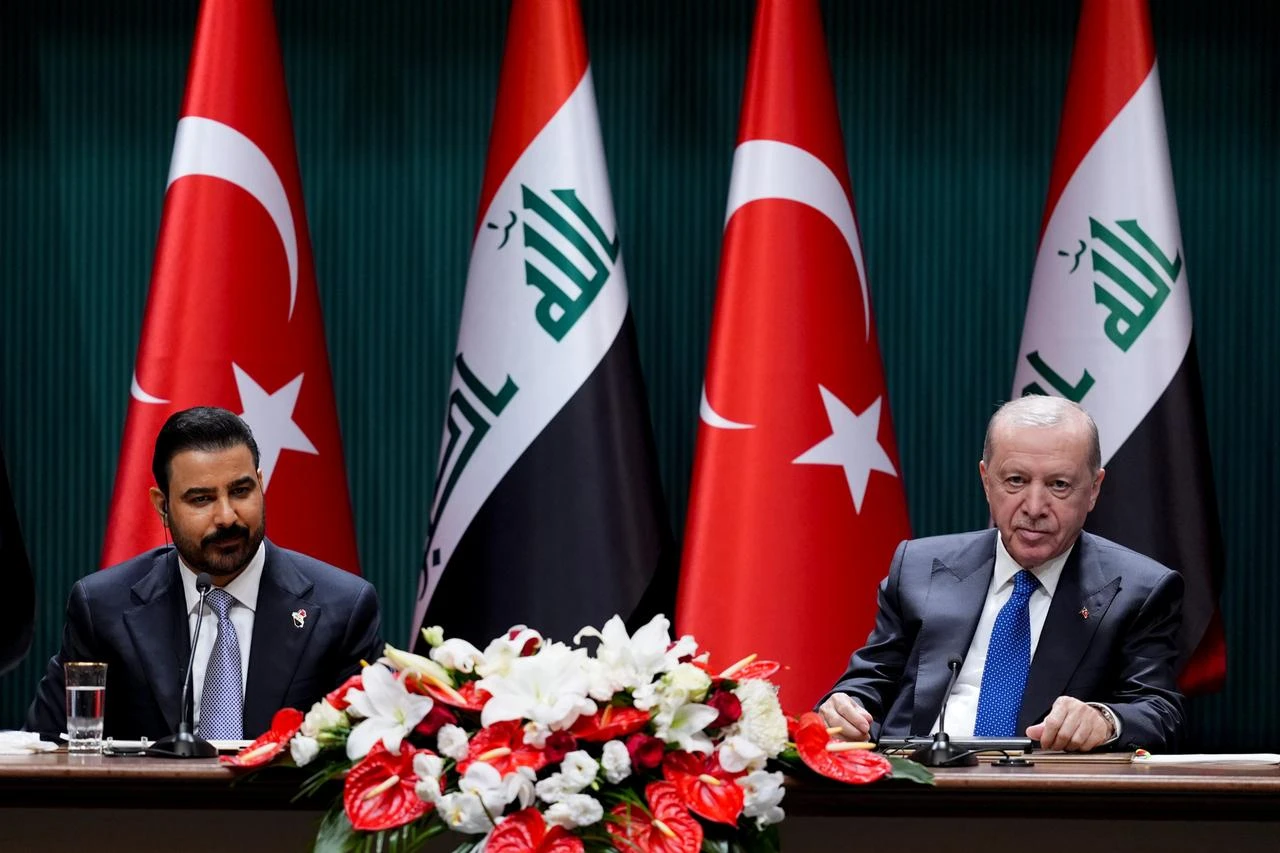
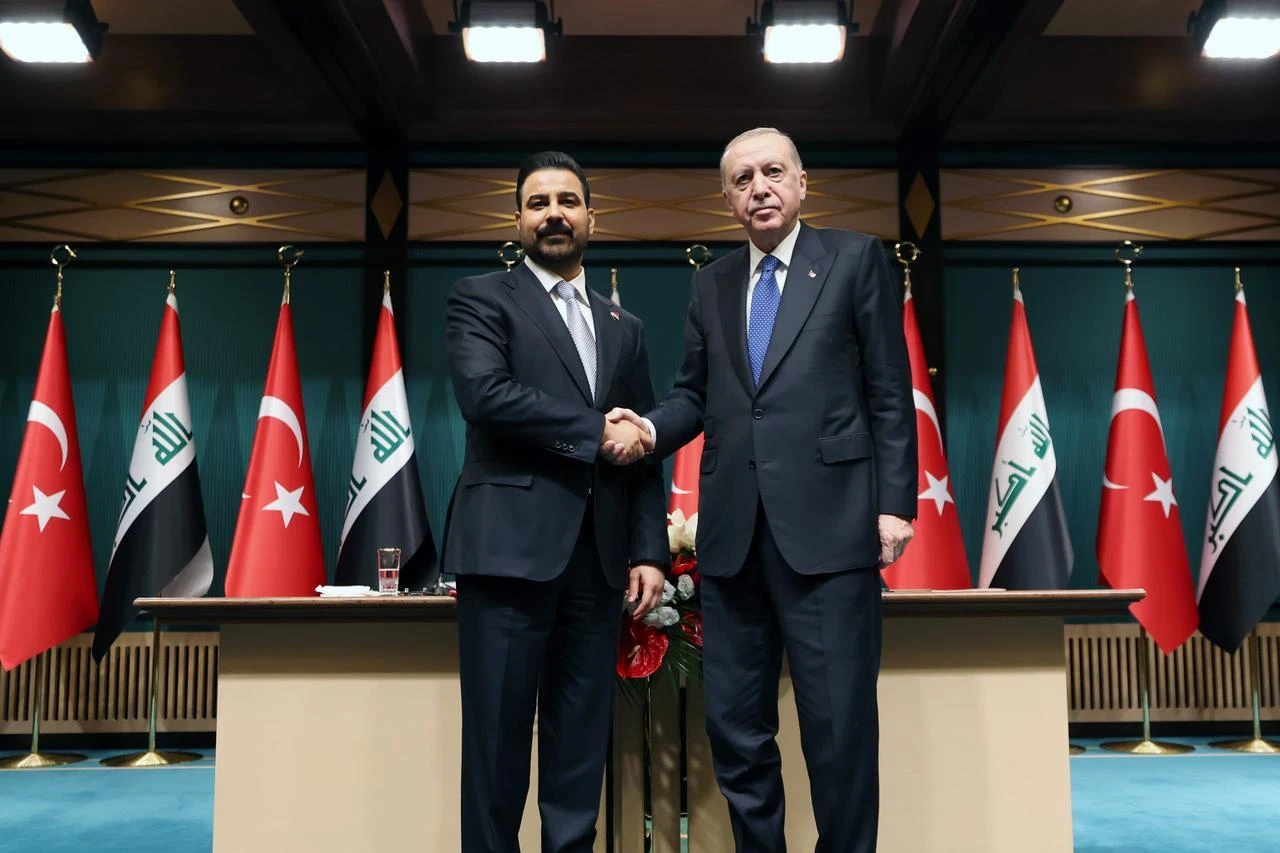
Zaidi said July 28 that Baghdad could supply Türkiye with up to 1 million barrels per day, highlighting Iraq’s growing importance in Türkiye’s efforts to strengthen its regional energy role.
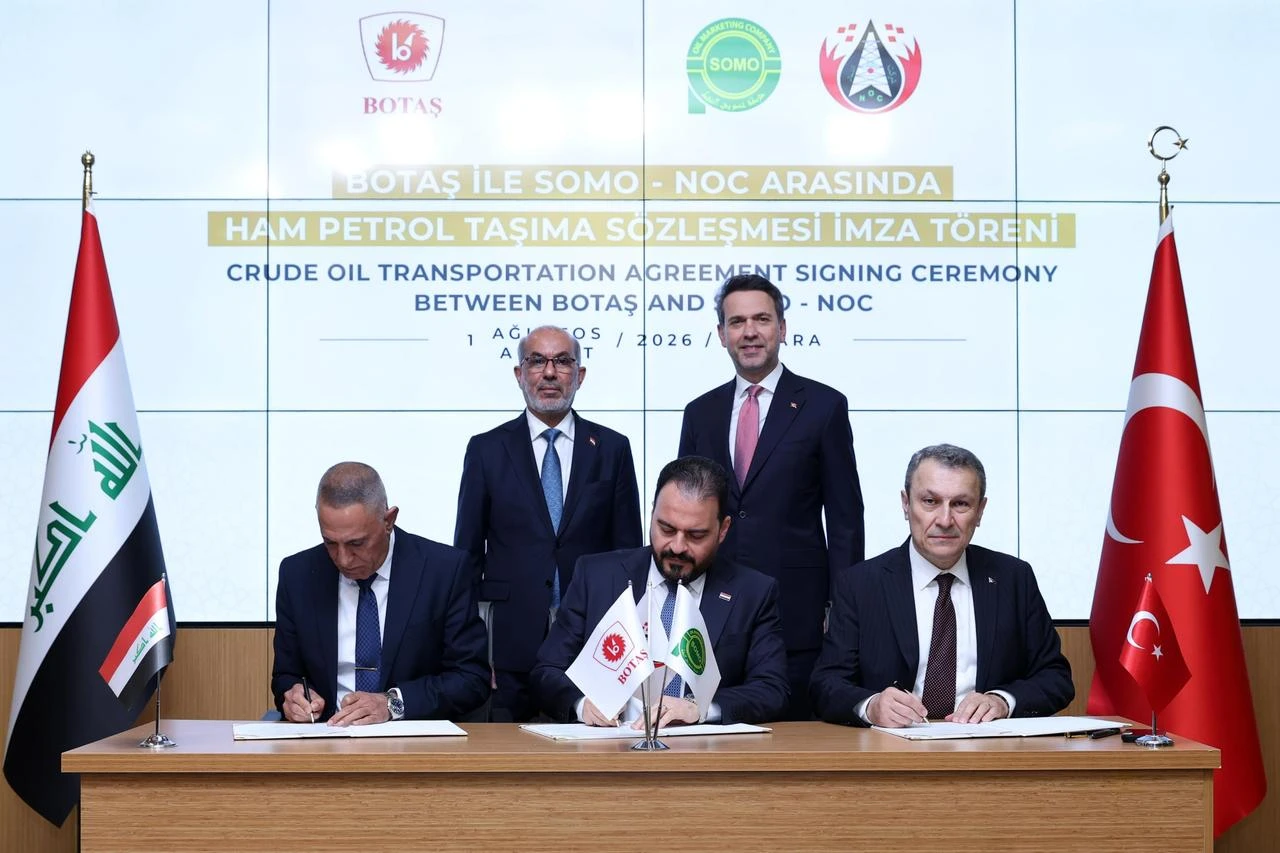
Days later, Türkiye and Iraq signed a one-year agreement on Aug. 1 to transport and load at least 750,000 barrels of crude per day at Ceyhan through the Iraq-Türkiye Crude Oil Pipeline.
The agreement aims to make greater use of the pipeline’s technical capacity of about 1.5 million barrels per day and significantly increase Iraqi crude flows to Ceyhan.
Longer-term plans also include using the route to transport oil from Kuwait and other Gulf producers to global markets.
Located on Türkiye’s southern Mediterranean coast near the Gulf of Iskenderun, Ceyhan oil terminal receives crude from Iraq’s Kirkuk and other producing fields for loading onto tankers.
Ceyhan is also the Mediterranean outlet for the Baku-Tbilisi-Ceyhan (BTC) pipeline, which carries Caspian crude from Azerbaijan through Georgia and Türkiye.
Its crude storage and tanker-loading infrastructure make Ceyhan a key junction for regional oil flows into international markets.
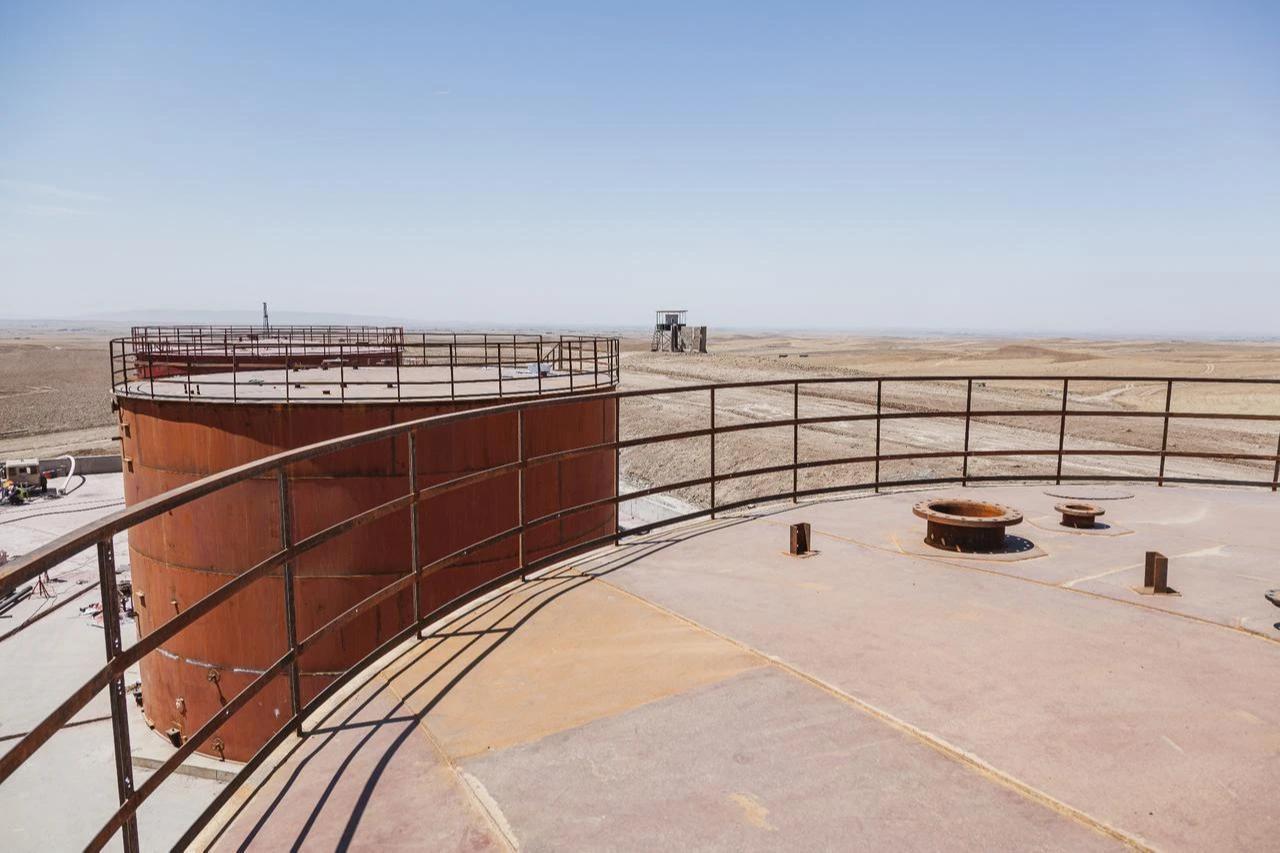
Energy ties between Türkiye and Iraq are also expanding beyond crude transportation into upstream production.
Türkiye is stepping up overseas operations as part of a strategy to increase the oil and gas production of state-owned Turkish Petroleum Corporation (TPAO).
TPAO’s output is expected to reach about 500,000 barrels of oil equivalent per day by 2028, with a medium-term target of 1 million barrels of oil equivalent per day.
Kirkuk is emerging as a key part of that strategy.
TPAO on July 28 acquired a 15% stake in bp Energy Company of Kirkuk Limited, joining the development of oil fields in Kirkuk.
Under the partnership, TPAO, bp and ConocoPhillips are expected to work together to increase production from the Baba and Avanah domes, as well as the Bai Hassan, Jambur and Khabbaz fields.
Expanding cooperation into upstream production supports Türkiye’s drive to boost its oil and gas output while laying the groundwork for a broader energy corridor that could carry Iraqi and Gulf crude through Ceyhan to international markets.
Zaidi’s pledge to supply Türkiye with up to 1 million barrels per day is significant because it demonstrates shared political will between Ankara and Baghdad to deepen energy cooperation, Sercan Caliskan, an Iraqi studies researcher at the Center for Middle Eastern Studies (ORSAM), told Anadolu.
Caliskan said supplying 1 million barrels per day could be challenging at this stage but argued that the political commitment to expand existing capacity was more important than the immediate feasibility of the target.
“The key point is that Ankara and Baghdad have demonstrated a common political will to expand existing capacity,” he said.
Zaidi’s pledge in Ankara to “pump more oil in the energy sector” also signals Iraq’s willingness to increase production and export capacity in cooperation with Türkiye, Caliskan said.
For Türkiye, the implications go beyond importing more Iraqi crude, according to Caliskan.
“Higher volumes of Iraqi oil reaching global markets through Ceyhan would strengthen Türkiye’s goal of becoming an energy hub while helping develop an alternative route that could partially reduce dependence on the Strait of Hormuz in terms of energy security,” he said.
Oguzhan Akyener, president of the Turkish Energy Strategies and Policies Research Center (TESPAM), said the Iraq-Türkiye crude oil pipeline has a technical capacity of about 1.5 million barrels per day.
The main constraint is not pipeline capacity but the volume of crude that can be directed to Ceyhan, he said.
Supplies could come from both northern Iraqi fields and producing regions in central and southern Iraq.
Pipelines linking the Basra region with Kirkuk have a capacity of nearly 1 million barrels per day, according to Akyener.
“By adding volumes from Basra or the Baghdad area to production in the north, reaching the 1 million bpd supply target is technically possible within a short period,” he said.
Higher Iraqi crude flows through Türkiye would also strengthen the country’s energy security and geopolitical position, he said.
“In times of crisis, we could have the opportunity to receive and store larger volumes of oil at Ceyhan and become involved in more energy projects in Iraq,” he said.
Akyener added that bringing more crude to Ceyhan could support plans to process some of those supplies in Türkiye before exporting them as refined fuels and petrochemical products.
“When considered together with plans to process more crude in Türkiye and market it internationally as fuel and petrochemical products, a flow of 1 million bpd from Iraq would be an important step toward Türkiye’s goal of becoming an energy hub,” Akyener said.


 Set as preferred source
 Set as preferred source


 1 min read
 1 min read