Newsletters




Two Israeli-linked companies are commercially selling technology capable of pinpointing the global location of Starlink satellite terminals and identifying their users, a Haaretz investigation has revealed. These companies are currently the only known firms worldwide offering these tracking capabilities on the commercial market.
The disclosure comes as Iran arrested dozens of people in separate incidents for using Starlink devices to pass intelligence to what Tehran called "hostile and counter-revolutionary networks."
The first company, TargetTeam, operates out of Greek Cyprus under Israeli ownership, drawing its staff from cyber-intelligence veterans of Rayzone and Cognyte. The firm markets a specialized system called Stargetz. Sales documents obtained by Haaretz reveal that the platform can actively track nearly one million Starlink terminals globally.
In a live demonstration seen by Haaretz, the company showed an interactive map covering terminals across the Middle East, the Arabian Peninsula and Gulf, India, Russia and China, including offshore clusters in the Arabian Sea and Bay of Bengal consistent with vessels.
The system reportedly tracked one million terminals and had "deanonymized" approximately 200,000. It updates at six-minute intervals and does not claim real-time tracking capability.

The second company, Rayzone, sells a similar Starlink monitoring system, marketed as part of a broader intelligence suite including big-data analytics and an "ad-INT" advertising intelligence product. Rayzone's sales are overseen by Israel's Defense Ministry.
In one demonstration, Stargetz identified a user registered with a Mexican phone number who was in fact operating from Pakistan and frequently traveling to Iran.
Both companies confirmed to Haaretz through sales materials that they do not hack into Starlink or intercept its traffic. Instead, they fuse together large-scale datasets, likely including mobile communications data, digital advertising identifiers, and behavioral traces from browsing and social media, to locate terminal positions and match them to individual users.
"It's not one source, it's not one sensor, it's connecting many layers of information and big data," a salesman told prospective clients.
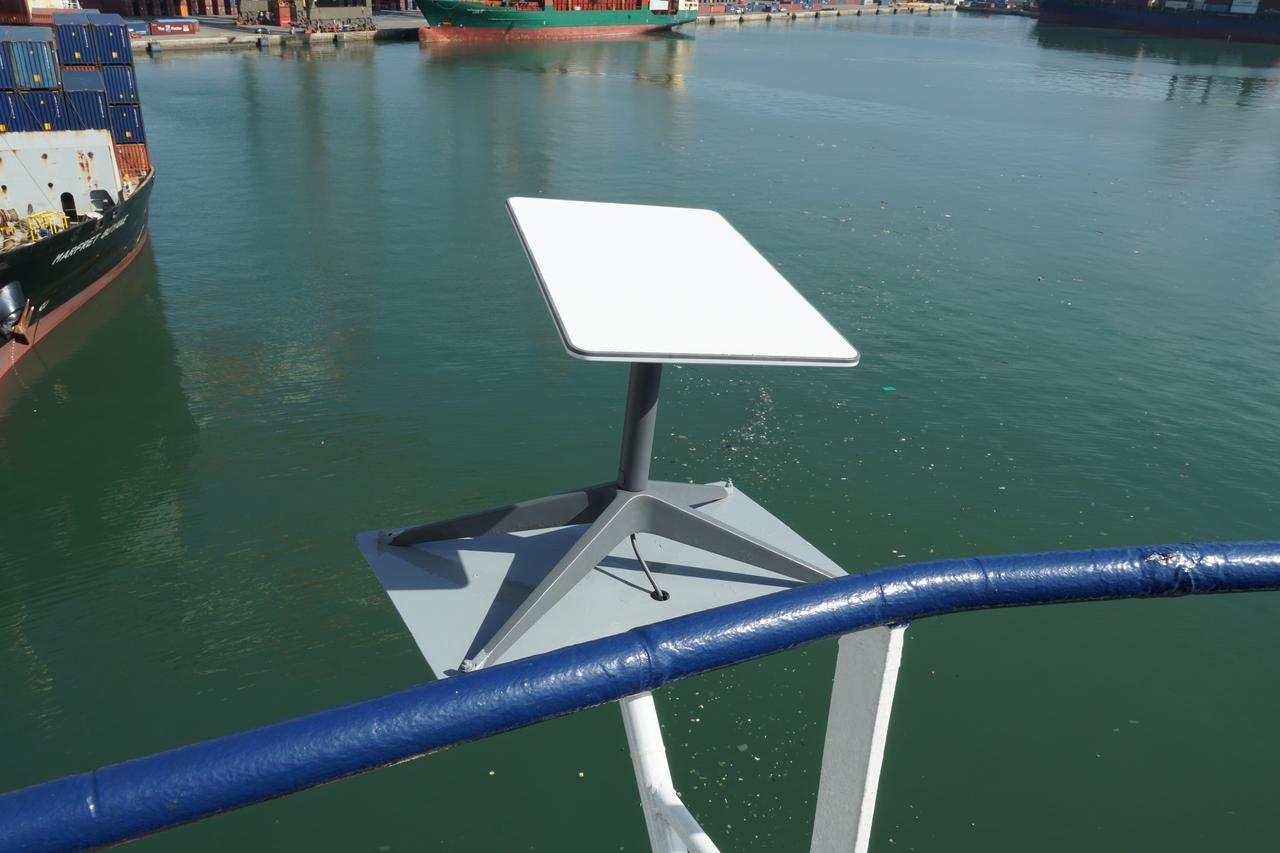
"The ship can hide, but the crew still needs porn and TikTok," another salesman noted, referring to the system's application to vessels that disable their AIS (Automatic Identification Systems) transponders.
Haaretz reported that unique advertising identifiers, the codes Apple and Google assign each user to enable personalized advertising, appear central to the user-identification element of both systems, based on the prominence with which both firms also market advertising-based intelligence capabilities alongside their Starlink products.
"It makes it all the more alarming that the locations of these terminals can be tracked, apparently through the processing of commercial and adtech data sources," said Donncha Ó Cearbhaill, head of Amnesty International's Security Lab.
"While the adtech industry continues generating and selling huge volumes of location records and other highly sensitive data, it will keep fueling unintended threats that leave all of us, journalists, activists and ordinary users alike, exposed to state actors and cybercriminals," he added.
This new capability is the surveillance industry's answer to the obsolescence of traditional satellite interception. As Starlink operates a massive network of over 8,000 low-Earth orbit satellites, classic signals interception is—as one source told Haaretz—now "physically impossible."
The tools join a broader trend of mass-data surveillance that industry insiders describe as the "Palantirization" of homeland security—a shift from targeted exploitation of individual devices as with NSO's Pegasus toward mass aggregation and analysis of vast datasets.
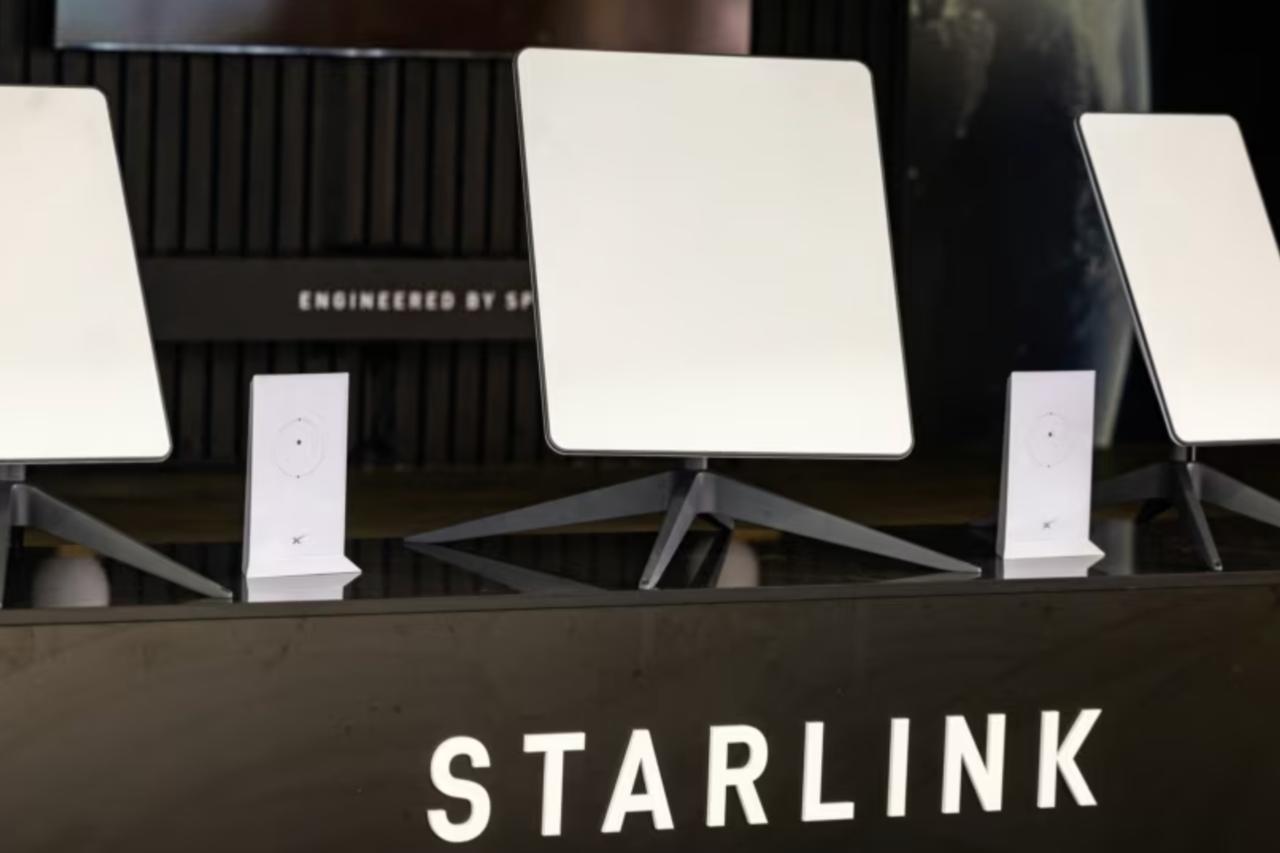
Iranian authorities arrested a man in Tehran after a citizen tip-off led police to a residence in the city's Chitgar district, where Starlink equipment was recovered, Iran's semi-official ISNA news agency reported, citing the Tehran Police.
The suspect allegedly confessed to using the equipment "to gather and transmit information outside the country" during the U.S.-Israeli war on Iran that began Feb. 28.
"Persons cooperating with hostile networks and threatening the country's security are under close intelligence surveillance and will be dealt with according to the law," the police statement said.
Separately, Agence France-Presse (AFP) reported Iranian authorities arrested two foreign nationals in Jolfa, East Azerbaijan province, on charges of importing Starlink devices, with Tasnim News Agency reporting they were part of "a network accused of intelligence cooperation with groups linked to the United States and Israel."
Two Iranian nationals were also arrested in connection with the same case.
Starlink has been officially banned in Iran. Since the war began on Feb. 28, Iran has been largely cut off from the global internet.


 Set as preferred source
 Set as preferred source


 1 min read
 1 min read