Newsletters


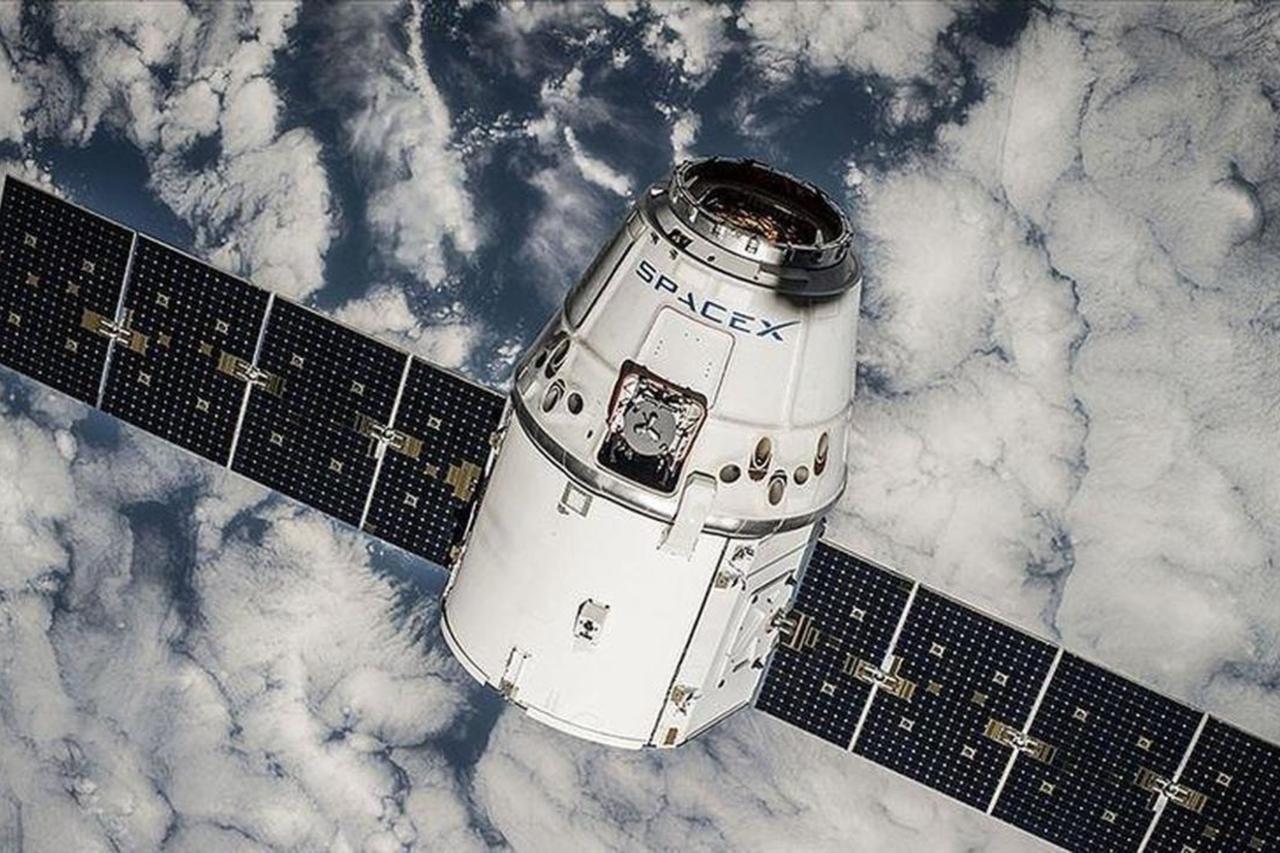


The Iranian government implemented a comprehensive internet blackout on Thursday to suppress nationwide demonstrations against the ruling administration. This technical blockade included targeted interference with Starlink satellite signals, which have served as a primary tool for activists to document internal developments.
Experts monitoring the situation report that national connectivity has flatlined at approximately 1%, representing one of the most severe digital isolations in recent history.
Technical analysts report that the current interference employs military-grade jamming equipment specifically designed to disrupt data uploads. While Tehran has attempted to block satellite signals for years, this recent escalation represents a sophisticated effort to isolate the capital from the global information network.
Sources indicate that nearly 80% of Starlink traffic was successfully degraded during peak hours through high-intensity radio frequency interference.
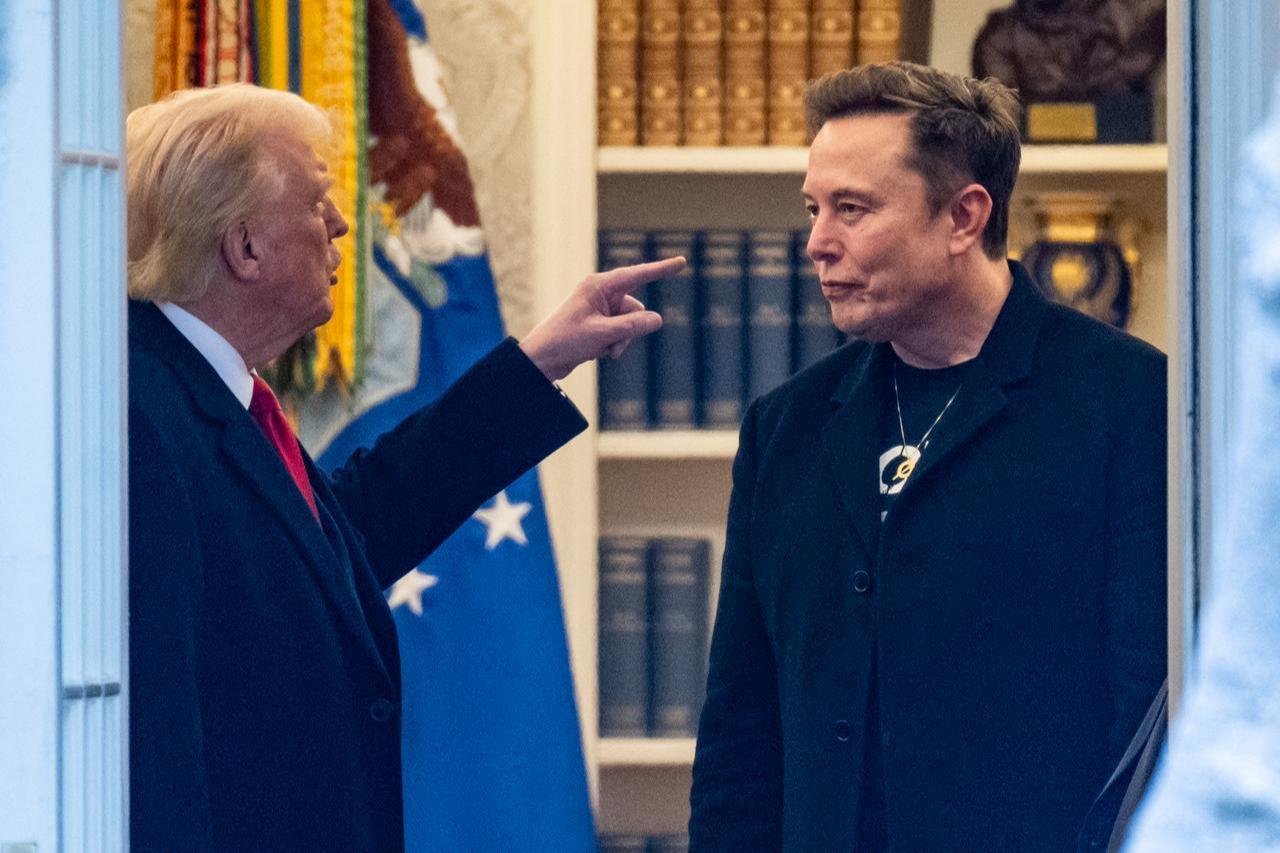

U.S. President Donald Trump confirmed to reporters aboard Air Force One that he intended to contact Musk immediately to discuss technical solutions.
SpaceX engineers received internal directives over the weekend to develop technical countermeasures against the Iranian signal interference. Musk has reportedly green-lit his technical teams to bypass the blockade, describing the company as "fully on board" with the restoration efforts.

Technical support groups focused on Iranian connectivity reported that a recent software update successfully mitigated some effects of the state-sponsored jamming. Organizations assisting protesters noted that the interference issue remains an ongoing game of cat and mouse with fluctuating success rates.
The service provider has expanded its accessibility by offering 24 hours of free internet connectivity to new users within Iranian borders. Activist groups continue to lobby the firm to extend these complimentary windows as the security situation on the ground deteriorates.

Starlink currently maintains a constellation of over 9,000 satellites, granting it an unparalleled capacity to bypass terrestrial infrastructure. Analysts note that this infrastructure allows the company to act as an independent arbiter of global communications.
The Iranian Foreign Ministry has responded by accusing the United States of illegal interference in its internal sovereign affairs.
Although international regulatory bodies have previously ruled in favor of Tehran regarding unauthorized satellite access, these organizations lack the mechanisms to enforce such decisions.
The ruling from the International Telecommunication Union last year remains a symbolic victory for Tehran with no practical impact on SpaceX operations.
The strategic partnership between the Trump administration and SpaceX extends beyond the Middle East, as evidenced by recent operations in South America.
Following the capture of Nicolas Maduro, the company provided free broadband services to Venezuela to facilitate communication during the political transition.
By leveraging commercial satellite networks, the administration can maintain communication channels in hostile environments without relying on traditional diplomatic infrastructure. Meanwhile, the billionaire's influence over global information flows continues to expand as his technology becomes central to U.S. intervention strategies.


 Set as preferred source
 Set as preferred source


 1 min read



 1 min read