Newsletters


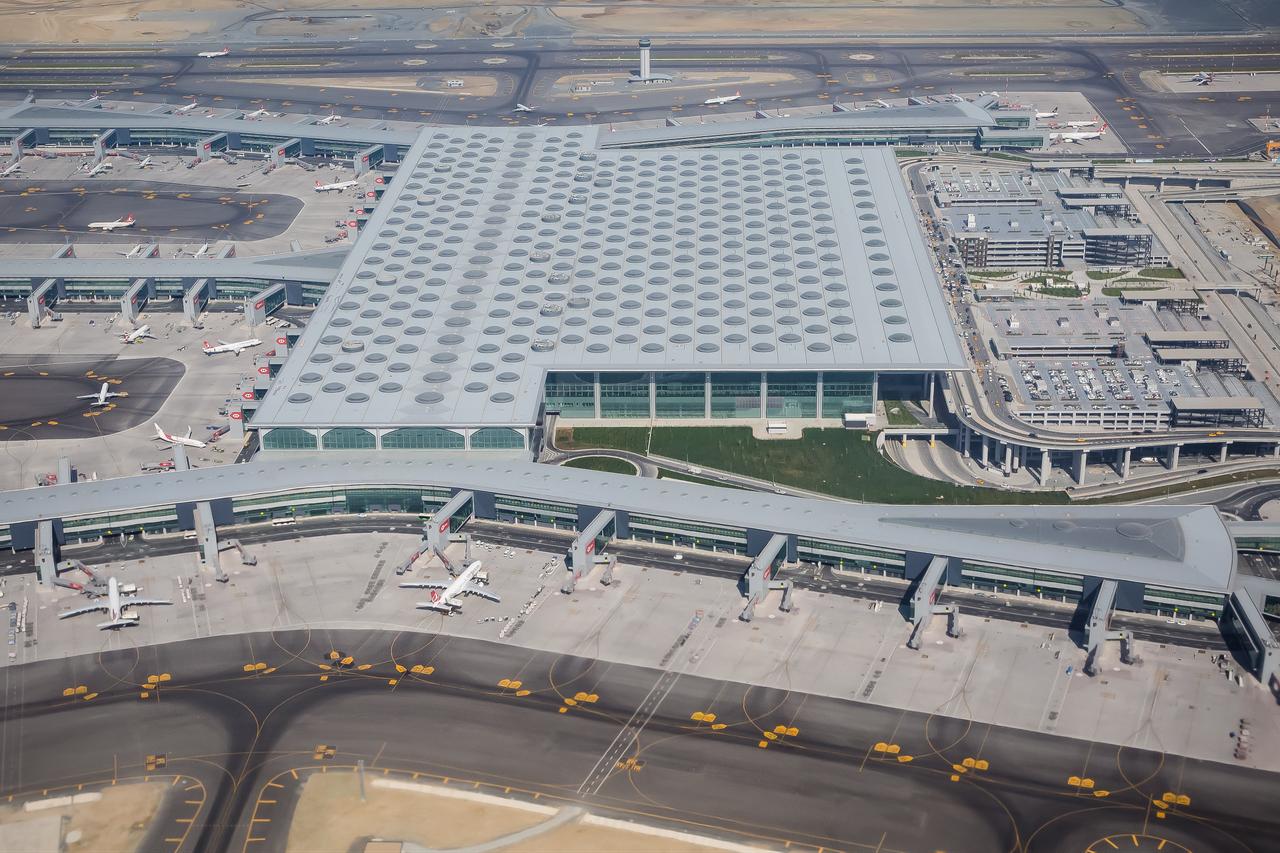


Istanbul Airport processed more than 84 million passengers and over half a million flights in 2025, strengthening its position as one of the world’s busiest and most strategically located aviation centers, Transport and Infrastructure Minister Abdulkadir Uraloglu said on Thursday.
The 5.07% year-on-year increase in passenger traffic reflects Türkiye’s steady expansion in civil aviation and its broader ambition to become a global transit hub, Uraloglu noted.
Uraloglu said the 2025 figures reaffirmed the airport’s status as a leader in global air travel. "Istanbul Airport once again powerfully demonstrated its role as one of the most intense and strategic aviation centers in the world," he said, describing the facility as "a leader in the skies and a central hub on the global map."
He highlighted the airport’s role in connecting Asia, Europe, and Africa, underscoring its capacity to handle both growing international demand and Türkiye’s expanding aviation sector. "With Istanbul Airport, we strengthen our leadership in the skies each year," Uraloglu added.
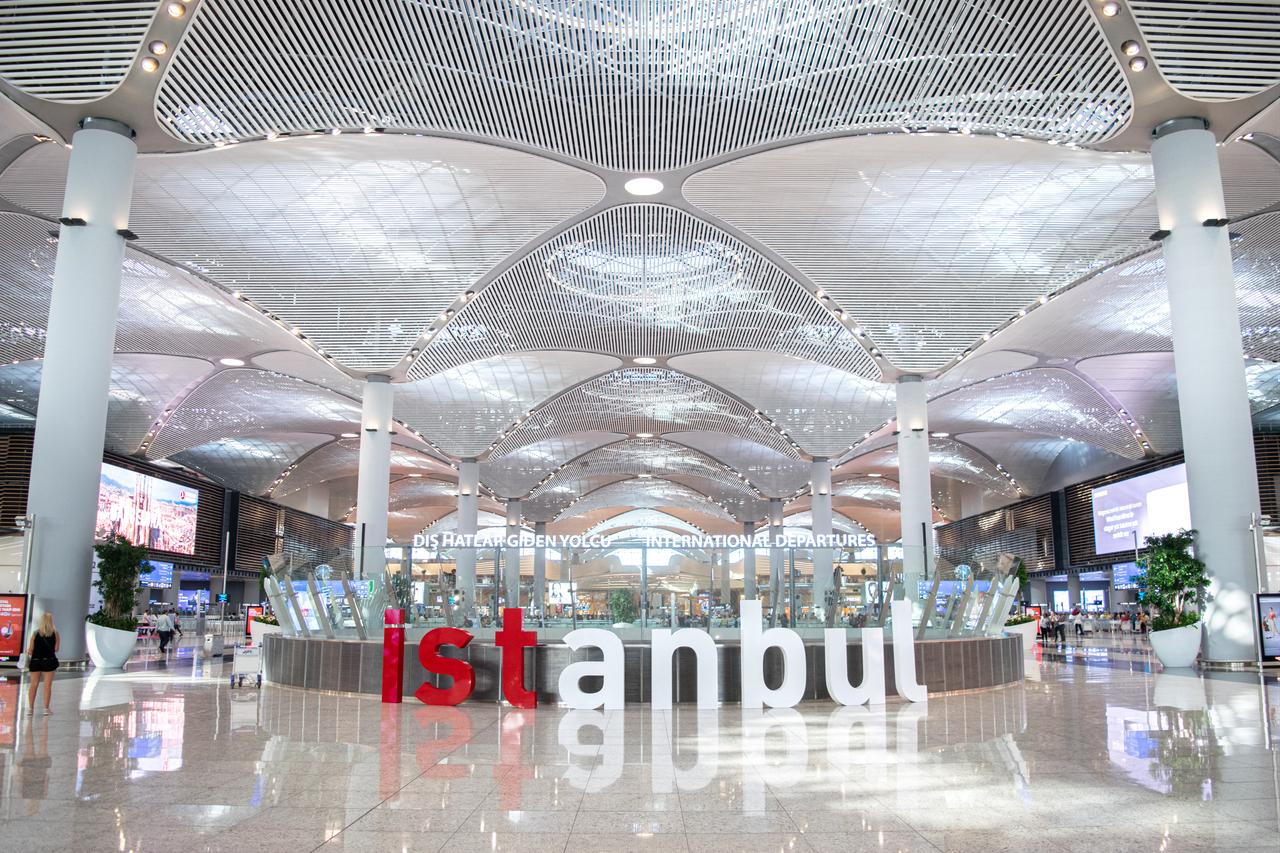

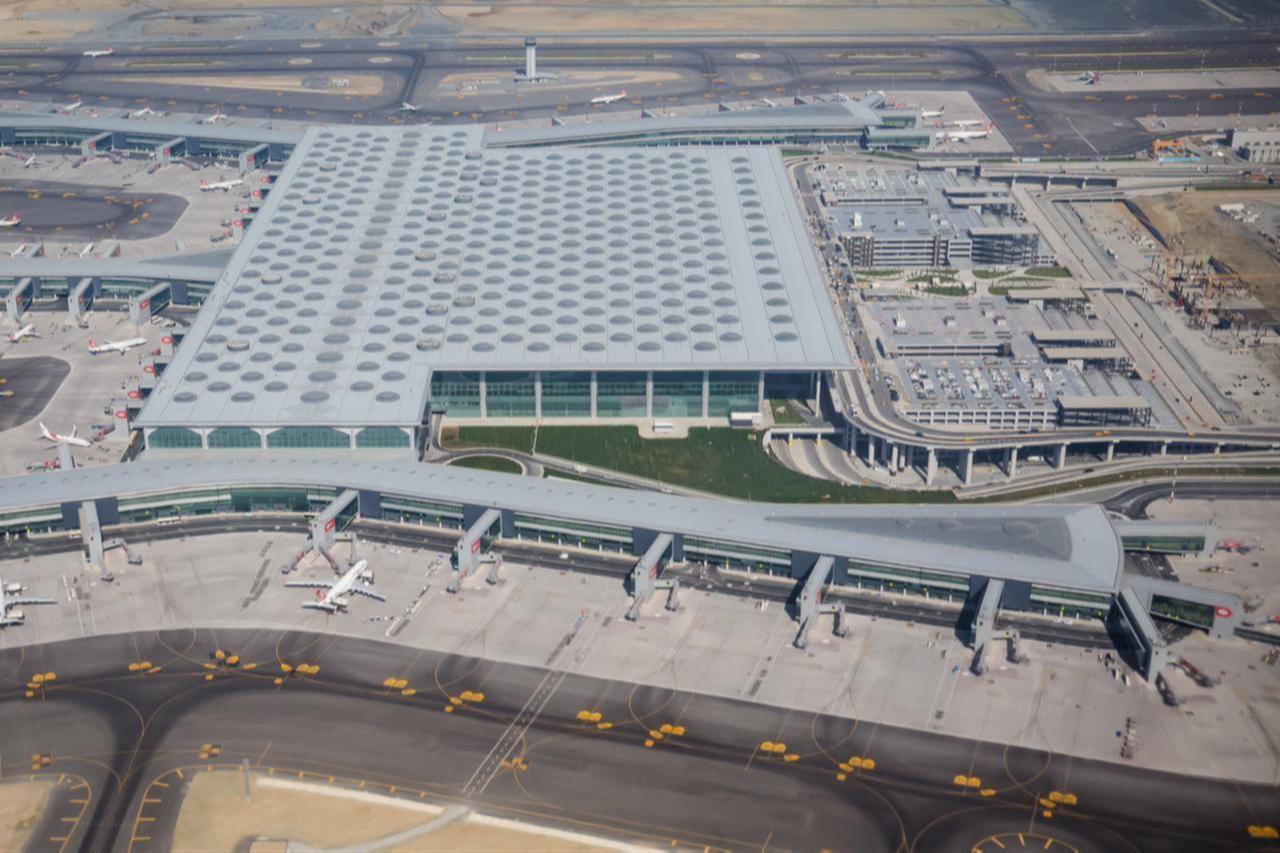
Spanning approximately 76.5 million square meters, Istanbul Airport is among the world’s largest airports by land area.
Currently, the airport operates with an annual capacity of around 90 million passengers and features multiple runways capable of handling simultaneous takeoffs and landings. Once all phases of development are completed, Istanbul Airport is expected to host up to 200 million passengers annually, placing it at the top of global capacity rankings.
The airport connects to over 330 destinations in more than 120 countries and serves more than 100 airlines. Since its opening, it has welcomed over 400 million passengers.
Cargo capacity is also expanding, with planned throughput reaching up to 5.5 million tons annually. Operational efficiency has been enhanced with upgrades allowing up to 148 aircraft movements per hour.


 Set as preferred source
 Set as preferred source


 1 min read
 1 min read