Newsletters


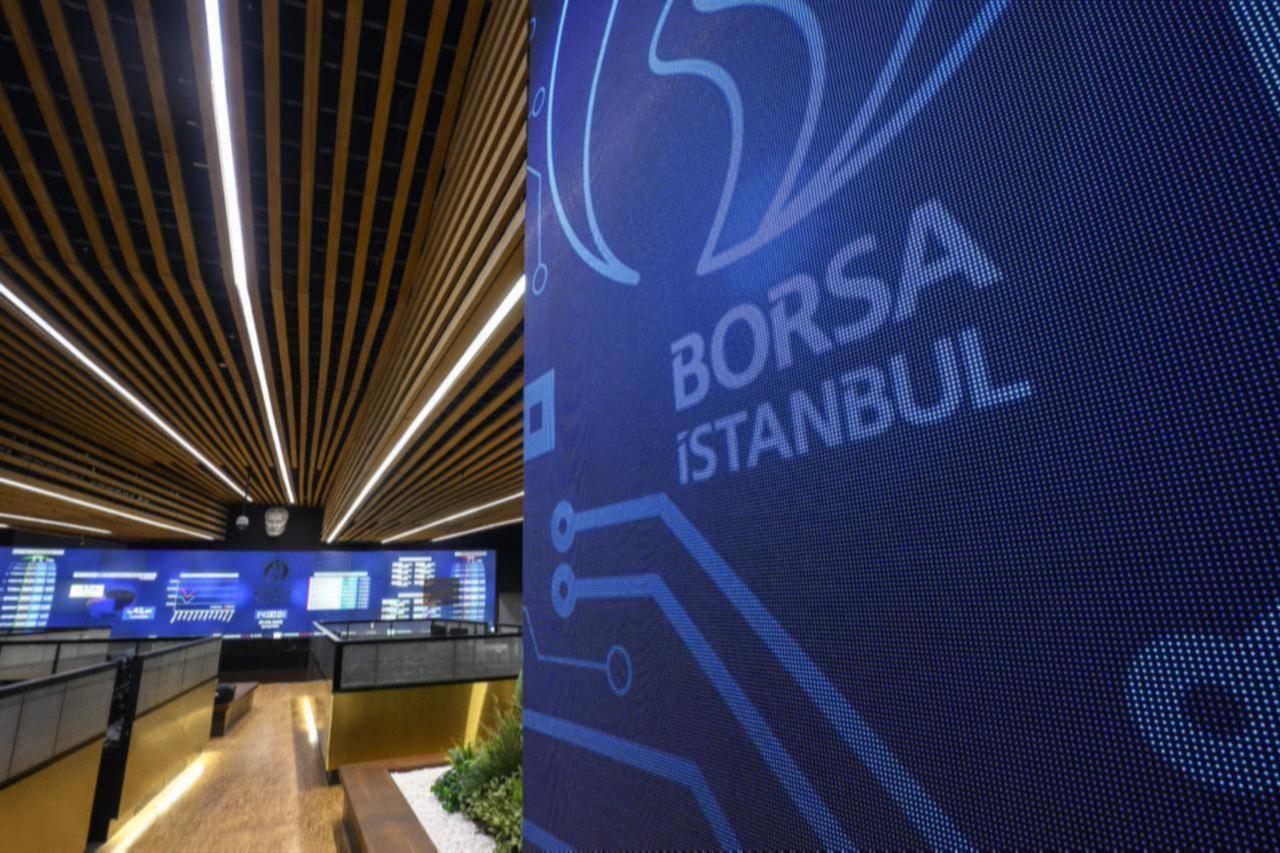


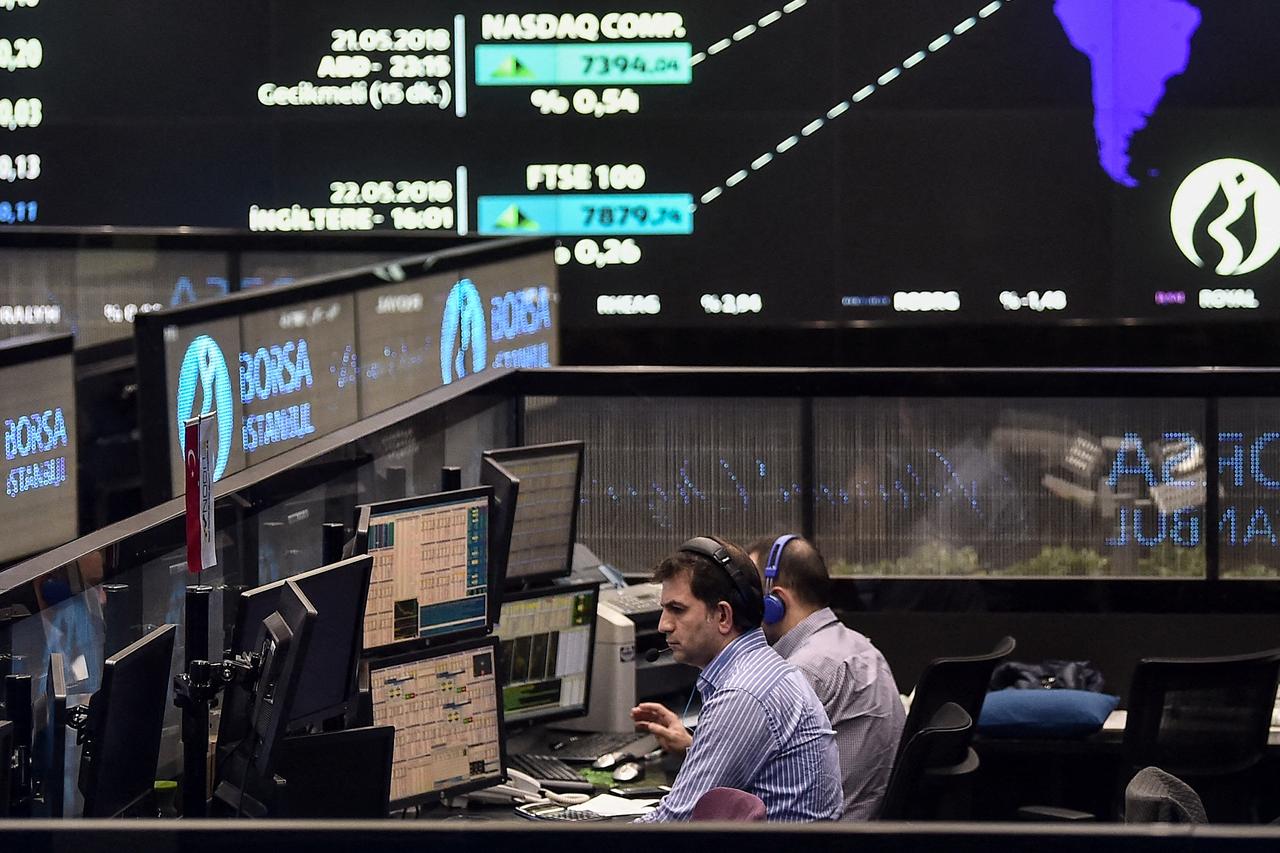
Türkiye's benchmark BIST 100 index slid over 2% at its intraday low on Monday, marking its steepest decline since late May, as renewed U.S.-Iran tensions around the Strait of Hormuz lifted oil prices and a wider-than-expected current account deficit further dampened investor sentiment.
Opening at 14,265.51 points, down 0.4%, the index fell as low as 14,035.35 by 4:45 p.m. local time (GMT+3), as mounting fears of supply disruptions through the strategic waterway triggered a broad global risk-off selloff.
The decline was broad-based, with 22 of the 31 sector indexes trading lower. Only nine sectors remained in positive territory, led by sports, chemicals, telecommunications, retail trade, and basic metals.
The selloff was led by financial stocks, with the financials index dropping 2.5% and the banking index losing 2.3%, reflecting growing concerns that persistently high energy prices could complicate Türkiye's disinflation path and delay further monetary easing.
The technology shares also retreated 2.9%, while transportation fell 2.9%, pressured by expectations of higher fuel costs. Leasing and factoring companies recorded the steepest sectoral decline, tumbling 9.5%, followed by mining stocks, which dropped 4.9%.
Tourism, real estate investment trusts, and food and beverage shares also fell by around 1% as investors cut exposure to economically sensitive sectors.
Among BIST 100 shares, 69 traded lower, 28 posted gains and three were unchanged. Destek Faktoring, a factoring company, led the declines with a 10% drop, followed by logistics firm Pasifik Eurasia Lojistik, gold miner Turk Altin Isletmeleri, fertilizer producer Gubre Fabrikalari and defense contractor Aselsan.
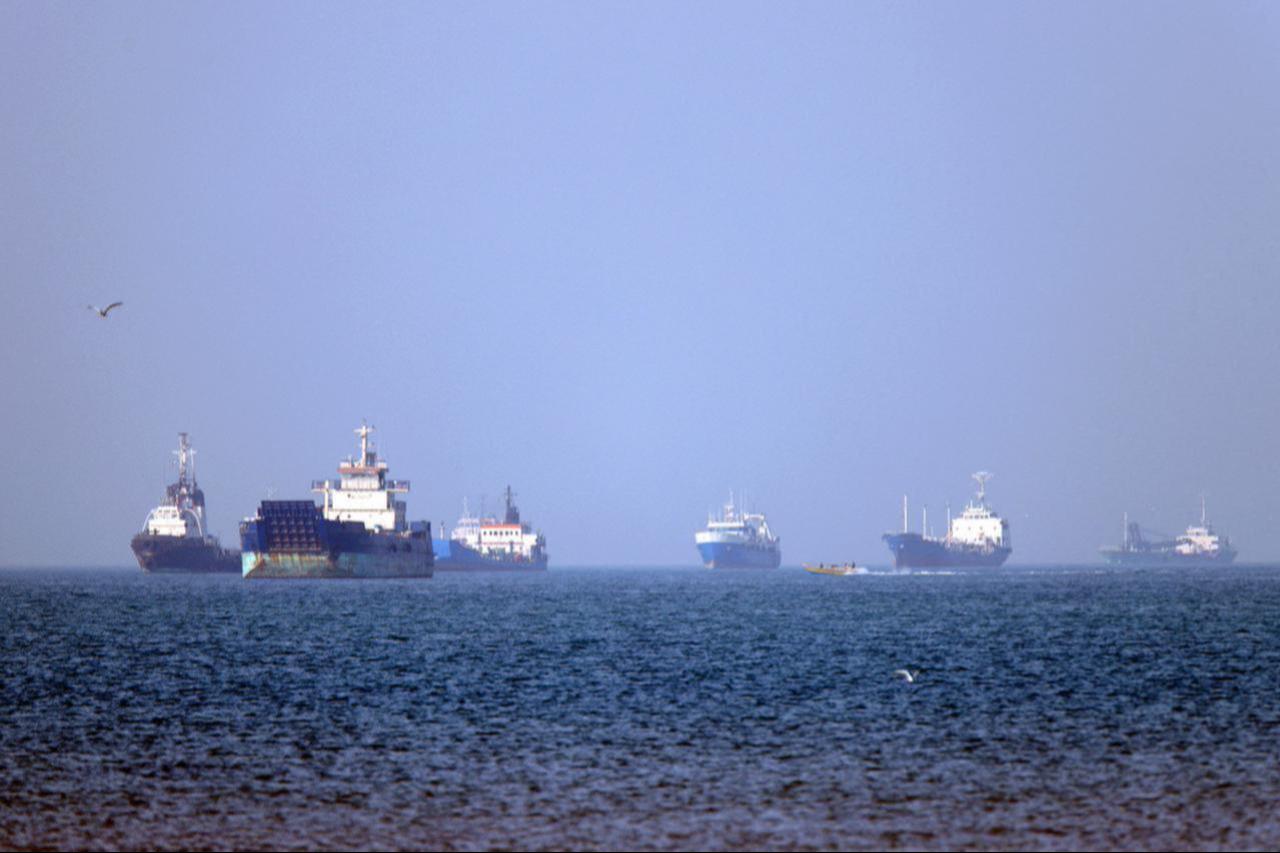

The decline in Turkish equities mirrored a broader retreat across global financial markets as investors pulled back from riskier assets after fresh U.S.-Iran hostilities reignited concerns over energy supplies and inflation.
Brent crude briefly surged more than 5% before trimming gains to around 3%, trading at about $78.2 a barrel, while U.S. West Texas Intermediate crude rose roughly 2.4% to $73.8 after Tehran claimed it had again closed the Strait of Hormuz over the weekend.
The jump in oil prices fueled expectations that higher energy costs could slow the recent easing in inflation, prompting investors to reassess the outlook for interest rates. The benchmark U.S. two-year Treasury yield climbed to 4.24%, its highest level since early 2025.
Technology stocks led the global selloff, with AI-related shares coming under renewed pressure across Asia.
South Korea's KOSPI plunged 9%, while Europe's STOXX 600 index edged down 0.1%, dragged by a 0.7% decline in technology shares.
U.S. futures also pointed lower, with Nasdaq futures falling 0.9% and S&P 500 futures losing 0.25% as investors prepared for June inflation data, the start of second-quarter earnings season and Federal Reserve Chair Kevin Warsh's first congressional testimony.


 Set as preferred source
 Set as preferred source


 1 min read

 1 min read