Newsletters


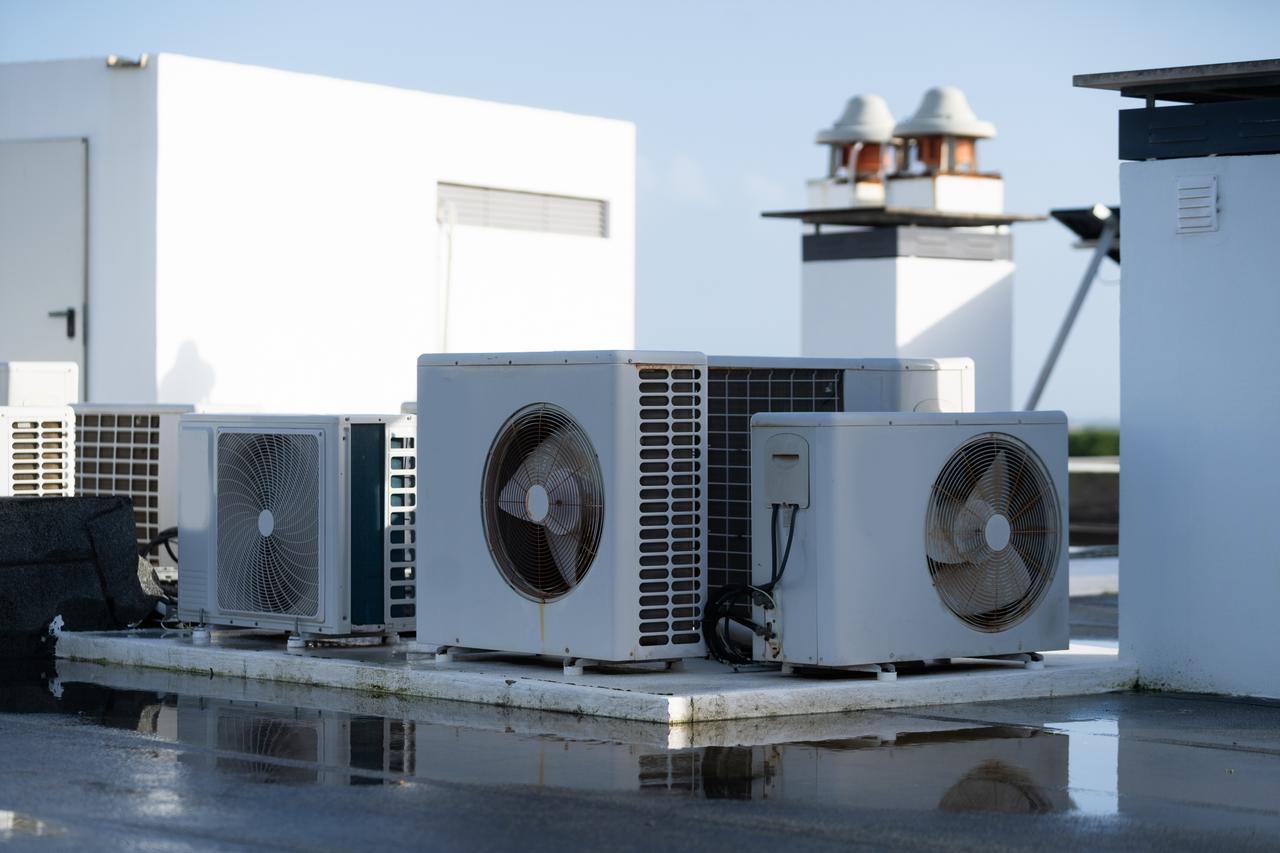


Rising temperatures across Europe are driving up demand for cooling systems, pushing Türkiye's climate industry exports to the European Union up by 22.9% year-over-year to $302.5 million in June as orders picked up across key markets.
The increase comes as Europe experiences another summer of extreme heat, reinforcing demand for air conditioning and energy-efficient cooling technologies across residential, commercial and public buildings.
According to data from the Turkish Exporters Assembly (TIM), Germany remained the largest destination for Turkish climate industry exports, with shipments rising 19.9% from a year earlier to $71.4 million in June.
Italy followed with exports climbing 35.1% to $30.5 million, while France posted a 46.3% increase to $28.3 million. Exports to Poland rose 10.3% to $23.7 million, and shipments to Spain gained 29.3% to $23 million.
Among European markets, Finland recorded the fastest export growth, surging 130.7%, followed by Croatia at 97.3%, Latvia at 96.1%, Luxembourg at 83.6% and Malta at 74%.
Osman Bastas, chairman of the HVAC Exporters' Association (ISIB), said stronger demand from the European Union, the Middle East, North Africa and Central Asia, combined with promotional efforts targeting the U.S. and other alternative markets, helped drive export growth.
He also credited Turkish manufacturers' product quality, flexible production, fast delivery and engineering capabilities, as well as supply chain shifts that have favored Türkiye's proximity to Europe.
"Demand is rising rapidly for highly energy-efficient systems with low carbon footprints and environmentally friendly refrigerants, especially in Europe," Bastas told state-run Anadolu Agency.
He added that artificial intelligence and digitalization are driving demand for advanced cooling technologies, particularly in data centers, alongside growing orders for high-efficiency air conditioners, heat pumps, ventilation equipment and industrial cooling systems.
"If current orders and export performance are maintained, we believe growth will continue in the second half of the year," Bastas said.
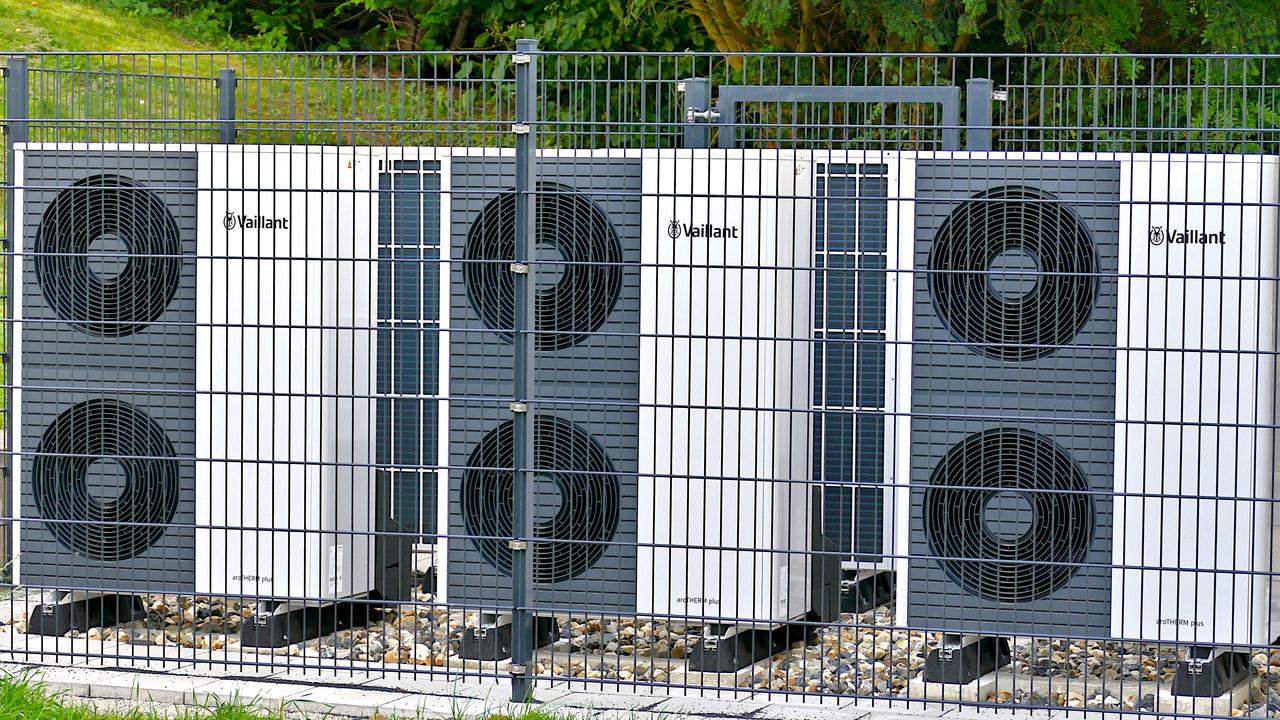

Europe faces another summer of record-breaking heat, with Western Europe experiencing its hottest June on record in 2026 after an intense late-month heat wave.
Paris hit a record 40.9 degrees Celsius (105.6 degrees Fahrenheit) for June, while large parts of France, Germany, Spain, Italy and the Benelux countries experienced temperatures 3°C to 5°C above the seasonal average.
The prolonged heat strained electricity networks, disrupted transport services, increased wildfire risk and pushed governments to issue widespread health alerts.
More than 10,000 excess deaths were recorded across 27 European countries during the week of June 22-28, with the vast majority among people aged 65 and older, according to EuroMOMO data reported by Reuters.
Air-conditioning penetration has historically remained relatively low across much of the continent because of milder summers, leaving significant room for new installations as longer and more frequent heat waves fuel demand.
The shift is unfolding alongside stricter European Union environmental rules aimed at phasing down fluorinated greenhouse gases (F-gases), widely used as refrigerants in cooling equipment.
The regulations are gradually restricting high-emission refrigerants and encouraging manufacturers to adopt lower-impact alternatives, accelerating investment in next-generation, energy-efficient HVAC systems.


 Set as preferred source
 Set as preferred source


 1 min read

 1 min read