Newsletters


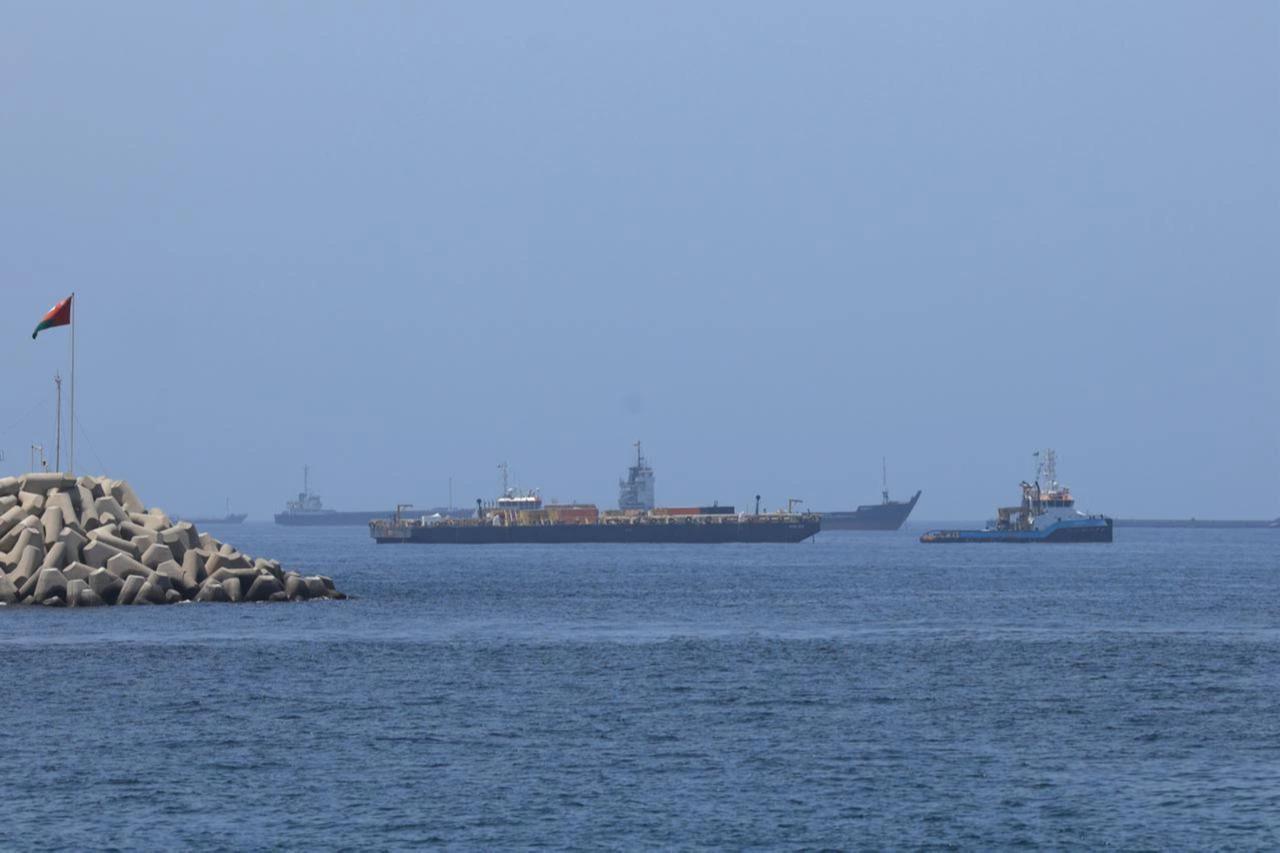


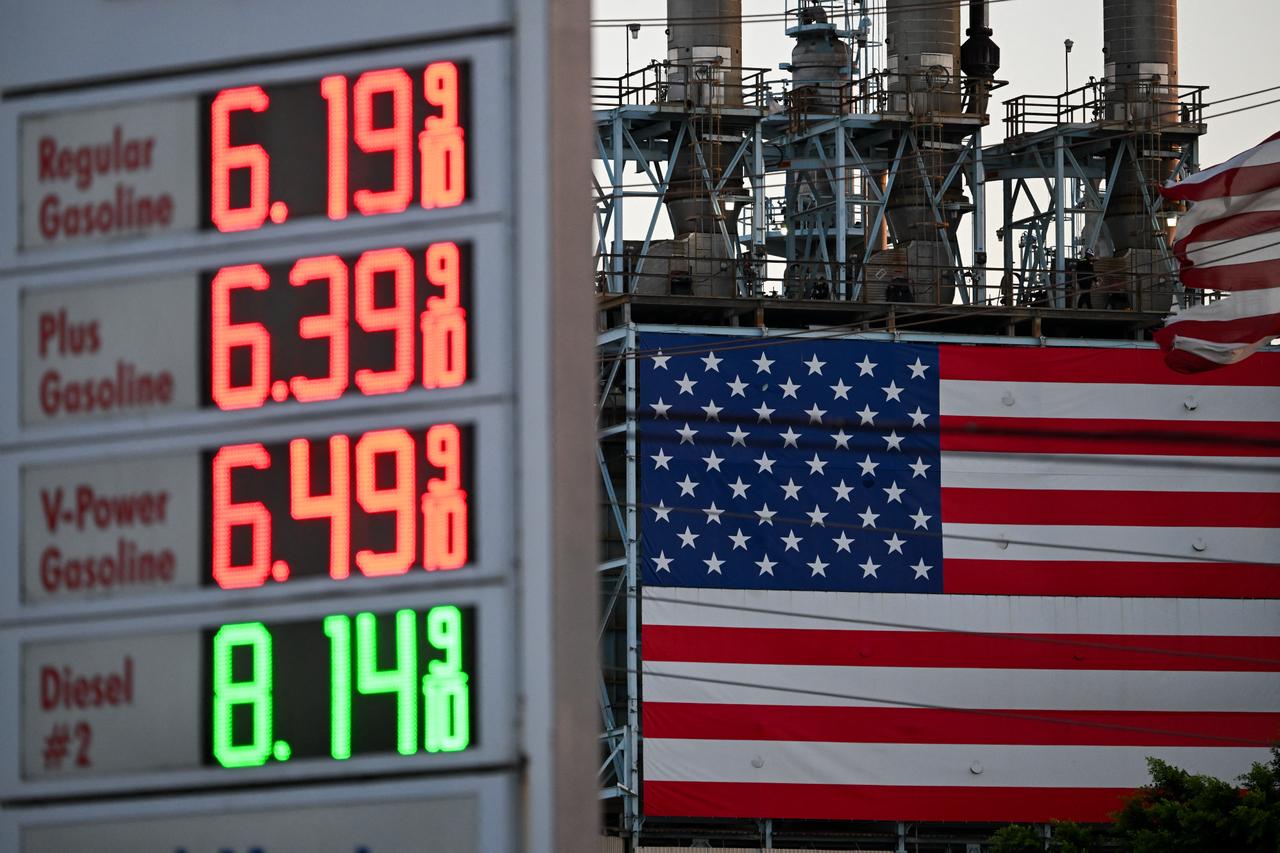
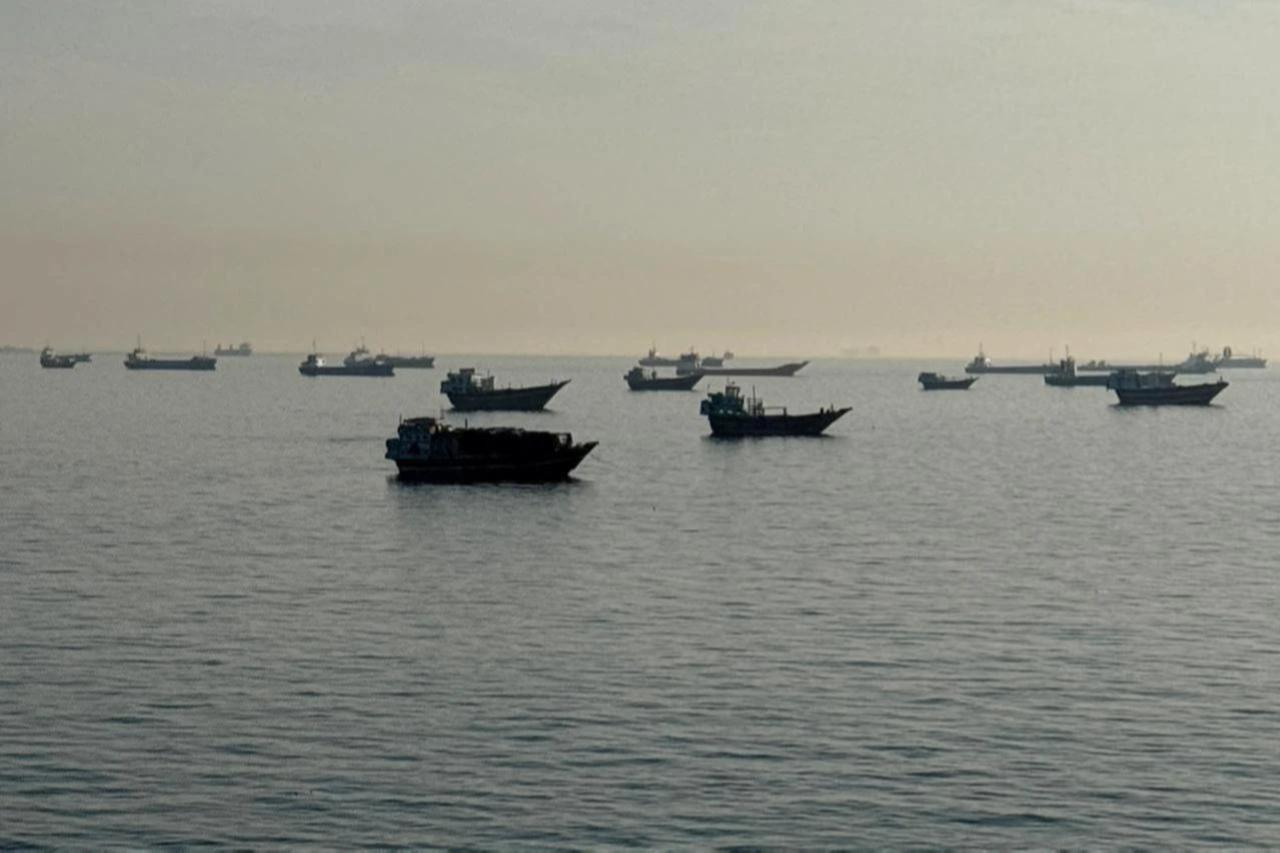
Oil prices soared more than 5% on Monday after Iran's Revolutionary Guard Corps (IRGC) announced over the weekend that the Strait of Hormuz had been closed again to commercial shipping following a fresh exchange of fire with U.S. forces.
International benchmark Brent rose above $80 per barrel again, while U.S. benchmark WTI touched $75 per barrel as of 6 a.m. GMT, reversing a brief period of easing supply concerns that followed the U.S.-Iran memorandum of understanding (MoU) envisioning the reopening of the Strait of Hormuz.
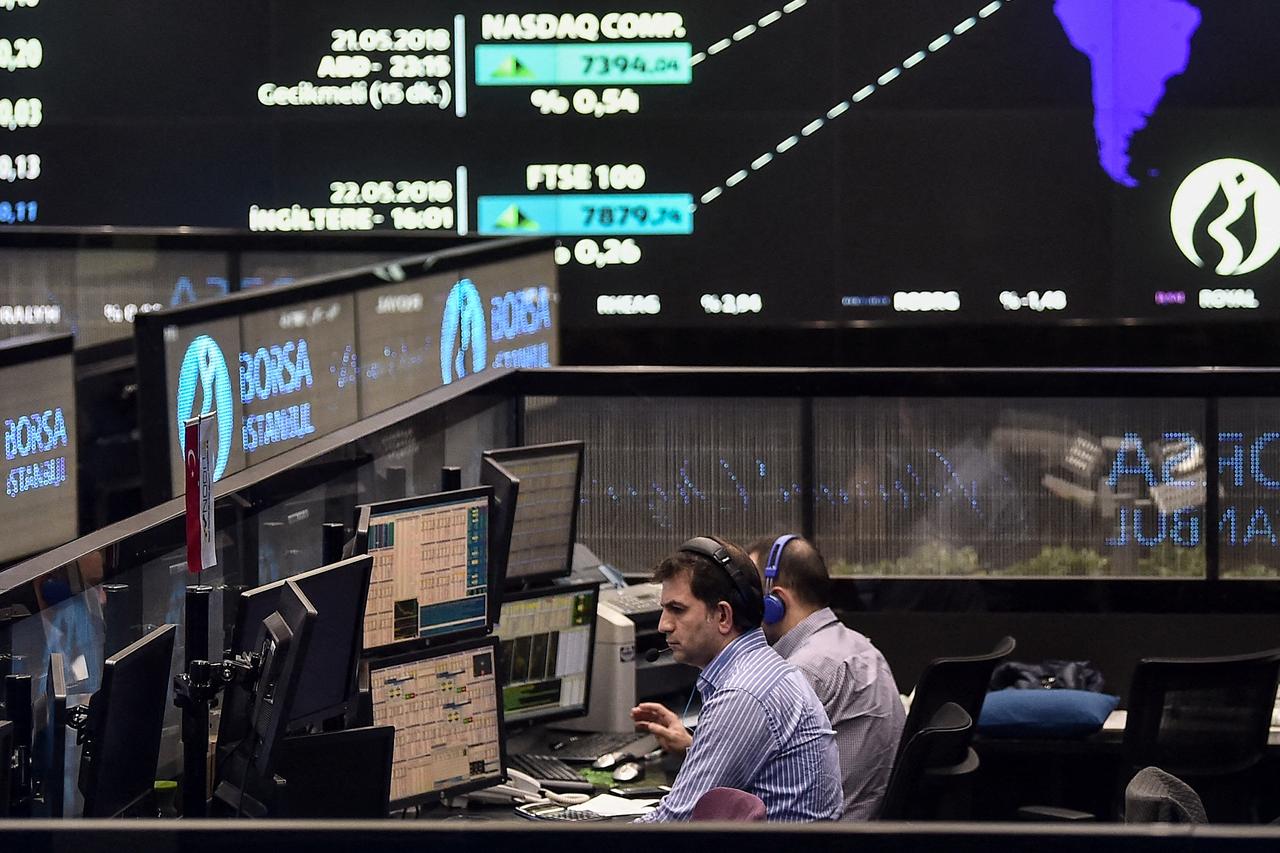
Across Asia, tech-weighted Japan's Nikkei 225 fell more than 2%, while South Korea's Kospi tanked 8%, triggering a circuit breaker. Hong Kong's Hang Seng was nearly flat, while mainland China's Shanghai Composite also dropped 1.8%.
Futures tied to the pan-European Stoxx 50 were down 0.9%. Futures for all three major U.S. indexes also edged lower, with the tech-heavy Nasdaq leading losses at 1.3%.
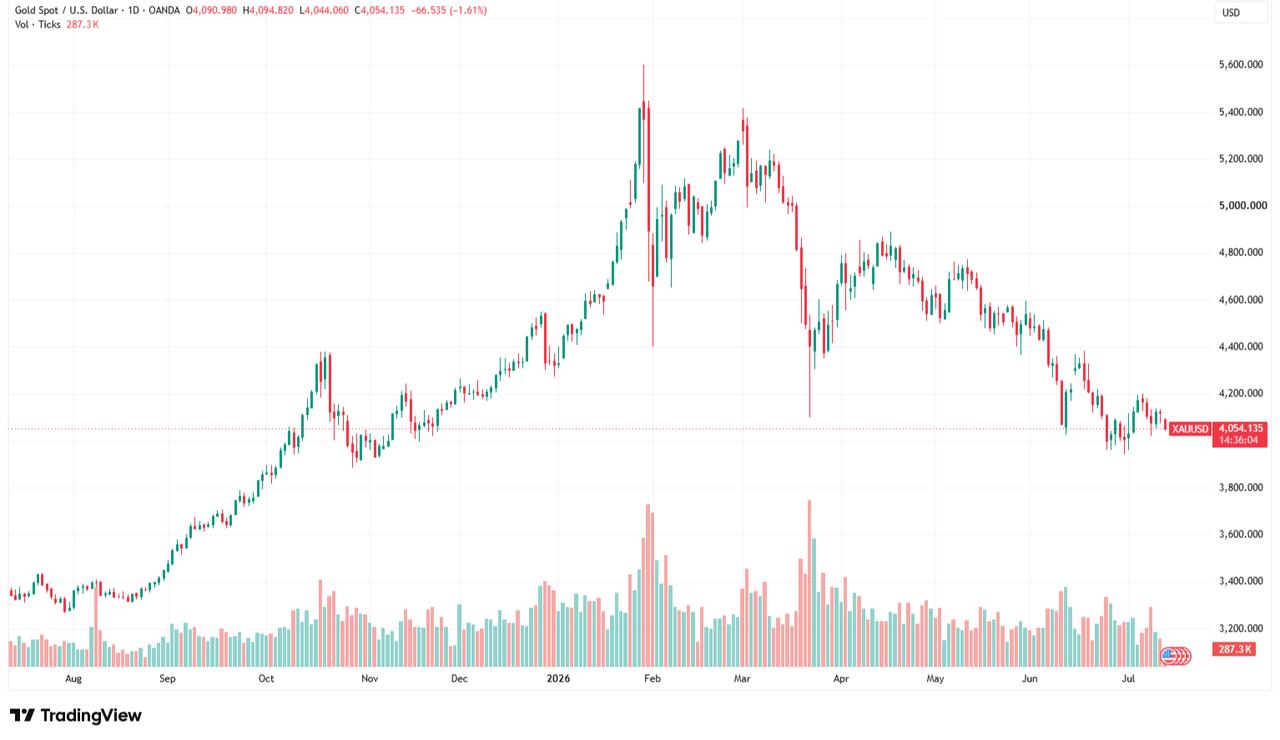
Precious metals retreated sharply, with gold slipping by 1.6% to $4,050, silver by 3.3% to $57.9, platinum by 2% to $1,580, and palladium by 2.6% to $1,230 per ounce.
Cryptocurrencies also took a hit, with bitcoin falling 1.5% to $62,740 and Ethereum declining 0.9% to $1,780, while the total cryptocurrency market capitalization dropped 1.4% to $2.2 trillion.

The latest escalation comes as investors had only begun to price in lower geopolitical risk after the U.S.-Iran MoU eased concerns over energy supplies and raised hopes that shipping through the Strait of Hormuz would normalize.
Those expectations unraveled over the weekend after fresh U.S. strikes and renewed Iranian attacks reignited fears of a prolonged disruption to one of the world's busiest energy corridors. Although the U.S. Central Command said commercial traffic continues to transit the strait, insurers and ship operators remain on alert as security risks mount.
The renewed market turbulence comes just days after the Federal Reserve's June meeting minutes reinforced a hawkish stance on inflation, with policymakers highlighting energy prices and Middle East tensions as key upside risks to price growth.
According to the International Energy Agency (IEA), a prolonged closure of the Strait of Hormuz during the previous peak of the conflict would have removed around 13 million barrels per day from global oil markets, equivalent to roughly 13% of global oil supply.
The agency also warned that emergency stock releases during the conflict drove the Organization for Economic Cooperation and Development (OECD) government oil inventories to their lowest level since December 1990, leaving global markets with a much thinner buffer against any renewed supply disruption.


 Set as preferred source
 Set as preferred source


 1 min read
 1 min read