Newsletters




European officials and airline groups are raising alarms over a potential jet fuel crunch, with Brussels identifying supply risks as a "primary concern" while carriers push for coordinated kerosene purchases across the bloc.
Airlines for Europe (A4E), led by major carriers including Lufthansa, Air France-KLM, and easyJet, has urged the European Union to step in with a coordinated response, as disruptions linked to the Iran war begin to tighten fuel availability and strain operations.
The group outlined proposals including EU-level monitoring of jet fuel supplies, temporary relief from aviation-related carbon costs, and the removal of certain taxes, according to a document obtained by Reuters. It also pressed for joint kerosene procurement, arguing that a unified purchasing mechanism could help stabilize access to fuel.
Airlines are also calling for adjustments to existing rules, including changes to the EU requirement for 90 days of emergency oil reserves, which currently does not specifically cover jet fuel.
The group further requested clarity on slot usage regulations, seeking confirmation that disruptions caused by conflict-related airspace closures will be treated as justified non-use, meaning airlines would not lose their airport slots for flights they were unable to operate.
Airspace restrictions and maritime disruptions have combined to complicate fuel logistics for European carriers. Since the conflict began on Feb. 28, airlines have faced widespread closures across parts of the Gulf, forcing rerouting and operational adjustments.
At the same time, the shutdown of the Strait of Hormuz has begun to squeeze global jet fuel flows. Around a quarter of worldwide jet fuel shipments typically pass through the corridor, making the disruption particularly significant for European supply chains.
In an earlier letter sent to the European Commission, Airports Council International (ACI) Europe general director Olivier Jankovec also warned that a "systemic" shortage could emerge within three weeks if shipping traffic through the strait is not restored.
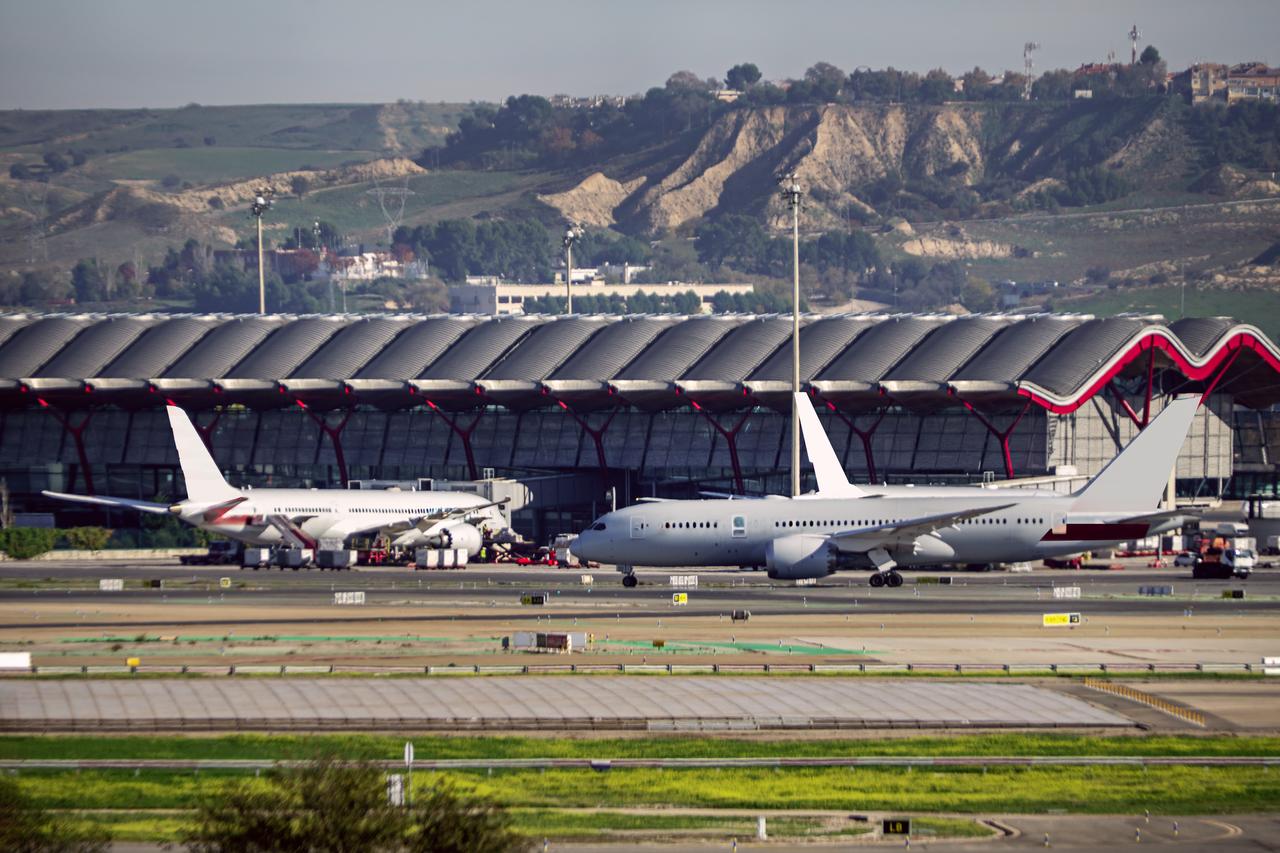

Jet fuel prices have climbed sharply during the crisis, outpacing gains in crude oil, as airlines scale back routes and adjust cost structures amid rising fuel expenses and signs of weakening travel demand.
In Europe, prices rose above $200 per barrel as of the week ending April 10, roughly doubling from earlier levels, according to International Air Transport Association (IATA) data.
The European Commission has acknowledged the growing pressure, noting that while there is no immediate shortage, supply disruptions could surface soon.
"There is no evidence for fuel shortages in the European Union at present, but supply issues could occur in the near future, in particular for jet fuels," spokesperson Anna-Kaisa Itkonen stated, describing the issue as a key concern.
A broader package of measures aimed at addressing the energy market fallout from the conflict is expected on April 22, though it remains unclear whether aviation fuel will be directly targeted.


 Set as preferred source
 Set as preferred source


 1 min read
 1 min read