Newsletters


Türkiye's Keban Hydroelectric Power Plant has generated nearly 294 billion kilowatt-hours (kWh) of electricity since it began operating on the Euphrates River more than five decades ago.
The plant went online on Sept. 9, 1974, when it was Türkiye's largest dam and supplied roughly one-fifth of the country's electricity demand. Today, it ranks as the nation's third-largest hydroelectric facility.
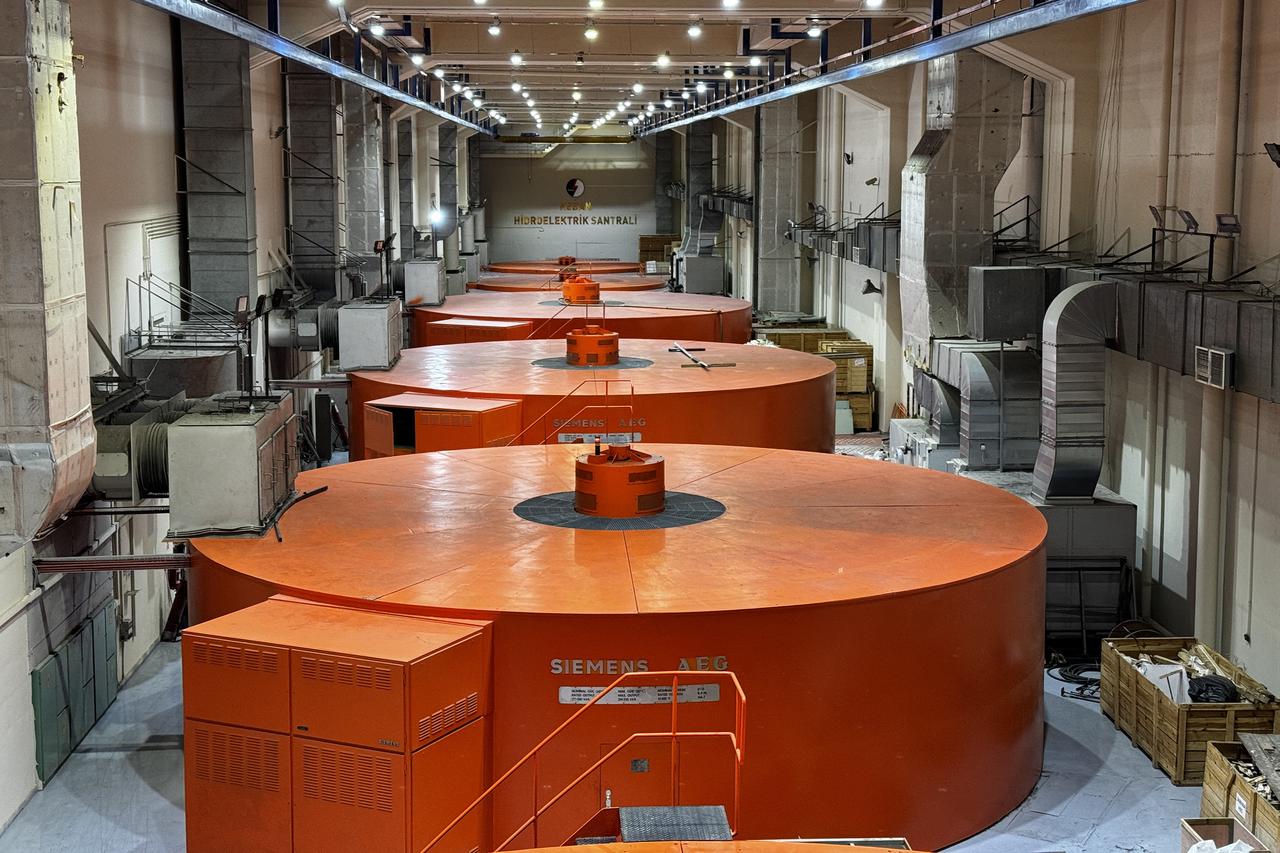
Today, the plant has an annual production capacity of 6.2 billion kWh and an installed capacity of 1,330 megawatts (MW) across eight units. In the first eight months of this year, production rose 87.39% year-on-year to over 5.2 billion kWh.
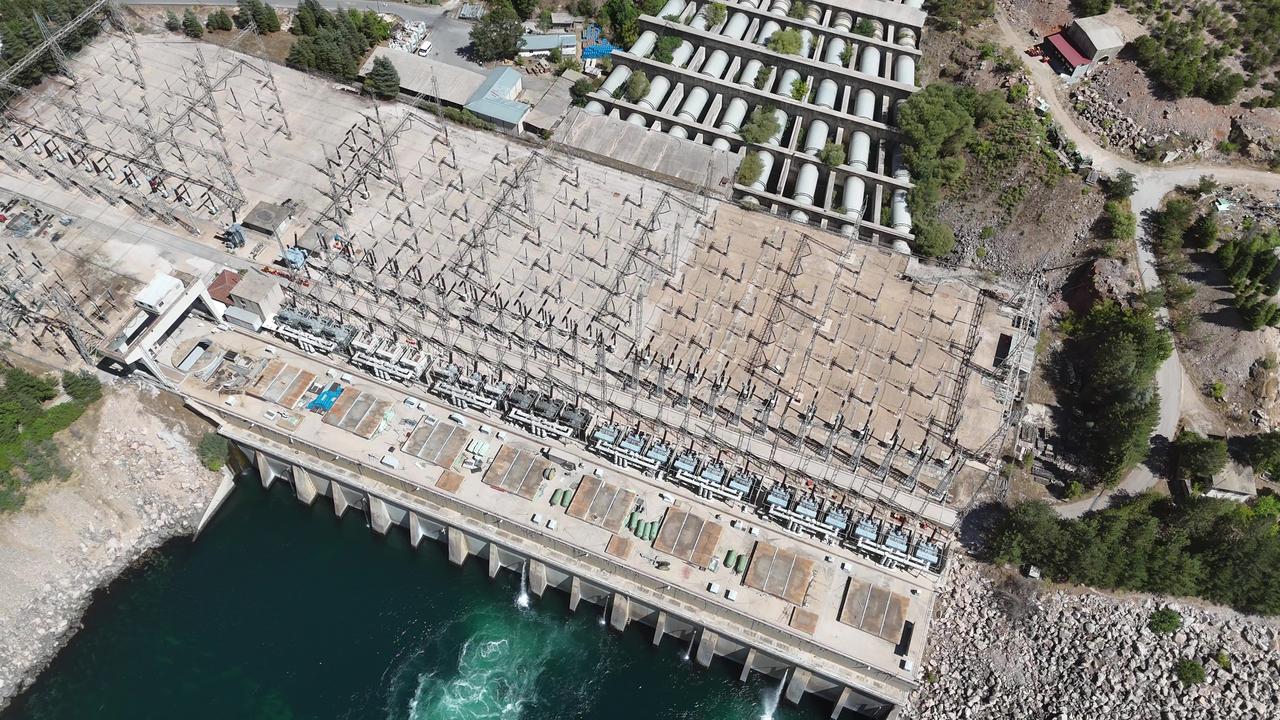

A rehabilitation project launched in 2019 by the Energy and Natural Resources Ministry, carried out by engineers from the Electricity Generation Company (EUAS) and TUBITAK's Marmara Research Center Energy Institute, has renewed the plant's technological infrastructure and improved efficiency.
Elazig Governor Numan Hatipoglu said Keban was one of the biggest steps in Türkiye's engineering history and remains a strategically important facility, even as its share of national energy production has declined due to rising demand.
He added that fishing activity at the Keban and Karakaya reservoirs has made Elazig the country's top producer of freshwater fish products, and ongoing irrigation projects will further boost agriculture in the region.
Plant manager Bekir Kaya said Keban currently meets 1.1% of Türkiye's growing energy demand. He noted that heavy rainfall this year has driven a sharp rise in output, with the plant producing 5.2 billion kWh as of September, up from a 10-year average of 4.6 billion.
Water inflow has also risen to around 21 billion cubic meters, compared with a 10-year average of 15 billion. Kaya said the plant aims to surpass its 2019 output of 7 billion kWh this year.


 Set as preferred source
 Set as preferred source


 6 min read