Newsletters


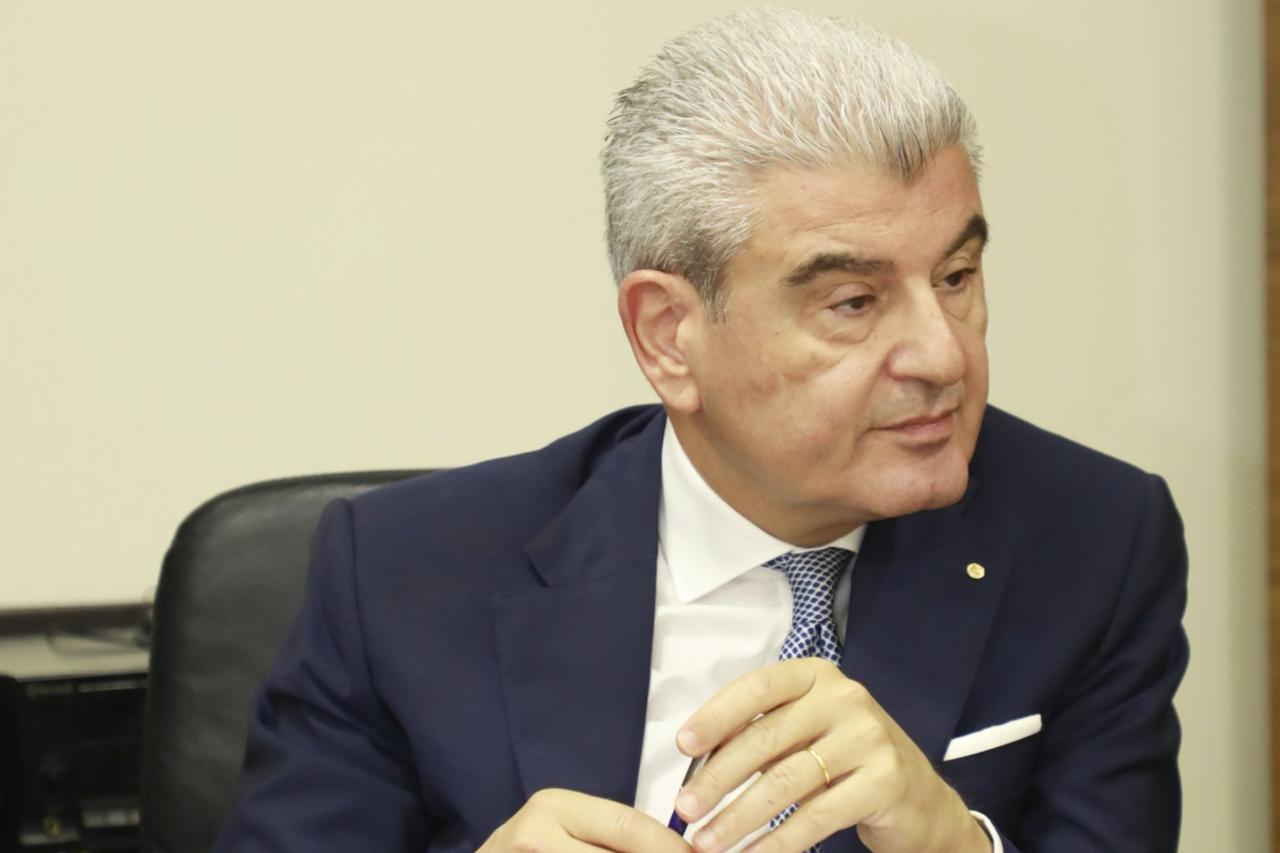


Lebanon’s Minister of Industry Joe Issa el-Khoury sparked controversy and anger in Lebanon after proposing the liquidation of part of the gold reserves held by the central bank, known as Banque du Liban.
He suggested the proceeds be used to repay depositors’ funds, particularly those with large deposits.
Khoury outlined the idea in a post on his account on the X platform. He proposed liquidating about $15 billion worth of gold, using the proceeds to purchase investment bonds with no periodic interest and then giving these bonds to depositors whose deposits exceeded $100,000.
He presented the approach as a practical alternative to the long-term bonds adopted by existing provisions, arguing it would offer a more effective way to address the issue of large deposits.
The minister said his proposal aims to improve the financial gap law, framing it as an adjustment to an existing mechanism rather than an entirely new plan.
He described the proposal as the optimal solution, arguing it would ensure depositors receive their money upon the bonds’ maturity without any delay.
In his explanation, Khoury positioned the bond mechanism as a way to manage repayment obligations for larger depositors while keeping the process structured and predictable.
The proposal, as described, relies on using a portion of the central bank’s gold reserves to fund the purchase of zero-interest investment bonds, which would then serve as a repayment instrument.
In presenting the plan, Khoury pointed to the rise in the value of the central bank's gold holdings. He argued the reserves have exceeded $45 billion, after having been worth about $14 billion when the financial crisis erupted in 2019. He cited this increase as a central justification for selling a portion of the reserves to support depositor repayments.
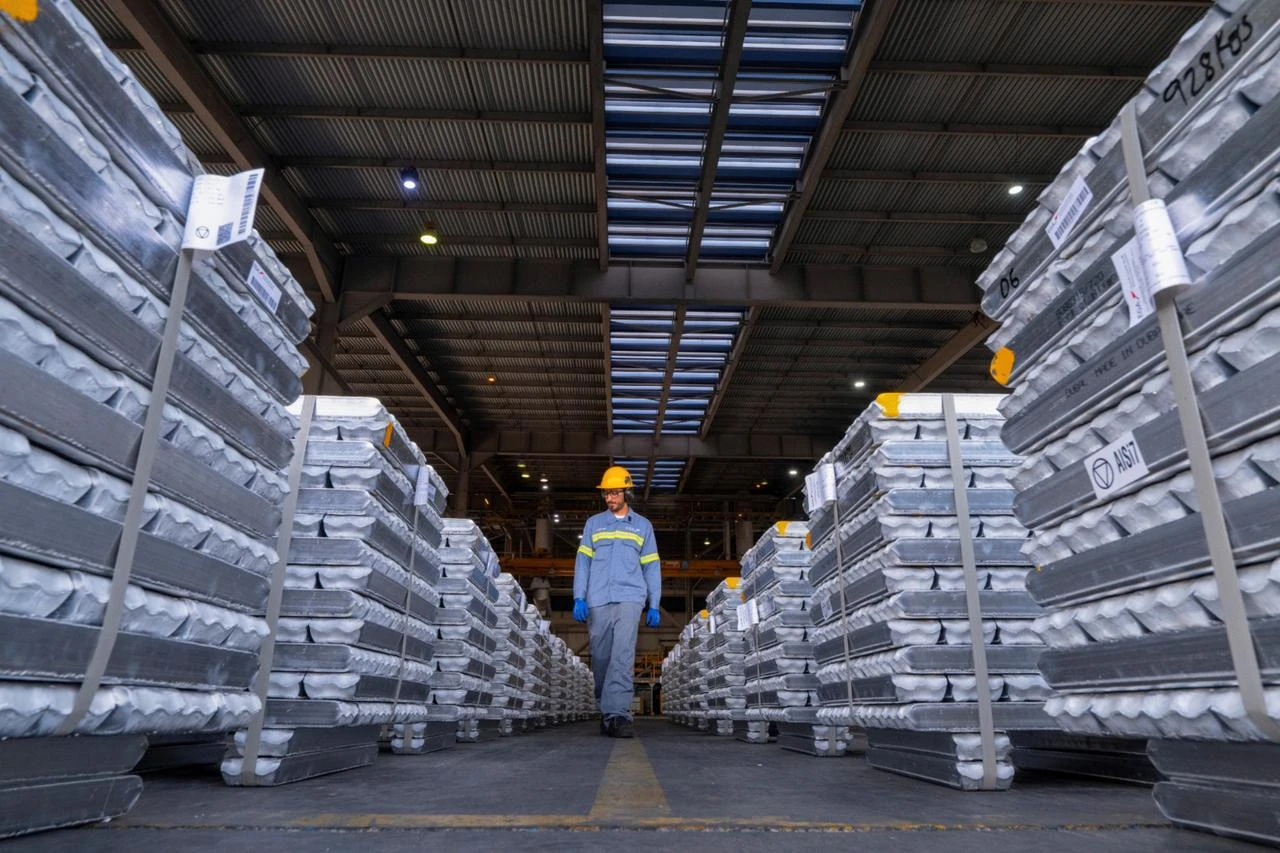
The article also notes Lebanon’s standing in global and regional rankings for gold reserves. Lebanon ranks 20th globally in gold reserves, according to the World Gold Council’s classification, and is second in the Arab world after Saudi Arabia, holding 286.8 tons of gold.
Khoury’s proposal was met with widespread objections and anger from social media users in Lebanon. Critics argued the plan would shift the cost of the financial collapse from banks to society by tapping into the gold reserve, which they described as almost the only sovereign guarantee Lebanon has left. They contended that the proposal comes instead of holding those responsible for the crisis to account.
Opponents also raised questions about bank management and Banque du Liban, focusing on the policies they say squandered deposits.
They called for real steps to recover stolen funds and expressed concern that selling gold would offer relief without accountability.
Against this backdrop, the government’s draft Financial Gap Law, approved late last year and forwarded to Parliament, sets out a mechanism for returning funds to depositors with balances above $100,000.
Under that framework, $100,000 would be paid in cash in stages, while the remainder would be repaid through financial certificates backed by assets and issued by Banque du Liban, with maturities that could extend to 20 years depending on the size of the deposit. In 2022, the government estimated losses from the financial crisis at around $70 billion, an amount analysts and economists expect is now higher.


 Set as preferred source
 Set as preferred source



 3 min read