Newsletters


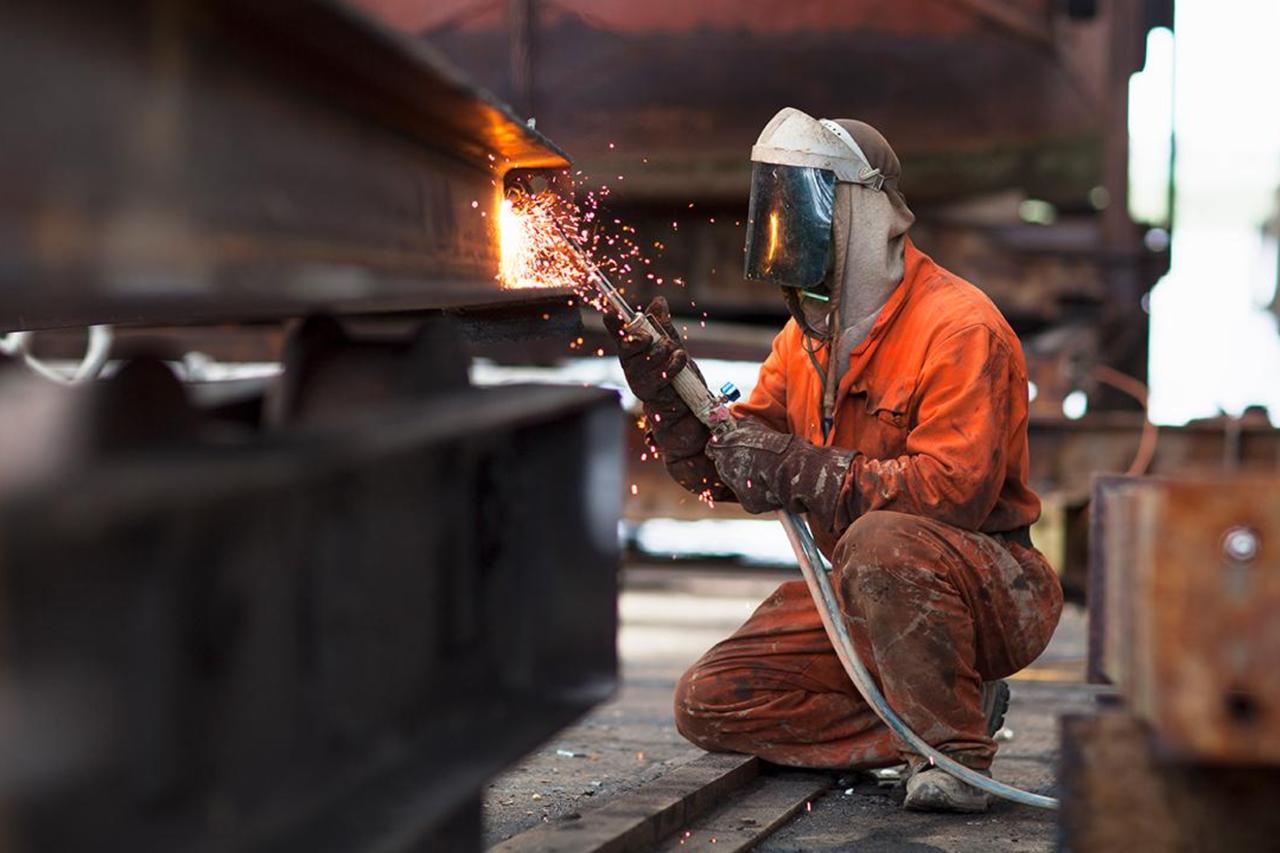


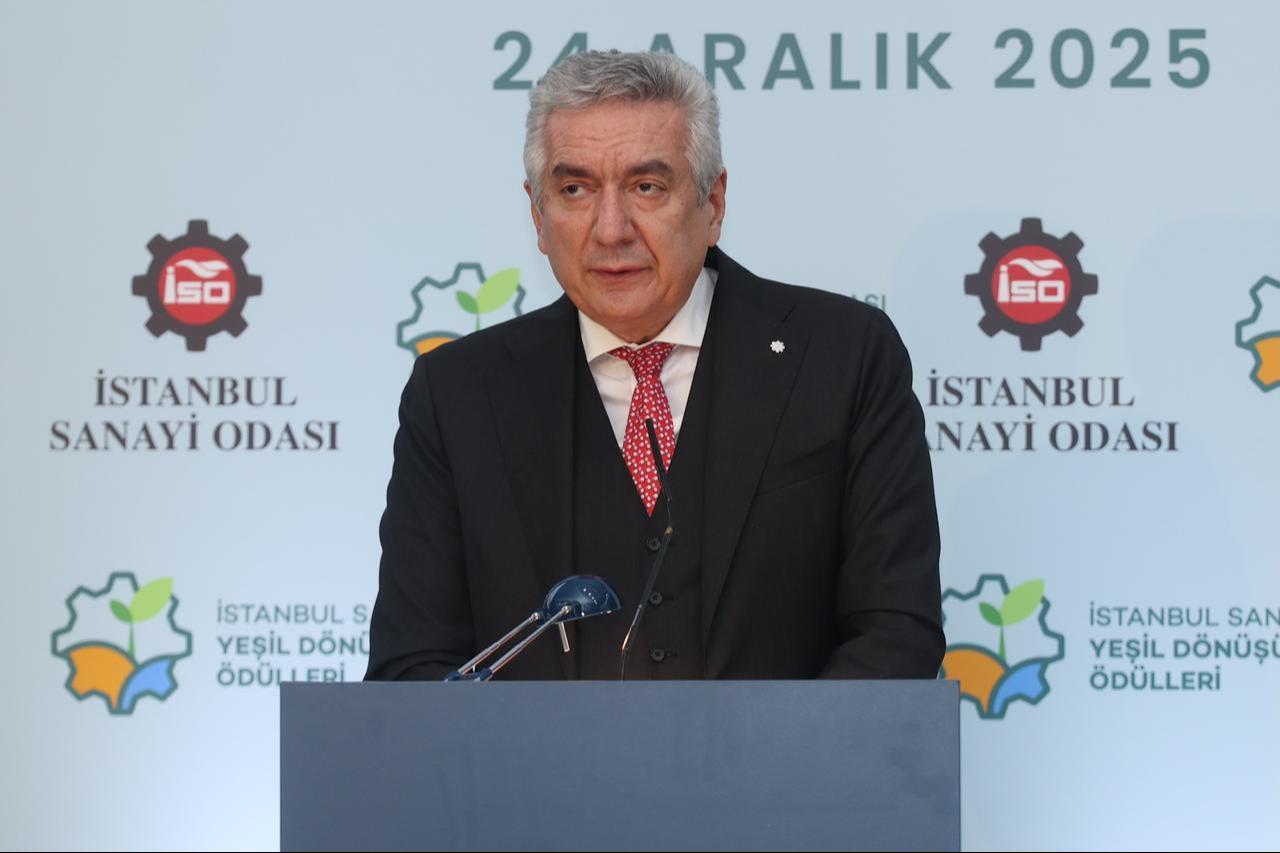
Türkiye’s industrial sector is closing out a harsh year, but manufacturers are increasingly optimistic about 2026, according to remarks by Istanbul Chamber of Industry (ISO) Chairman Erdal Bahcivan.
Speaking at the chamber’s final assembly meeting of the year on Wednesday, Bahcivan described 2025 as a year marked by high costs, tight financial conditions, and uneven performance across sectors.
"This year has been a difficult one for all industrial sectors, but the early signs reflected in the indicators give us hope," Bahcivan said.
Pointing to economic growth, Bahcivan said the Turkish economy is expected to exceed the 3.3% growth forecast set out in the Medium-Term Program (MTP), though he argued that this still falls short of the country’s true potential and masks substantial divergences between industries.
Türkiye's gross domestic product (GDP) growth slowed to 3.7% in the third quarter from the previous period's 4.9%, led by construction and financial sectors. The industrial sector expanded 6.5%, and the manufacturing sub-sector 7.7% year-over-year, continuing its recovery from strained conditions that had suppressed performance from the second quarter of 2024 through the first quarter of 2025.
Bahcivan highlighted that production in high-technology groups continued to show momentum, while certain mid-to-high tech sectors, such as automotive, also demonstrated signs of recovery. In contrast, traditional, labor-intensive sectors like textiles faced growing financial strain due to rising costs and limited access to affordable credit, he said.
The ISO Manufacturing PMI (Purchasing Managers’ Index), a monthly indicator of industrial health, has remained below the 50-point threshold for 20 consecutive months, despite a notable improvement in November, signaling contraction in the sector, he stressed.

Bahcivan said the economic adjustment program launched in mid-2023 had required considerable "sacrifices" across society. "Every segment of society has borne serious costs under this economic program," he said. "And yes, 2025 brought the toughest stretch of that program."
If financial stability is restored and inflation returns to a predictable path, he argued, the manufacturing sector stands to benefit the most. "We believe that the improving indicators will lead to substantial rate reductions in 2026. We hope credit restrictions on the sector will be eased gradually and financing flows, our biggest bottleneck, will begin to improve," he said.
As part of the tight monetary stance being pursued by the Central Bank of the Republic of Türkiye (CBRT), the policy rate was lowered below 40% for the first time since late 2023 in October. While the central bank apparently intends to continue the rate cut cycle even with small-sized reductions, commercial loan rates still remain significantly elevated, exceeding 50%. This trend is also reflected in the total outstanding long-term loans received from abroad by the private sector, which exceeded $201.69 billion as of October, leaving borrowers vulnerable to potential currency shocks.
Meanwhile, credit growth limitations remain in effect, with caps set at 0.5% for foreign currency commercial loans, 2.5% for SME loans, and 1.5% for other commercial loans.
Bahcivan warned, however, that Türkiye must stop treating productivity and structural transformation as secondary concerns. He stressed that the problem lies not in the shortage of resources, but in how they are allocated. "It’s crucial that we build a credit system that rewards value-added production and supports transformation," he said.
Reflecting on 2025, Bahcivan acknowledged the hardship but urged resilience. "This isn’t the first time Türkiye has faced such a difficult period," he said. "If we preserve our optimism and eliminate uncertainty, we can overcome these challenges together."


 Set as preferred source
 Set as preferred source


 1 min read
 1 min read