Newsletters


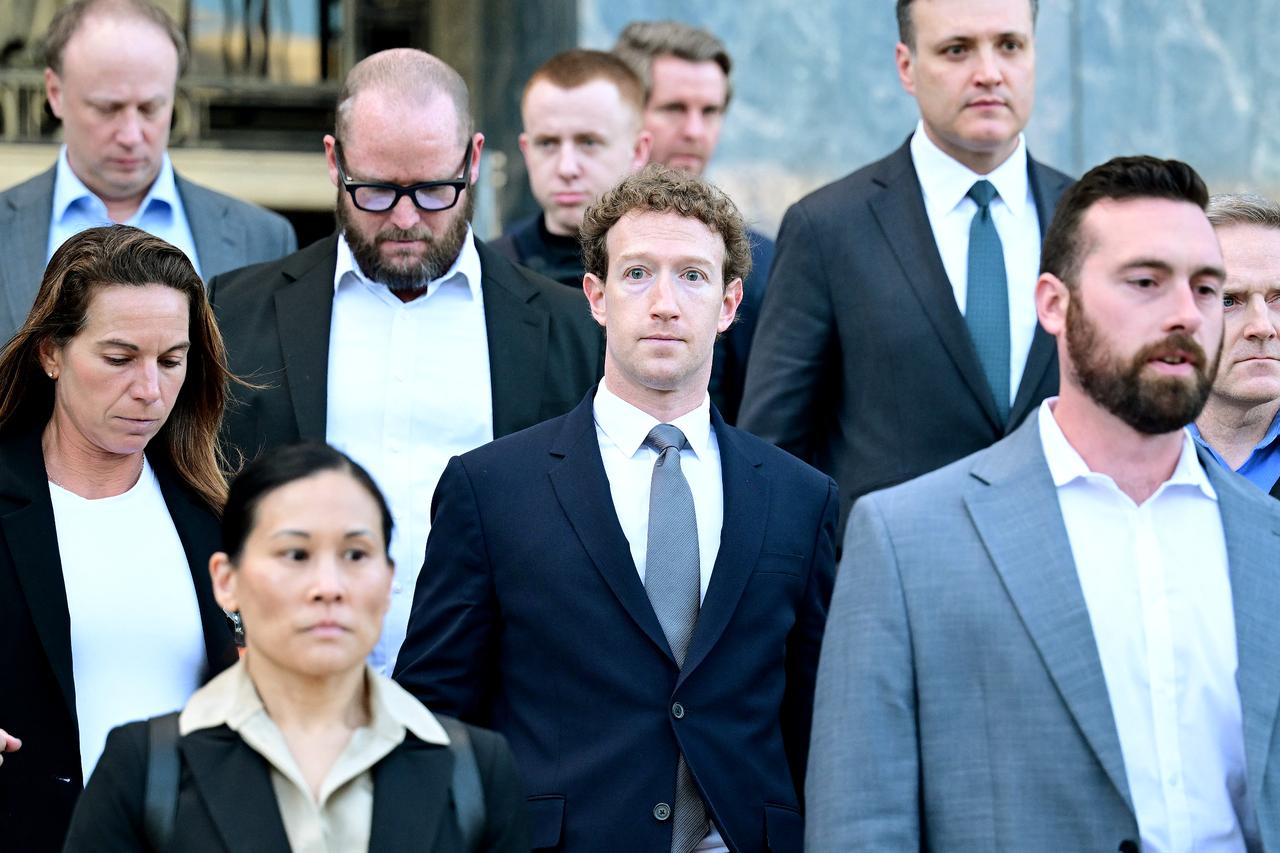


Meta CEO Mark Zuckerberg said Wednesday that age verification for social media should be handled at the smartphone level rather than by individual apps, as he testified in a California trial examining the impact of platforms such as Instagram and Facebook on young users.
Appearing before a jury in Los Angeles, Zuckerberg acknowledged that Meta had been slow to prevent underage users from accessing Instagram, which officially bans children under 13.
He said the company had since strengthened its safeguards but added, "I always wish that we could have gotten there sooner."
The testimony marked the first time Zuckerberg addressed platform safety directly under oath before a jury as part of a lawsuit filed by American families who claim social media companies exposed children to harmful online environments.
During questioning, lawyers presented internal company emails showing employees had raised concerns about weaknesses in Meta’s age verification systems.
Other internal messages referenced company targets related to user engagement, including increasing time spent on its platforms.
Zuckerberg confirmed that Meta previously tracked time-based engagement goals but said these were linked to improving user experience rather than encouraging excessive use.
"We used to have goals around time," he said, adding that Meta’s focus was on building useful services that connect people.
Court evidence also showed that Instagram had an estimated 4 million users under age 13 in 2015, despite its minimum age requirement. At the time, 30% of U.S. children between the ages of 10 and 12 were using the platform.


Zuckerberg told jurors that operating system providers such as Apple and Google were better positioned to implement age verification tools, since they control the software that runs most smartphones.
"Doing it at the level of the phone is just a lot clearer than having every single app out there have to do this separately," he said.
He added that implementing such checks at the device level "would be pretty easy for them."
He also said Meta’s current systems were stronger than in earlier years, telling the court that "we’re in the right place now" regarding age verification.
The trial, expected to continue until late March, will determine whether Meta and Google-owned YouTube bear responsibility for alleged mental health harm linked to prolonged social media use among minors.


 Set as preferred source
 Set as preferred source


 1 min read

 1 min read