Newsletters





The digital playground is no longer just fun and games; it’s a high-stakes arena for mental health. While social media keeps young people "connected," the cost of entry is skyrocketing. We are seeing a direct link between the scroll and a surge in low self-esteem and sleep deprivation.
For teenage girls, the pressure to mirror an unattainable digital perfection isn't just exhausting—it’s dangerous, fueling a cycle of negative comparison and online hostility that demands our attention.
Algorithms guiding content and long screen times challenge teens’ psychological resilience. Sleep problems, social isolation, and constant comparison pressures can create conditions for suicidal thoughts.
Research by France’s National Health Agency (ANSES) also indicates that social media use significantly affects adolescents’ mental health, with girls being more vulnerable.
Social media is becoming increasingly central in adolescents’ lives. Experts note that the length of time spent on platforms and the type of interactions directly affect mental health. A meta-analysis found that social media use is associated with depression, anxiety, sleep disturbances, and low self-esteem.
Adolescent girls are more sensitive to social media content than boys. Being exposed to content emphasizing ideal lifestyles, popularity, and body image on visually focused platforms can trigger loss of confidence and anxiety disorders. Prolonged use, especially at night, disrupts sleep patterns, leading to fatigue and attention issues. Research shows that as time spent on social media increases, depressive symptoms become more pronounced in girls, and the risk of loneliness and social isolation rises. Constantly seeking likes and approval also reinforces a tendency to self-evaluate and feel inadequate.
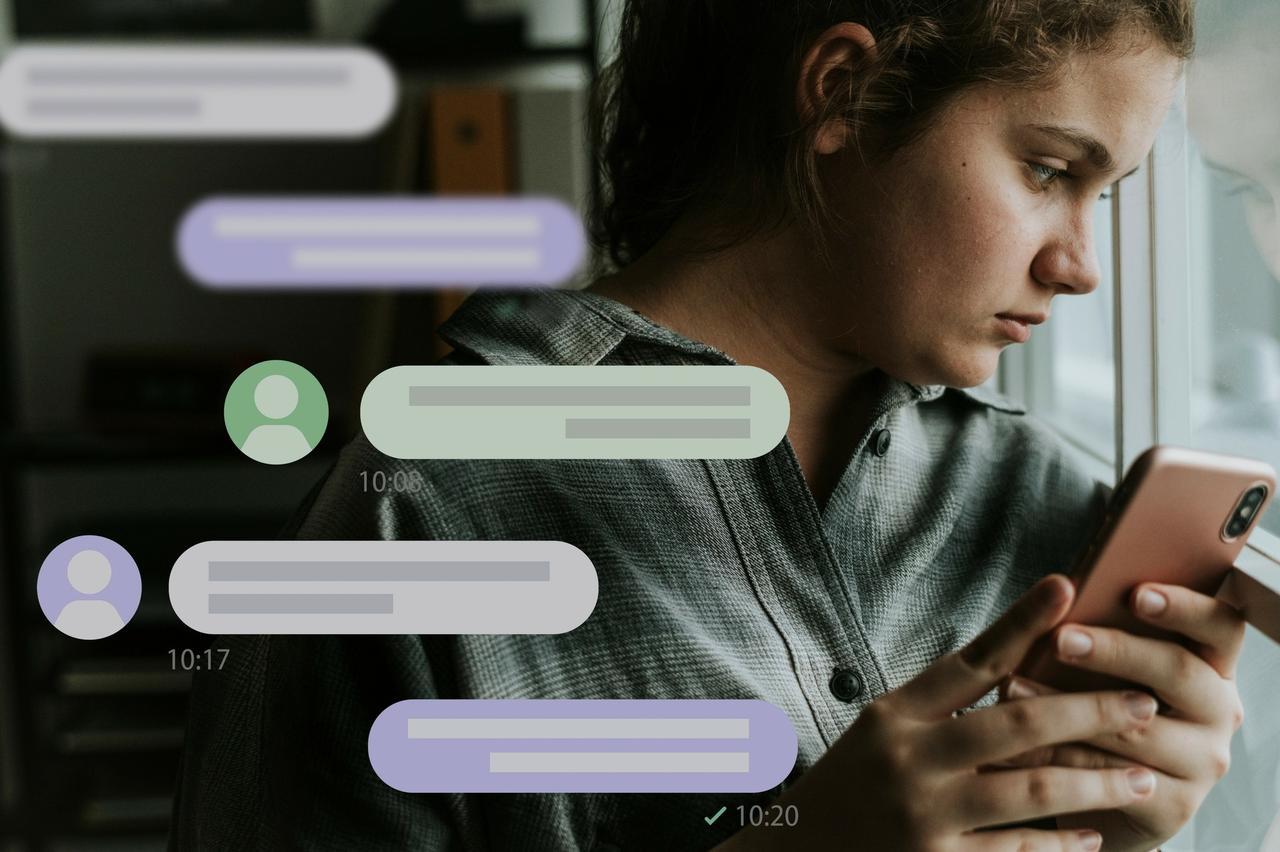

Increased social media use also raises the likelihood of exposure to cyberbullying and negative online experiences. A long-term study in the U.S. found that frequent social media use and online bullying increased feelings of hopelessness, persistent sadness, and risk of planning or attempting suicide among teens.
Negative interactions, combined with the psychological vulnerability of adolescence, can lead to serious outcomes. Cyberbullying triggers both depression and anxiety, causing teens to feel helpless and worthless. This also makes it difficult for teens to limit their social media use, as the platforms are still used to maintain friendships and social connections. Continuous exposure to negative comments and mocking content weakens emotional resilience and increases the risk of suicidal thoughts over time.
Research highlights specific risks that adolescent girls face on social media. Negative body perception, constant social comparison, and exposure to “ideal life” content trigger anxiety and depression in girls.
Some girls encounter misleading or harmful content while searching for mental health information online. This can lead to social isolation, decreased self-esteem, and increased psychological stress. The visual nature of social media and gender stereotypes make girls more vulnerable. Constant comparison with others’ lives can create feelings of inadequacy or falling behind. This pressure contributes to higher levels of anxiety and depression and may lead to social withdrawal.
France’s National Health Agency published a comprehensive study in 2025 analyzing the psychological effects of social media on adolescents aged 11–17. The report found that social media increases the risk of sleep disorders, anxiety, depression, and low self-esteem, with girls being more affected
The ANSES report emphasizes that platform algorithms and content curation can directly impact teens’ mental health. The study notes that it is not just the duration of use but also the type of content that plays a critical role in determining psychological risks. The report highlights that the visual and content-related pressures faced by adolescent girls can intensify loss of self-confidence, anxiety, and depression.
Social media is not entirely negative. Teens can find support through online support groups, information sharing, and connecting with peers who have similar experiences.
Experts stress that these benefits do not eliminate the risks. The nature of social media use, the time spent, and the type of content exposure are crucial in shaping teens’ mental health.
Parents, educators, and policymakers should provide guidance to develop digital literacy, ensure safe online experiences, and strengthen defense mechanisms against harmful content.
The ANSES report also recommends age restrictions and protective design principles in platform algorithms, which can play a key role in reducing the psychological risks faced by adolescent girls.


 Set as preferred source
 Set as preferred source



 2 min read