Newsletters


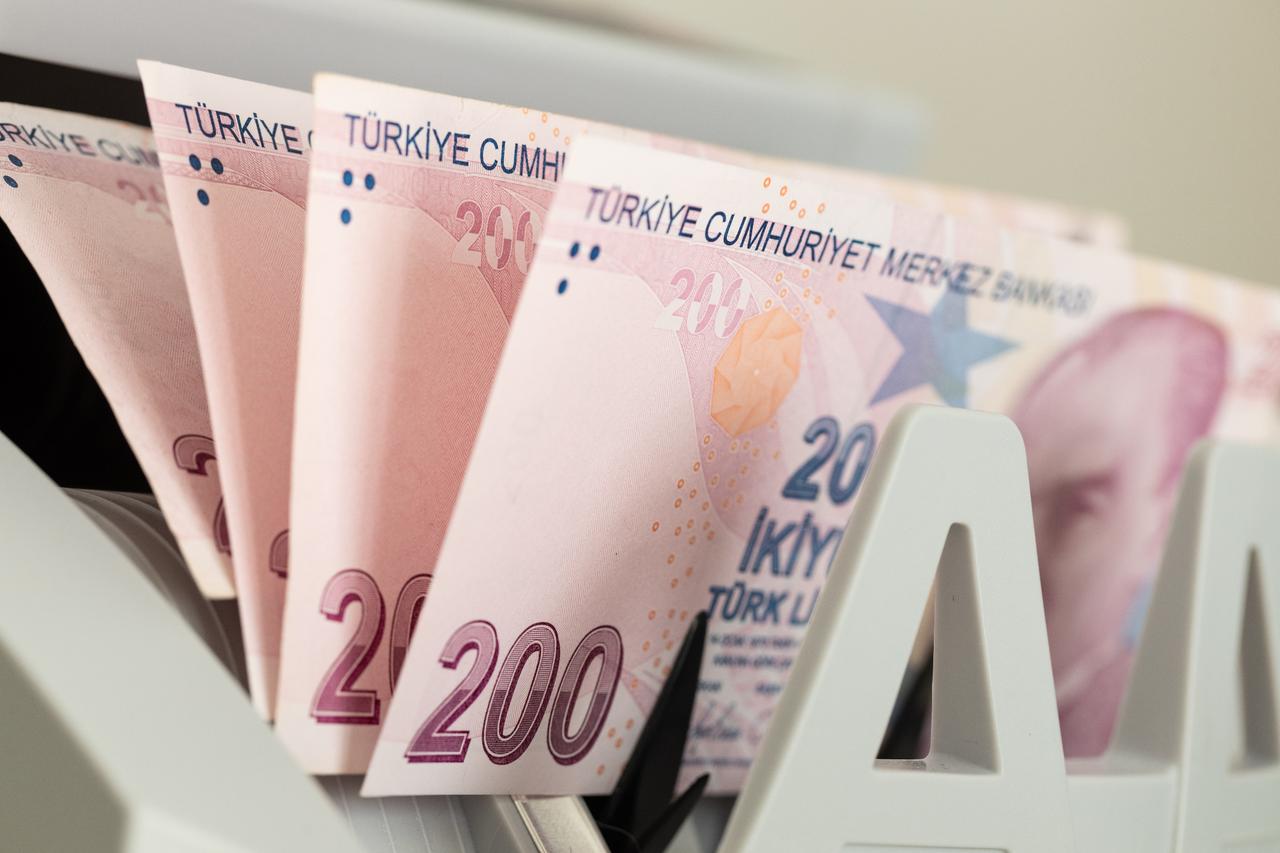


Türkiye is tightening oversight of property sales and large-scale monetary transactions starting Jan. 1, 2026, as part of a broader effort to combat its large informal economy and improve tax compliance.
The changes, introduced through a draft tax bill and new regulations issued by the Financial Crimes Investigation Board (MASAK), are designed to prevent the underreporting of real estate sale prices and bring greater transparency to high-value cash flows.
The informal economy, comprising unregistered activity, off-the-books transactions, and tax evasion, has long challenged Türkiye’s fiscal discipline, with its size estimated to reach up to $44 billion in 2023.
The government aims to raise tax revenues and enhance financial transparency by reducing the gap between reported and actual values in real estate sales, as well as controlling suspicious or unexplained transfers of large sums of money.
Currently, many property buyers and sellers in Türkiye mutually agree to declare a price lower than the actual market value on the title deed records. This practice reduces the title deed fee, which is calculated based on the reported value, but it also leads to lost public revenue and distorts official property market data.
To counter this, the draft legislation proposes increasing the penalty for underreporting the sale price. The current fine, set at 25% of the evaded tax, will rise to 100% starting Jan. 1, meaning violators will pay double the amount of the avoided title deed fee.
The change is intended to create a strong deterrent effect and encourage full-value declarations during property transfers.


In parallel, Türkiye is stepping up oversight of cash and monetary transfers to monitor unusual financial activity and combat money laundering.
Under MASAK’s updated communique, individuals and businesses conducting high-value transfers will be subject to a new tiered reporting system.
If the recipient of such funds attempts to deposit the amount into the financial system, such as into a bank account, they will be required to explain the origin of the funds. In some cases, banks may request supporting documents to verify the transaction.
All records and accompanying documents will be submitted to MASAK for review.
By enforcing stricter penalties and expanding documentation requirements, officials aim to discourage off-the-record transactions and reduce avenues for illicit activity.


 Set as preferred source
 Set as preferred source


 1 min read

 1 min read