Newsletters


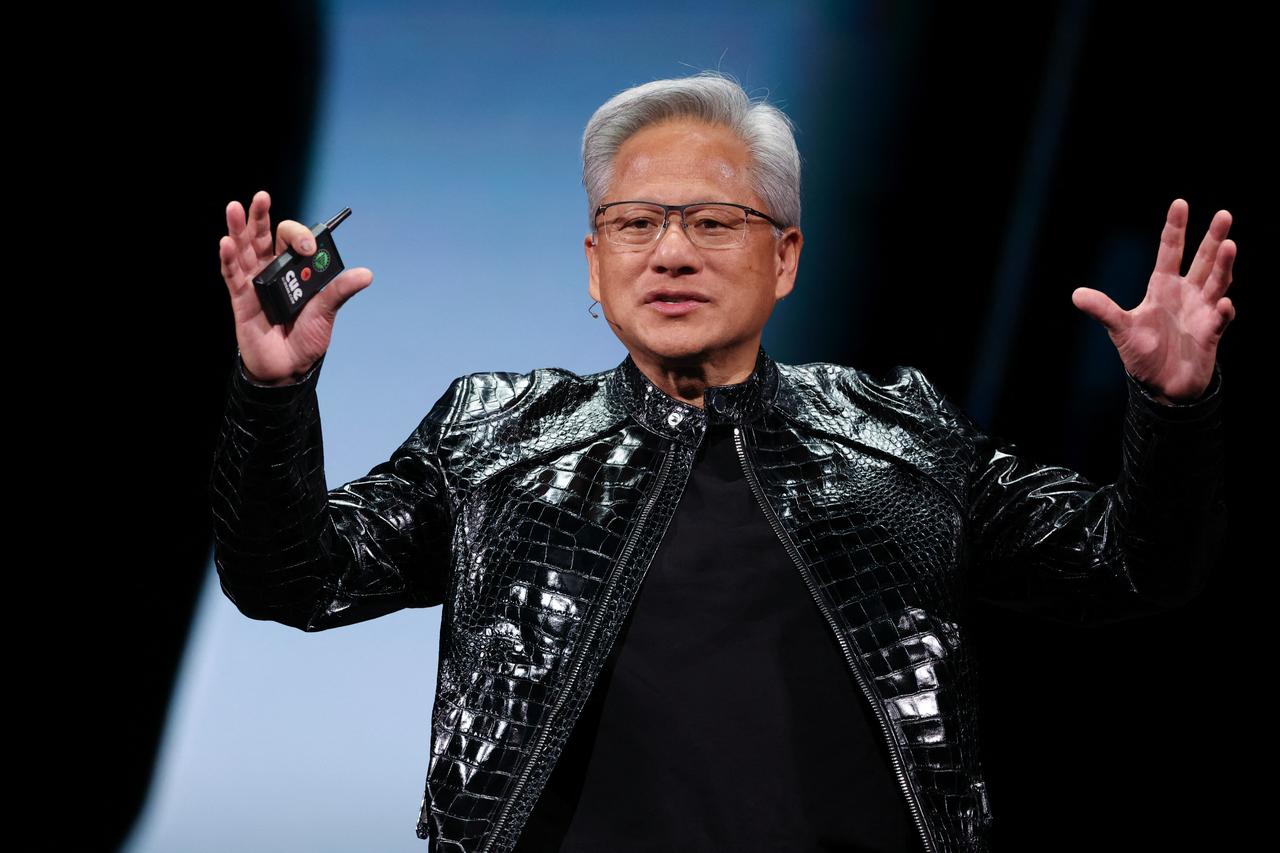


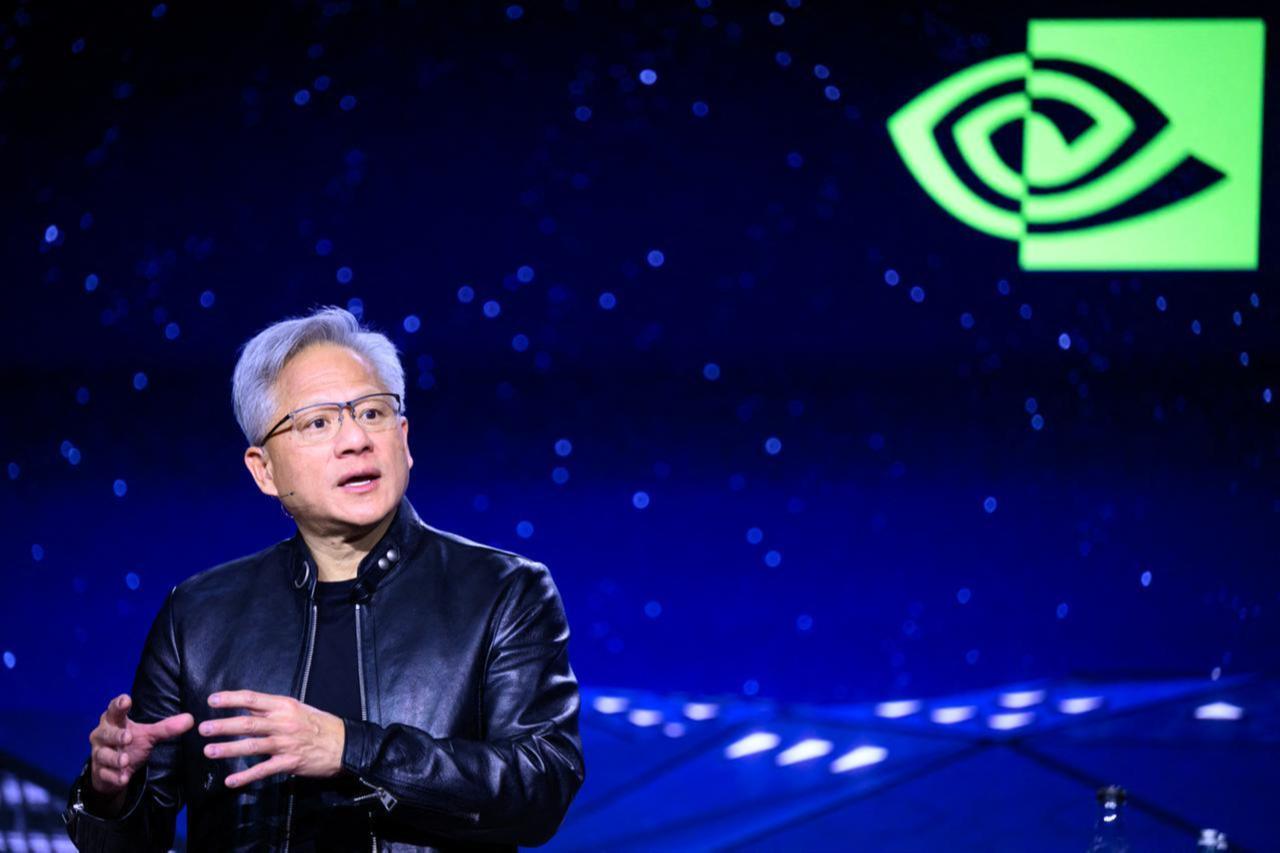
Nvidia founder and CEO Jensen Huang, 63, apologized Sunday to his wife and family, colleagues and shareholders after admitting to an affair with a woman U.S. officials say worked for Chinese intelligence, as the company’s board launched an independent investigation into him.
In an email sent to Nvidia employees, Huang accepted responsibility for the damage caused to his family and the trust he had broken.
“I was unfaithful to my wife,” he wrote. “My actions hurt her and our children. There is no excuse for what I did. I am deeply sorry.”
He expressed regret for having failed to reciprocate the love, support and loyalty his family had steadfastly shown him throughout his life, adding that he hoped to rebuild their trust and allow the family to heal over time.
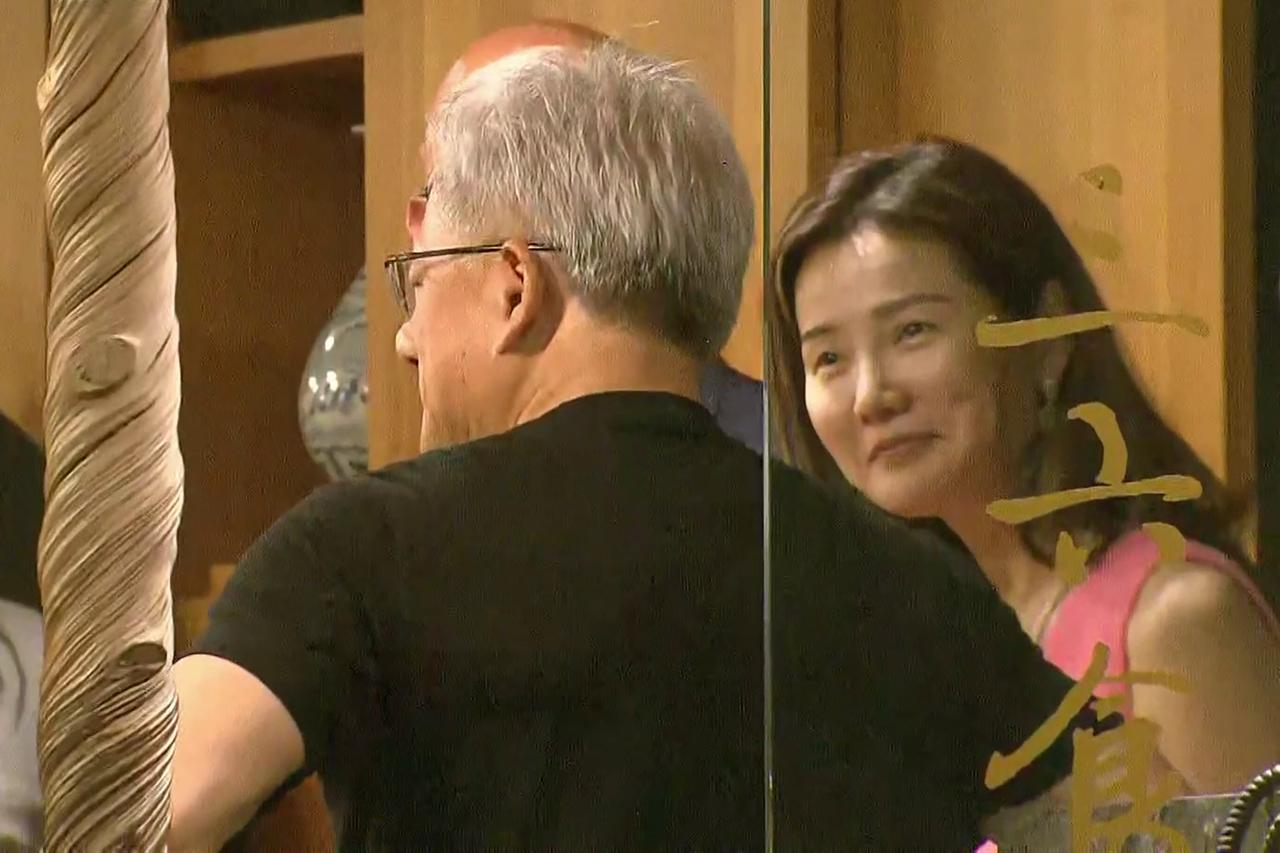

Huang also addressed Nvidia employees, board members, business partners and shareholders, acknowledging that he had fallen short of the responsibilities associated with leading the company.
“Leading Nvidia is the privilege of my life,” he wrote, reaffirming his commitment to the company and pledging to work toward regaining their confidence.
The email also addressed national security concerns raised in recent news reports. Huang confirmed that Nvidia’s board of directors had initiated an independent investigation and said he fully supported the process and would cooperate.
In a separate statement, the board said it launched the probe following recent reports that Huang had been targeted by a foreign intelligence effort.
“While the Board has no reason to believe that either national security or NVIDIA secrets were compromised, the Board’s inquiry will examine all available information,” it added.
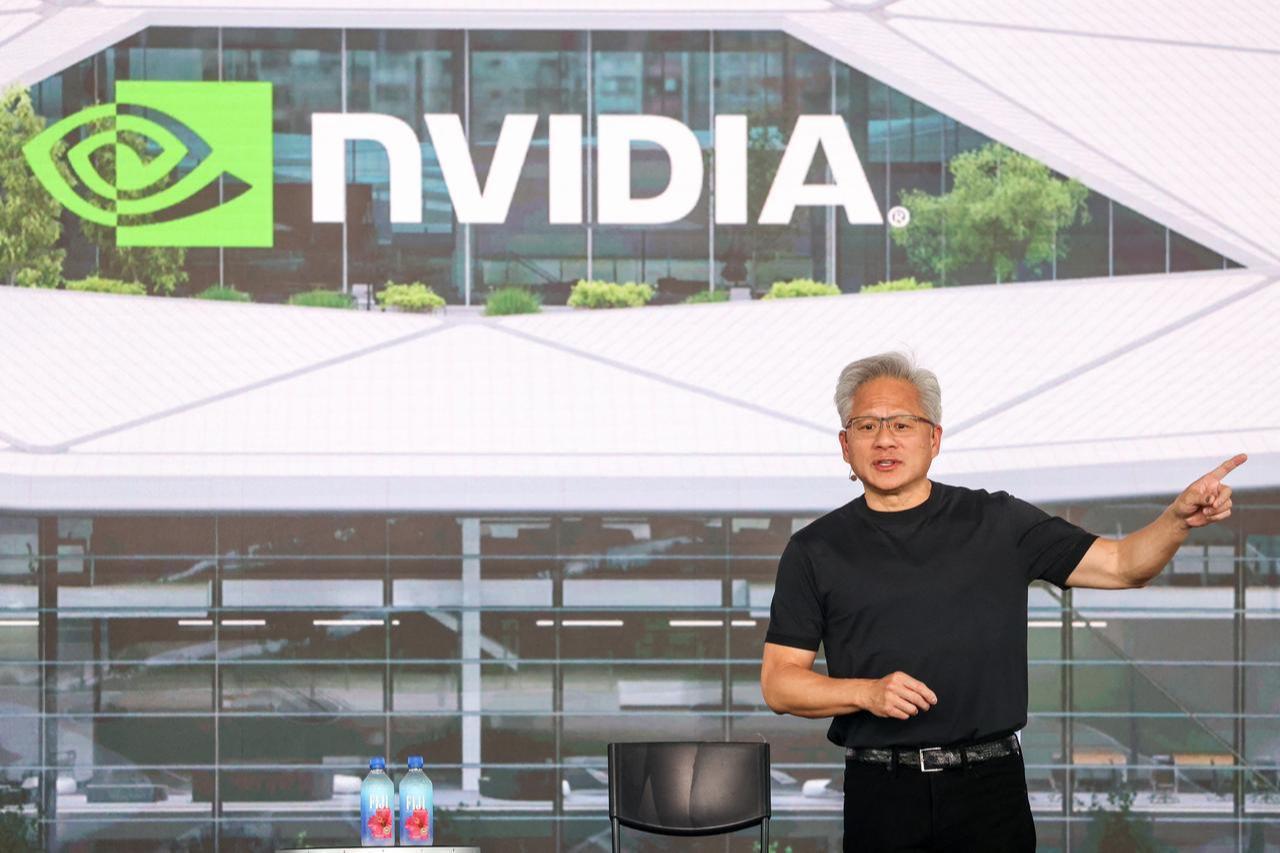
He further underlined his commitment to protecting Nvidia and supporting U.S. national security, expressing pride in being an American.
Concluding his message, Huang urged that his family not be held accountable for his personal decisions and appealed for their privacy to be respected.
The apology comes after The New York Times reported on Sunday that U.S. Secretary of State Marco Rubio oversaw the drafting of a classified intelligence memo warning senior Trump administration officials that Huang had developed a close relationship with an alleged Chinese intelligence operative.
The warning, drafted under Rubio’s supervision in the spring of this year, circulated among national security officials holding high-level clearances ahead of a bilateral state visit to China in May by U.S. President Donald Trump.
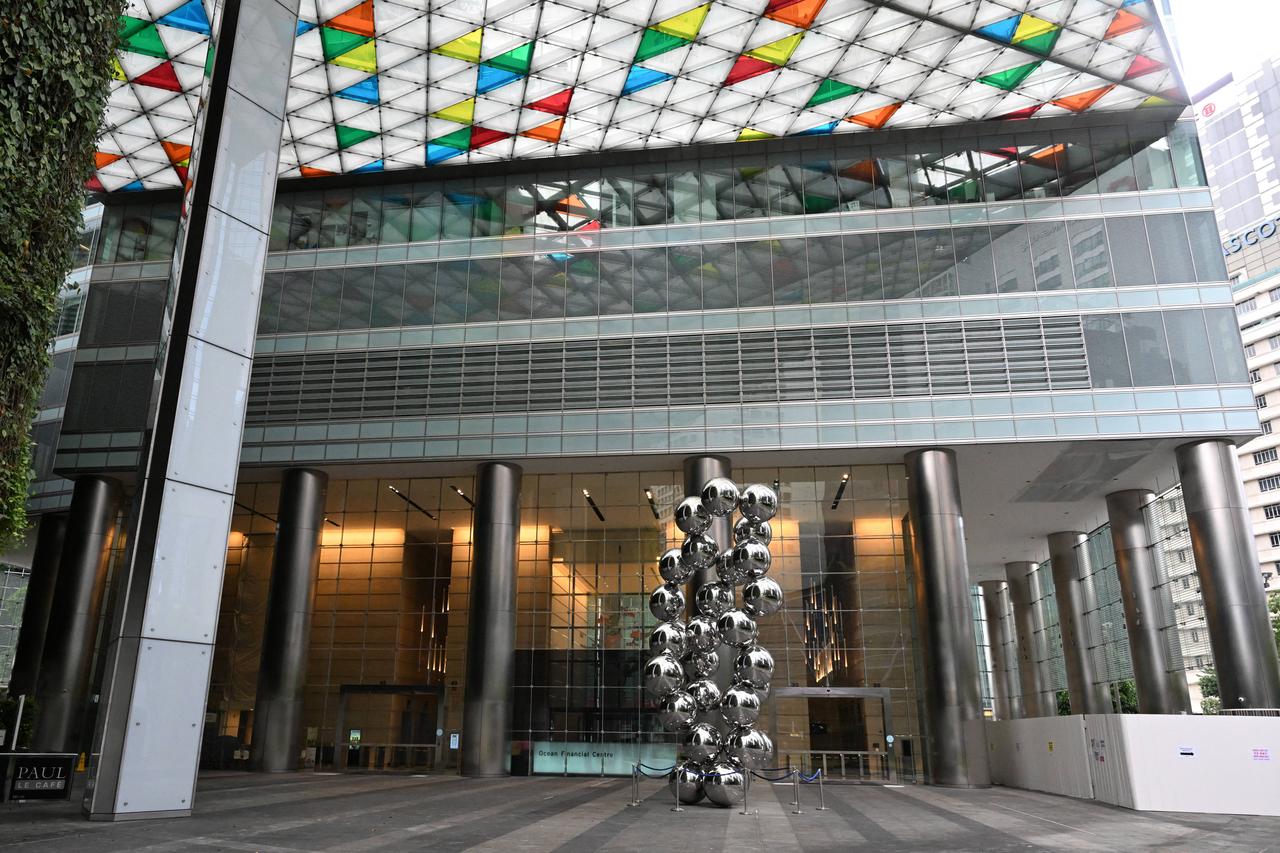
The document stemmed from electronic surveillance targeting Chinese businesswoman Alice Huang, also known as Huang Le, who is unrelated to the Nvidia chief. She worked as a senior executive at Megaspeed International, a Singapore-based data center company that purchased advanced artificial intelligence processors while under federal investigation for illicitly smuggling semiconductors into mainland China.
When intelligence officials requested the unmasking of an American citizen seen in intercepted communications showing an intimate relationship with her, the review identified the executive as Jensen Huang. Counterintelligence agencies concluded that China’s Ministry of State Security had recruited Alice Huang as an operative.
According to the Times, her ties to the Nvidia chief could have given her insight into Trump’s thinking on AI.
Beijing has dismissed the report as “groundless speculation.”
Jensen Huang was initially excluded from the official business delegation traveling with Trump to China. However, after noticing media reports highlighting the absence, Trump intervened directly, arranging for Huang to rendezvous with Air Force One during a refueling stop in Alaska and praising him as “the Great Jensen Huang.”
Trump declined to impose restrictions on Huang or the chipmaker, viewing Nvidia’s market dominance as vital to U.S. economic competition and financial markets.
Taiwanese-born Jensen Huang, a towering figure in the AI revolution, also serves as a close informal adviser to Trump, who has repeatedly opposed regulating the industry so as not to let China gain the upper hand in the AI race.
Speaking to reporters Sunday, Trump described the Nvidia chief as “a fine person” who has done an incredible job, while noting that one never knows what is going on.
Trump also said he did not regret his decision not to act on the intelligence, calling Jensen Huang “an honorable guy” who probably has an explanation.
China and the United States are locked in a race for technological dominance, with Washington restricting exports of the most advanced chips to China. Nvidia, a global leader in chips used to train and run AI models, ranks among the world’s most valuable companies.
Technology analyst Dan Ives of investment bank Yorkville Ives called news of the probe “a black eye moment” for Jensen Huang, predicting it would at least trigger multiple congressional inquiries and weigh on the company’s stock.
Ives said the Nvidia chief is expected to keep his job in the near term but could be removed as CEO depending on the outcome of the board’s inquiry.
“This will also increase major scrutiny regarding selling chips to China, which remains a key battleground issue in DC,” he noted.
George Chen, partner and chair of digital practice at The Asia Group, told Agence France-Presse (AFP) it would be premature to conclude that Jensen Huang poses a threat to U.S. national security before the facts are fully established, adding that fame naturally makes one a target.
“The key questions are whether he was aware of any espionage activities and whether any confidential or strategically sensitive information was compromised,” Chen said.


 Set as preferred source
 Set as preferred source


 1 min read
 1 min read