Sign in
 Newsletters




Nvidia has cautioned customers against allowing Chinese companies to access its artificial intelligence chips through overseas data centers, warning that proposed U.S. legislation could expose both sides to legal action.
Nvidia contacted buyers in recent months to warn that the proposed Remote Access Security Act (RASA) would give Washington broader powers to regulate cloud access, much like physical hardware, according to two people familiar with the communications cited by CNBC.
The company also made clear that it would not sell chips to customers renting out more than 50% of their graphics processing units (GPUs) to Chinese companies, the sources added.
The Financial Times separately reported earlier this month that Nvidia verbally instructed data center clients to direct at least 51% of their services to non-Chinese customers under future contracts.
U.S. authorities step up efforts to prevent Chinese companies from obtaining restricted computing power through facilities outside China.
The House of Representatives passed RASA in January, but the legislation has yet to clear the Senate. Meanwhile, the Commerce Department's Bureau of Industry and Security (BIS) announced an interim final rule Monday targeting remote access to advanced AI chips.
Under the new restrictions, data centers worldwide must obtain a U.S. license before providing large volumes of computing power from advanced chips to companies headquartered in China, Macau or other countries subject to U.S. arms embargoes.
The licensing requirements also cover shipments of advanced chips to Singapore, Malaysia, Thailand, Indonesia and Brazil, which the Commerce Department considers to carry a "higher-than-normal risk of diversion."
The measures target a loophole that allowed Chinese companies to rent computing capacity from overseas data centers running on U.S. chips that Washington prohibits from being exported directly to China.

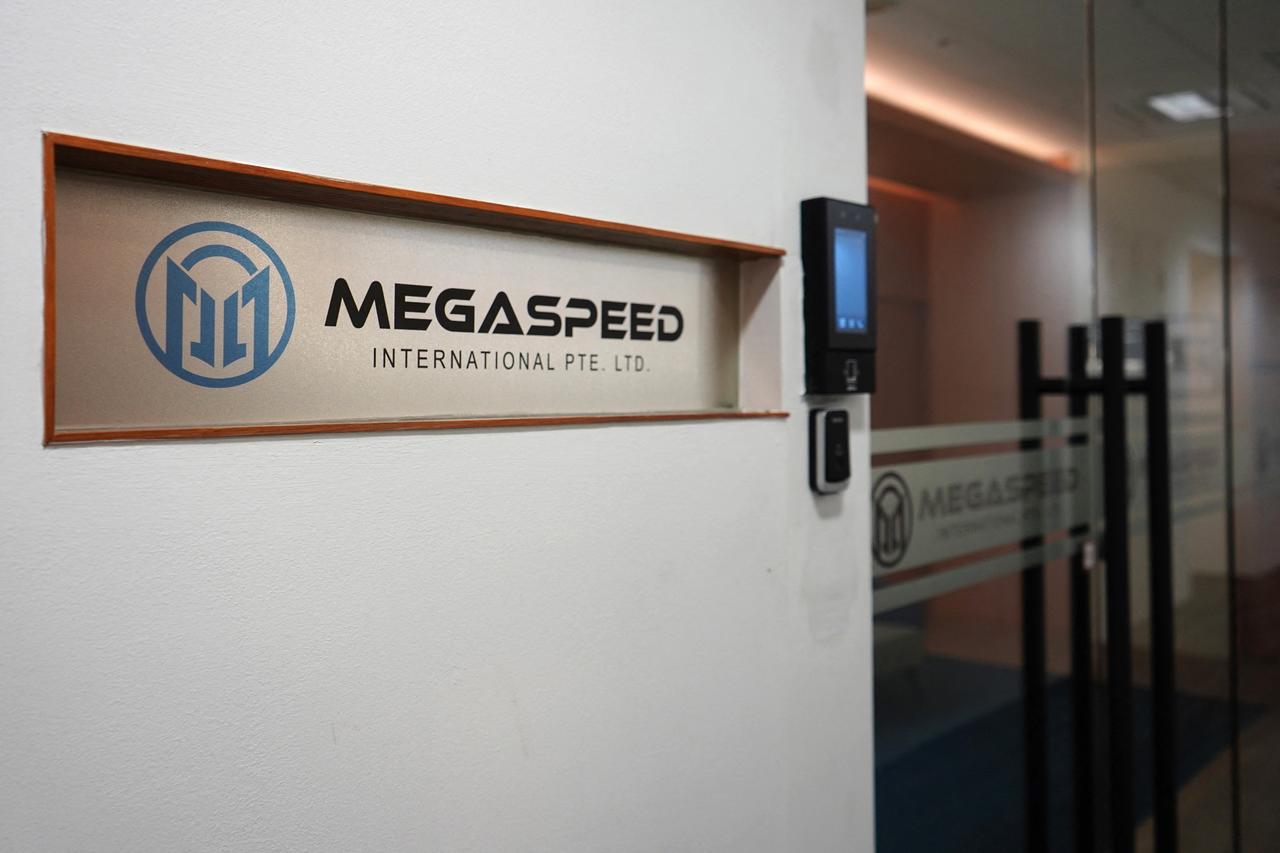
The crackdown follows a U.S. investigation into Singapore-based data center operator Megaspeed, suspected of helping Chinese companies obtain advanced Nvidia chips in violation of export controls.
The Commerce Department opened its probe in 2024 and requested Nvidia's records on direct and indirect sales to Megaspeed in May 2025. Nvidia added the company to its no-sell list the following month, as federal agents inspected its Singapore facilities and interviewed former executive Alice Huang.
The Commerce and Justice departments confirmed Monday they were working together to "bring the full extent of the law against Megaspeed for any criminal conduct that may have occurred."
The case has drawn further attention following reports of an affair between Nvidia co-founder Jensen Huang and Alice Huang, whom U.S. authorities reportedly suspect of spying for Beijing.

Jensen Huang, 63, stepped down as CEO last week after reports of at least two extramarital affairs emerged. He acknowledged one in a letter to employees but did not identify the woman.
The scandal has also exposed divisions within the Trump administration, with Treasury Secretary Scott Bessent accusing the Commerce Department of ignoring reports of Megaspeed's alleged transfers of Nvidia technology to China.
Bessent called for a "dramatic shakeup" at Nvidia on Sunday and questioned whether executives had pushed through potentially illicit sales to boost revenue.
"I want to keep coming back to what was the culture at Nvidia, and were they pressing these seemingly illicit sales to goose their revenues and their earnings?" he told Fox News.
Commerce Secretary Howard Lutnick has agreed to testify before the Senate, while Huang is scheduled to testify behind closed doors in the House before Thanksgiving on Nov. 26. He has also been asked to appear before the Senate Banking Committee on Dec. 3.
Beijing condemned Washington's latest export controls Tuesday and threatened countermeasures.
"The U.S. repeatedly overstretches the concept of national security, abusing export control measures," Foreign Ministry spokesman Guo Jiakun told reporters, warning that China would take "necessary measures to resolutely safeguard its legitimate rights and interests."
Nvidia shares fell 4% Monday, extending a monthlong slide that has erased more than a quarter of the company's market value as investors weigh the leadership turmoil and AI spending outlook.
The chipmaker is preparing to report its first earnings since Huang's departure, with CFO Colette Kress serving as interim CEO. Investors will look for clues on whether she plans to scale back Huang's aggressive AI investment strategy, as well as guidance on future sales, particularly in Asia and Singapore.
The new restrictions have also raised concerns among countries hosting major data center operations. Singapore is consulting affected companies and U.S. authorities while exploring ways to ensure its firms retain "trusted access" to AI chips.
Indonesia is also reviewing the measures and seeking industry feedback on their potential impact on operations and investment, particularly in the data center sector.
Meanwhile, Elon Musk and other major AI investors are gathering signatures for an open letter urging Huang's reinstatement. Trump also indicated he would welcome his return, saying he "would not mind" seeing Huang back at Nvidia.
Kress is not expected to remain CEO permanently, leaving Nvidia facing a search for a successor as scrutiny of its export control compliance and overseas business intensifies.


 Set as preferred source
 Set as preferred source


 1 min read
 1 min read