Sign in
 Newsletters


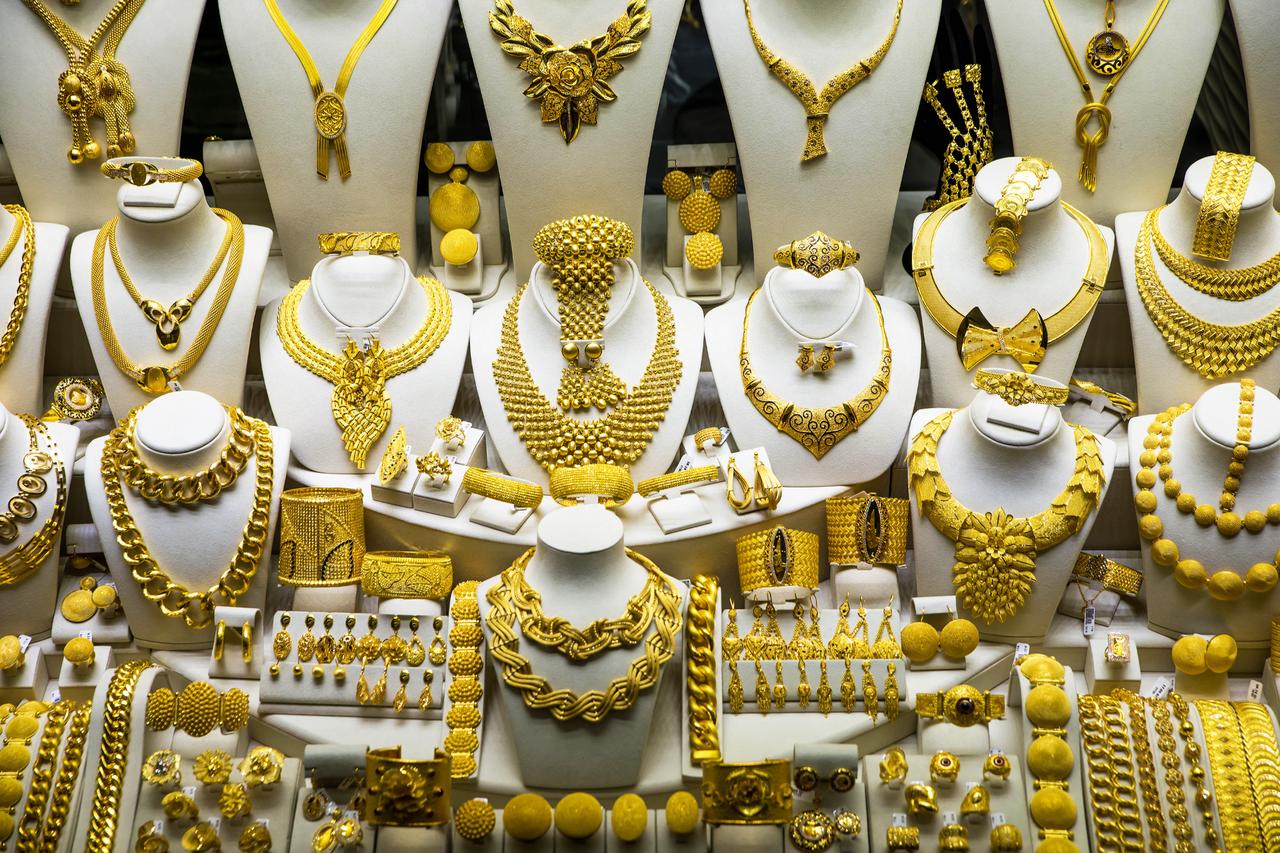


Türkiye’s share of global gold exports has fallen 72.4% since the final quarter of 2023, dropping to just 0.67% in the first quarter of 2026 as the country loses ground in a global market that more than doubled in dollar value.
The decline follows restrictions on unprocessed gold imports introduced in August 2023 to curb the current account deficit, which have made it harder for Turkish exporters to compete in international markets, business-focused ekonomim.com reported.
Türkiye briefly recovered some market share in 2024, rising from 1.2% in the first quarter to 2.1% in the third quarter. But the gains quickly faded. Its share fell to 1.4% in the first quarter of 2025, 1.1% in the second, 1.2% in the third and 0.9% in the final quarter, before hitting 0.67% in early 2026.
While global gold exports more than doubled to $392.2 billion from $192.6 billion, Türkiye’s shipments fell 43.9% to $2.6 billion from $4.7 billion.
The monthly quota caps unprocessed gold imports at 12 tons, against a long-term monthly average of 8 tons.
Introduced by the Treasury and Finance Ministry to ease pressure on the current account and foreign trade balances, the measure has drawn criticism from exporters over limited access to raw materials at international prices.
The restrictions have pushed up domestic gold prices, increased production costs, and cost Turkish manufacturers overseas orders, prompting some to move production abroad. At times last year, local gold traded as much as $12,000 per kilogram above international prices.
That premium has since largely disappeared as domestic demand weakened, with local prices occasionally slipping below global levels.
The shift helped jewelry exports but also reduced the incentive to import gold. Imports plunged 78.6% in October to 2.87 tons, while jewelry exports climbed 33.8% year over year to $760.8 million from $568.4 million, according to the Turkish Exporters Assembly.
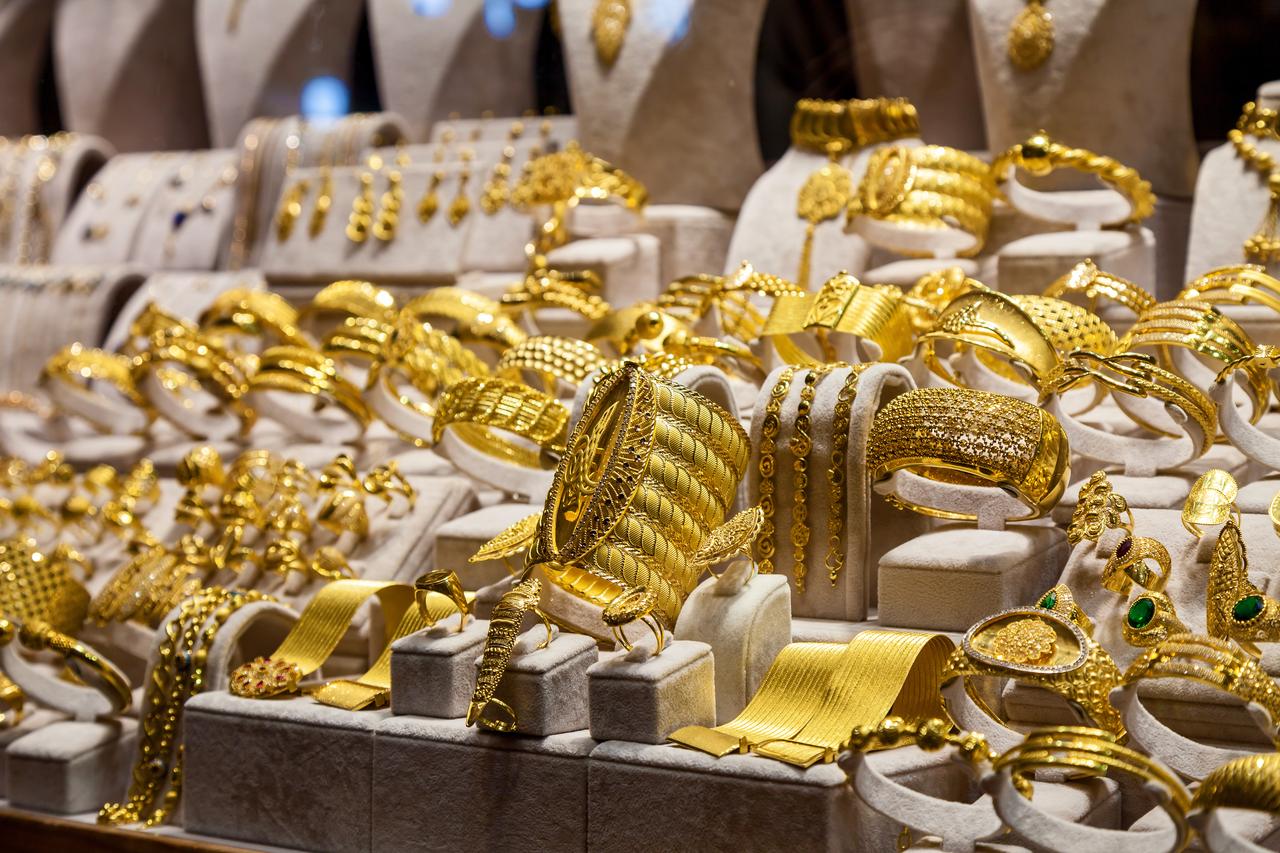

The price advantage has recently narrowed, with Turkish gold trading $20-50 per kilogram above international levels, according to Mehmet Ali Yildirimturk, deputy chairman of the Istanbul Association of Jewelers, Goldsmiths and Money Changers.
"If domestic demand continues, I expect the gap to rise again to as much as $1,500 per kilogram," he told the outlet.
Yildirimturk warned that a further increase in domestic demand could widen the premium again, putting Turkish exporters at a disadvantage.
Jewelry exports have benefited from the earlier narrowing of the price gap, with sector shipments reaching $7.63 billion in January-October 2026, up 12.9% year over year.
Yildirimturk said periods when Turkish gold traded below international prices gave local manufacturers a competitive edge.
"When the price difference between domestic and international markets narrows, our competitiveness improves. A negative gap is welcomed by jewelry and accessory exporters," he said.
He expects stronger overseas demand ahead of the New Year to provide further support, although a widening price gap could erode those gains.


 Set as preferred source
 Set as preferred source


 1 min read

 1 min read