

 Newsletters


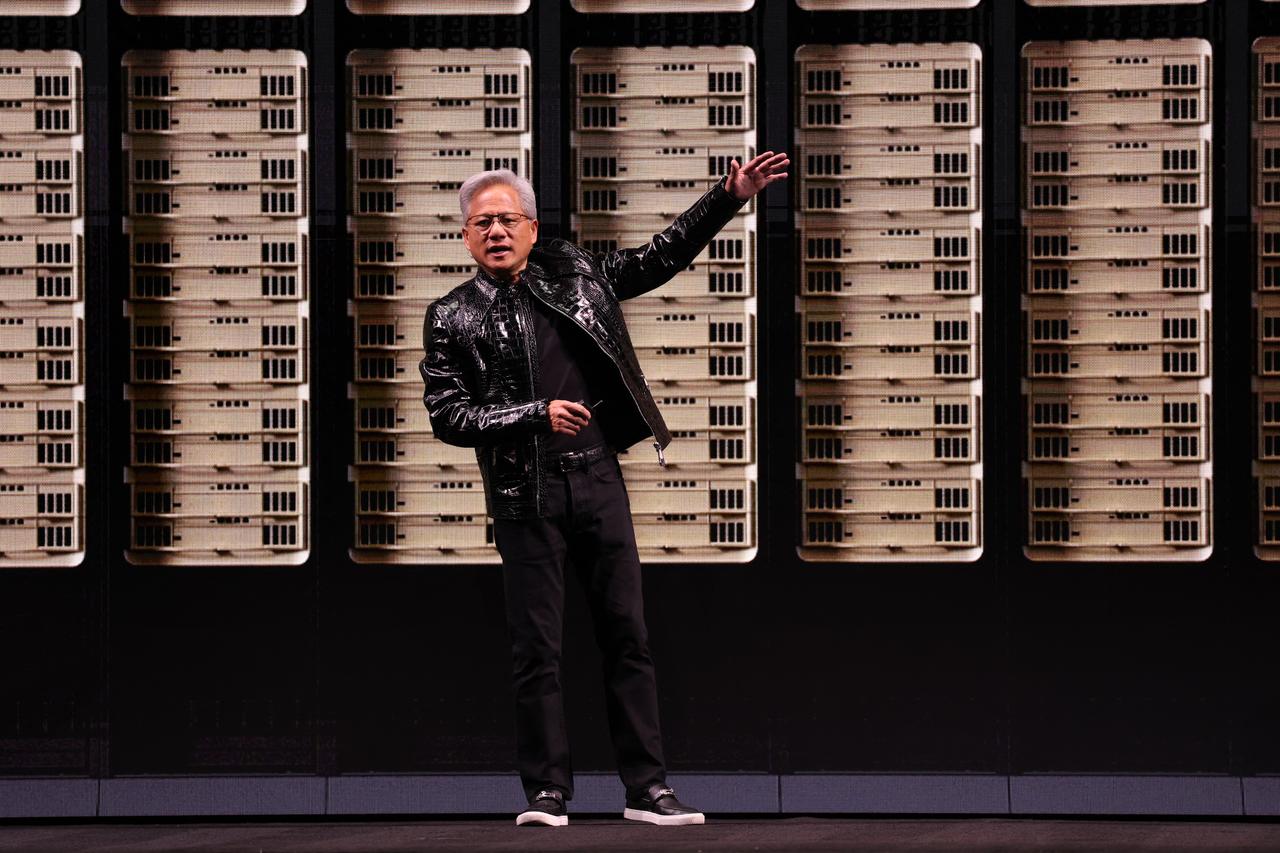


Nvidia introduced its latest artificial intelligence chip platform on Monday, unveiling technology the company says will dramatically improve efficiency as it battles to preserve its dominant position in the rapidly evolving AI hardware market.
The California-based chipmaker, currently the world's most valuable company, revealed the Vera Rubin platform at the Consumer Electronics Show in Las Vegas, where CEO Jensen Huang delivered a keynote address at the technology industry's largest annual gathering.
Named after the American astronomer, the Rubin platform represents what Nvidia describes as a fundamental departure from its Blackwell architecture, which debuted in late 2024. The company claims the new system will operate five times more efficiently than previous generations, addressing growing concerns about the massive energy consumption associated with AI development.


Despite controlling an estimated 80 percent of the global market for AI data center chips, Nvidia faces mounting challenges from several directions. Traditional semiconductor rivals AMD and Intel have intensified their efforts to capture market share, while the company's largest customers are pursuing strategies to reduce their reliance on Nvidia technology.
Google, Amazon, and Microsoft have each begun developing proprietary chips for their AI operations. Google's latest AI model, Gemini 3, was trained entirely without Nvidia hardware, marking a significant shift in the competitive landscape.
China has accelerated domestic chip development efforts following US export restrictions on Nvidia products, which have significantly hampered the Chinese technology sector's access to advanced AI capabilities.
The Rubin platform consists of six integrated chips functioning as a unified AI supercomputer, according to Dion Harris, Nvidia's director of data center and high-performance computing. The system is designed to "meet the needs of the most advanced models and drive down the cost of intelligence," Harris said.
Nvidia announced that Rubin-based products will become available through partners in the second half of 2026. The company first announced the platform in September but provided additional details at the Las Vegas event.
Nvidia has maintained an aggressive product development timeline since ChatGPT's launch in 2022, releasing new chip architectures at an accelerating pace. This rapid innovation cycle has raised questions within the technology industry about whether companies building AI models can sustain the financial investments required to keep their systems current with the latest hardware advances.


 Set as preferred source
 Set as preferred source


 1 min read
 1 min read



