Newsletters


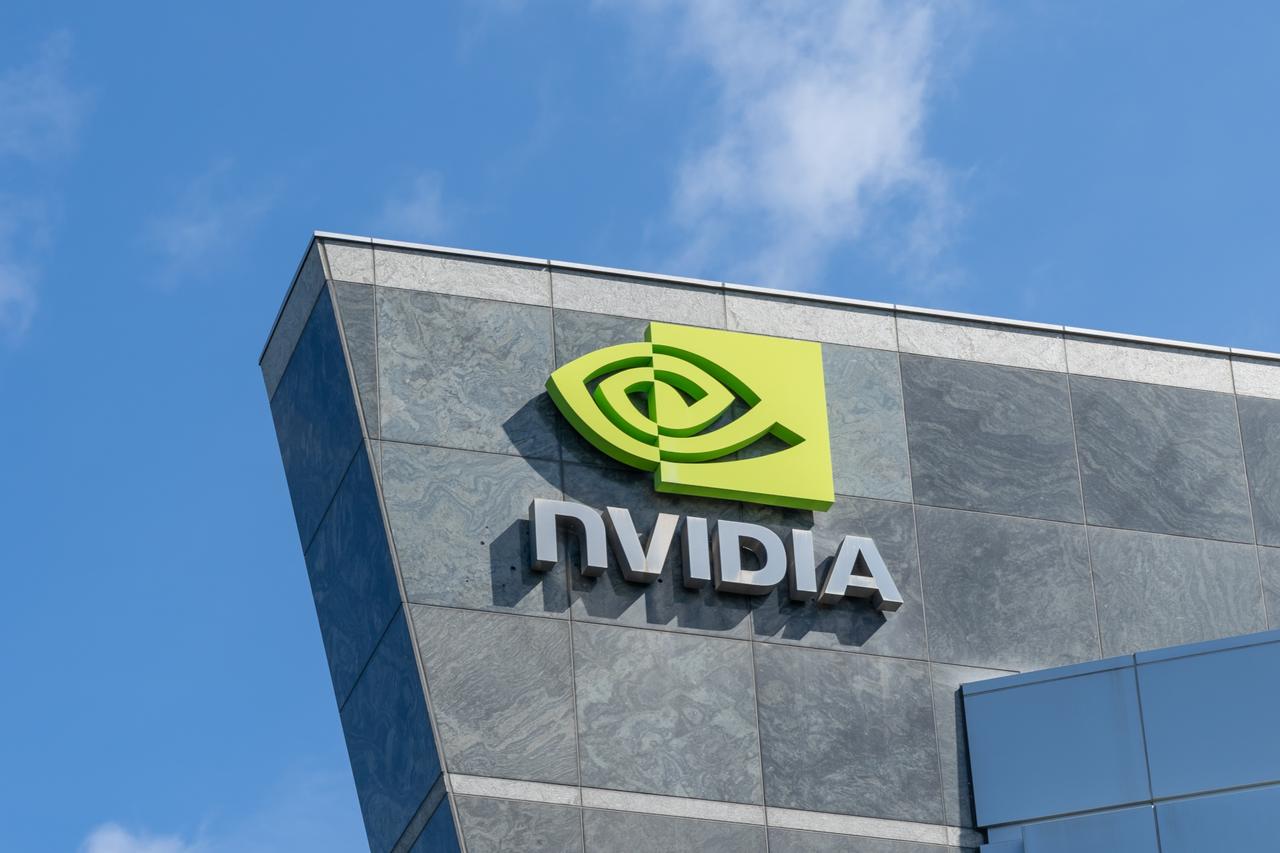


U.S. chipmaker Nvidia is set to construct a large-scale campus in northern Israel, with plans to create around 10,000 jobs, Israeli Prime Minister Benjamin Netanyahu announced on Thursday.
The planned facility will be located in Kiryat Tivon, in the Galilee region, where the government approved a direct land allocation of approximately 22 acres, bypassing a public tender. The land sale is reportedly valued at 90 million Israeli shekels (about $28 million), with construction scheduled to begin in 2027 and the facility expected to open in 2031.
"The whole world is chasing after Nvidia – and Nvidia is coming to Israel," Netanyahu said.
The new campus will include research labs, collaborative workspaces, visitor centers, cafes, and green spaces. According to information attributed to the company, the space is designed to foster innovation between Nvidia and its partners, including startups and entrepreneurs.
Israeli news sources indicated that Nvidia secured the land at a 51% discount, with officials citing strategic national interest.
The location will also include one of the Middle East’s largest data centers, spanning 30,000 square meters and featuring a supercomputer intended for in-house use in areas such as large language model training and advanced artificial intelligence development.
Founded in 1993, Nvidia became the world’s most valuable company with a market capitalization of around $4.23 trillion, as rising AI spending has increased demand for its high-performance GPUs, which are widely considered the most effective hardware for training large-scale models.

Nvidia’s footprint in Israel has steadily expanded since its 2019 acquisition of Israeli-American firm Mellanox Technologies. The company has since purchased three more Israeli startups and operates development hubs in Tel Aviv and Beersheba.
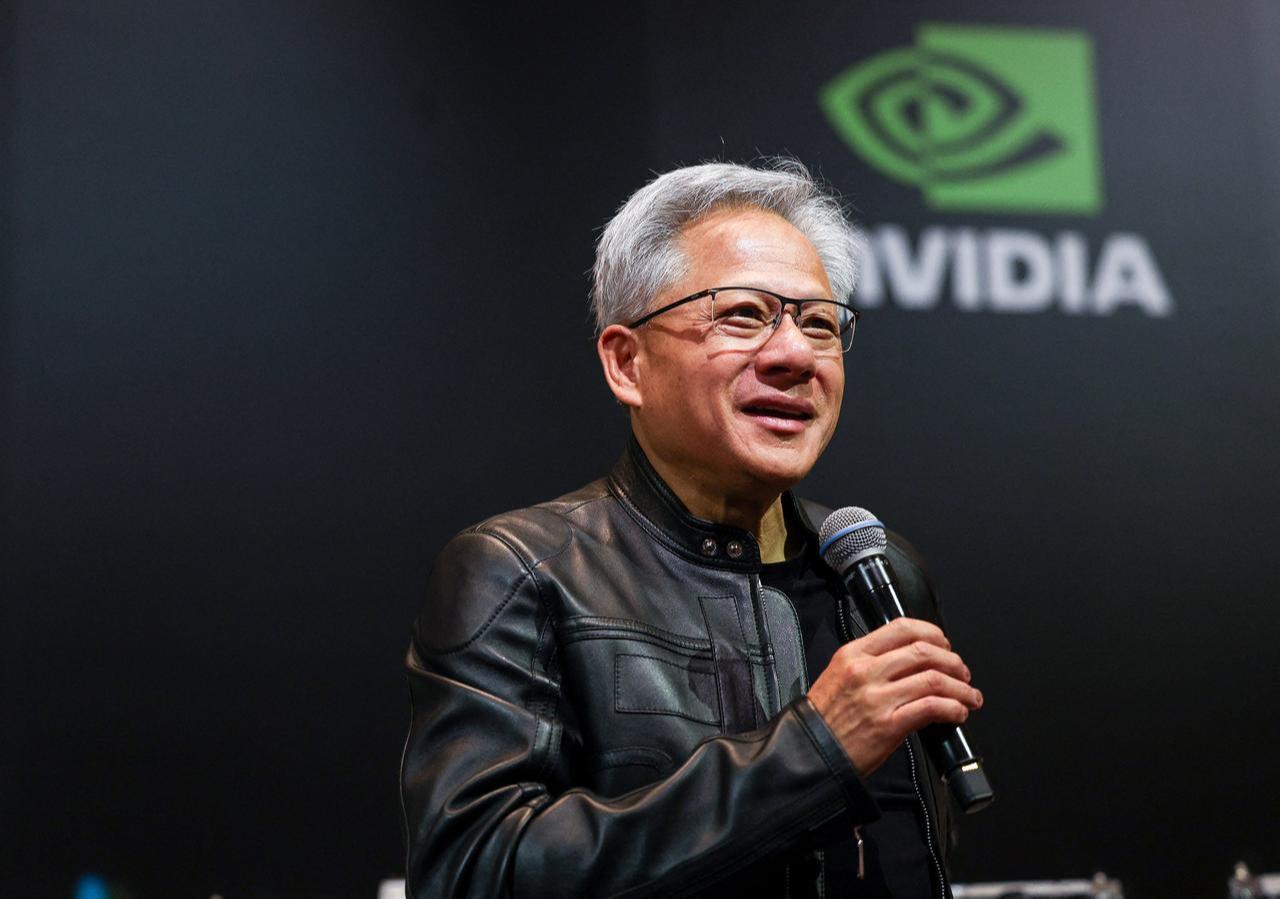
In July 2025, Nvidia unveiled plans for a new development center in Israel, underscoring the country's role in its global R&D network. The company has referred to Israel as its "second home," according to statements attributed to CEO Jensen Huang.
The investment comes amid growing criticism of Nvidia’s role in Israel, particularly in relation to the Gaza crisis. In a report presented to the UN Human Rights Council in June 2025, 48 international companies—including Nvidia—were accused of contributing to "Israel’s genocide in Gaza" through their involvement in AI and surveillance technologies used in the conflict.
While Nvidia has not commented on the specific accusations, it previously acknowledged making donations and providing material support to Israeli nonprofits assisting communities affected by the conflict.


 Set as preferred source
 Set as preferred source


 1 min read
 1 min read