Newsletters


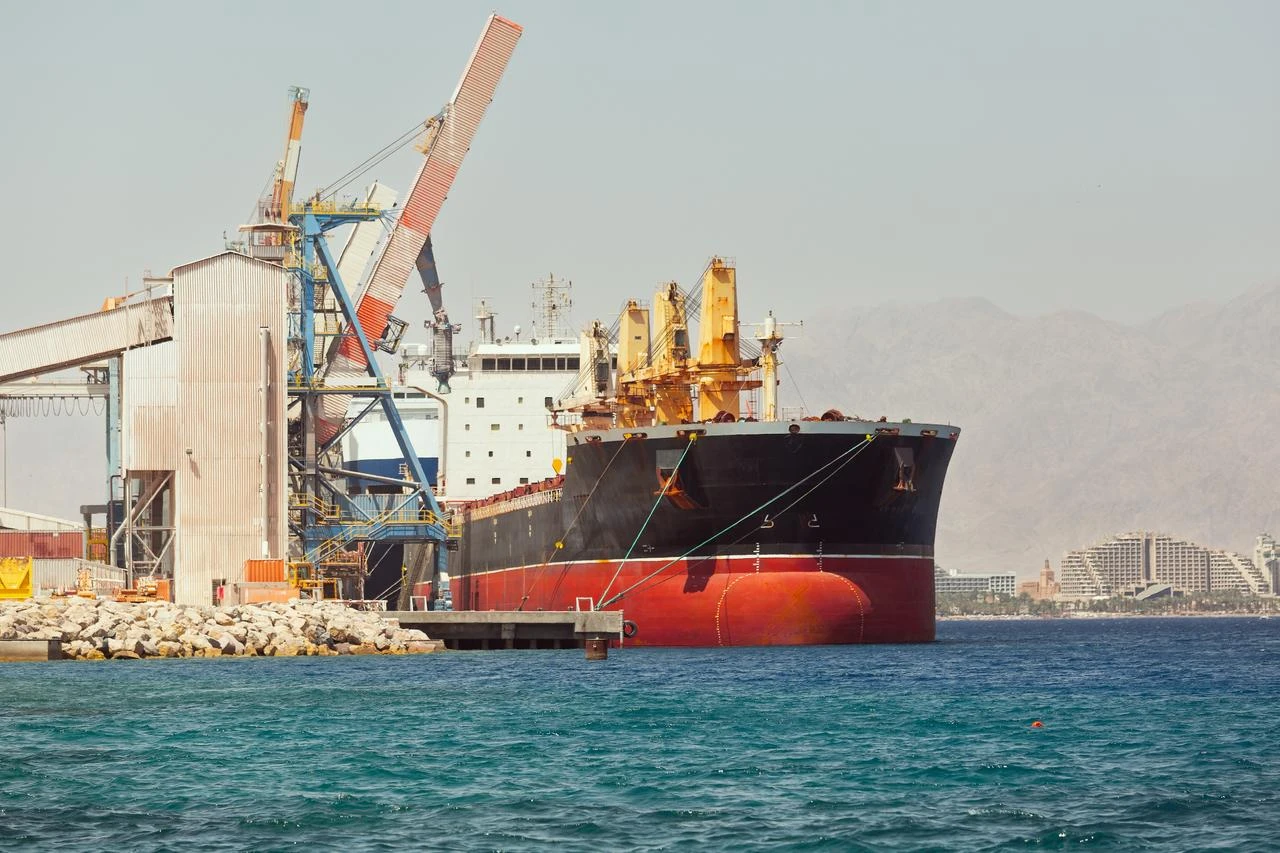


Oil prices fluctuated sharply on Monday, falling after Iran said indirect negotiations with the United States were continuing through mediators before reversing course as Yemen's Houthis announced the closure of the Bab el-Mandeb Strait to Saudi Arabia.
Both international benchmark Brent crude and U.S. benchmark West Texas Intermediate (WTI) erased gains of as much as 3% made earlier in the session, falling about 2% to $86.3 and $80.4 a barrel, respectively, after Iran's Foreign Ministry's announcement.
However, prices reversed course after Yemen's Houthis announced a ban on maritime navigation for Saudi-linked vessels in the Bab el-Mandeb Strait, warning they would respond to any further Saudi escalation with harsher measures.
As of 12:10 p.m. GMT, Brent crude had rebounded to $88.5 a barrel, while WTI traded at around $82.2 a barrel.
Following deadly exchanges of strikes between the U.S. and Iran over the weekend, Brent crude briefly touched $90 a barrel in early trading as markets priced in heightened risks to global oil supplies.
However, sentiment shifted later in the day after Iranian Foreign Ministry spokesperson Esmail Baghaei said mediators had conveyed proposals to Tehran in recent days but declined to disclose their contents.
"The fact that mediators are active and trying to prevent an escalation of tensions is clear," Baghaei told a press conference in Tehran, adding that Iran had received proposals through intermediaries but was "not" prepared to reveal their details.
Reuters reported that mediators had presented Iran with a proposal to de-escalate the conflict with the United States, offering a 10-day ceasefire to create space for reviving an interim agreement reached last month, citing a senior Iranian official.
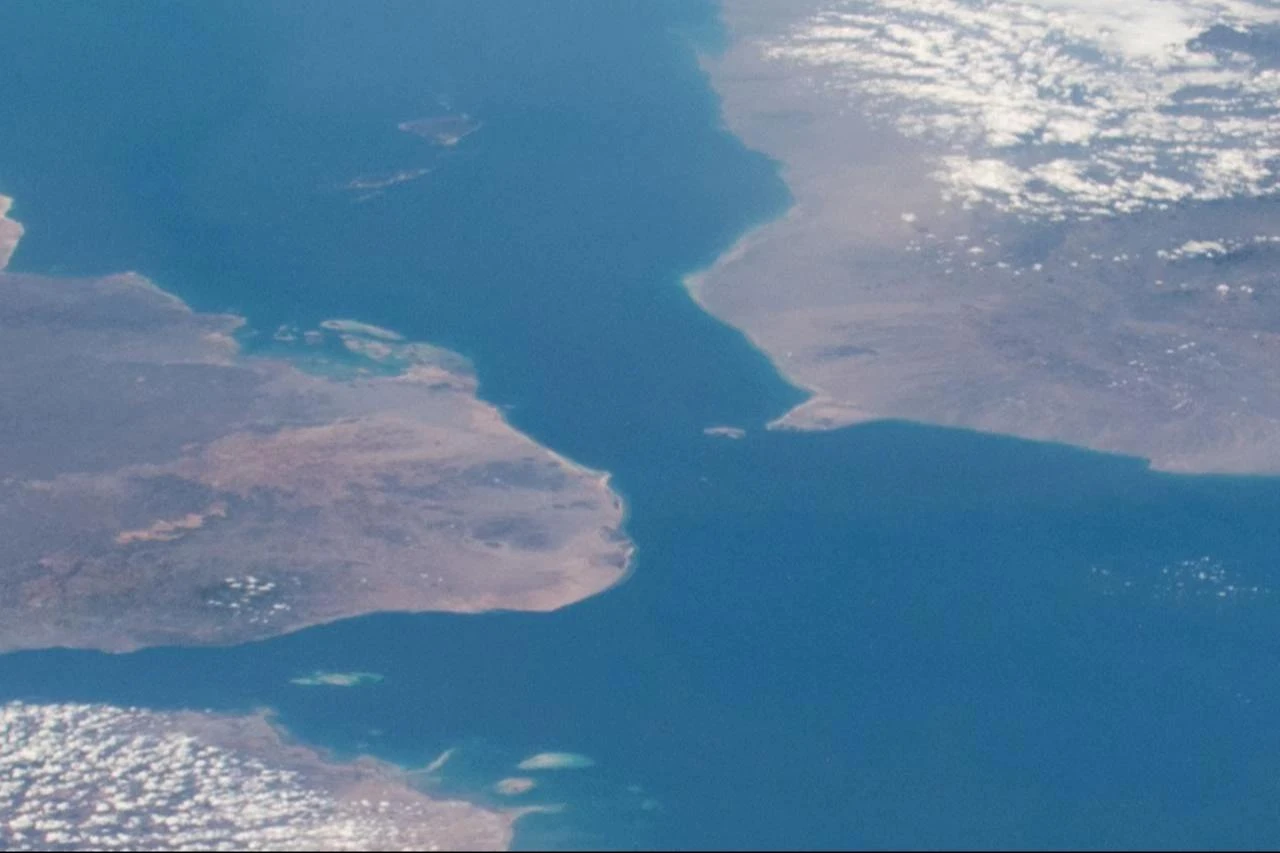

Yemen's Houthis, on the other hand, announced a ban on maritime navigation for Saudi-linked vessels in the Bab el-Mandeb Strait, saying the measure took effect immediately under a "siege for siege" policy.
In a statement, the group warned that any further Saudi escalation would be met with a "comprehensive and harsh escalation" and said its forces were fully prepared for all scenarios. It also called for nationwide mobilization and urged supporters to be ready to reinforce front lines if needed.
The announcement renewed concerns over shipping through the Bab el-Mandeb Strait, one of the world's most strategically important maritime chokepoints linking the Red Sea with the Gulf of Aden.
The waterway is a key route for crude oil, refined fuels, liquefied natural gas and container cargo moving between the Middle East, Europe and Asia, with nearly 9% of global seaborne trade by volume transiting the strait.
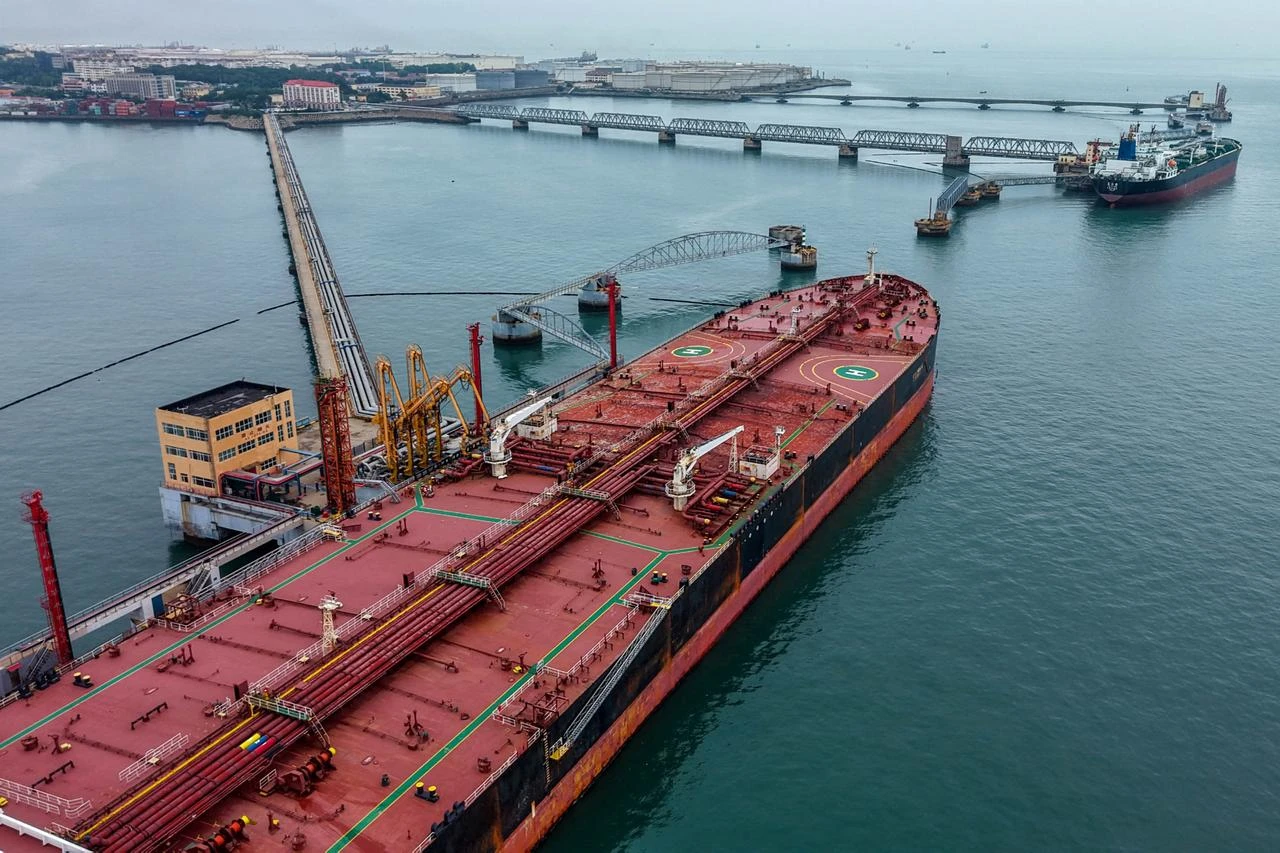
With the Strait of Hormuz already disrupted, Saudi Arabia has diverted more than 70% of its normal crude exports to its Red Sea terminal at Yanbu, making Bab el-Mandeb an increasingly critical outlet for Gulf oil exports.


 Set as preferred source
 Set as preferred source


 1 min read
 1 min read