Newsletters




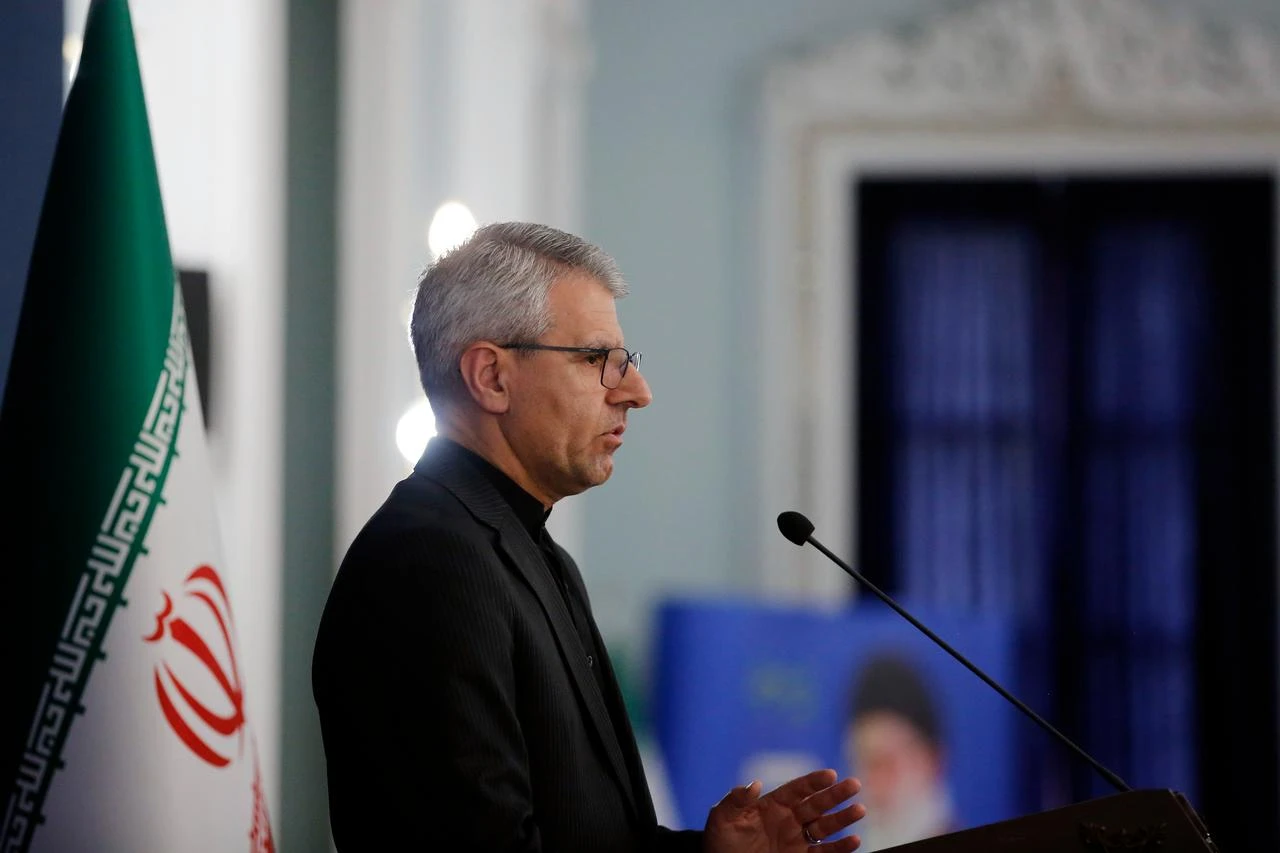
Iran said Monday that diplomatic exchanges with the United States are continuing through international mediators, even as fighting between the two countries continues, according to Foreign Ministry spokesperson Esmail Baghaei.
"We have been informed by mediators, we have received messages, without going into details, but the main point is that the diplomatic apparatus has been active in recent days and ideas have been conveyed to us by certain mediators," Baghaei said at a press conference in Tehran.
He said Iran's diplomatic corps continues to operate alongside the country's armed forces.
"While our armed forces respond firmly and decisively to the source of American aggression, diplomacy is fully aware of its duties and spares no effort in fulfilling them," Baghaei said, adding that Iranian diplomats "will not abandon their duty," just as the armed forces "will not neglect their duty to defend the homeland."
Asked whether the door to talks with Washington was now closed following renewed hostilities, Baghaei rejected the framing of the question.
"I reject the duality of either war or diplomacy. Diplomacy is a tool through which we pursue our national interests, just like war," he said.
Later in the briefing, Baghaei was asked specifically about reports that Qatar had proposed new initiatives to revive negotiations, including speculation regarding a 10-day ceasefire following a condolence visit by Iran's foreign minister to Doha.
He confirmed that mediators had shared ideas with Tehran.
"The fact that mediators are active and trying to prevent an escalation of tensions is clear. At the same time, the Islamic Republic of Iran spares no effort to stop American crimes," he said, adding, "The proposals conveyed through mediators have been announced to us and we have received them, but for now, allow me not to go into their details."
Baghaei also rejected the idea that Iran should choose between negotiation and defense as competing strategies in response to a question about how Iran would respond if Trump again requested talks.
"Insisting on the duality of 'negotiation or war' and 'diplomacy or war' is not useful for our country ... the work that (Foreign Minister) Seyed Abbas Araghchi does and the work that (IRGC Aerospace Force commander) Seyed Majid does are both carried out with the same goal," he said.
"Negotiation and defense both have their own path; don't lose sight of the goal. The goal is safeguarding Iran's national interests, sometimes through the tool of defense, sometimes through the tool of diplomacy, and sometimes using both simultaneously," the spokesperson noted.

Asked whether Iran had suspended implementation of the Memorandum of Understanding (MoU) and what the future holds for the Strait of Hormuz, Baghaei said Iran's position had been clear from the start.
"The logic regarding the memorandum was clear from the beginning, and we have stated it: commitment for commitment. As long as the other side upheld its commitments, we adhered to ours. We have never been the first to violate an agreement," he said.
"When the other side violated its commitments one by one, we in turn stated that we would not implement ours," Baghaei noted.
Asked whether the memorandum could still serve as a framework for future talks, Baghaei emphasized that Iran's current priority is defense. "We did not enter a room that we now want to leave," he noted. "We reached an understanding on a document that, by any standard, served the national interests of the Islamic Republic of Iran, and both sides knowingly agreed to it. However, the opposing party failed to fulfill its commitments; they not only failed to implement them but also violated the text and spirit of the agreement. Consequently, we announced that we would suspend our own compliance."
Baghaei separately rejected the suggestion that ambiguity in the memorandum's text had contributed to its collapse.
"This is absolutely incorrect. The text of the memorandum is brief, consisting of 14 clauses. Read the text. Which clause is ambiguous?" he said. He specifically cited Clause 5 regarding the management of the Strait of Hormuz, asserting that Iran has always understood it to place responsibility for the waterway's future with Tehran, in consultation with Oman and other regional states.
Asked whether Oman or other mediators had proposed alternative arrangements for the strait's southern corridor, Baghaei said Iran, as a coastal state of the strait alongside Oman, has rights it intends to exercise.
"We must not allow this waterway to be exploited again as a threat against Iran's security and national interests," he said, adding that Iran has coordinated with Oman since the earliest days of the ceasefire, and remains "determined to take the necessary measures to exercise its sovereignty and ensure the strait is not exploited to harm its interests."
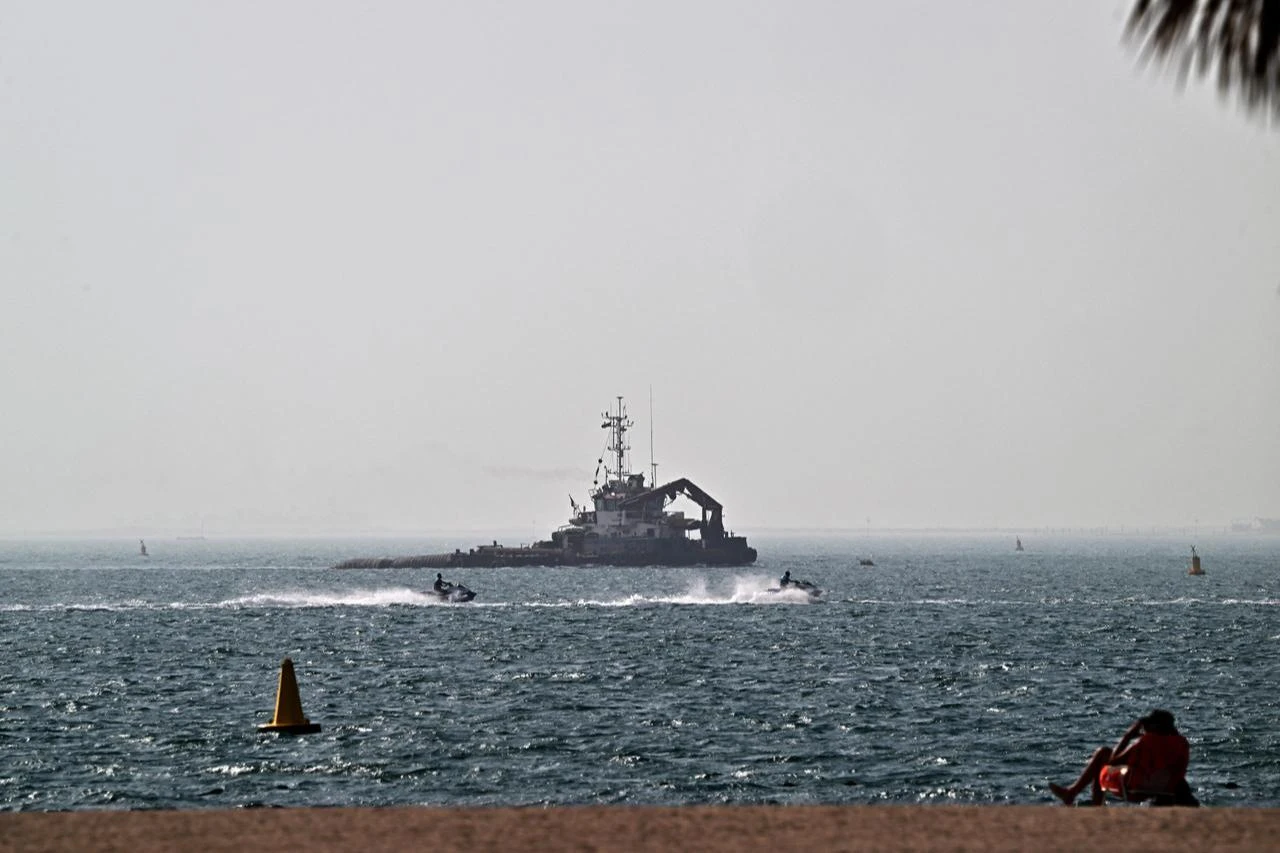
Earlier in the briefing, Baghaei opened with remarks condemning strikes on what he described as civilian infrastructure.
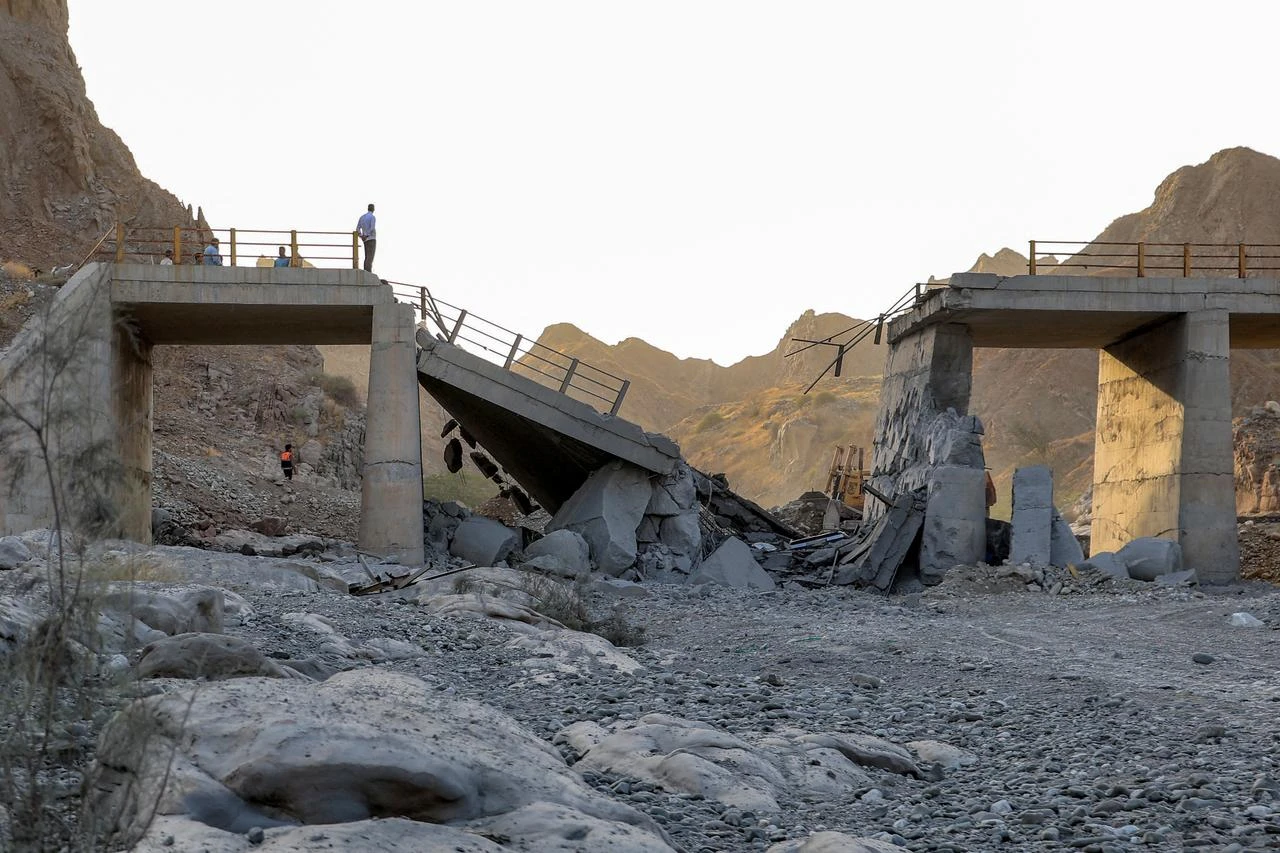
"An attack on civilian infrastructure, bridges, medical centers, and essential services that people rely on daily, is not merely an attack on geographic coordinates; it is an assault on the right to life, security, and human dignity," he stated.
He emphasized that Iran is "not a collection of remote islands" where localized damage goes unfelt by the rest of the nation, remarking: "If Hormozgan is wounded, Mazandaran feels the pain; if Chabahar is targeted, the heart of Tehran skips a beat."
When asked about airstrikes targeting a nuclear facility in Darkhovin, Baghaei noted the site was under International Atomic Energy Agency (IAEA) safeguards and dedicated to energy production, arguing the strike exposed the hypocrisy of American nonproliferation concerns.
"This attack is highly revealing and demonstrates how baseless Washington's alleged concerns regarding Iranian nuclear proliferation truly are," he said, warning that the IAEA's silence on the matter "will only further erode our trust in the agency."
Baghaei was also asked about comments by U.S. President Donald Trump suggesting that images from a school in Minab, Iran, may have been AI-generated.
He rejected this characterization, saying, "There is absolutely no doubt that this brutal act was carried out deliberately by the United States, and they themselves are well aware of this."
He said Iran would continue "documenting the Minab crime, the Lamerd crime, and hundreds of other crimes that have occurred" and would hold the U.S. accountable.
Separately, when asked about Donald Trump's public gratitude regarding the reported release of an American citizen jailed in Iran on espionage charges, Baghaei deferred to the Iranian judiciary. He noted that judicial authorities confirmed no American prisoner matching the U.S. president's description had been freed, adding that the named individual had never been imprisoned or charged with espionage in Iran.
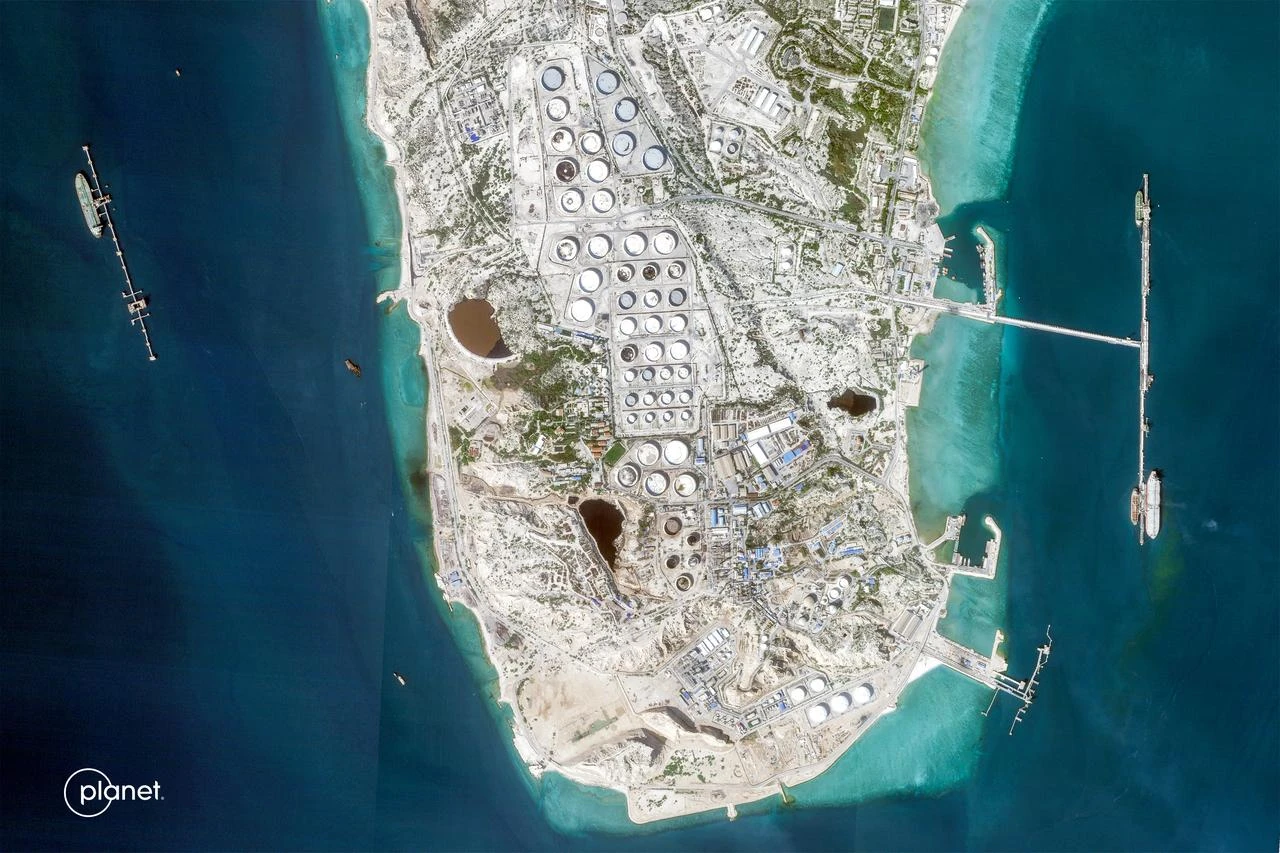
Asked about reported threats from the U.S. president regarding a potential seizure of Kharg Island, Baghaei warned: "They will see the consequences. I think there are people in those very regions, and not a small number, who are counting down the moments to welcome such people."
When questioned about an Iranian aircraft landing at Sanaa airport during Saudi airstrikes, Baghaei stated that Tehran does not recognize an air embargo on Yemen, calling such interpretations of U.N. Security Council resolutions incorrect.
He clarified that the flight transported a Yemeni delegation returning from the funeral of Iran's late leader, alongside wounded Yemeni citizens who had completed medical treatment in Iran. The spokesperson added that Iran had "very clearly condemned" the subsequent strike on the Sanaa airport.
Regarding an upcoming visit by Iraq's prime minister to Tehran, Baghaei labeled the trip "very important," noting that the two nations expect to sign agreements covering economic, trade, border, and shared security cooperation.
Finally, asked whether Iran is reconsidering its nuclear doctrine or participation in the Nuclear Non-Proliferation Treaty (NPT), Baghaei stated that while Tehran continuously reviews its policy options, "for now, we remain a member of the Non-Proliferation Treaty." However, he emphasized Iran's expectation that the IAEA board of governors and director-general explicitly condemn U.S. actions, reiterating that the Darkhovin strike directly violated nonproliferation principles.
Asked about a statement from the Islamic Revolutionary Guard Corps (IRGC) thanking the Jordanian people and military for providing information used to target U.S. forces in the Azraq region, and whether Iran was concerned about the conflict widening into a full-scale regional war, Baghaei declined to comment on the coordination question but placed responsibility for any broader escalation on the U.S.
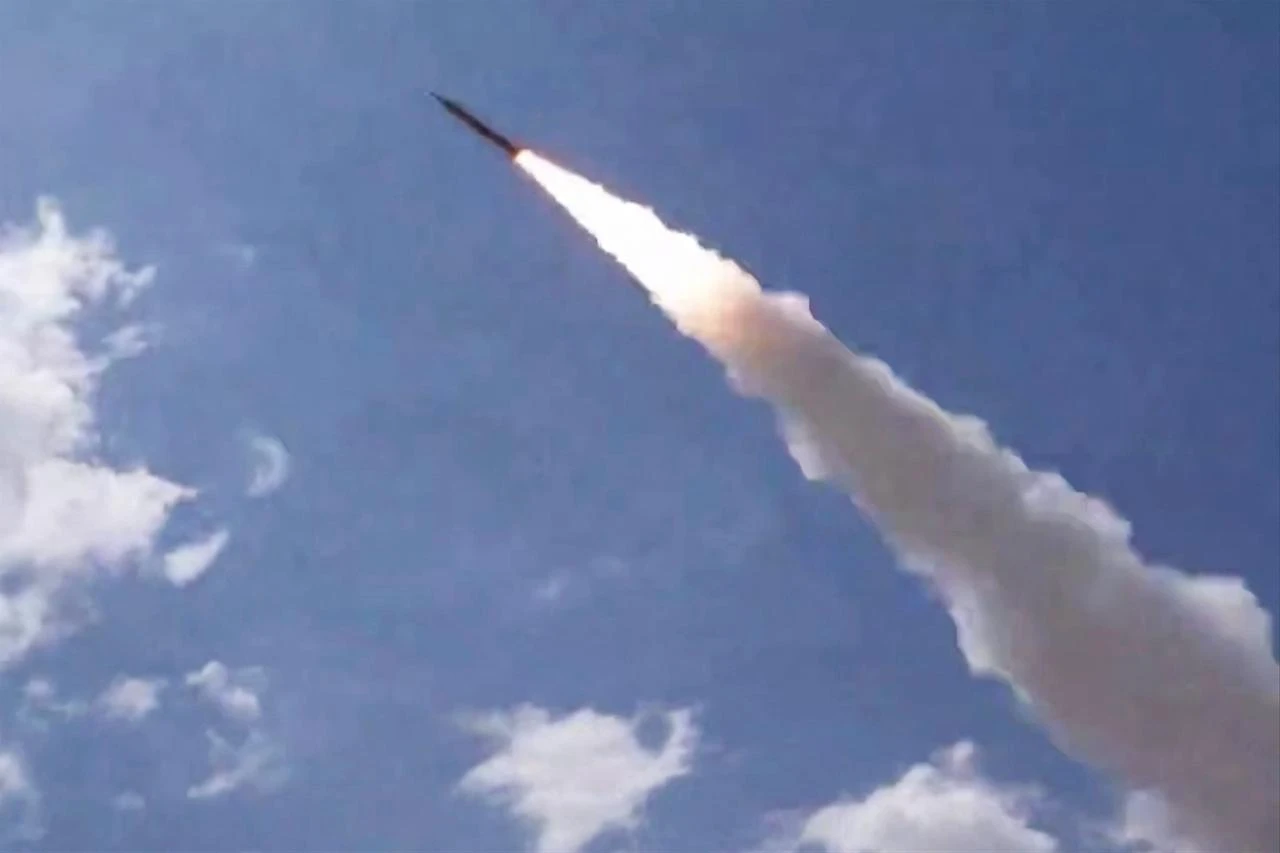
"Regarding the expansion of the war, that responsibility rests exclusively with the United States. By insisting on using the territory of regional countries, violating their sovereignty and disrespecting their independence, America continues its attacks against Iran," he said.
"We have repeatedly emphasized, and emphasize again, that we have no hostility or enmity with any country in the region. What we are doing is defending ourselves under the inherent right of legitimate self-defense, and as long as these crimes and military aggressions against Iran continue, our armed forces will naturally respond," the Iranian official concluded.


 Set as preferred source
 Set as preferred source


 1 min read
 1 min read