Newsletters




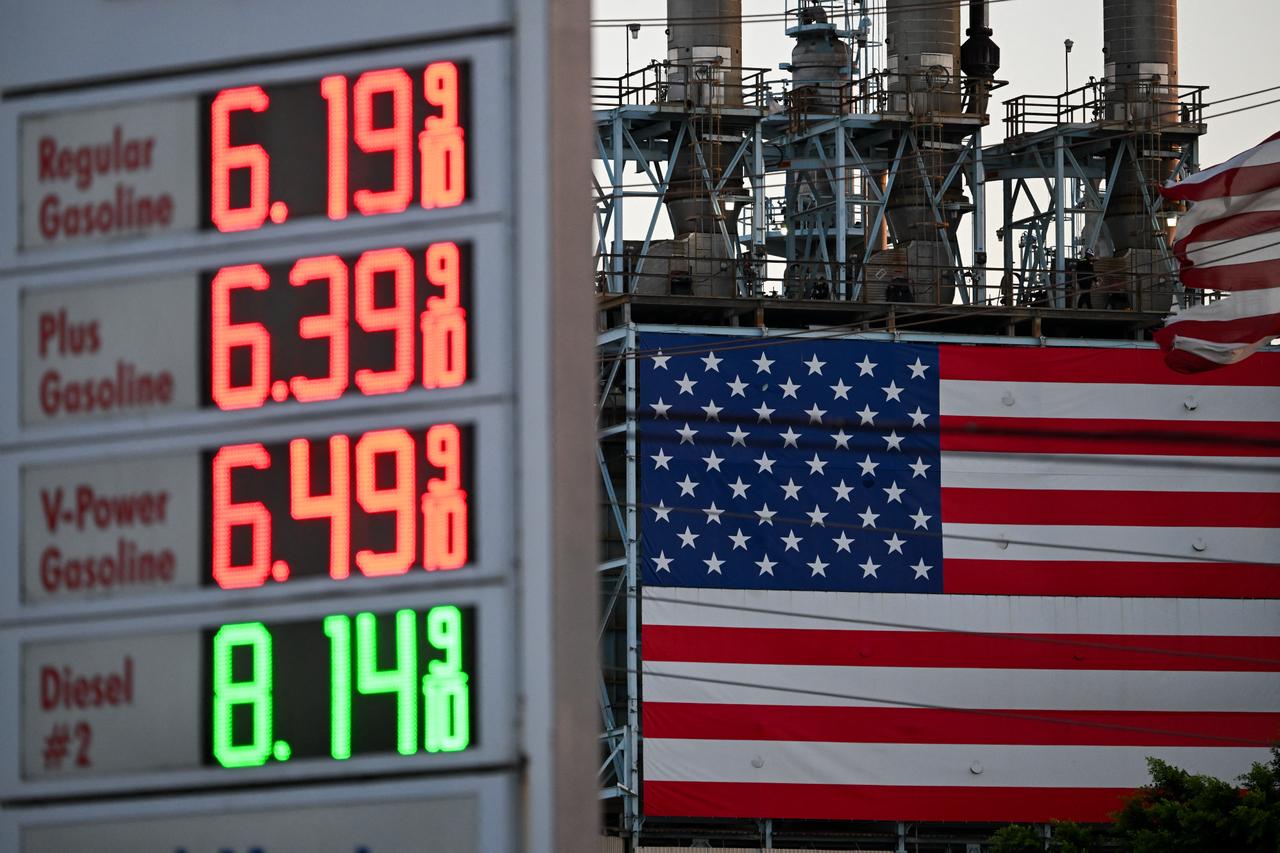
Global energy prices continued to rise on Wednesday as the U.S. and Iran exchanged another wave of attacks across the Gulf, while Houthi threats against shipping through the Bab el-Mandeb Strait added to fears of broader supply disruptions following the closure of the Strait of Hormuz.
Both international benchmark Brent and U.S. benchmark WTI rose nearly 4% to $94.6 and $87.7 per barrel, respectively, as of 7.45 a.m. GMT, as traders priced in mounting maritime security risks.
European gas prices at the Dutch TTF hub also edged up 2.8% to €61.3 ($69.9) per megawatt-hour.
The latest gains came after Yemen's Iran-aligned Houthis declared a maritime embargo on Saudi-linked shipping through the Bab el-Mandeb Strait and warned international shipping companies to halt cargo operations at Saudi ports or face consequences.
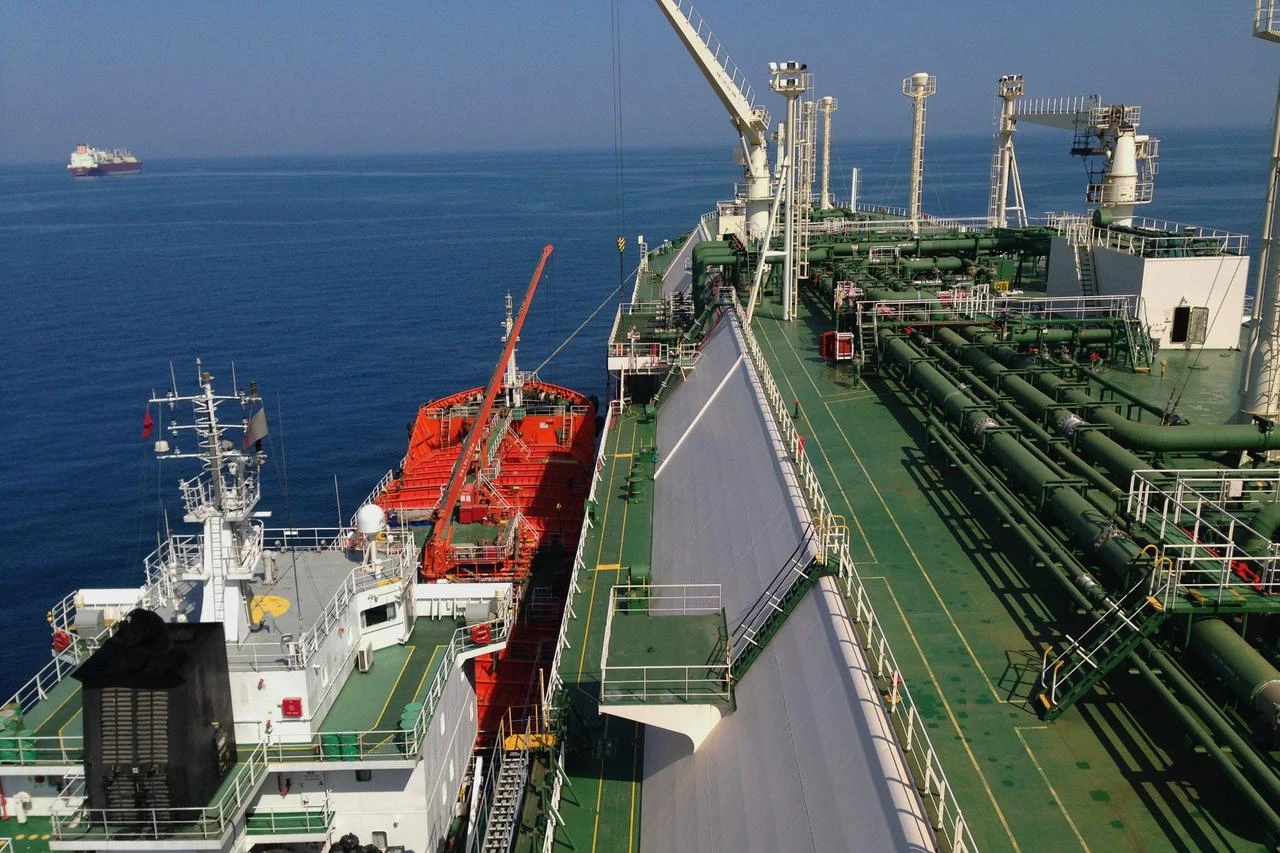
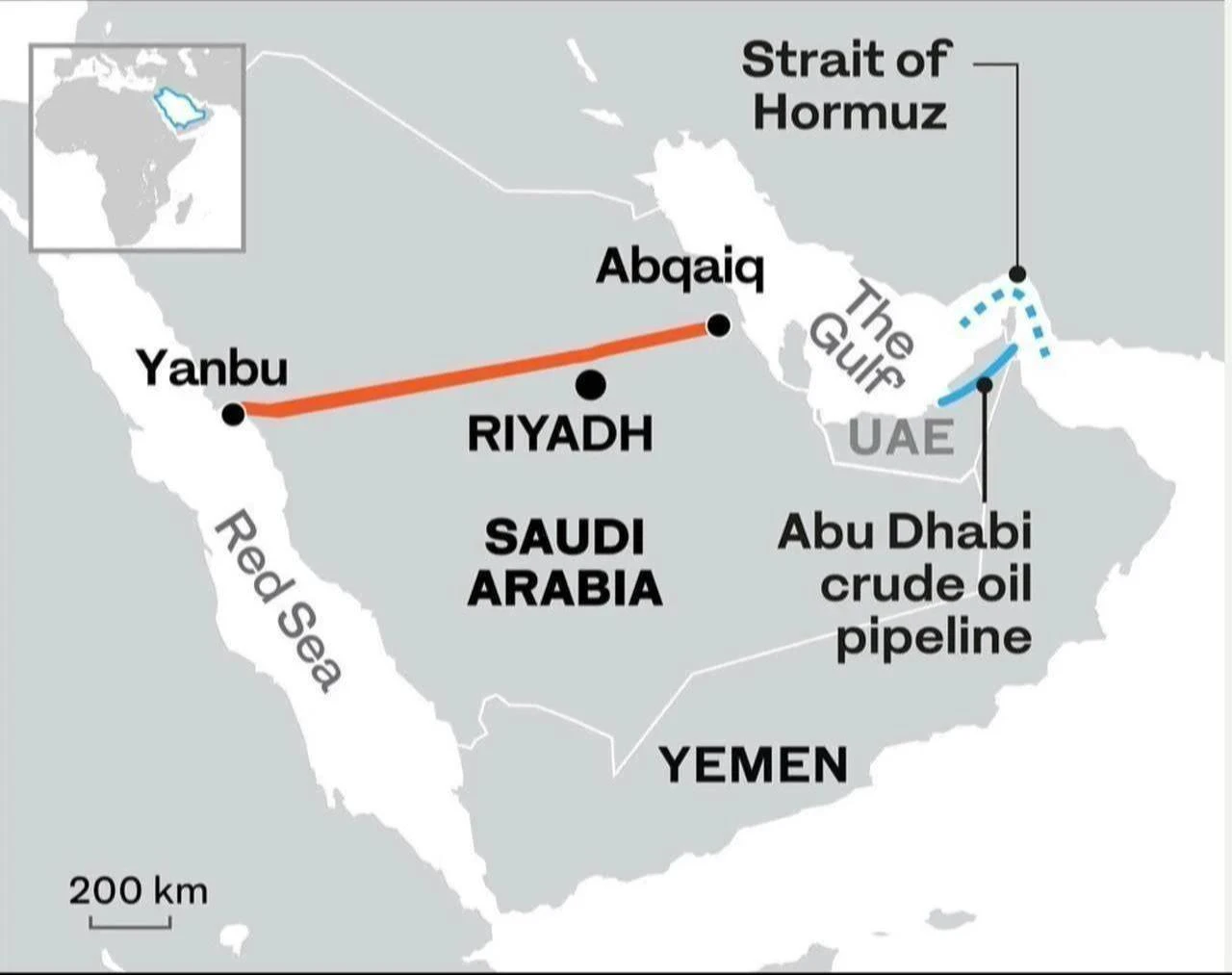
The Strait of Hormuz and Bab el-Mandeb together handle a significant share of global energy and trade flows. Hormuz remains the main outlet for Gulf oil exports, while Bab el-Mandeb links the Red Sea with the Gulf of Aden and serves as the gateway to the Suez Canal.
With Hormuz already severely constrained, Bab el-Mandeb has become Saudi Arabia's principal export route after the kingdom shifted crude shipments from its Gulf terminals to the Red Sea port of Yanbu. Any disruption there would remove Riyadh's main alternative export corridor.
According to MarineTraffic data, only nine verified vessel crossings were recorded in the Strait of Hormuz on July 21, while 23 vessels transited Bab el-Mandeb.

Kpler data identified crude oil as the commodity most vulnerable to further disruption in Bab el-Mandeb. Saudi Arabia redirected more exports through the Red Sea after Hormuz became constrained, pushing crude volumes through Bab el-Mandeb to 193.8 million barrels in June 2026, around 50% above the 2023 average.
By contrast, LNG traffic through the corridor has already dropped to zero as carriers rerouted around the Cape of Good Hope, limiting the impact of any additional blockade on liquefied natural gas shipments. Diesel and thermal coal flows have also fallen sharply since 2023.
Some cargoes remain increasingly exposed. Naphtha shipments have rebounded, while any disruption to wheat flows could create food security risks across parts of East Africa and the Middle East, MarineTraffic's analysis suggested.
A full blockade could reduce Bab el-Mandeb traffic to fewer than 15 vessels a day within days, cutting off Saudi Arabia's main alternative oil export route after Yanbu replaced Ras Tanura during the Hormuz crisis, it warned.
Yanbu handled more than 70% of Saudi crude exports—about 4.6-5 million barrels per day (bpd)—after traffic through the Strait of Hormuz collapsed, making Bab el-Mandeb the kingdom's most critical maritime gateway.


 Set as preferred source
 Set as preferred source


 1 min read
 1 min read