Newsletters


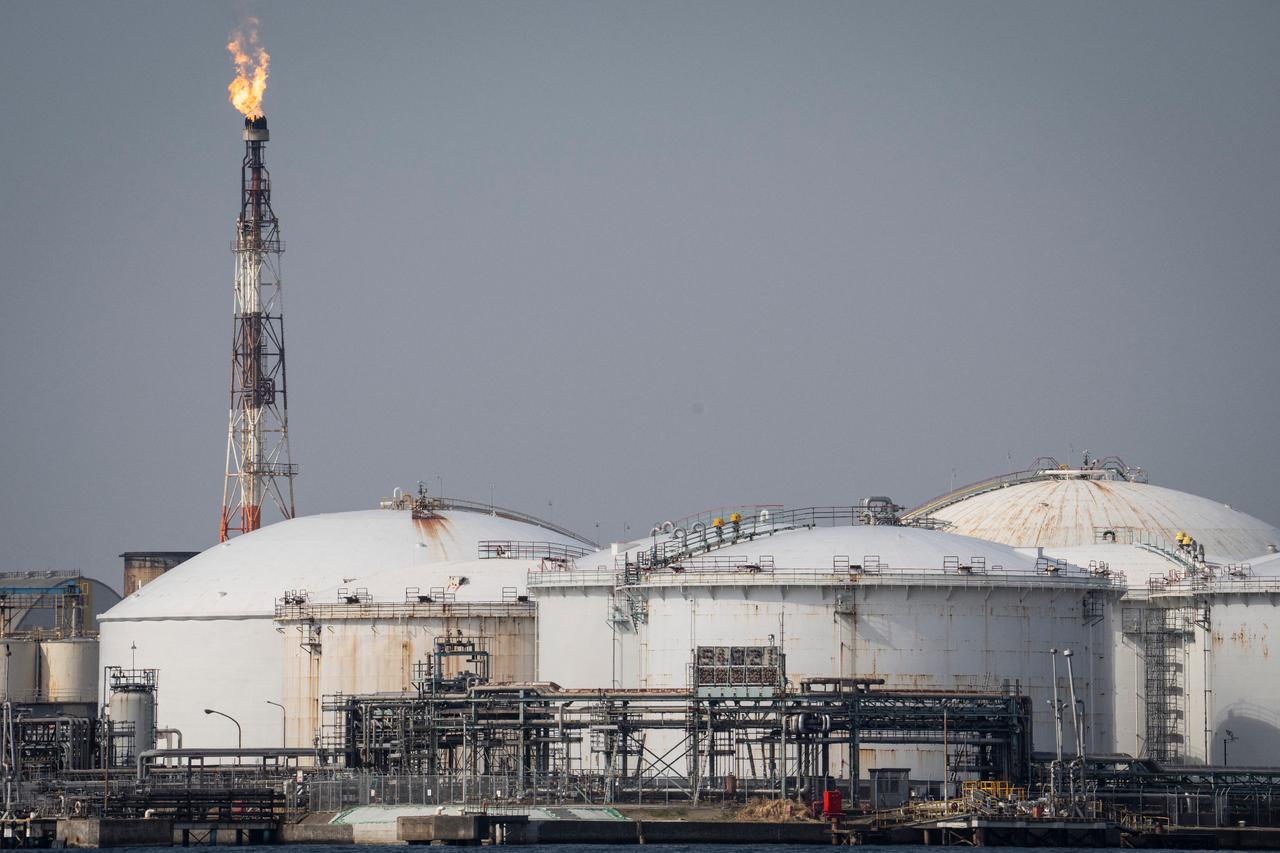


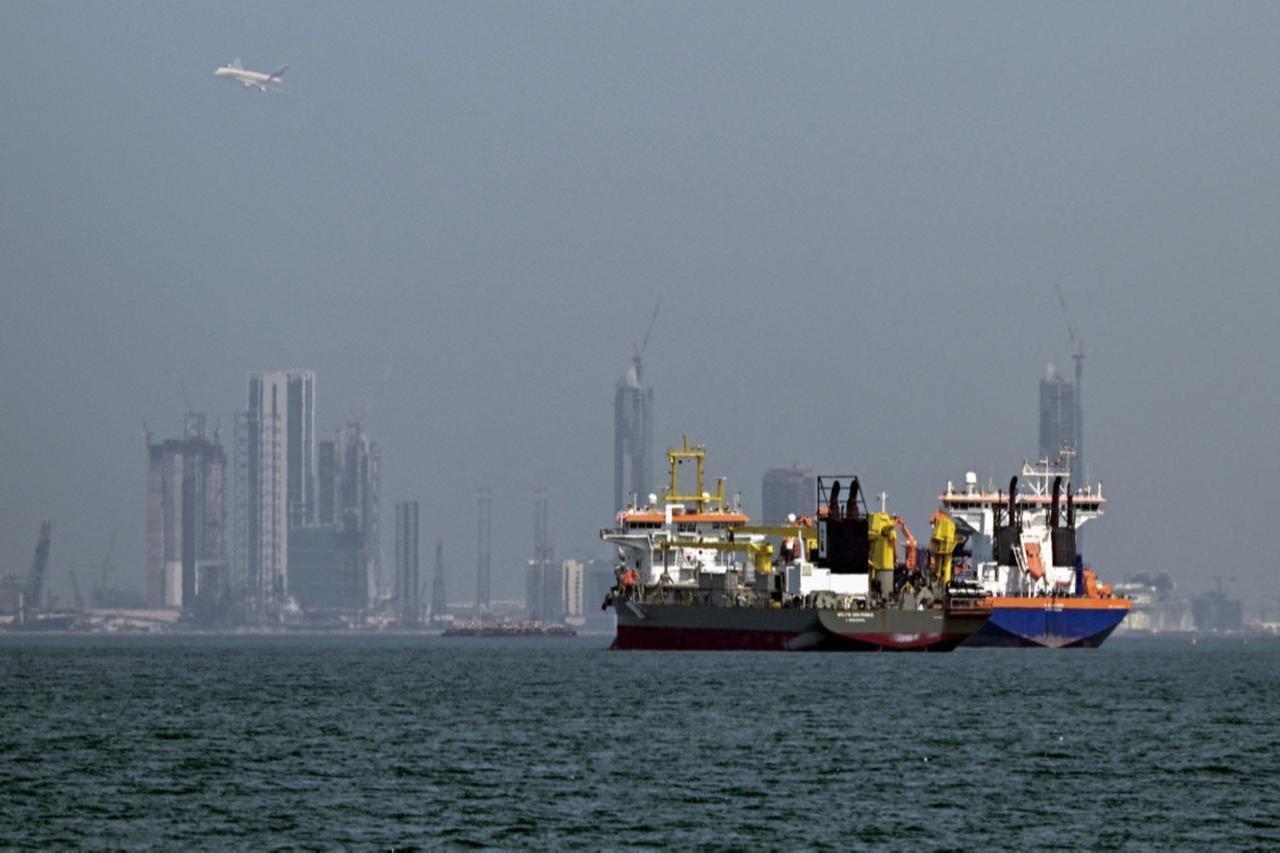
The disruption in the Strait of Hormuz has already created the largest energy bottleneck on record, and its inflationary impact could jolt the global economy toward a debt crisis, IEA President Fatih Birol said.
"We have never experienced anything like this before," Birol remarked, stressing that the shock is already feeding into inflation, putting pressure on energy-importing economies through higher import bills, widening current account deficits, and weakening growth prospects.
Birol added that prolonged disruption could push some countries into external debt cycles, exposing them to deeper economic strain.
Since the Iran war began on Feb. 28 with joint U.S.-Israeli attacks, the Strait of Hormuz, handling about a fifth of the global oil and gas supply, has been effectively closed, with the disruption doubling prices by the end of the third week.
Birol said daily oil losses reached 11 million barrels, while gas supply dropped by a combined 140 bcm, including 110 bcm in disrupted exports from Qatar and the UAE and 30 bcm in domestic cuts.

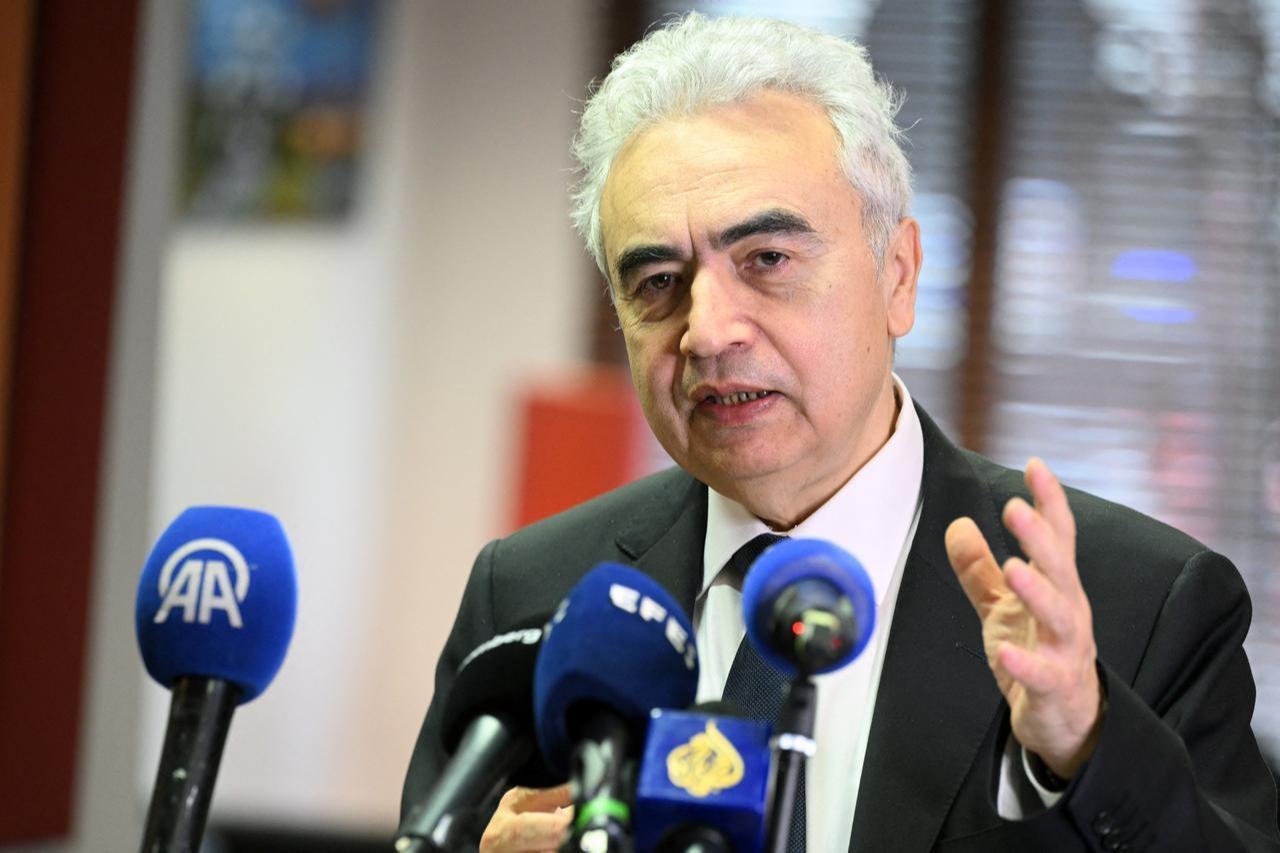
"The crisis we are facing now is bigger than the two oil crises of the 1970s and the gas crisis during the Russia-Ukraine war combined," Birol said, explaining the scale of the strain in an interview with Turkish daily Hurriyet.
In response, the IEA coordinated the release of 400 million barrels from strategic reserves on March 11, marking the largest such intervention to date. The released volume represents around 20% of total reserves, leaving approximately 1.6 billion barrels still available.
"If necessary, we will not hesitate to use the remaining 80% of our stocks," Birol said.
Beyond energy markets, the disruption is beginning to affect supply chains linked to the Strait of Hormuz.
More than one-third of global fertilizer shipments pass through the corridor, along with roughly a quarter of petrochemical products and key industrial inputs such as sulfur and helium.
"If this continues, it will affect agriculture and lead to rising food prices," Birol emphasized, indicating that the impact is spreading beyond energy into food and industrial sectors, adding to inflationary pressure.
The IEA is working on three fronts to ease the crisis: boosting supply, curbing demand, and strengthening international energy diplomacy.
However, Birol said the fundamental solution remains the reopening of the Strait of Hormuz.
"Our efforts can only ease the economic pain. The real solution is reopening the Strait. If it stays closed for a long time, global economic damage could rise rapidly," he concluded.


 Set as preferred source
 Set as preferred source


 1 min read

 1 min read