Newsletters


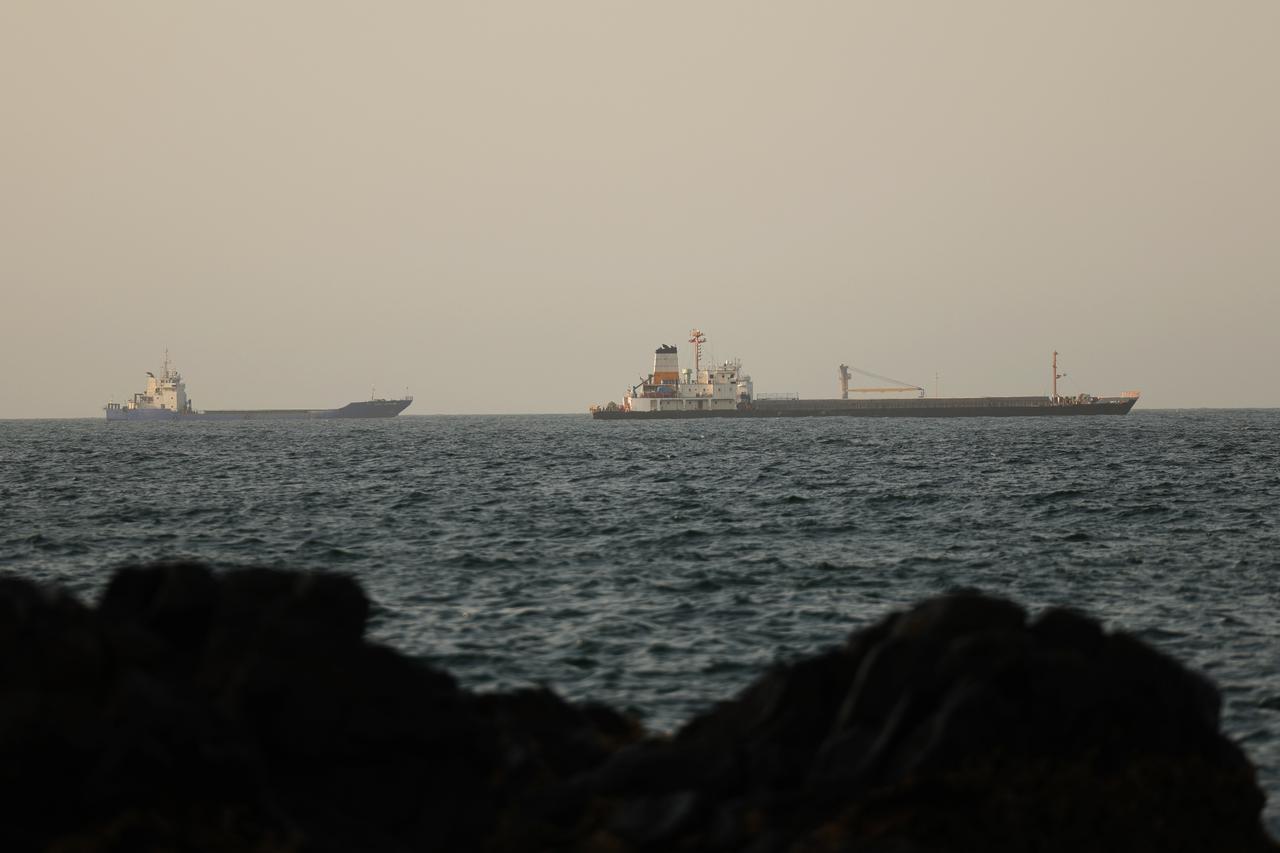


Oil prices fell sharply Friday as confidence grew that shipping through the Strait of Hormuz would continue, even as the United Nations temporarily suspended its evacuation operation after a vessel came under attack.
Brent crude, the international benchmark, dropped more than 5% to around $71.5 a barrel before recovering some ground later in the session. U.S. benchmark West Texas Intermediate also fell 4.5% to below $69 before trimming losses.
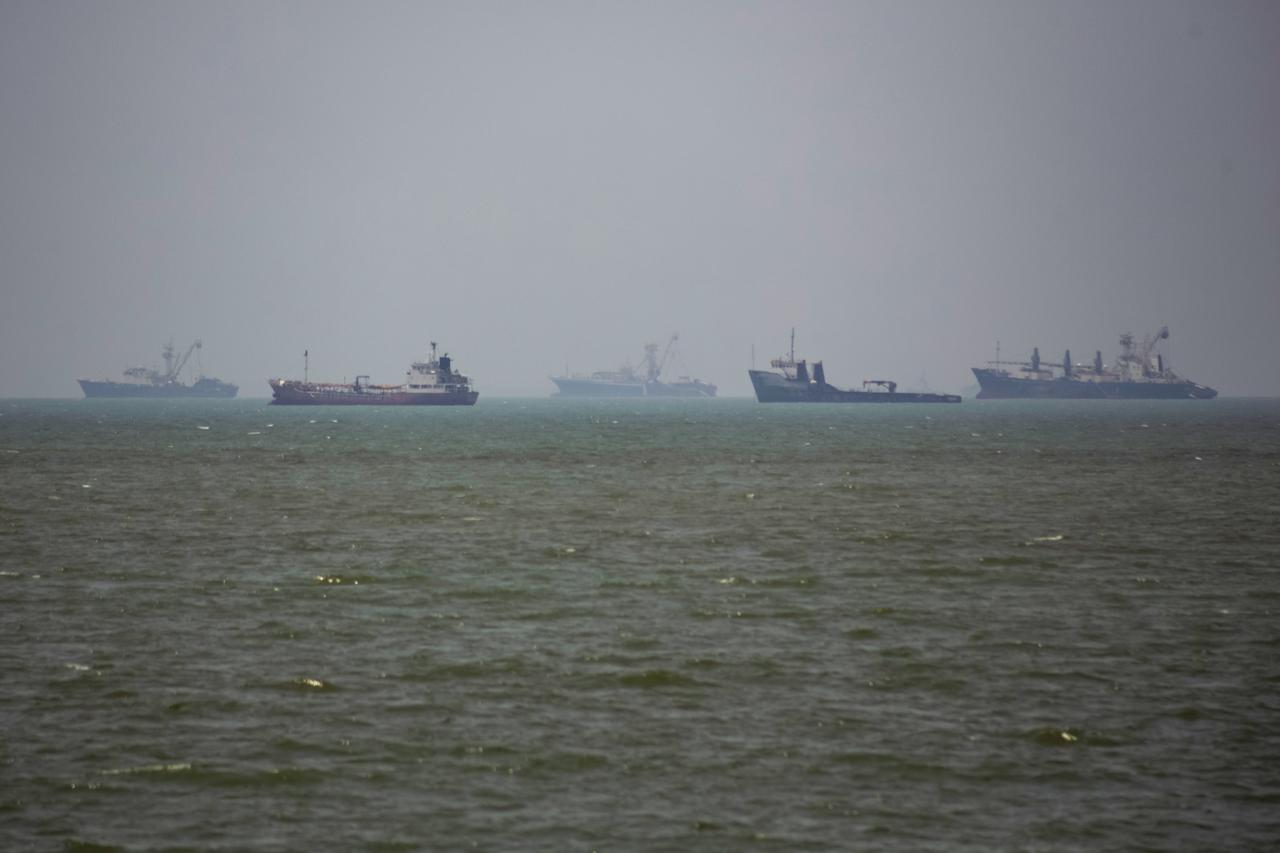
The International Maritime Organization (IMO) announced that about 115 vessels carrying around 2,500 seafarers had safely exited the Strait of Hormuz since Tuesday.
"We have been able to evacuate at least 115 vessels, in the last three and a half days, representing around 2,500 seafarers that have now safely left the Strait of Hormuz," IMO Secretary-General Arsenio Dominguez said.
He noted that the figures were still being verified, and more vessel movements could be added. Dominguez said the IMO is ready to restart the process as soon as it receives confirmation that vessels will no longer be targeted and commercial traffic can move safely.
He also revealed that Iran had warned ships using an "unauthorized corridor" could face legal sanctions, although he said the exact measures were unclear.
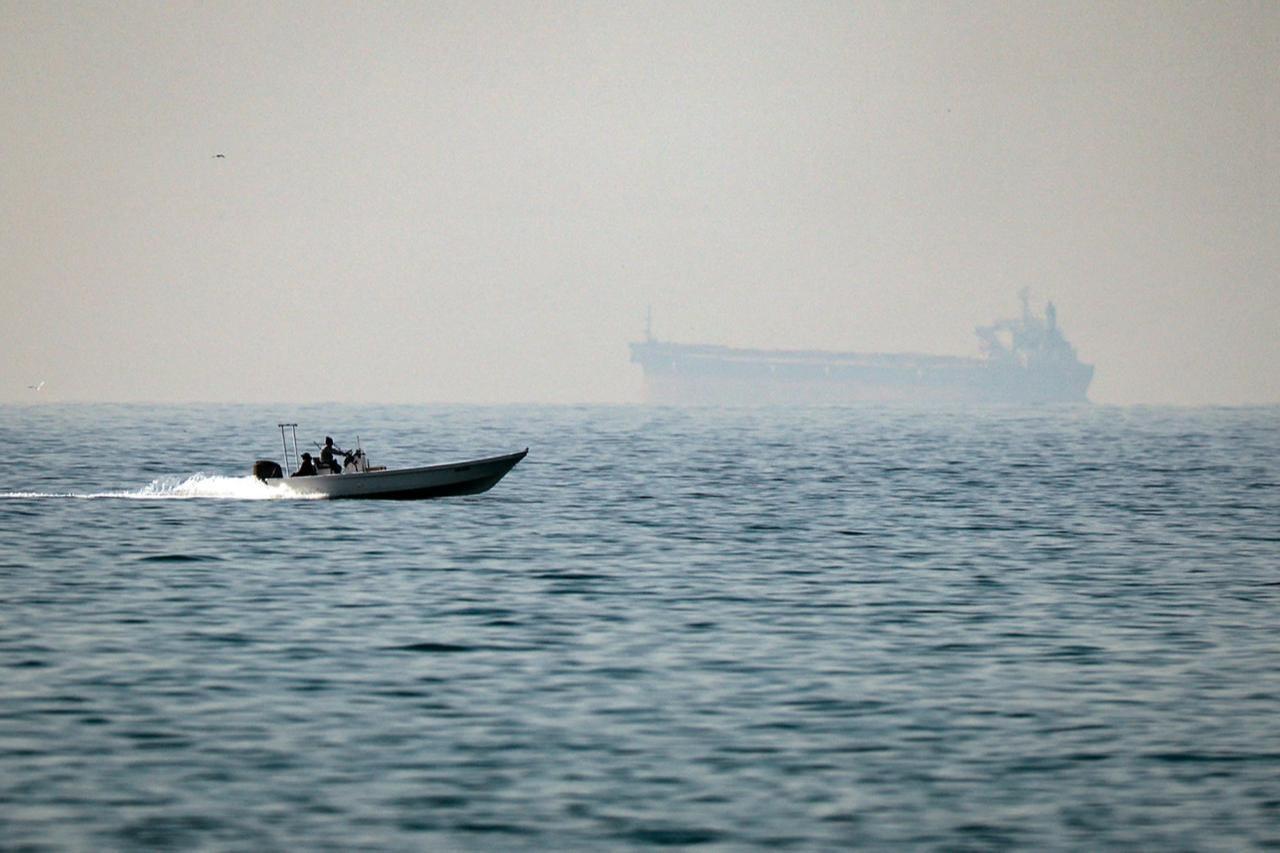

Earlier Thursday, the United Kingdom Maritime Trade Operations (UKMTO) center reported that an unidentified projectile struck a cargo ship off Oman's coast, damaging the bridge. No injuries or environmental damage were reported.
U.S. President Donald Trump claimed Friday that Iran launched four one-way attack drones at merchant ships, adding that U.S. forces intercepted three while another struck a cargo vessel, causing damage but allowing it to continue its voyage. He described the incident as a "foolish violation" of the ceasefire with Iran.
On the other hand, Iran's Islamic Revolutionary Guard Corps (IRGC) rejected a report claiming mediators had agreed to establish a communication line during talks in Switzerland to help prevent military incidents and implement Article 5 of the Islamabad Memorandum of Understanding.
The latest developments come as an agreement brokered by Pakistan and Qatar remains in effect. The arrangement, which took effect June 18, includes measures to end hostilities, reopen the strategic waterway and introduce temporary transit procedures.
Kpler data showed 42 commodity vessels, including oil, gas and dry bulk carriers, crossed the strait Thursday, down from 57 a day earlier. Ten entered the Gulf while 32 departed.
By Friday afternoon, another 29 commodity vessels had made the crossing. Seventeen used the southern route along Oman's coastline despite Thursday's strike on a Singapore-flagged container ship, according to UKMTO.


 Set as preferred source
 Set as preferred source


 1 min read
 1 min read