Newsletters





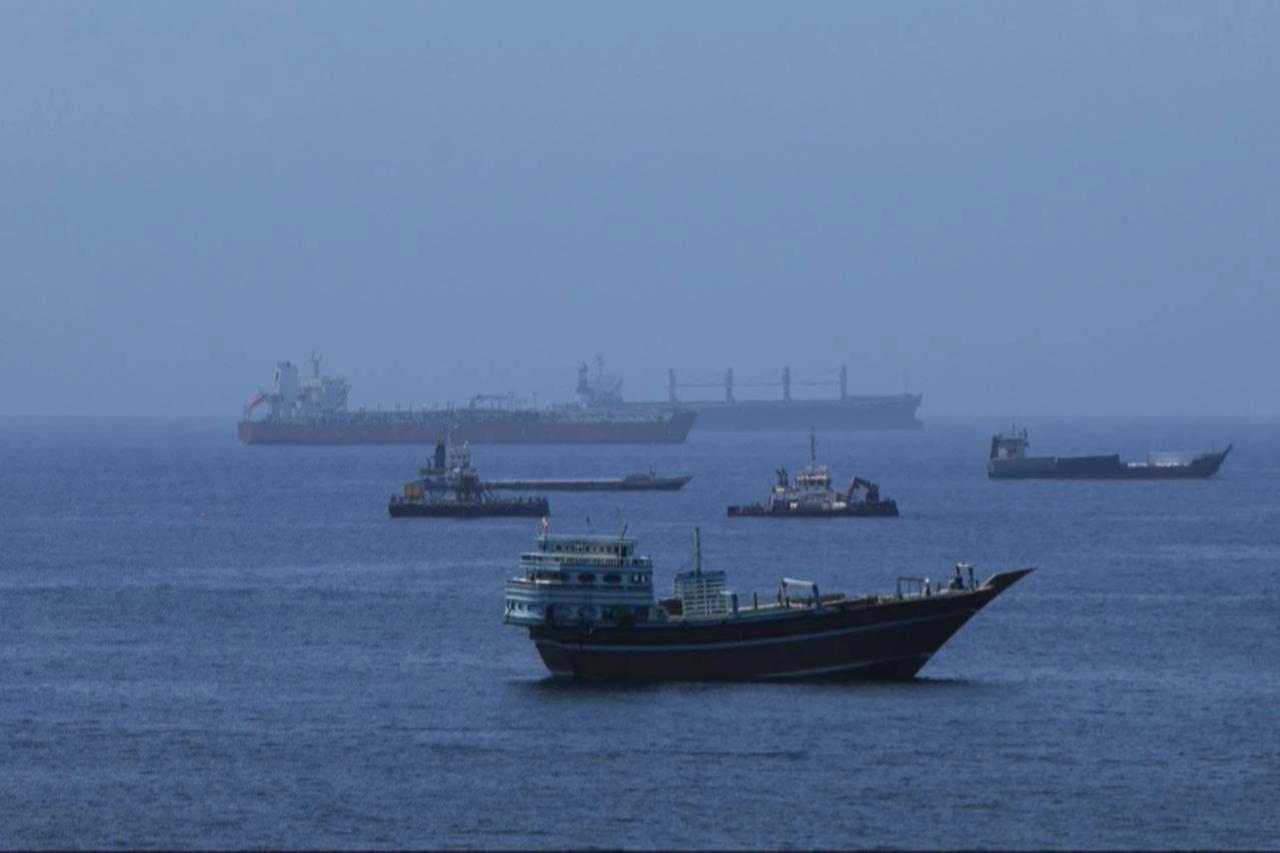
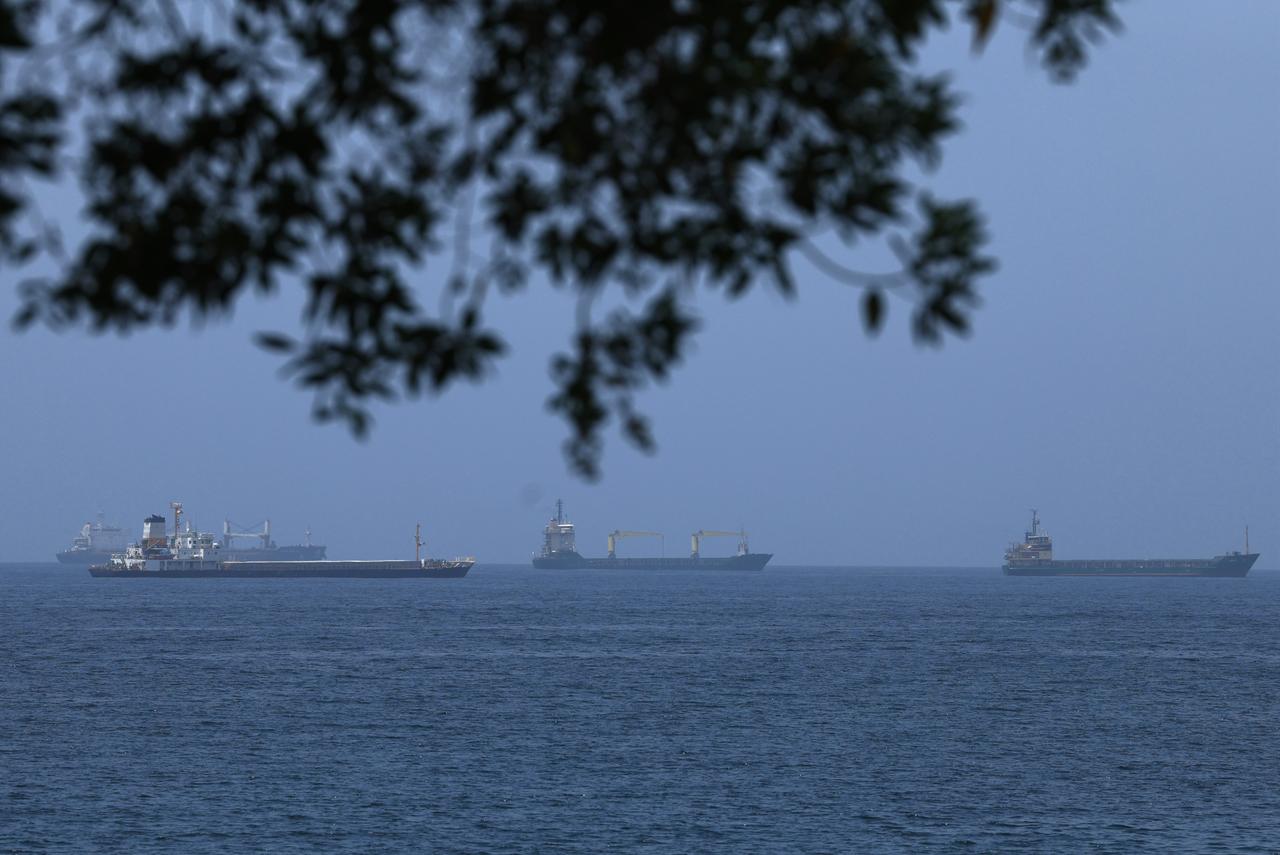
Iran and the United States have established a military communication line in the Strait of Hormuz to prevent incidents that could escalate into military conflict, Iranian state media reported. The development came as Tehran continued to push back sharply against a joint U.S.-Gulf Cooperation Council statement it called "interventionist" and "provocative."
According to Press TV, the communication line was established in the final statement issued by the mediators, Pakistan and Qatar, following last week's talks between Iran and the U.S. in Zurich, Switzerland.
A source told Press TV the channel is intended to avoid incidents in the strait that could lead to military conflict and to implement the provisions of Article 5 of the Islamabad Memorandum of Understanding (MoU).
However, Iran's Islamic Revolutionary Guard Corps (IRGC) later rejected the report, saying claims that Tehran and Washington had established a direct communication line regarding the Strait of Hormuz were "a complete lie" and insisting that no such arrangement had been made.
Iranian Deputy Foreign Minister Kazem Gharibabadi reinforced Iran's position on transit routes in a post on X.
"Safe passage through the Strait of Hormuz cannot be guaranteed under ambiguous arrangements, parallel routes or decision-making that does not take Iran's role as a coastal state into account," he said.
Gharibabadi warned that any failure to coordinate with Tehran would result in the suspension of parallel routes.
Iran maintains that under the agreement, any transit through the strait must occur along the routes it has designated.

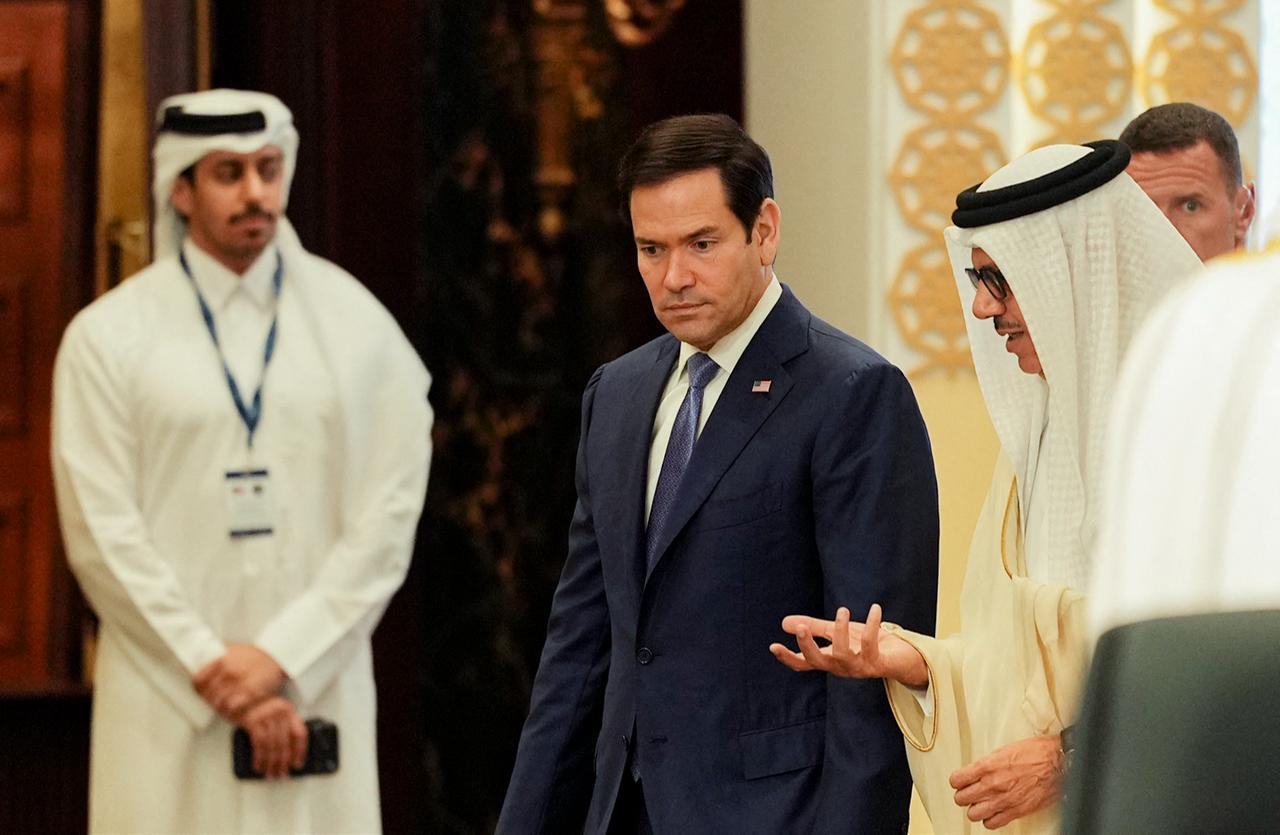
Iranian Foreign Ministry spokesman Esmaeil Baghaei issued a sharply worded statement responding to the joint U.S.-GCC declaration, which Iran's Foreign Ministry separately described as "interventionist, irresponsible and provocative."
"Iran is undoubtedly more concerned with the collective security of the region than any other party," Baghaei said.
"If the (Gulf Cooperation) Council believes the solution to this concern lies in seeking shelter with the greatest violator of security, this itself defeats the purpose, a bitter irony and a discouraging sign of a failure to learn from recent bitter experiences," he added.
Baghaei posed a series of pointed questions to Gulf states regarding their conduct during the recent war.
"The southern neighbors should be asked: why did they themselves, in violation of the principle of good neighborliness and the fundamental rules of international law, join in the aggression against their Muslim neighbor, and allow their territory to be used against Iran or missiles to be launched from there?"
He continued: "Why do they turn a blind eye to the destructive arms race, and to the purchase and stockpiling of hundreds of billions of dollars' worth of various advanced weapons that have no defensive justification? Why do they ignore the repeated aggressions of the Zionist entity against regional states and its occupation of Palestinian, Lebanese and Syrian territory?"
Baghaei also criticized what he described as selective concern over Iran's defensive capabilities while Israel's nuclear program goes unaddressed.
"Why do they remain silent regarding the Israeli nuclear arsenal, which lies outside the scope of any international oversight, while the conventional defensive capabilities of a state that has repeatedly been the target of threats and attacks, including from neighboring countries, are portrayed as a 'threat'?" he said.
"It should be clear to everyone that Iran's military capabilities guarantee the Iranian people's inherent right to legitimate self-defense against aggression and crimes, while simultaneously ensuring peace and stability in the region," Baghaei said.
Baghaei closed his statement by describing Iran's national security and dignity as non-negotiable.
"Iran's national security and dignity are not subject to bargaining or conditionality," he said.
"Just as the inherent right to legitimate self-defense is not up for discussion, the means of that defense cannot be a subject of compromise or concession with any party," Baghaei concluded.


 Set as preferred source
 Set as preferred source



 2 min read