Newsletters


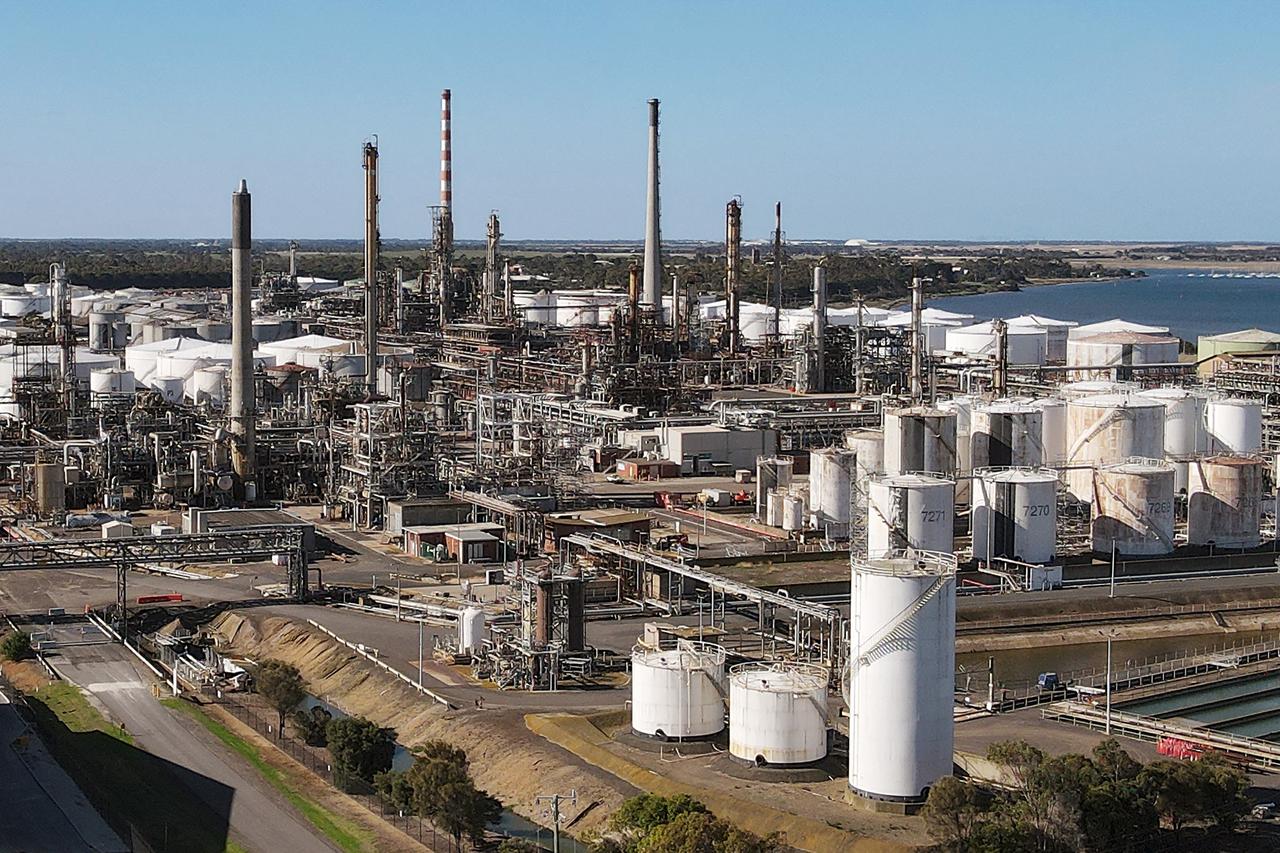


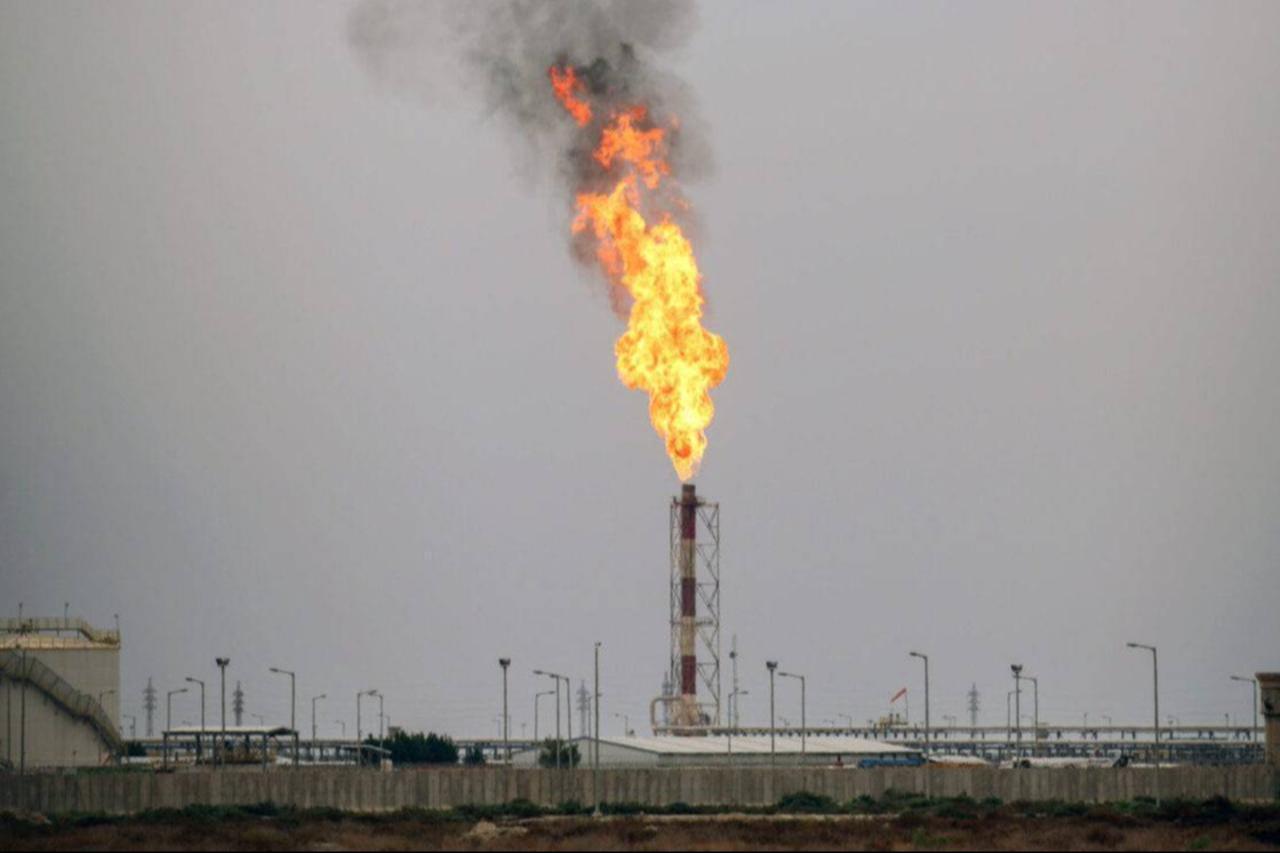
Crude oil prices pulled back on Monday after an early surge, as signs of easing pressure in the Strait of Hormuz began to emerge with limited vessel traffic resuming, tempering concerns over prolonged supply disruption.
U.S. benchmark West Texas Intermediate touched an intraday high of $115.4 per barrel on Monday, while Brent crude climbed to $111.7 in early trading. Gains later cooled, with WTI sliding to $111 and Brent settling near $109.6 by 07:00 GMT, as some vessels resumed transit through the waterway.
U.S. President Donald Trump set a Tuesday deadline for Iran to end the war and restore shipping through the strategic chokepoint, warning of direct strikes on critical infrastructure if Tehran fails to comply.
"Tuesday will be Power Plant Day, and Bridge Day, all wrapped up in one, in Iran. There will be nothing like it!!!" Trump wrote on Truth Social, later indicating there was a "good chance" Iran could agree to a deal on Monday. His remarks land as the Strait of Hormuz—one of the world’s most vital energy corridors—remains largely shut since late February due to the war, cutting flows from key producers.
Despite the broader shutdown, Iranian authorities allowed 15 ships to pass through the strait on Sunday, according to Iranian media, signaling an easing of transit restrictions, though not a full reopening.
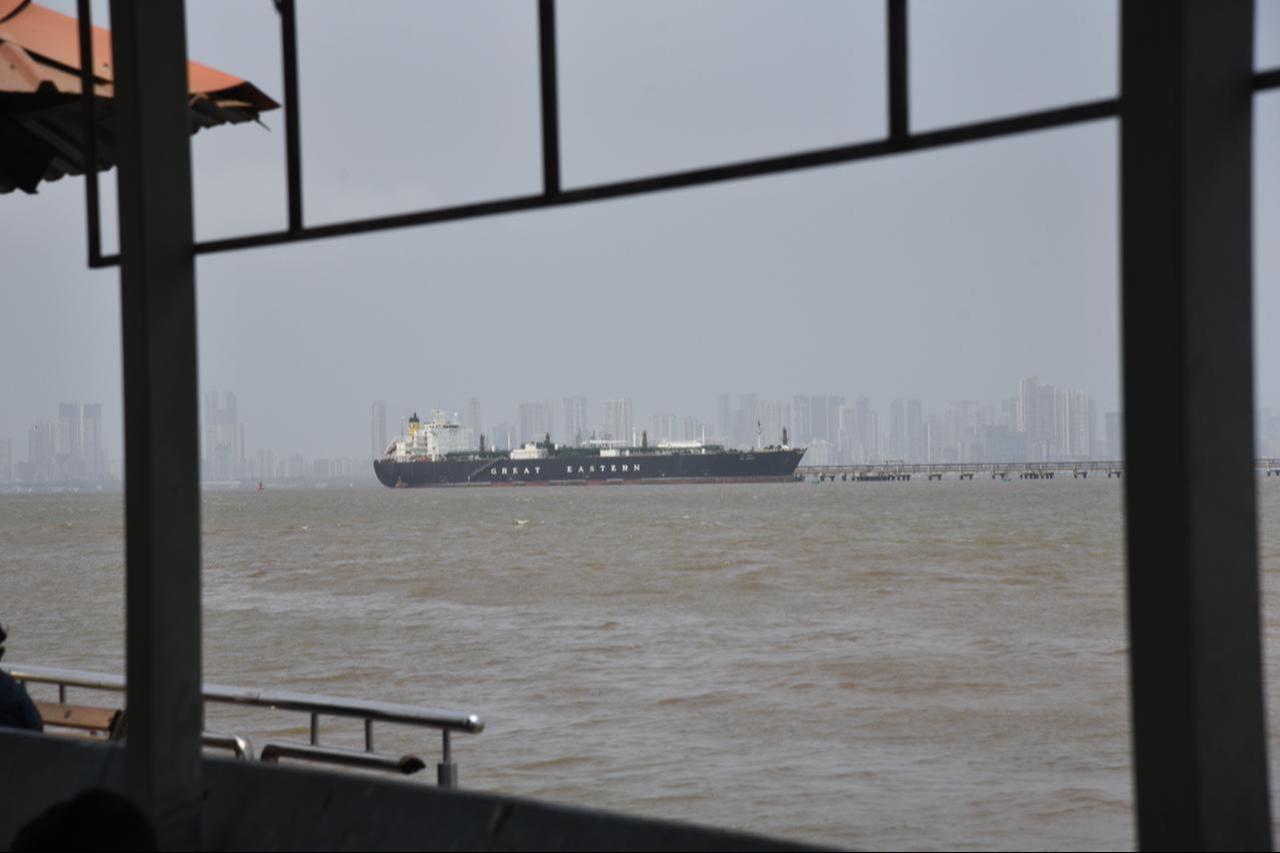

Iraq announced on Monday that it could resume loading crude for Asian traders and refineries, as tankers are now able to pass through the Strait of Hormuz under an exemption granted by Iran.
State oil marketer SOMO moved to stabilize flows, asking clients to submit crude loading schedules within 24 hours, according to a document reviewed by Reuters, while stressing that all export terminals, including Basra Oil Terminal, are fully operational and ready to execute shipments without restrictions.
At the same time, two liquefied natural gas tankers, Al Daayen and Rasheeda, headed toward the strait after loading in Qatar, with a successful transit set to mark the first LNG exports to global markets since the war escalated.
OPEC+ agreed to raise output by 206,000 barrels per day from May, but the increase is unlikely to fully materialize due to Hormuz constraints, amounts to less than 2% of disrupted supply, and signals readiness to lift output once flows normalize.
Against this backdrop, Asian markets closed mixed on Monday, with Japan’s Nikkei 225 and South Korea’s KOSPI posting gains, while Hong Kong’s Hang Seng and China’s Shanghai Composite declined.
European futures edged lower, while U.S. futures pointed higher.
Precious metals softened, with gold and silver slipping, platinum declining, and palladium advancing modestly. Cryptocurrencies moved higher, led by gains in Bitcoin and Ethereum, pushing total market value to $2.4 trillion.


 Set as preferred source
 Set as preferred source


 1 min read
 1 min read