Newsletters


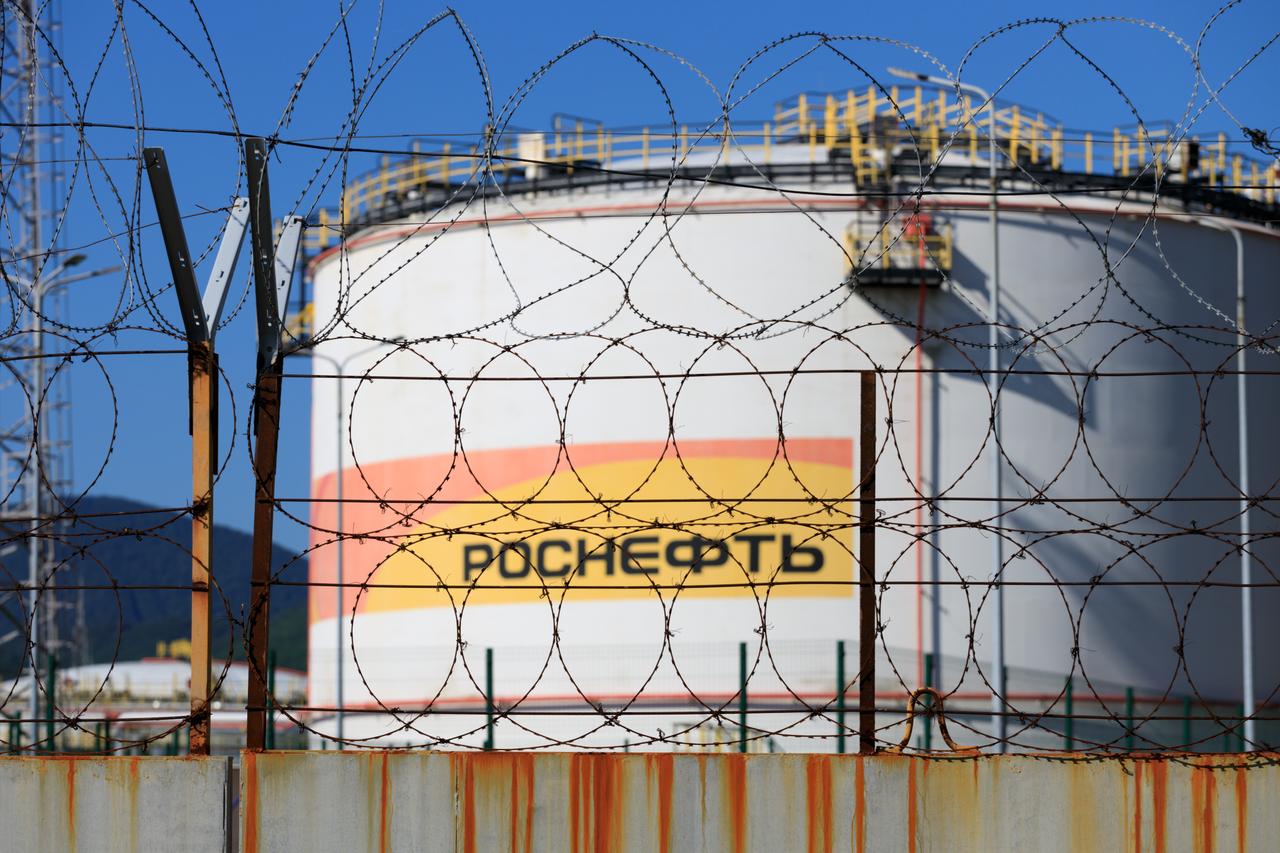


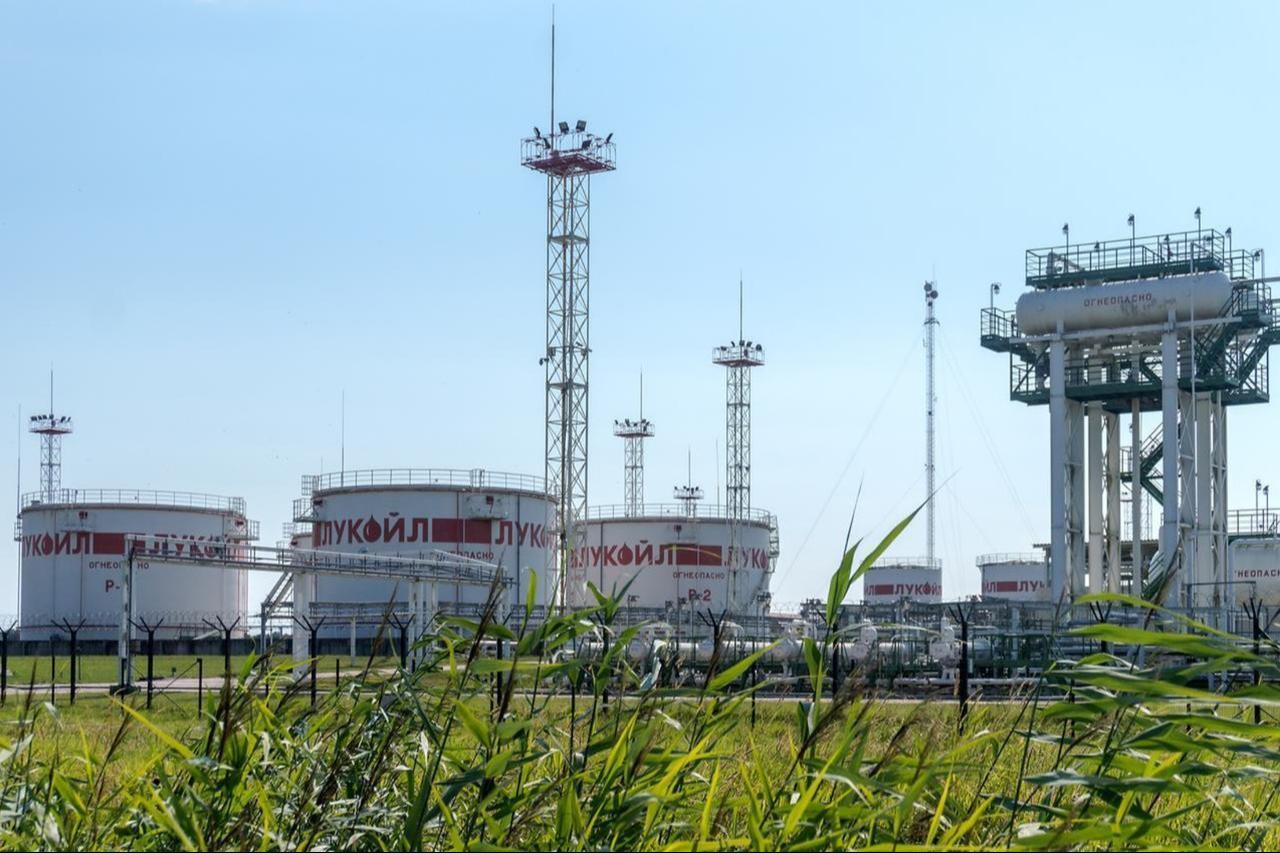
Oil prices climbed sharply by around 4% on Thursday after the United States imposed sanctions on Russia’s two largest oil companies, Rosneft and Lukoil, in the latest move to pressure President Vladimir Putin into making progress in peace talks over Ukraine.
West Texas Intermediate crude rose by 4% to $60.86 per barrel, while Brent crude advanced 3.7% to $64.95 in early Asian trading, following U.S. President Donald Trump’s announcement in Washington on Wednesday that his administration had decided to "pull the trigger" on measures that had been under consideration for months.
The sanctions were announced shortly after the White House indefinitely postponed the planned summit with Russian President Vladimir Putin in Budapest, which would have been their second meeting and was originally expected within two weeks. Trump linked the sanctions decision to the cancellation of the planned summit, saying their conversations "don’t go anywhere" and expressing hope the measures would be short-lived.
Trump had initially said the summit would take place within two weeks, but the Kremlin’s rejection of a U.S.-proposed ceasefire in Ukraine reportedly prompted the reversal.
Under the new measures, the U.S. Treasury’s Office of Foreign Assets Control (OFAC) froze all property and interests in property linked to Lukoil, Rosneft, and other designated entities under U.S. jurisdiction or held by U.S. persons. The restrictions also apply to any entities in which sanctioned parties hold a direct or indirect ownership stake of 50% or more. Unless covered by a general or specific OFAC license, U.S. persons—and any party conducting transactions through U.S. financial systems—are broadly prohibited from engaging with blocked assets.
According to U.S. Treasury Secretary Scott Bessent, the administration’s patience ran out after diplomatic efforts failed to make progress. Speaking at the White House before the announcement, Bessent said Washington was preparing "a substantial pickup in Russia sanctions" after the collapse of planned talks between Trump and Putin.
"President Putin has not come to the table in an honest and forthright manner, as we hoped," Bessent said in a later television interview, describing the new sanctions package as one of the largest ever imposed on the Russian Federation.

The European Union also moved ahead with new energy restrictions. The 27-member bloc accelerated a planned ban on the import of Russian liquefied natural gas (LNG), bringing the start date forward by one year to early 2027.
Brussels additionally blacklisted more than 100 tankers from Moscow’s so-called "shadow fleet" of aging oil vessels and tightened travel restrictions on Russian diplomats suspected of espionage.
The measures are scheduled for formal adoption on Thursday.


 Set as preferred source
 Set as preferred source


 2 min read
 1 min read