Newsletters


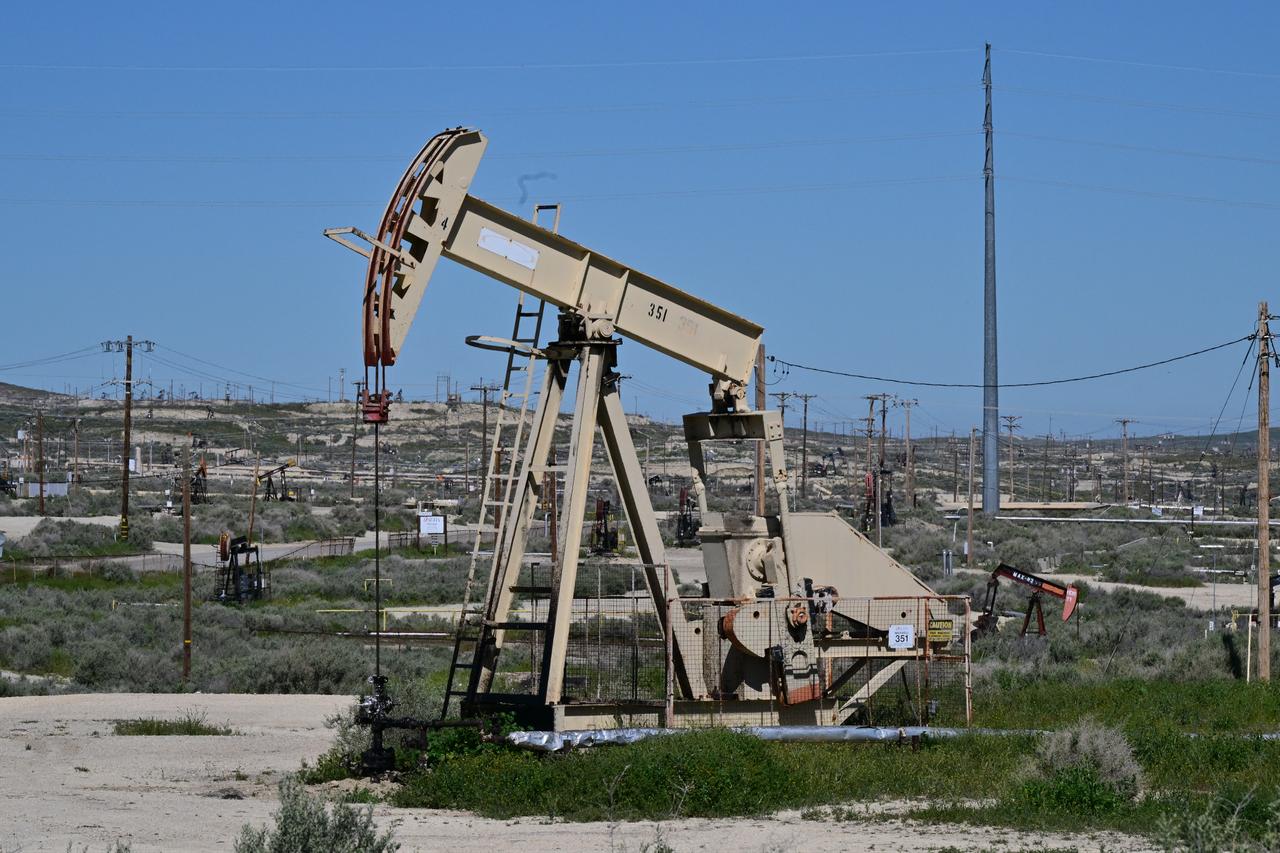


Crude oil prices surged past $100 a barrel on Monday for the first time since July 2022 as the U.S.-Israeli war with Iran disrupted production and shipping across the Middle East, rattling global markets and raising fears of a prolonged energy crisis.
 Breaking News, Direct to You.
 Follow Türkiye Today on WhatsApp
for real-time updates and key insights from Türkiye and beyond.
Follow Türkiye Today on WhatsApp
for real-time updates and key insights from Türkiye and beyond.
Brent crude, the international benchmark, rose to more than $107, now around $115, a barrel after trading resumed on the Chicago Mercantile Exchange, a 16.5% jump from its Friday closing price of $92.69.
U.S. West Texas Intermediate rose to about $106.22 a barrel, a 16.9% increase from its Friday close of $90.90.
The gains accelerated into Monday, with Brent rising as much as $18.35, or 19.8%, to $111.04 a barrel, while WTI climbed as much as $20.34, or 22.4%, to $111.24 a barrel.
Those moves followed Brent's 28% and WTI's 36% climb the prior week, WTI's biggest weekly rise on record. Both benchmarks were trading around $60 a barrel in early January. This year, the price of U.S. crude oil has risen more than 80%.
Iraq and Kuwait have begun cutting oil output, adding to earlier liquefied natural gas reductions from Qatar, as the war blocked shipments from the Middle East.
Kuwait's state oil company said it was trimming output, while the United Arab Emirates' state-run oil company said it was "managing" some output, hinting at possible production cuts. Kuwait and the UAE both rank in the top five oil-producing countries in OPEC.
Analysts predict the UAE and Saudi Arabia will also have to cut output soon as they run out of oil storage.
Saudi Arabia's oil-producing facilities were attacked, with the kingdom saying it had intercepted 21 drones targeting the 1 million-barrel-a-day Shaybah oilfield, while the Berri field was also attacked.
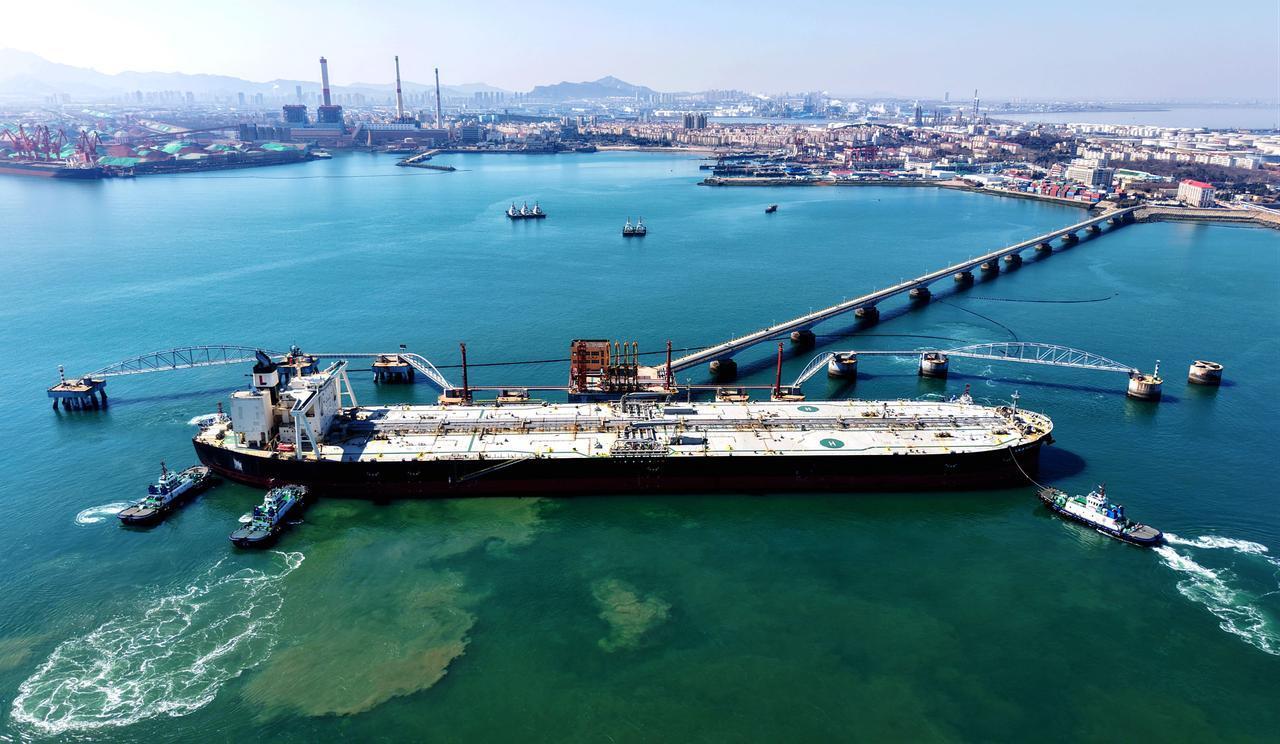

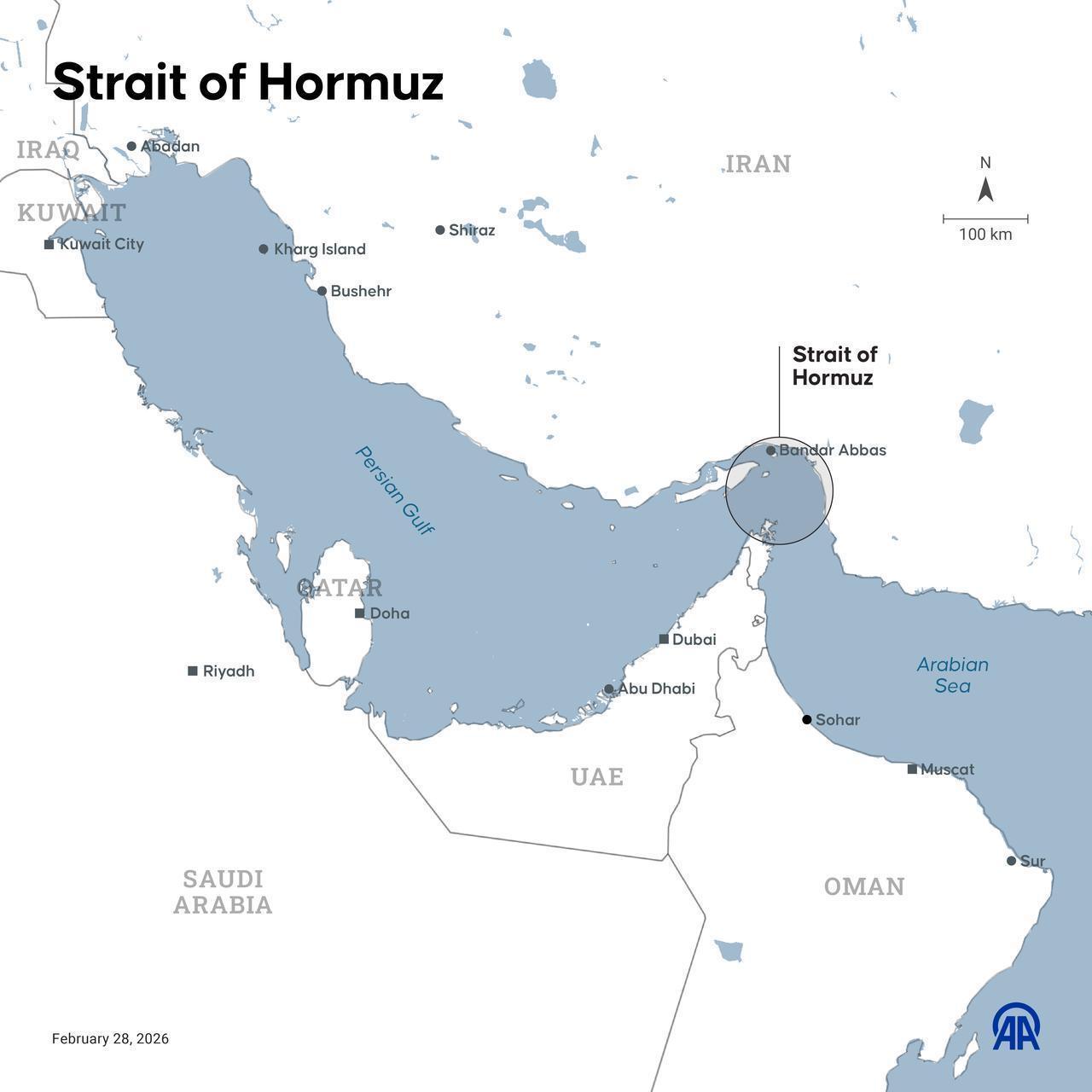
The Strait of Hormuz, off southern Iran, has been essentially impassible for most oil and liquefied natural gas tankers since the U.S. and Israel first struck Iran on Feb. 28.
About 15 million barrels of crude oil, representing roughly 20% of global oil supply, are typically moved daily through the strait, according to independent research firm Rystad Energy.
Traders warned that the oil sector was facing one of its greatest ever challenges, with Iran's attacks on tankers in the Strait of Hormuz affecting production in countries responsible for about a quarter of global crude supply.
Saudi Arabia, the UAE, Iraq, and Kuwait are all either throttling back output or shutting fields entirely as they risk maxing out storage tanks with crude backed up in the Gulf.
Goldman Sachs said late Friday that crude and refined products such as gasoline and diesel could hit all-time highs "if Strait of Hormuz flows were to remain depressed throughout March."
Brent hit $147.50 a barrel on the eve of the 2008 financial crisis, which, adjusted for inflation, equals roughly $218 today.
U.S. Treasury Secretary Scott Bessent said the administration was working with U.S. Central Command (CENTCOM) to try to get ships moving through the Strait of Hormuz, but that it might take another "week or two weeks" to get shipping moving through the waterway again as normal, "but we are on track to get this solved."
Interior Secretary Doug Burgum said Sunday on Fox News that it might be "weeks" before ships pass through the strait again, calling it "a temporary issue" only.
Bessent also said in an interview on Fox Business Network that the Treasury Department might "unsanction" Russian oil to "create supply" and ease prices in the meantime.
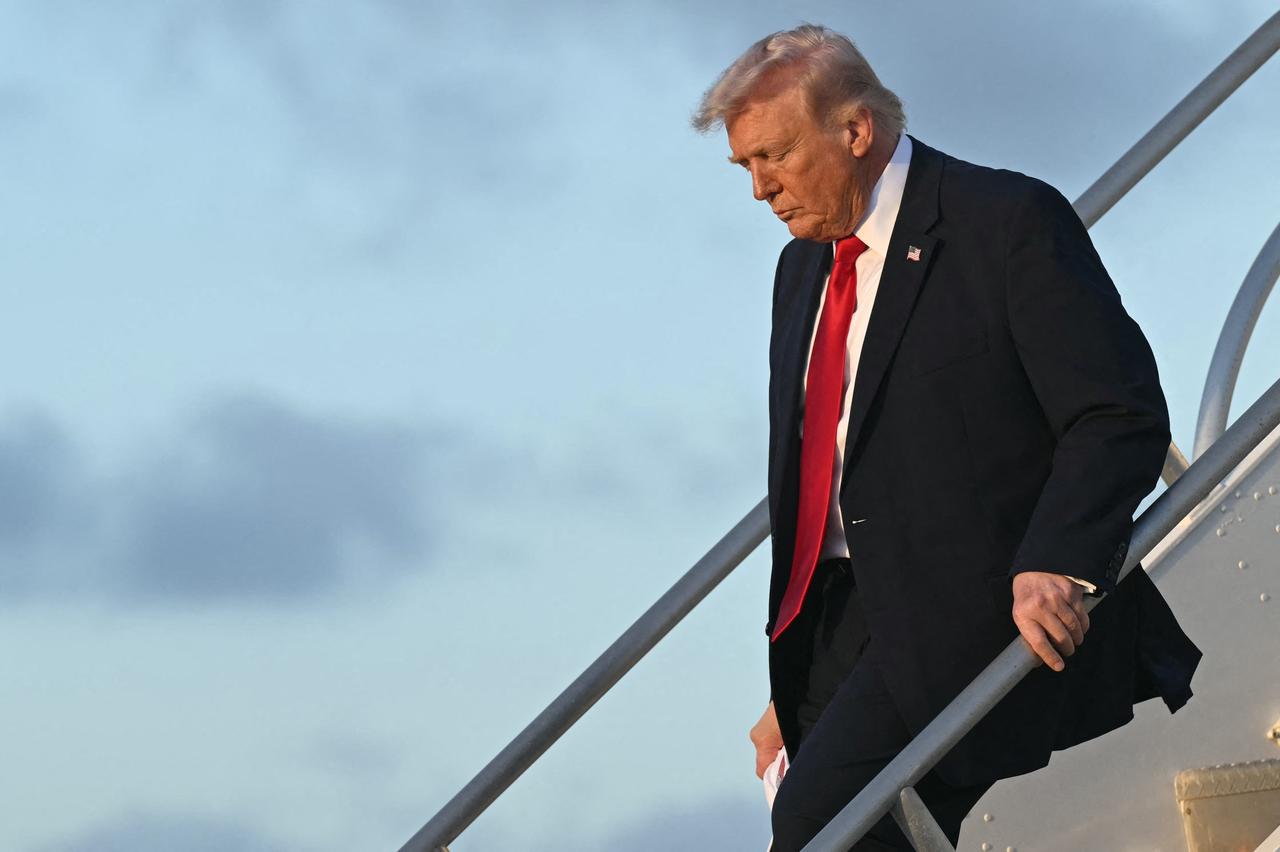
President Donald Trump said Sunday on Truth Social that the spike in oil prices was temporary. "Short-term oil prices, which will drop rapidly when the destruction of the Iran nuclear threat is over, are a very small price to pay for U.S. and world safety and peace," he stated in a post on Truth Social.
"ONLY FOOLS WOULD THINK DIFFERENTLY!," he added.
Trump told Reuters on Friday, March 5, that "I don't have any concern about it," adding that prices will "drop very rapidly when this is over, and if they rise, they rise, but this is far more important than having gasoline prices go up a little bit."
He spoke to the reporters on Saturday, March 7, on Air Force One, saying that tapping the strategic reserve is unnecessary because the U.S. has more than enough oil. "We figured our prices would go up, which they will," he said, adding, "They'll also come down."
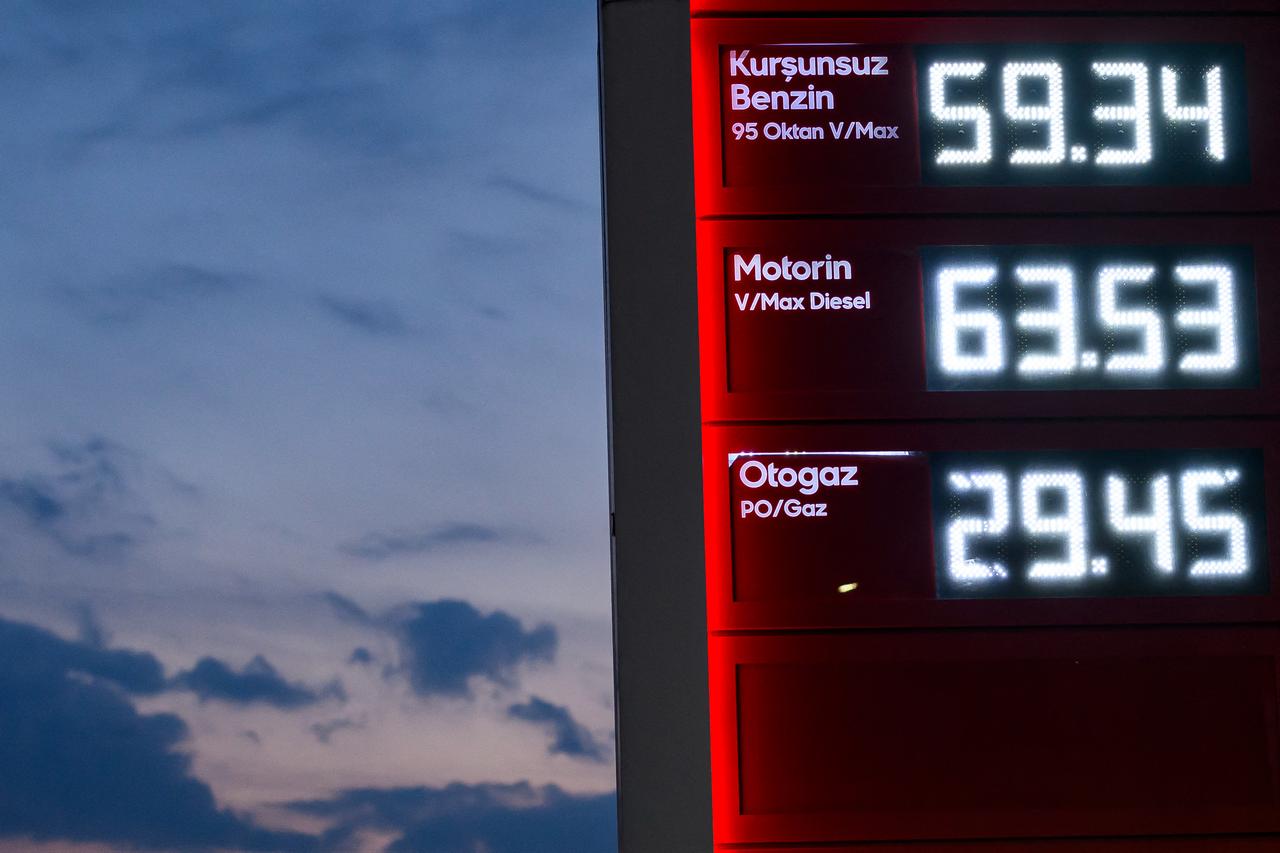
U.S. retail gas prices rose to a national average of more than $3.45 per gallon.
Senate Minority Leader Chuck Schumer, D-N.Y., called on Trump to release oil from the nation's strategic petroleum reserve, saying gas prices nationwide have jumped 43 cents per gallon since the Iran war started.
"The Strategic Petroleum Reserve exists for moments exactly like this," Schumer said.
"When wars and global crises disrupt energy markets, the United States can act, but President Trump and his administration are refusing to do so," he noted.
GasBuddy analyst Patrick De Haan said on X that the chance of the national average reaching $4 per gallon within a month is now 80% and that diesel fuel hitting $5 per gallon within a week stands at an 85% probability.
Every $1 rise in crude oil futures typically correlates to about a 2.5-cent rise in retail gasoline prices, according to the report.
The oil surge drove broad market losses. S&P 500 futures plunged 2.3%, Dow futures fell more than 1,000 points and Nasdaq 100 futures slid 2.7%, indicating U.S. stocks were poised to extend last week's decline.
Asian markets also fell sharply. South Korea's Kospi index dropped 9%, Japan's Nikkei 225 slid more than 7.5%, Taiwan's TWSE declined nearly 6%, Australia's ASX 200 fell 4.3%, and Hong Kong's Hang Seng index declined more than 3%.
European futures pointed to sharply lower trading, with Germany's DAX set to tumble more than 3.3%, the U.K.'s FTSE 100 poised to drop 2% and the pan-European Stoxx 600 expected to fall nearly 2.5%.
The last time oil and gas prices surged to such levels was immediately after Russia invaded Ukraine in February 2022.


 Set as preferred source
 Set as preferred source


 1 min read
 1 min read