Newsletters


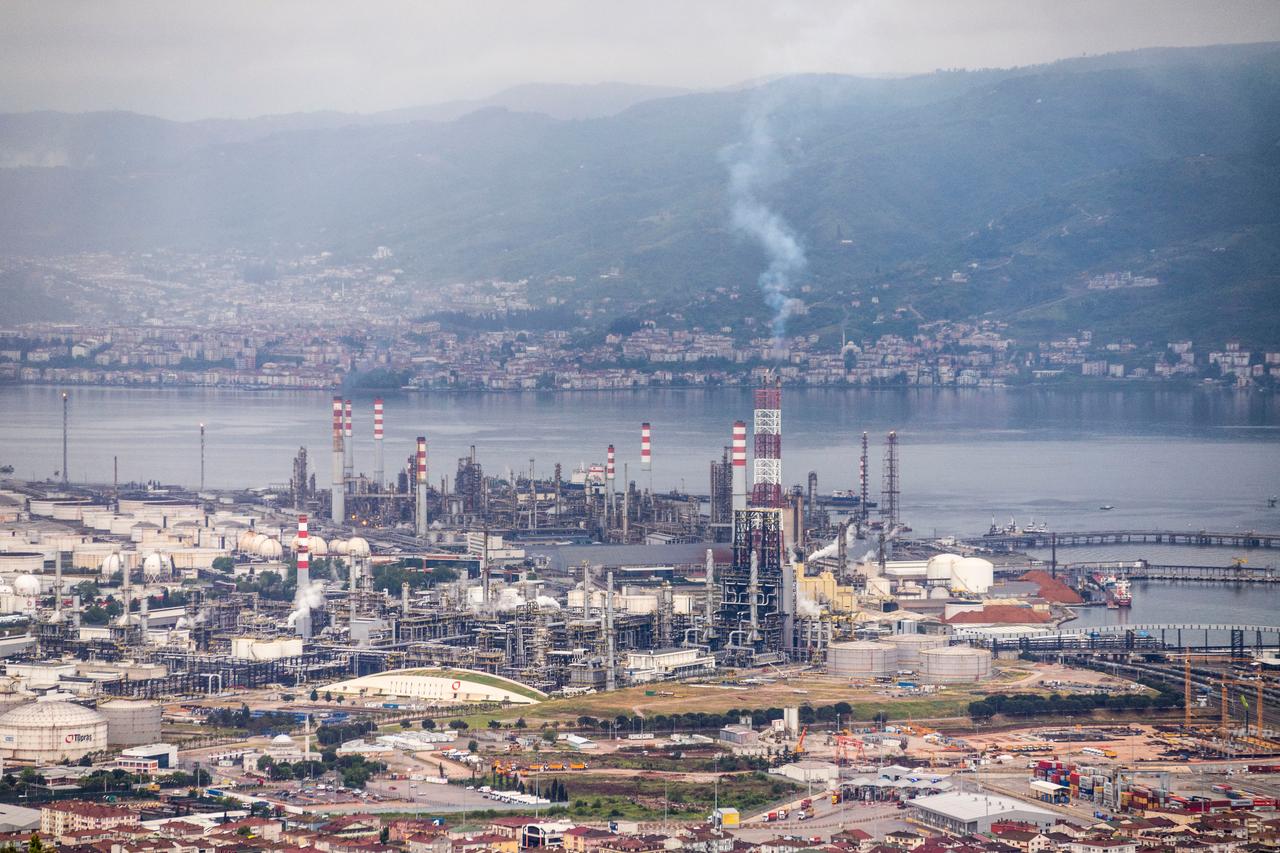


Prolonged global energy price increases driven by supply disruptions in the Strait of Hormuz during the Iran war could push Türkiye’s current account deficit to $50 billion, according to an analysis by QNB Türkiye economists.
Oil prices closed Friday at $92.7 per barrel, marking a 28% weekly surge, while natural gas prices at the Dutch TTF hub jumped 67% to €53.4 ($62) per megawatt-hour. If these levels persist throughout the year, Türkiye’s total energy import bill could rise to about $60 billion, up from $47.2 billion last year, the analysis said.
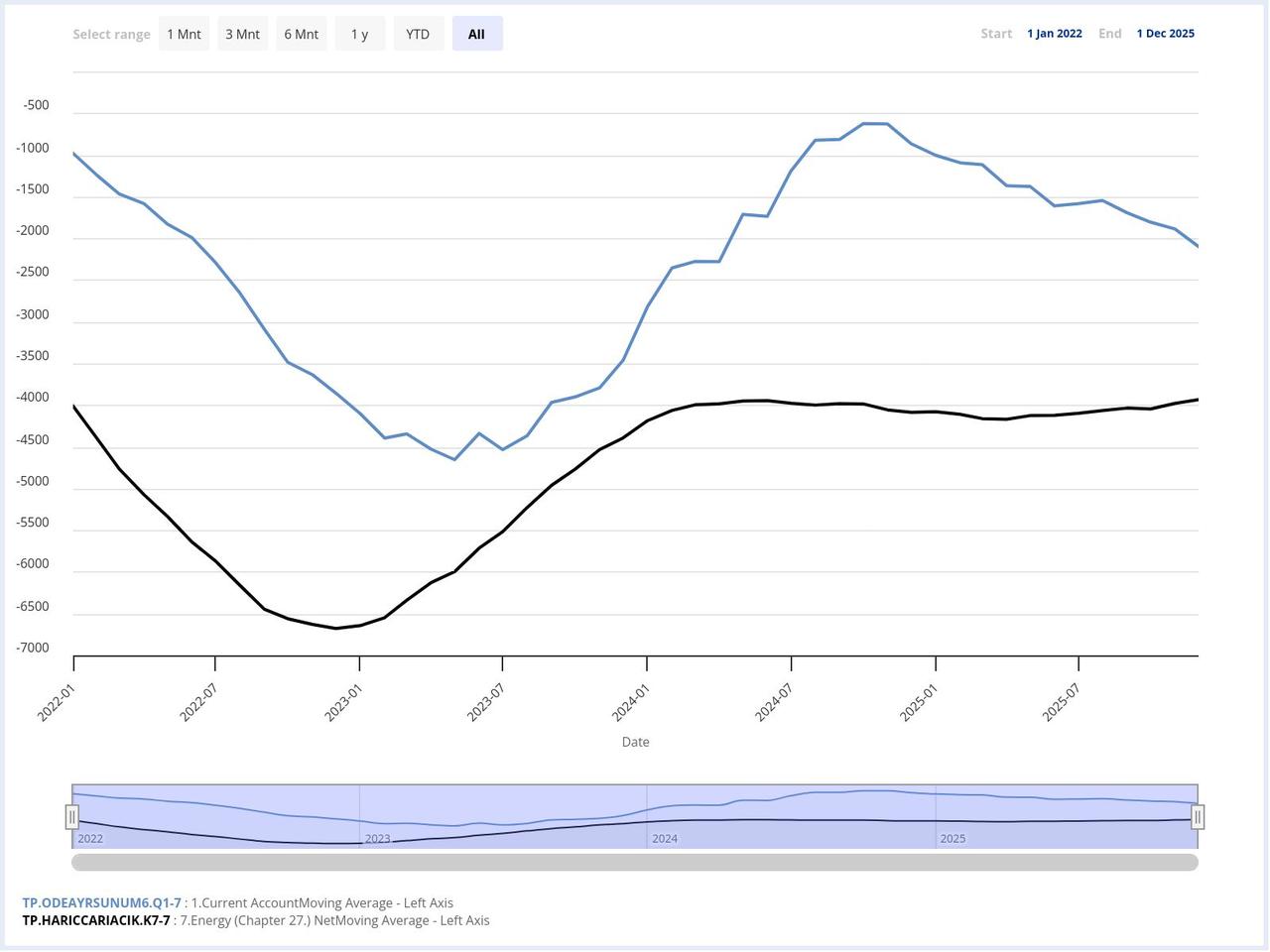
Taking into account higher gold prices, lira appreciation, and strong domestic demand, economists estimate Türkiye’s current account deficit could rise to around $50 billion, up from $25.2 billion last year.
However, QNB economists said that their baseline scenario assumes that the surge in energy prices will ease after several months, which would limit the current account deficit to around $36 billion.
Higher energy prices could also feed into inflation through several channels, including fuel and LPG prices, transportation costs, and fertilizer prices. Given the still-strong domestic demand, the economists said cost increases could pass through to consumer prices relatively quickly.
According to calculations by the Central Bank of the Republic of Türkiye (CBRT), every 10% increase in crude oil prices typically raises inflation by about one percentage point within a year. Since the year-end inflation forecast of 24% was based on an oil price assumption of $70 per barrel, a sustained increase to $85 would require an upward revision of roughly two percentage points, the report noted.

The analysis noted that the recently activated escalator system could cushion fuel price increases by cutting the special consumption tax on fuel by up to 75% of refinery price hikes, while the tax can be raised again when prices fall to limit pump price swings.
Fuel taxes currently make up about 30% of gasoline and diesel prices. Based on QNB’s calculations, the mechanism could absorb price pressures if crude oil rises to between $100 and $110 per barrel, depending on refinery margins.
Even if the tax were fully eliminated, the annual fiscal cost would equal about 0.7% of GDP. At current price levels, the expected impact would be roughly half of that.
As of January, the 12-month budget deficit stood at 2.9% of GDP, below the government’s 3.5% year-end target, leaving room for the policy, QNB economists added.


 Set as preferred source
 Set as preferred source


 1 min read
 1 min read