Newsletters




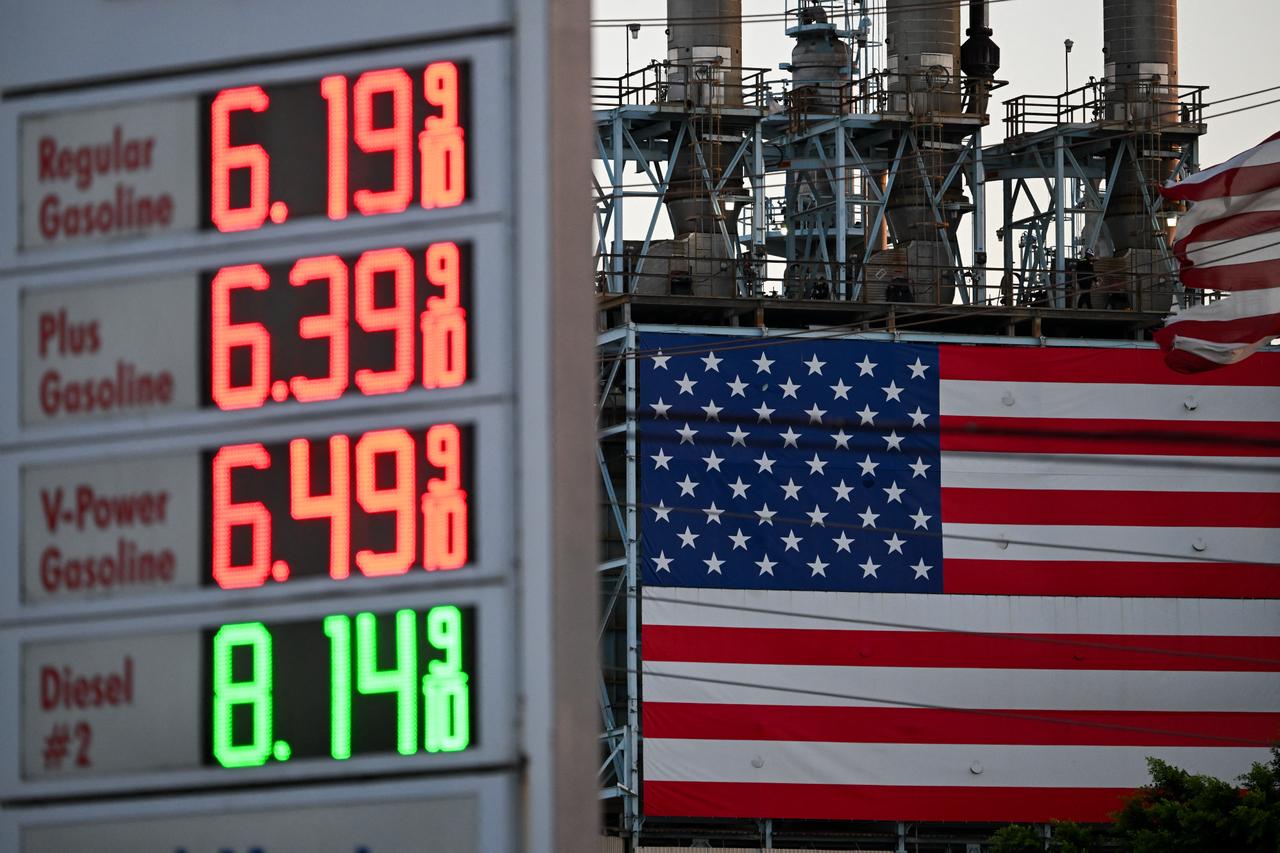
A two-week ceasefire deal between the U.S. and Iran dragged oil prices down by over 10% on Wednesday.
The development prompted a rebound in global markets after 40 days of strain, as both sides agreed to ensure safe passage through the Strait of Hormuz, a lifeline for global energy flows.
As of 5:10 a.m. GMT, the international benchmark Brent crude was down to $95, while the U.S. benchmark WTI stood at $96.8 per barrel.
Investor concerns over the potential inflationary impact of a prolonged conflict eased, lifting risk appetite across stocks, precious metals, and cryptocurrencies.
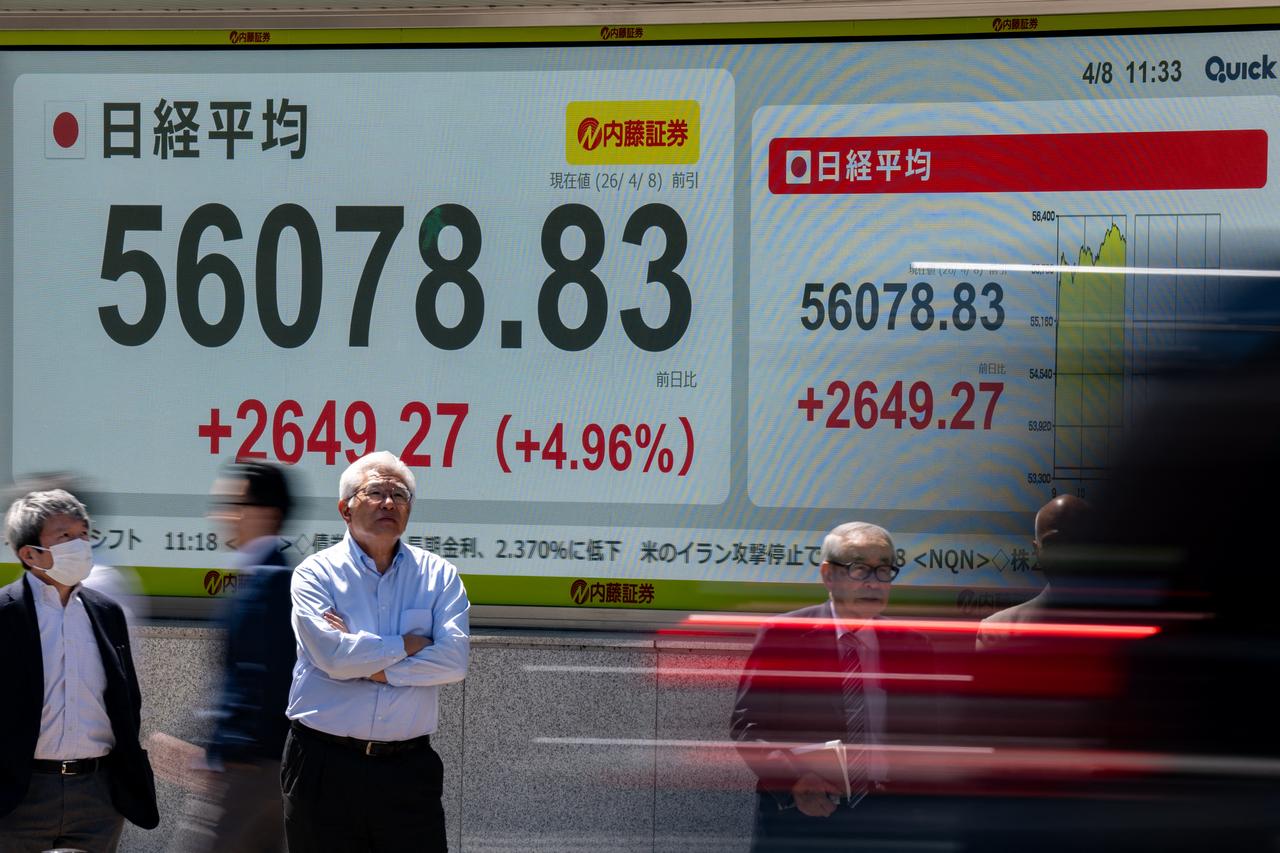
In Asia, energy supply concerns seemed to subside, particularly in Middle East-dependent countries, as tech-heavy Japan’s Nikkei 225 jumped over 5%, while South Korea’s Kospi surged over 7%. Hong Kong’s Hang Seng followed with gains of about 3%, and China’s Shanghai Composite rose 2.3%.
Pan-European STOXX 50 futures soared 5%, while all major U.S. stock indices moved higher, with the tech-heavy Nasdaq jumping over 3%.

In precious metals, gold increased by 2.5% to the $4,810 level, and silver added 5% to $76.6, while palladium and platinum rose more than 4% to reach $1,510 and $2,010 per ounce, respectively.
Cryptocurrencies also mirrored the optimism, with Bitcoin gaining over 4% to recover above the $70,000 level and Ethereum rising by 6.5% to $2,240, while the total market cap of digital assets returned to $2.4 trillion, marking a 4% expansion.
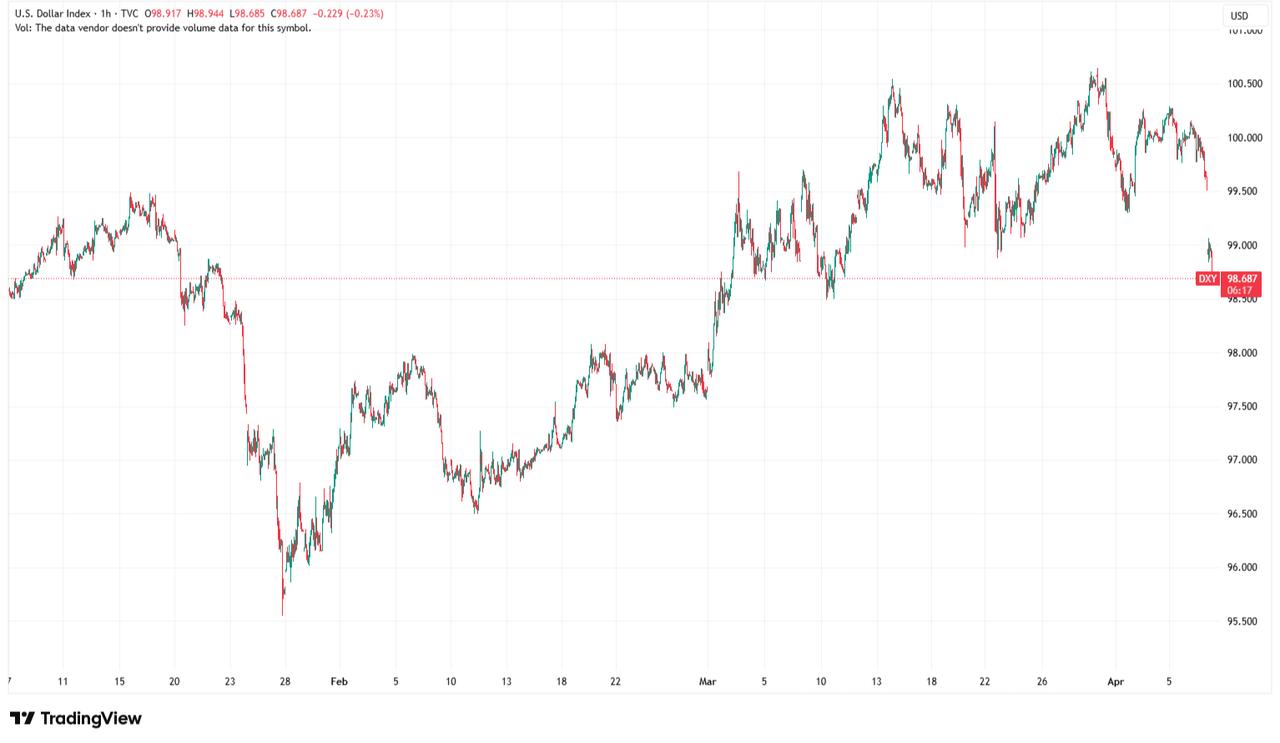
As oil prices declined and inflation concerns eased, the U.S. dollar weakened, with the U.S. Dollar Index falling to around 98. Meanwhile, the Chinese yuan strengthened significantly, reaching its highest level in three years at 6.8270 per dollar.
The United States and Iran have reached a two-week ceasefire agreement under which Tehran will temporarily reopen the strategically critical Strait of Hormuz.
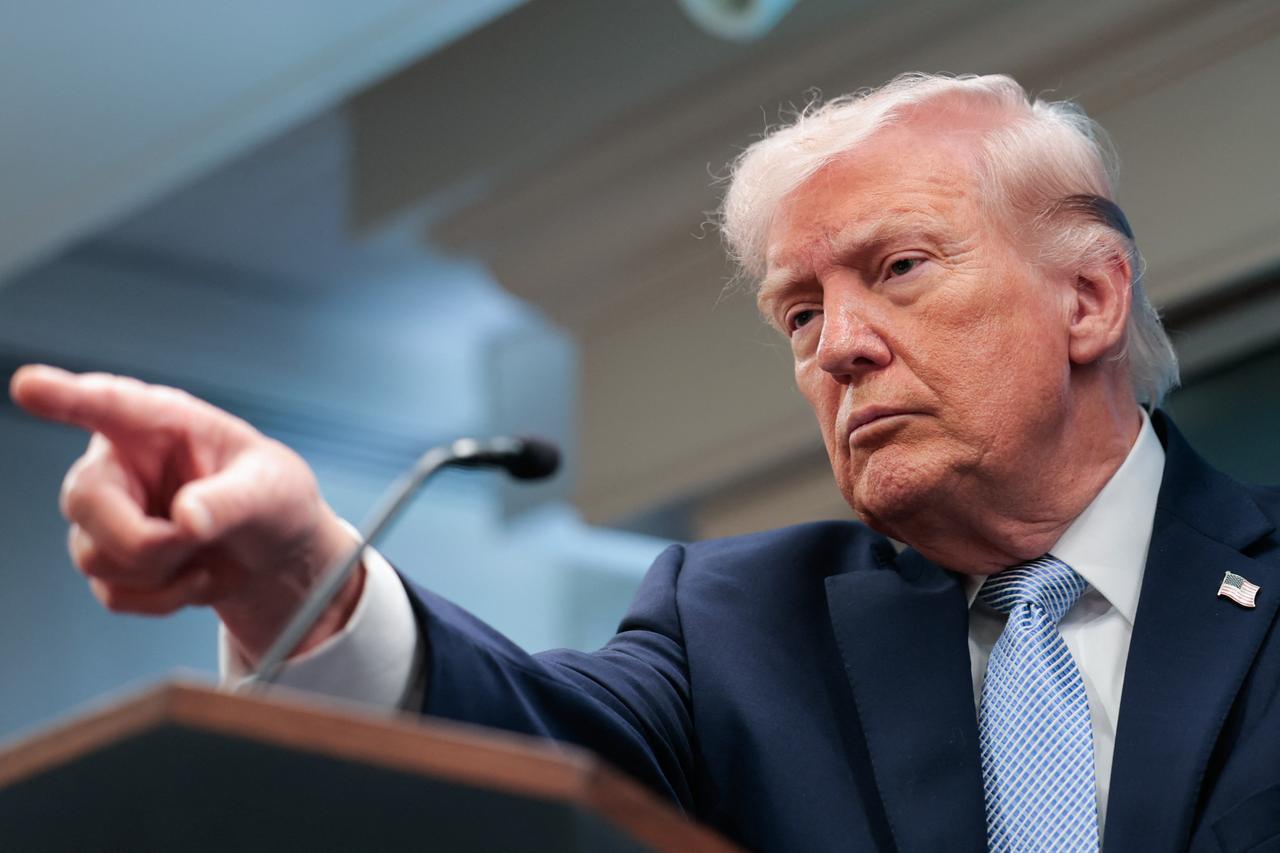
Hours before a deadline set by U.S. President Donald Trump for Iran to restore access to the waterway or face extended attacks on civilian infrastructure, Washington agreed to pause military operations for two weeks after Trump said he had received a "workable" 10-point proposal from Tehran.
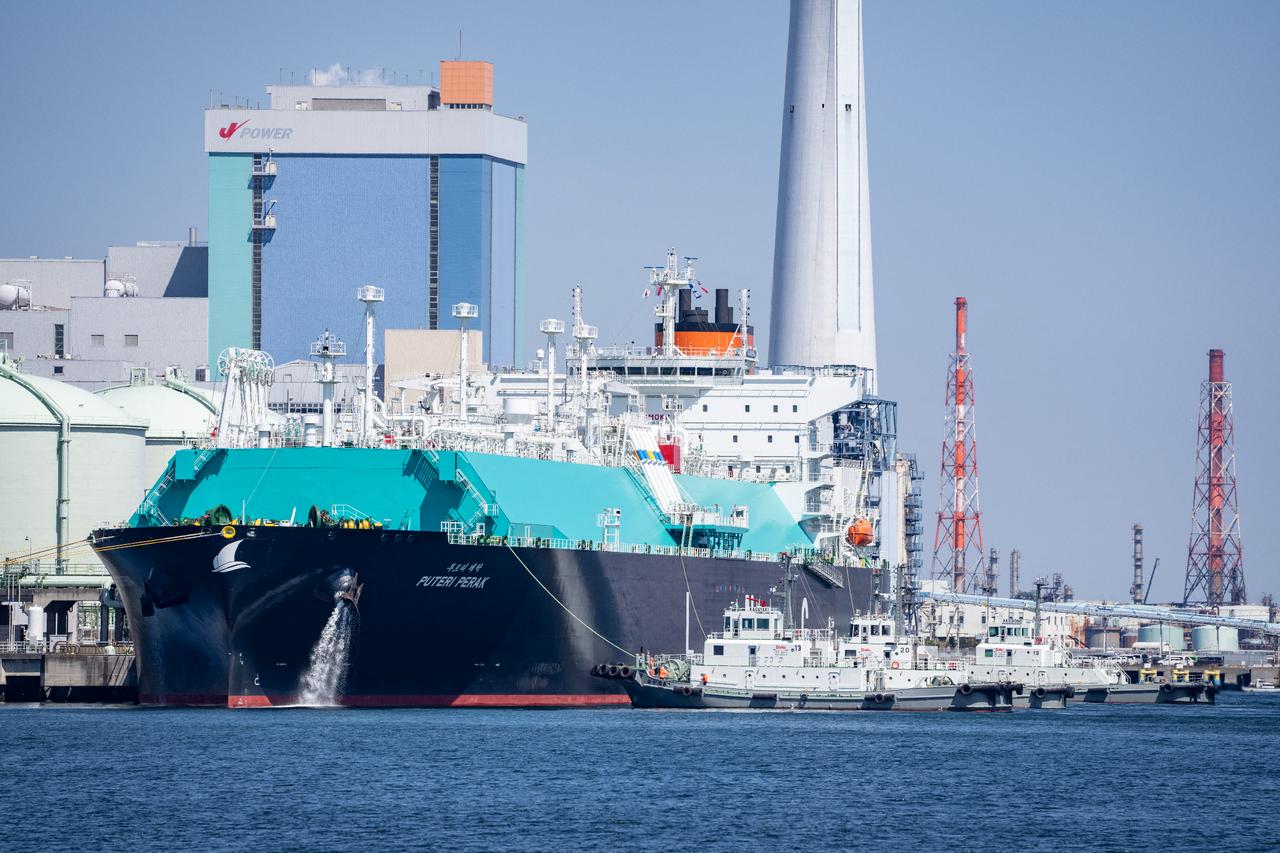
Iran subsequently confirmed it would guarantee safe transit through the strait, a key route that carries roughly one-fifth of global oil and gas supplies. However, key details of the agreement remain unclear, including whether Iran will impose any transit fees, an issue it had previously raised during the conflict.
Shipping activity is expected to resume gradually as shipowners and insurers assess the situation and await greater clarity on the terms of the arrangement.


 Set as preferred source
 Set as preferred source


 1 min read
 1 min read