Newsletters


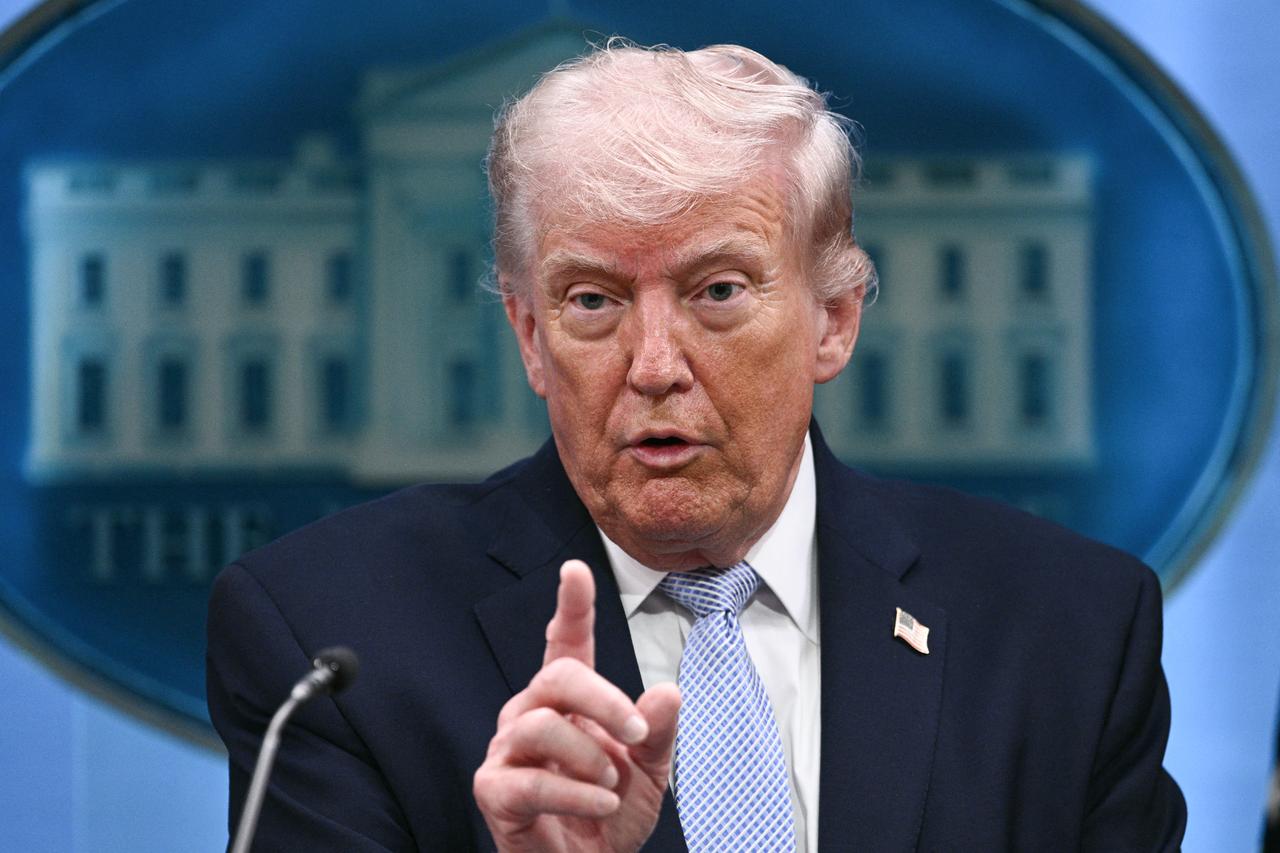


U.S. President Donald Trump announced early Wednesday he would suspend U.S. bombing of Iran for two weeks, citing conversations with Pakistani Prime Minister Shehbaz Sharif and Field Marshal Asim Munir as the reason for holding off strikes that had been set to intensify that night.
Trump posted the announcement on Truth Social at 6:32 p.m. EDT on April 7, describing the pause as "a double sided CEASEFIRE." The suspension is conditional on Iran agreeing to what Trump called the "COMPLETE, IMMEDIATE, and SAFE OPENING of the Strait of Hormuz."
New York Times reported that Supreme Leader Mojtaba Khamenei personally approved the two-week ceasefire. Iran's National Security Council also confirmed the ceasefire, saying that "We achieved a great victory and forced the United States accept our 10-point proposal."
Iranian Foreign Minister Abbas Araghchi added that Tehran would guarantee safe passage through the Strait of Hormuz for two weeks on the condition that attacks on Iran are halted.
The first round of negotiations between the U.S. and Iran is scheduled to take place in Islamabad on April 10, Axios reported, citing two sources familiar with the matter. Iran's Supreme National Security Council confirmed the negotiations, saying the talks would begin with "complete distrust" toward the American side.
Trump said Sharif and Munir personally requested he hold off the strikes planned for Tuesday night. Pakistan had previously called on Trump to extend his deadline by two weeks and urged Iran to open the strait. Trump's post made no mention of other mediators, including Türkiye and Egypt, who had also been working to broker an agreement before the deadline expired.
Trump said Washington had received a 10-point proposal from Iran and considered it "a workable basis on which to negotiate," adding that "almost all of the various points of past contention have been agreed to between the United States and Iran." He said a two-week window would allow a final agreement to be completed and signed. Trump described the situation as "a longterm problem close to resolution" and said he was acting on behalf of both the United States and "the Countries of the Middle East."
Trump also said U.S. and allied forces had "already met and exceeded all military objectives" before the suspension was announced, framing the pause not as a concession but as a decision taken from a position of military advantage.


 Set as preferred source
 Set as preferred source


 3 min read